
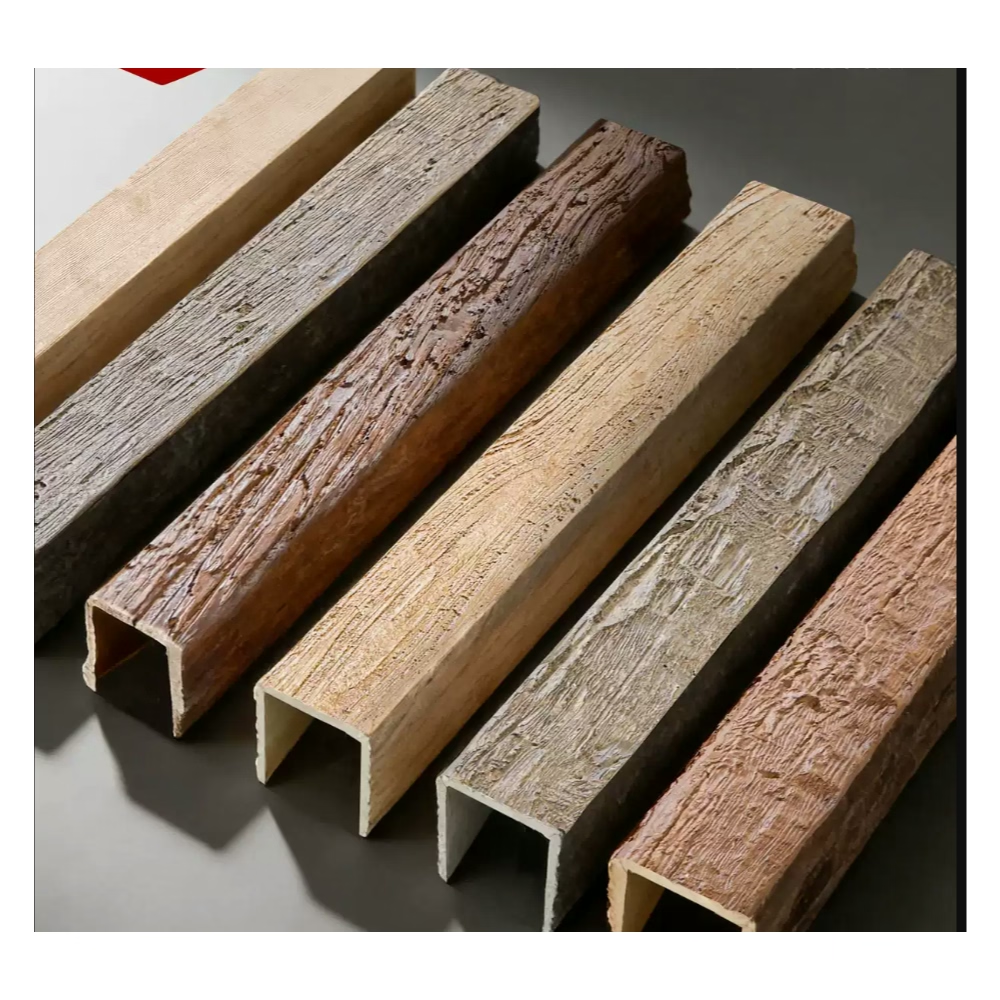
A beam that looks perfect in the showroom but looks wrong in the installed space is one of the most common complaints in interior finishing. The problem is almost always lighting. The color temperature of the room's light sources changes how wood tones read, and a beam that was approved under neutral showroom lighting can look orange, grey, or muddy under the warm LEDs specified for the project. Custom tone-matched PU faux wood beams address this through deliberate color-temperature coordination and approval in the actual installation environment.
How Light Color Temperature Affects Wood Tone
Color temperature is measured in Kelvin (K). Lower temperatures (2700-3000K) are warm, with a yellow-orange cast. Higher temperatures (4000-5000K) are neutral to cool. Daylight ranges from 5000-6500K.
Wood tones interact with color temperature in predictable ways. Warm light (2700-3000K) makes warm wood tones (oak, honey, pine) look richer and more saturated. Neutral light (3500-4000K) is the most neutral setting for wood tones. Cool light (4000-5000K) makes warm wood tones look less saturated and slightly grey. Daylight (5000-6500K) is the harshest test for warm wood tones.
Specifying Tone for Different Lighting Scenarios
| Lighting scenario | Recommended beam tone | Notes |
|---|---|---|
| Warm residential LEDs (2700-3000K) | Warm oak, honey, walnut | Avoid cool ash or grey-brown tones |
| Neutral commercial LEDs (4000K) | Natural oak, maple, warm grey | Most wood tones work well |
| Daylight-dominant (large north-facing windows) | Neutral to slightly warm | Test under both daylight and artificial |
| Mixed daylight and artificial | Neutral oak | Avoid extremes at either end |
| Cool white LEDs (5000K+) | Natural, ash, light grey-brown | Avoid warm orange tones |
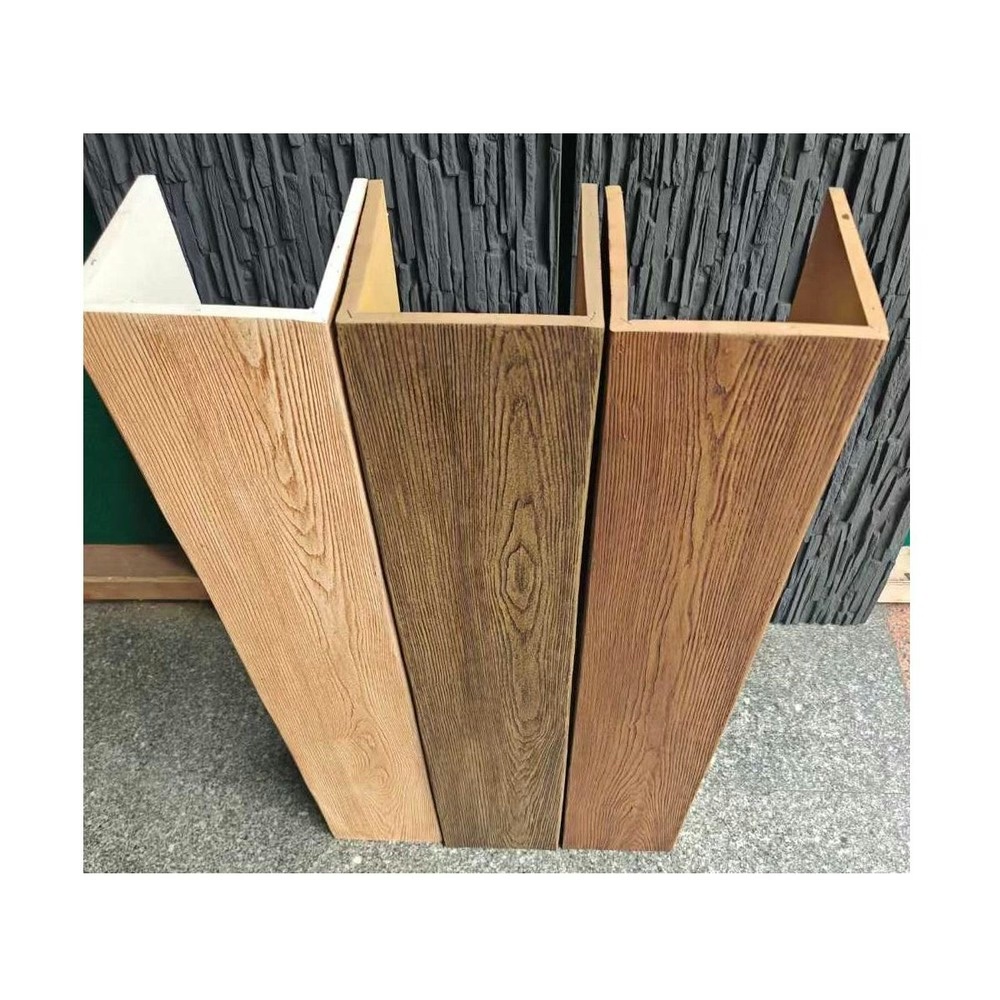
The Approval Process for Tone-Matched Beams
Approving beam color in the wrong lighting environment is the most common reason for color dissatisfaction. The correct process is:
- Factory sample review. Confirm the stain formulation and texture under factory standard lighting.
- Site lighting confirmation. Confirm the exact light fixtures, color temperature, and beam angle.
- Site mock-up. Install one beam section in the actual space under the actual lighting conditions.
- Review at multiple times of day. Review the beam appearance at morning, midday, and evening.
- Written approval. Once approved, get written approval referencing the specific sample piece.
Integrating Beams With Recessed Lighting
Many ceiling beam installations include recessed downlights between or within the beams. The relationship between the light and the beam must be coordinated. Light cut-out position should be such that the beam's texture is visible without being lost in the fixture's spill light. We can supply beams with a pre-routed channel sized to accept the light fixture trim for a clean integration.
Tone-matched beams require collaboration between the designer, the lighting designer, and the beam manufacturer. The investment in this collaboration pays off in a finished space where the ceiling looks like it was always meant to be there.
Technical References
ASTM standards cited in every specification
Test Data
Lab results from internal testing program
Updated 2026
Reviewed against current product specs


