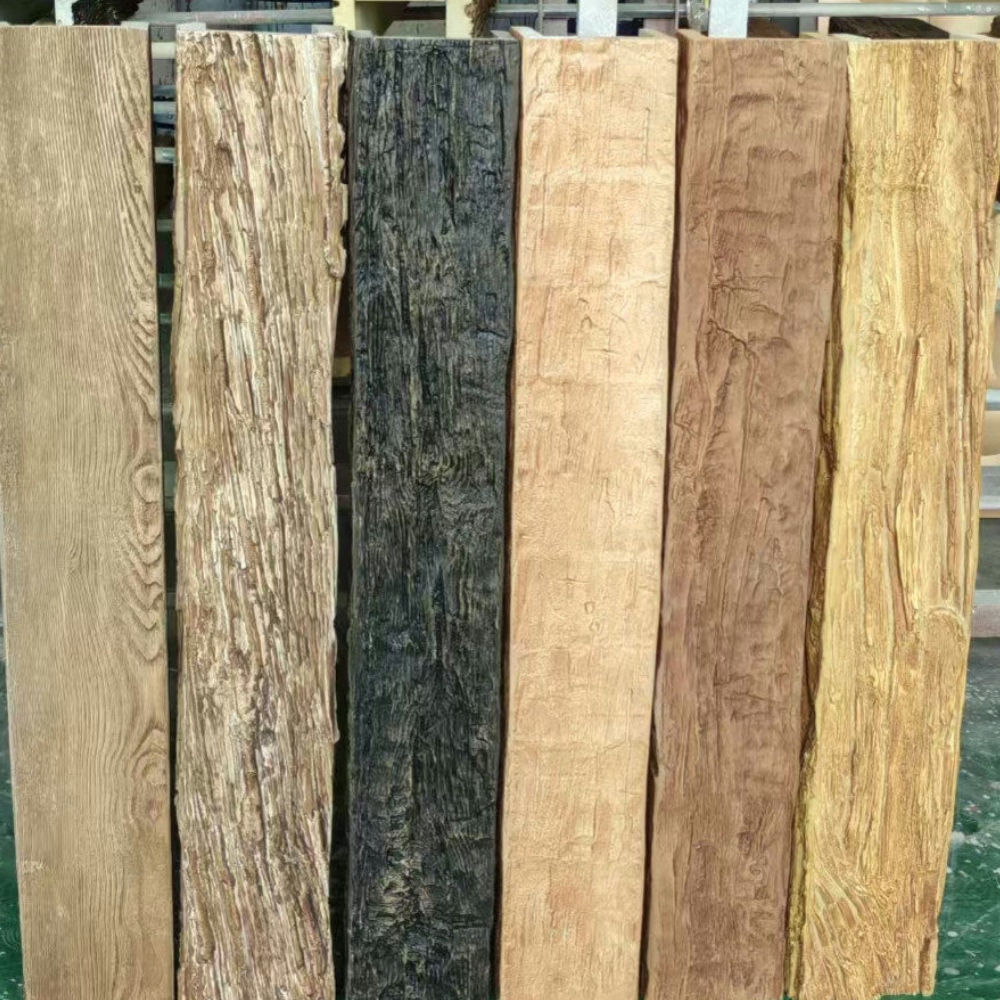
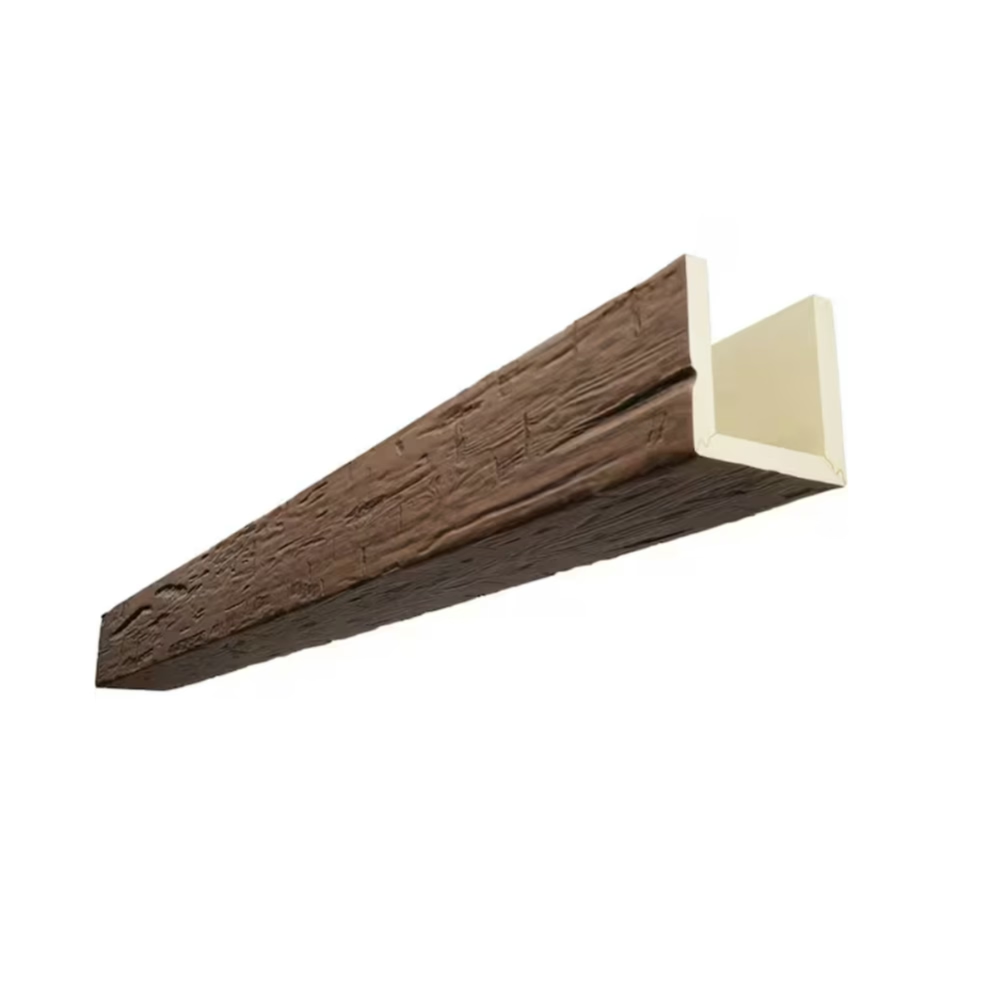
Interior design moves in cycles. The clean, uniform finishes of the 1990s gave way to the textured, multi-layered aesthetic of the 2000s, which has evolved into something more considered: a balance between texture and restraint, between the natural variation of real materials and the intentionality of modern design. Custom two-tone finish PU faux wood beams sit at this intersection. They offer the visual depth of natural material variation while remaining firmly under the designer's control. The result is a beam that feels crafted, not catalog.
Why Two-Tone Works as a Design Tool
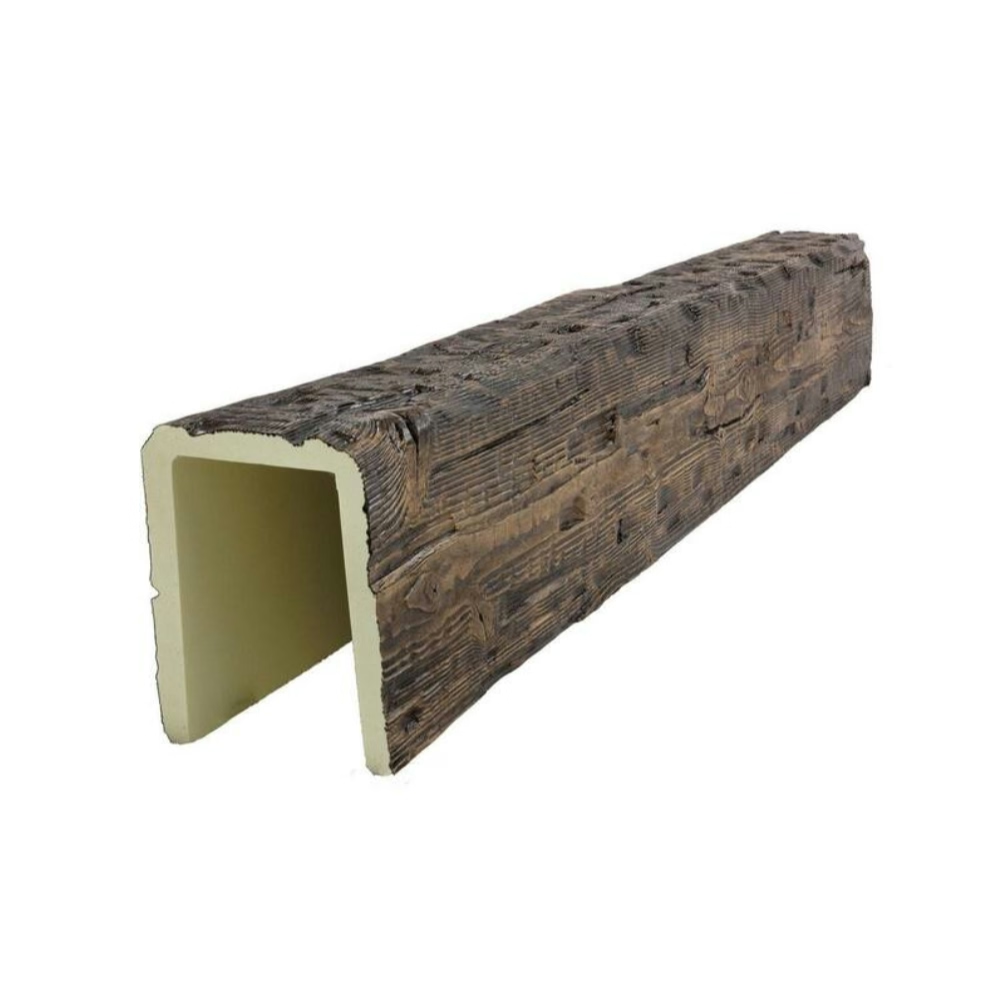
A single-tone stained beam imitates wood. A two-tone beam does something more: it interprets wood. The second color adds a layer of visual information that the eye reads as depth. This depth is what makes the beam look convincing, because real wood has exactly this kind of tonal variation.
The designer's control over the second color is the key advantage over natural material. With real wood, the variation is random. With a two-tone faux beam, the variation is designed. The designer chooses the contrast level, the color relationship, and the visual effect.
The Psychology of Two-Tone
Two-tone finishes work on an emotional level because they create the impression of history. A beam that has exactly two tones looks like it was made, finished, and has been in place long enough to develop a consistent pattern of wear.
The contrast level affects the emotional register. Subtle two-tone (a half-step darker in the grain valleys) reads as premium wood, like a well-finished piece of furniture. Moderate two-tone (a clear tonal difference between face and grain) reads as natural wood with authentic character. Dramatic two-tone (a stark contrast between two colors) reads as a design statement.
Why Two-Tone Outperforms Single-Tone in Styled Interiors
Two-tone finishes photograph better than single-tone finishes. In an era where interior design is experienced primarily through screens, a finish that photographs well is a finish that sells. The second color creates shadow and highlight patterns that the camera reads as texture.
The second color also compensates for lighting inconsistency. A room lit by warm Edison bulbs in the evening and cool daylight in the morning will make a single-tone beam look different at different times. A two-tone beam, with its built-in contrast, reads as more consistent because the relationship between the two colors is maintained even as the overall tone shifts.
Choosing the Right Pairing
The two-tone pairing should relate to the room's color story. Coordinate with flooring (dark floors work with a dark grain color; light floors work with a mid-tone face and slightly darker grain). Contrast with wall color (if the walls are mid-tone, the beam should be darker or lighter). Respect the room's warmth (warm rooms benefit from warm-toned pairings; cool rooms benefit from cooler pairings). Connect to upholstery and soft furnishings (a two-tone beam can bridge between floor color and upholstery color).
The Technical Process Behind Two-Tone Finishes
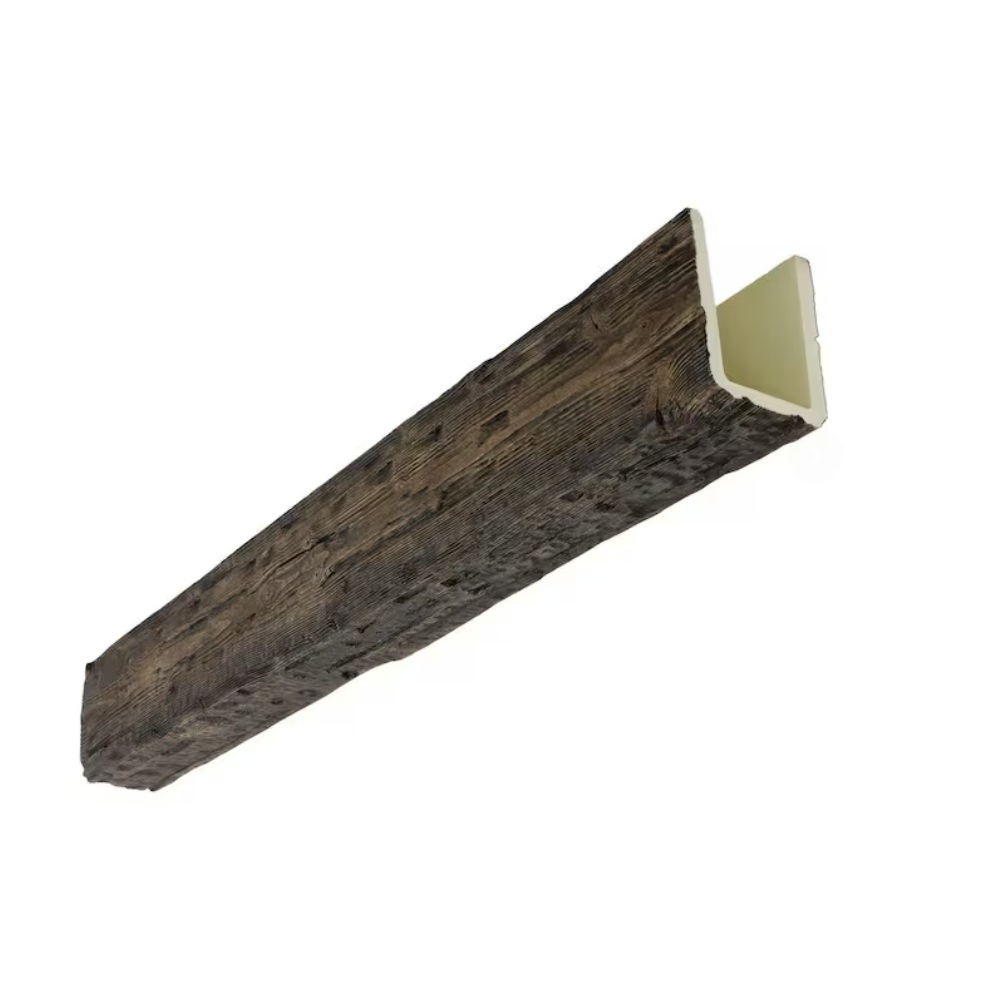
Understanding how two-tone finishes are applied helps when specifying them. The first coat (the base stain) is applied uniformly. The second color is applied differently depending on the technique. For grain enhancement, a semi-transparent stain is sprayed and wiped with a cloth, leaving color in the grain valleys. For shadow band techniques, a masking template is applied and the second color is sprayed in the unmasked area. For end contrast, the end faces are masked before the base coat, then the second color is applied to the ends.
Maintaining Two-Tone Finishes
Two-tone finishes are maintained the same way as single-tone finishes, with one additional consideration: if a repair is needed, both colors must be repaired consistently. The clear coat protects both colors and provides protection. Annual cleaning with a soft brush removes dust from the grain valleys.
Custom two-tone finish PU faux wood beams are for designers who understand that the ceiling is part of the room's color story, not a separate element. A well-designed two-tone beam contributes to the room's depth and richness in a way that a catalog finish cannot.
Technical References
ASTM standards cited in every specification
Test Data
Lab results from internal testing program
Updated 2026
Reviewed against current product specs