International trade in construction materials involves regulatory complexity that domestic transactions never encounter. Customs procedures, export controls, import duties, and trade documentation requirements vary across countries and change frequently as governments adjust policies. Professional customs clearance support transforms this complexity from obstacle into manageable process, enabling businesses to participate in global markets without building extensive in-house trade compliance capabilities.
Export documentation forms the foundation of successful international shipments. Customs authorities in destination countries require specific documents that verify product descriptions, quantities, values, and origins. These documents include commercial invoices that declare transaction values, packing lists that detail contents, certificates of origin that establish manufacturing location, and shipping documents that track goods through transportation. Professional clearance support ensures that documents complete accurately, meet destination requirements, and present consistently to customs officials.

Harmonized System codes classify products for international trade purposes, determining duty rates and regulatory requirements across borders. Polyurethane architectural products occupy specific classification positions that experienced professionals understand. Incorrect classification can result in excessive duties, shipment delays, or compliance penalties that proper classification would have avoided. Professional clearance services verify appropriate HS coding that satisfies both exporting and importing country requirements.
Export controls restrict shipment of certain products to specific destinations, entities, or individuals based on national security, foreign policy, or trade objectives. While polyurethane beams generally face minimal export control restrictions, shipments to sanctioned countries or parties require verification that destinations and end users comply with applicable regulations. Professional support maintains current knowledge of export control requirements that general business operators cannot track independently.
Import duties and taxes vary substantially across countries, influencing landed costs that affect competitive positioning in different markets. Professional clearance services calculate expected duty liability, advise on tariff avoidance strategies where legitimate options exist, and ensure that duty payments occur appropriately. This expertise prevents surprise costs that could undermine project economics and ensures compliance with import regulations that vary across destinations.
Product compliance with destination country standards requires verification that shipments meet applicable requirements. Fire ratings, material safety certifications, and environmental standards differ across jurisdictions, with authorities in some countries requiring proof of compliance before allowing entry. Professional clearance services verify that documentation demonstrates compliance with destination requirements, preventing shipments that cannot clear customs due to missing certifications or unverified claims.
Freight mode selection affects customs processing timelines and cost efficiency for beam shipments. Ocean freight offers cost efficiency for large volumes but longer transit times and more complex port handling. Air freight provides speed but higher costs that may not suit bulky architectural products. Professional logistics planning weighs these factors alongside customs considerations, selecting shipping approaches that balance total cost against service requirements and clearance complexity.
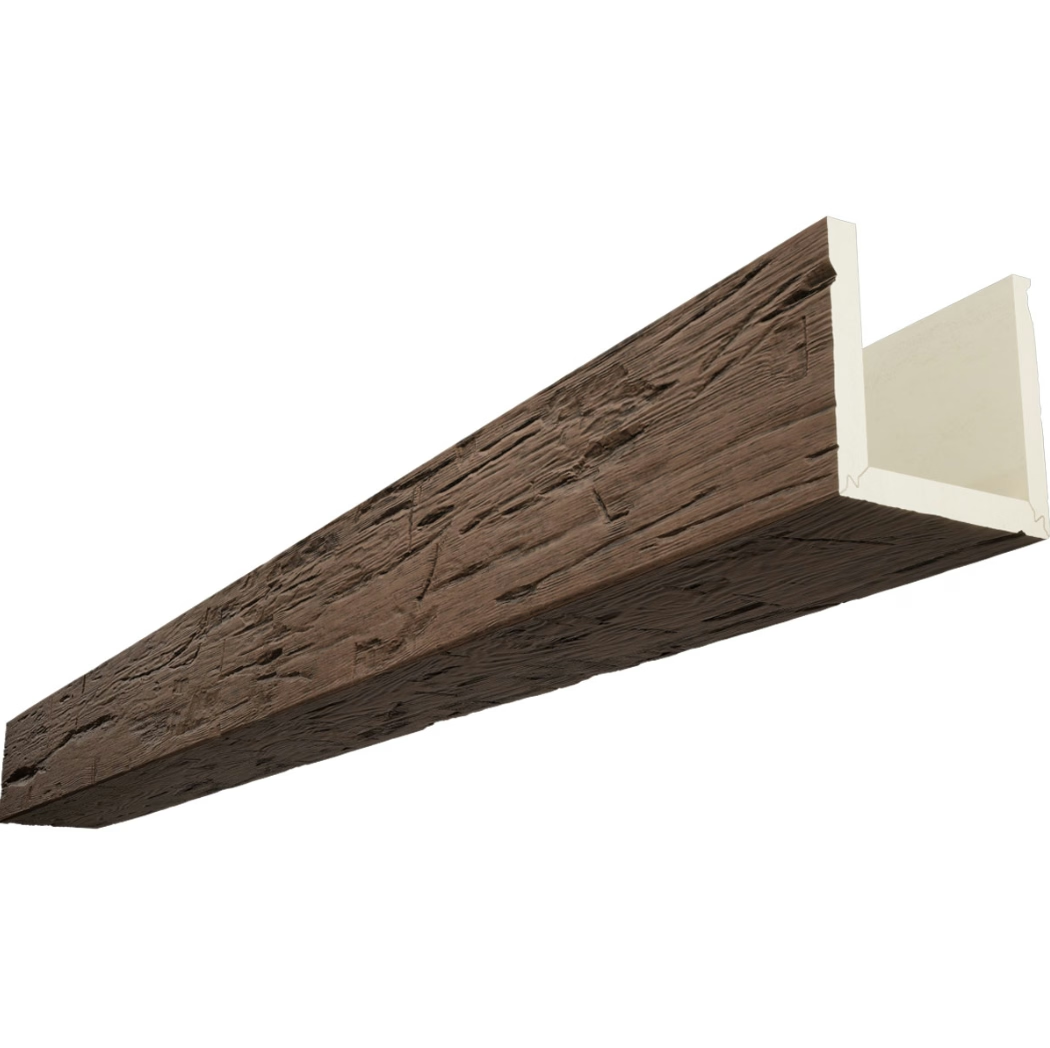
Container loading optimization reduces shipping costs while protecting products through transit. Polyurethane beams' length and fragility require careful loading that maximizes container utilization without risking damage. Professional loading plans position beams to resist transit stresses, use appropriate blocking and bracing, and organize loading that enables efficient unloading. These loading practices prevent the damage claims and delivery delays that poorly loaded shipments create.
Tracking and visibility systems inform stakeholders regarding shipment progress through international transit. Professional clearance services provide tracking information that updates as shipments pass through ports, transfer facilities, and customs inspections. This visibility enables planning for receipt, identifies delays before they cause problems, and documents delivery timelines for contractual purposes. Without professional tracking, businesses operate blind regarding shipment status that affects customer commitments.
Discrepancy resolution addresses problems when shipments encounter customs examination, documentation mismatches, or regulatory questions. Professional clearance services manage these situations constructively, providing required information, arranging inspections, and resolving questions that might otherwise result in shipment delays or penalties. The expertise to navigate discrepancies distinguishes professional support from basic shipping services that cannot address complex issues.
Relationship building with customs authorities and port officials provides long-term benefits that transactional shipping cannot achieve. Professional clearance services develop relationships through consistent, compliant operations that establish reliability. These relationships facilitate smoother processing, more cooperative problem resolution, and advance notice of regulatory changes that might affect future shipments. The relationship capital that professional services build benefits clients repeatedly over time.
Technical References
ASTM standards cited in every specification
Test Data
Lab results from internal testing program
Updated 2026
Reviewed against current product specs