
The distinction between "dark painted" and "dark natural wood tone" matters more than it might seem. A painted dark finish — flat black, charcoal, deep gray — sits on the surface. A natural wood tone, even a dark one, carries the visual language of a natural material: growth rings, grain lines, color variation across the surface, a quality of light absorption that painted surfaces don't replicate.
In luxe moody interiors, the natural wood tone is often the right choice because it adds warmth to the darkness. A room with dark natural wood beams is warmer than a room with black-painted beams, even if both rooms use the same wall color and lighting. The warmth comes from the wood itself.
What "dark natural wood tone" means
When we describe a finish as dark natural wood tone, we mean a finish that replicates the appearance of a dark hardwood species — walnut, aged oak, or ebony-stained maple — in a way that preserves the visual characteristics of natural wood.
The grain is visible and realistic. The color variation across the surface is organic rather than uniform. The highlights and lowlights in the grain create apparent depth that a flat paint finish cannot match. The surface has a slight sheen variation — not glossy, but not flat — that suggests a sealer that has aged naturally rather than a coat of paint.
Our dark natural wood tones are produced by applying a tinted sealer followed by multiple layers of tinted glaze. The process mimics the way a woodworker builds up color in a real wood finish, layer by layer. The result reads as wood at any viewing distance from arm's length to across the room.
How natural dark tones differ from painted darks
The practical differences between a natural wood-tone dark and a painted dark:
Color consistency: A painted dark surface is the same color everywhere. A natural wood-tone dark has subtle color variation across the grain — lighter in the open grain, darker in the tight grain, with transitions between that feel organic rather than mechanical.
Texture: Painted dark finishes smooth over surface texture. Natural wood-tone finishes preserve and emphasize it. On a beam with a rough-sawn texture, the natural tone makes the texture more visible. On a smooth beam, it creates the appearance of texture that isn't there physically.
Aging behavior: A painted dark surface shows wear as scratches through the paint to the substrate below. A natural wood-tone dark shows wear as a change in the glaze pattern — the underlying base tone shows through in worn areas. The effect of aged wood is more forgiving than the effect of chipped paint.
Repairability: Both are repairable, but differently. Painted dark finishes are repaired with paint; the repair is invisible if the paint color matches. Natural wood-tone repairs require glaze matching and some artistry; they're more challenging but not impossible.
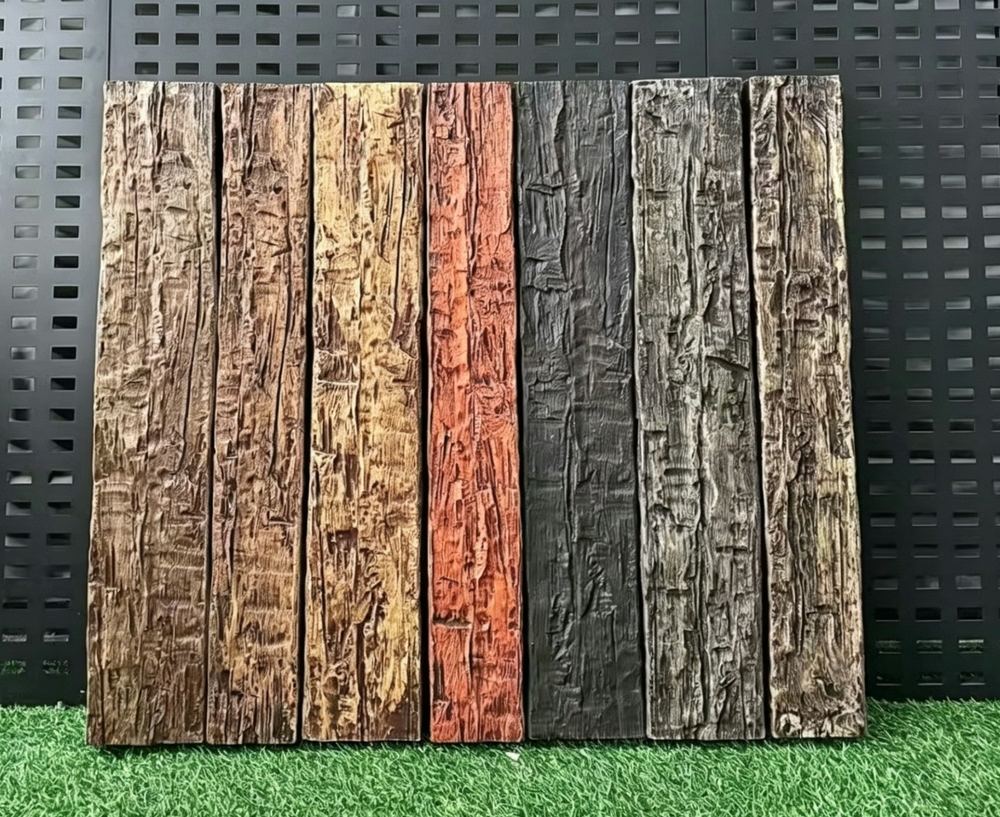
Room types for dark natural wood beams
Luxury master bedroom — A dark natural wood beam ceiling over a low upholstered bed creates a sense of enclosure and intimacy that suits a master suite. The wood tone adds warmth to the darkness; a painted dark ceiling in the same room might feel too masculine or austere.
High-end bar or lounge — Dark natural wood beams over a bar top or lounge seating area signal quality without being formal. The material reads as honest — this is real wood, or something indistinguishable from it — which aligns with the craft cocktail and artisanal design movements that dominate high-end hospitality.
Private dining room — A dark natural wood beam ceiling in a private dining room creates the intimate, focused atmosphere that suits a good meal. The warmth of the wood tone complements candlelight and low artificial lighting.
Boutique hotel lobby — A dark natural wood beam ceiling over a boutique hotel lobby reading area or bar establishes a design vocabulary of quality and warmth that sets the tone for the entire property. It reads as curated rather than standard.
Pairing with other materials
Dark natural wood beams pair most naturally with materials that share their organic quality:
Warm plaster walls — The matte texture and warm tone of plaster complements the wood grain without competing with it. A plaster color in the warm gray to warm taupe range (Munsell 10YR 4/1 to 10YR 5/2) is a strong partner.
Warm stone — Limestone, travertine, and warm-toned marble floors and wall panels share the natural material quality of wood. A dark wood beam over a travertine floor creates a coherent natural material story.
Linen and velvet textiles — In furniture and window treatments, linen and velvet in cream, ivory, or warm charcoal provide textural contrast to the wood beams without introducing a competing material. A linen sofa in natural or ivory against dark wood beams is a classic pairing.
Brass and bronze metals — Warm metallic tones complement the warmth of dark wood. Brass hardware, bronze light fixtures, and aged brass pendant lighting all work with dark natural wood beams. Avoid cool metals — brushed nickel, chrome, and polished stainless — which clash with the warm palette.
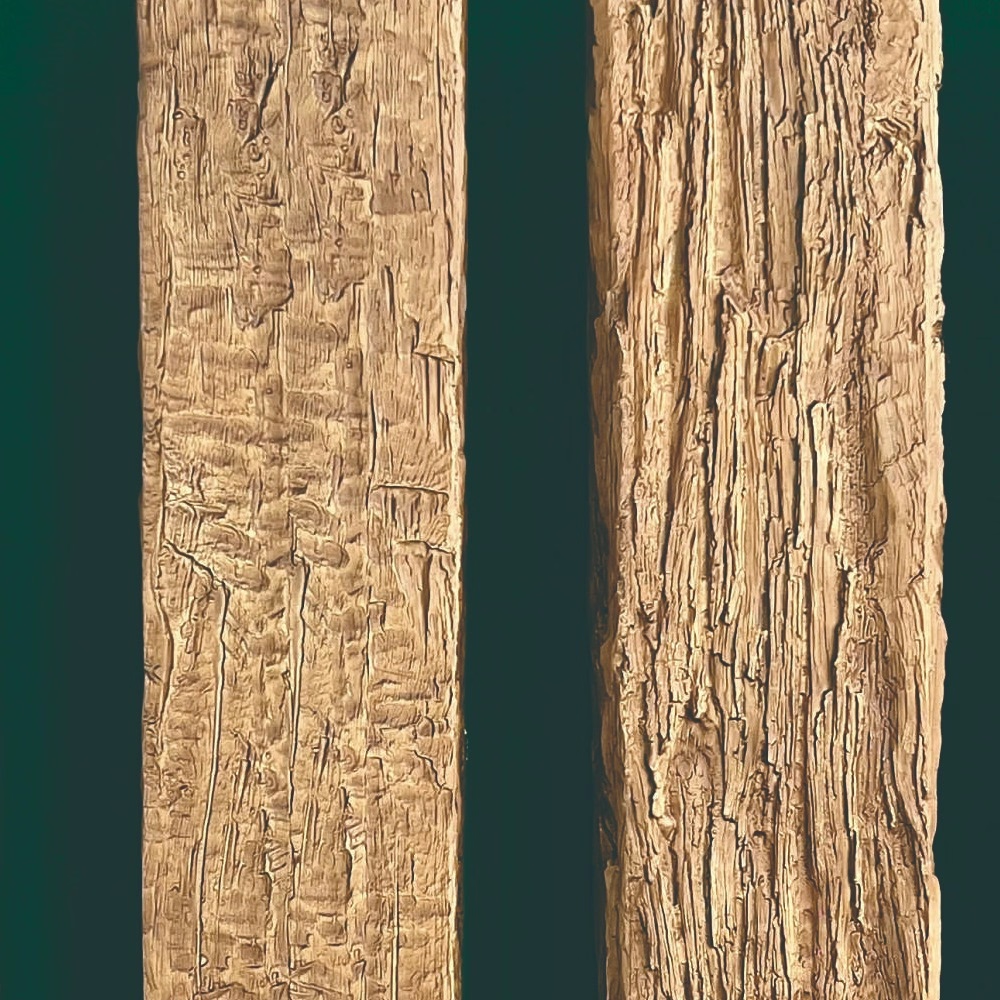
Lighting for dark natural wood interiors
Warm LED lighting is essential in rooms with dark natural wood beams. The color temperature should be 2700K to 3000K — warm white, bordering on candlelight. Cooler temperatures (4000K and above) make the wood tones look gray and lifeless.
The light source should be visible and intentional in a dark natural wood room. Pendant fixtures with warm glass shades, sconces with Edison-style LED bulbs, and directional spotlights aimed at the beams all contribute to the layered, warm lighting that makes the wood tones look their best.
Avoid fluorescent and most commercial-grade LED in these rooms. The color rendering index (CRI) of the light source also matters — a CRI of 90 or above ensures that the wood tones render accurately rather than shifting toward yellow or gray.
The color psychology of the dark natural wood palette
Dark natural wood tones — the warm browns of walnut, aged oak, and rich mahogany — create a specific psychological environment that is distinct from other dark palettes. Unlike cool dark colors (black, charcoal, navy), dark warm wood tones feel alive and organic rather than inert. They suggest age, history, and naturalness in ways that synthetic dark colors cannot.
In interior design terms, dark warm wood tones create what designers call "visual weight" — a sense of groundedness and substance that lighter colors lack. A room with dark wood beams on the ceiling feels more settled, more established, and more permanent than a room with light-colored beams. This quality is particularly valuable in rooms that are meant to feel intimate and focused: dining rooms, libraries, private clubs, and luxury hotel lobbies.
The dark natural wood palette also creates a sense of acoustic warmth. Hard surfaces — glass, concrete, smooth plaster — reflect sound in ways that create echo and harshness. The textured surface of a dark wood beam absorbs and diffuses sound, making the room feel quieter and more conducive to conversation.
Seasonal and temporal variation in natural wood rooms
A room with dark natural wood beams looks different at different times of day and in different seasons. This variation is one of the qualities that distinguishes natural wood from synthetic alternatives.
In morning light, the warm tones of the wood are most pronounced. The low, indirect light catches the grain highlights and makes the beams glow. A room that looks merely pleasant in the afternoon can look extraordinary in the morning light with dark wood beams catching the first sun.
In the evening, artificial lighting brings out the warm undertones of the wood. The beams become richer and more saturated under warm LED or incandescent light. This is the time when the room is most often used and most often seen by guests.
Seasonally, the same room feels different in winter and summer. The warm wood tones feel more appropriate in winter, when the contrast between the cozy interior and the cold exterior is welcome. In summer, the warmth can feel slightly heavy unless the room has good cross-ventilation and the lighting is kept cooler and more restrained.
The natural wood room in different cultural contexts
The appreciation of dark natural wood as a luxury material is not universal, but it is widespread. In European design traditions — particularly in Central Europe, Scandinavia, and the Mediterranean — natural wood has been a premium architectural material for centuries. The association between dark wood and quality, warmth, and craftsmanship is deeply embedded in these cultures.
In East Asian design traditions, natural wood is valued for its connection to nature and its organic warmth. Dark wood finishes — particularly walnut — are associated with formality and quality in Chinese, Japanese, and Korean design. Our dark walnut finish is consistently among the top-requested finishes for projects in these markets.
In North American design, natural wood has fluctuated in popularity over the decades. The dark wood paneling of the 1970s gave wood a dated association that took decades to overcome. The contemporary appreciation for dark wood beams is distinct from that tradition: it is more restrained in application, more refined in finish, and more deliberately paired with contemporary materials.
Matching natural wood beams to existing furniture
One of the most common scenarios for beam specification is a room that already has wood furniture or millwork. The new beams must harmonize with the existing wood without matching it exactly.
The key principle is tonal harmony rather than color matching. A walnut beam doesn't need to match a walnut dining table; it needs to be in the same tonal family — warm brown, medium to dark value — and have a finish quality that is at least as good as the furniture. If the beam finish looks cheaper than the furniture, the room feels mismatched. If the beam finish is equal or superior, the room feels cohesive.
When the existing furniture wood is significantly different from our standard finishes — for example, a cherry wood dining table in a room that would suit walnut beams — we can develop a custom finish that bridges the gap between the two species. This is more complex than matching a standard finish but produces a more sophisticated result than forcing two unrelated woods into the same room.
The natural wood room and resale value
For homeowners considering dark natural wood beams as an investment in their home's value, the good news is that wood beams consistently add perceived value to residential properties. Buyers recognize architectural detail, and a well-designed beam ceiling is one of the most visible and most praised features in a home listing.
The key is to avoid over-personalization. A distressed, heavily rustic beam finish in a contemporary neighborhood may not appeal to the broad buyer pool. A refined, clean-profile dark walnut beam is more universally appealing and adds more value across a wider range of buyer preferences.
For homeowners who plan to stay in their home for many years, the beams are a personal design choice that should reflect their own taste rather than resale considerations. The psychological value of living in a beautifully designed space often outweighs the marginal difference in resale value between one finish choice and another.
Technical References
ASTM standards cited in every specification
Test Data
Lab results from internal testing program
Updated 2026
Reviewed against current product specs


