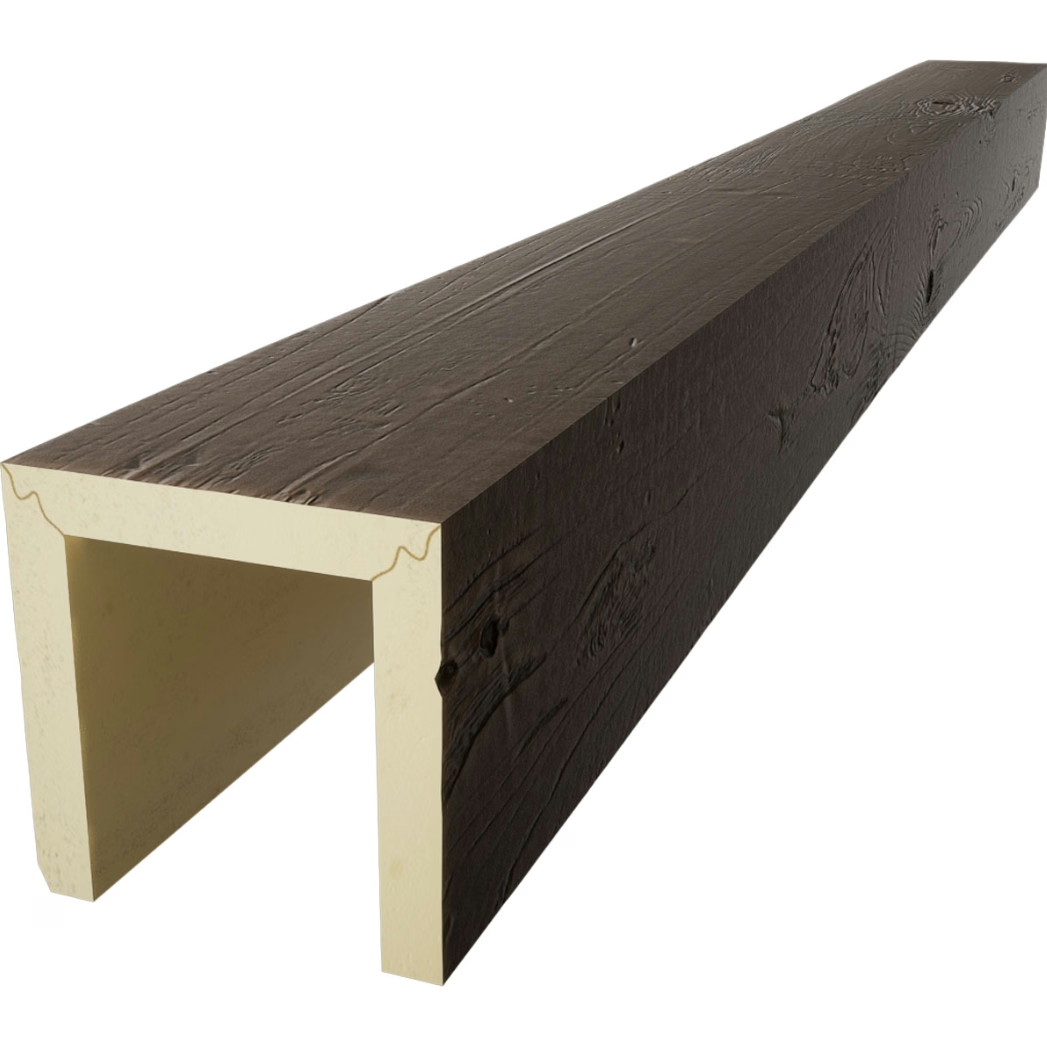
The dining room is a space of intention. Unlike the kitchen, which is functional and often chaotic, or the living room, which accommodates the full range of daily activity, the dining room is reserved for something more deliberate: meals shared with intention, conversation conducted at an unhurried pace, and the ritual of sitting down together. The design of a dining room should support that sense of occasion. Dark walnut finish polyurethane faux beams do this by bringing richness, warmth, and architectural formality to the ceiling — a surface that is otherwise easy to neglect.
Dark walnut is a finish that reads as serious and established. Its deep brown tones, sometimes with subtle reddish or purple undertones, evoke the warmth of aged mahogany and the polish of traditional furniture-making. When this finish appears on ceiling beams, it elevates the room's overall character without requiring the room itself to be formal in its furnishings. A casual farmhouse table looks more intentional beneath dark walnut beams; a sleek modern table looks more grounded.
The Case for Dark Walnut in the Dining Room
Dark finishes on ceilings are often avoided because they are perceived as making a room feel smaller or darker. In a dining room, this concern is less relevant than it might be in a bedroom or living room. Dining rooms are used primarily in the evening, when artificial lighting is the primary source of illumination, and the evening hours are exactly when a rich, warm ceiling color contributes most to the atmosphere. The dark walnut beams absorb and soften the overhead light, creating a pool of warmth that centers the room and draws people into the space.
The psychological effect of a dark ceiling is worth understanding. A light ceiling creates a sense of openness and airiness. A dark ceiling creates a sense of enclosure and intimacy. For a dining room, where the goal is to create an environment conducive to conversation and connection, enclosure is not a problem — it is an asset. The dark beams create a sense of being in a distinct space, separate from the rest of the home, which supports the ritual of gathering for a meal.
Pairing Dark Walnut Beams with Wall Colors and Finishes
The walls surrounding dark walnut beams should provide enough contrast to prevent the room from feeling monochromatic while maintaining the sophisticated tone set by the ceiling. A warm white or cream wall creates a clean, classic contrast that lets the beams stand out clearly. The contrast between the dark ceiling and the light walls establishes a visual hierarchy that feels both traditional and balanced.
For a more dramatic approach, consider a deep wall color: a rich navy, a dark forest green, or a charcoal gray. These colors push the room further toward intimacy and drama, creating a dining space that feels like a private club or an exclusive restaurant. In these configurations, the dark walnut beams are not a contrast against the walls — they are an extension of the dark palette, adding texture and dimension to what would otherwise be a flat dark surface.
A wallpapered wall can add pattern and visual interest without disrupting the sophistication of the dark beam ceiling. A subtle damask, a delicate stripe, or a fine geometric pattern in a muted tone works well. Avoid busy patterns or bright colors, as these compete with the beams for visual attention and dilute the room's sophisticated character.
Beam Configurations for the Dining Room
The Central Cross Beam
A pair of beams crossing at the center of the dining room ceiling is perhaps the most traditional configuration for a formal dining space. The cross creates a natural focal point directly above the dining table, organizing the room around the act of shared meals. A chandelier or pendant light hung at the intersection point reinforces this centering and provides task lighting for the table surface.
For this configuration, the beams should extend far enough in both directions to feel intentional — not just spanning the table area but continuing to the room perimeter. Beams that stop short of the walls feel incomplete. Beams that reach the walls feel like a considered architectural feature.
The Parallel Pair Along the Table Axis
For long, narrow dining rooms, a parallel pair of beams running along the length of the room and above the table creates a sense of direction and procession. This configuration works best when the table is the only or primary furniture piece in the room, and it makes the act of sitting at the table feel like the central event of the space.
The spacing of the beams should relate to the table width. Two beams flanking the table at equal distances create a visual frame that draws the eye to the table as a unit. This is especially effective when the table is a statement piece — a large farmhouse table or an elegant extendable dining table in a natural wood finish.
Perimeter Box Beam Treatment
A box beam installed around the perimeter of the dining room ceiling creates a frame that defines the room's boundaries and adds architectural detail without occupying the central ceiling plane. This configuration leaves the center of the ceiling open for a statement light fixture while the beams provide warmth and texture around the edges. It is an approach that works well in rooms with multiple seating areas or an open-plan layout where the dining space needs a clear visual boundary.

Lighting the Dark Walnut Beam Ceiling
Lighting design for a dining room with dark walnut beams must address two requirements simultaneously: the table surface needs adequate illumination for dining tasks, and the ceiling needs to feel warm and inviting rather than dark and oppressive.
A statement chandelier is the most natural choice for this application. The fixture itself becomes a decorative element that contrasts with the dark beams while relating to them through material or finish. A fixture with brass, bronze, or warm nickel hardware picks up the warm undertones in the walnut finish and creates a visual connection between the lighting and the ceiling.
For the general room lighting, consider recessed fixtures in a warm color temperature installed in the ceiling panels between the beams. These provide ambient illumination that bounces off the ceiling plane and fills the room with warm light without creating glare or competing with the beam aesthetic. A dimmer control is essential in a formal dining room, allowing the room to shift from bright and functional during meal preparation to intimate and atmospheric during the meal itself.
Trade Considerations for the Dining Room Segment
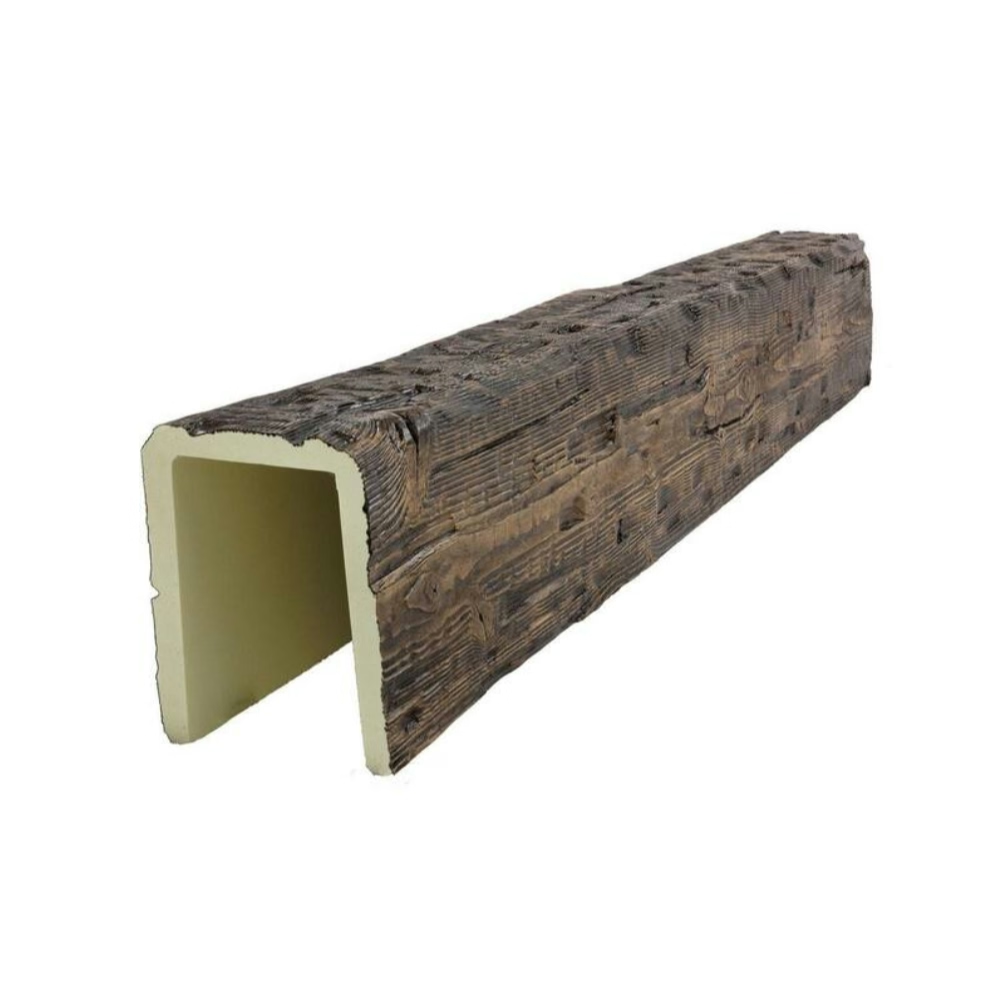
The dining room is a high-visibility space that homeowners and designers approach with care. Purchases for dining room applications tend to be more considered and less impulse-driven than those for secondary spaces, which means customers in this segment are more likely to value quality over price. For trade buyers, this creates an opportunity to position premium finishes — such as dark walnut — at appropriate price points.
Providing styling guidance for the dining room application is particularly valuable. Show the beams in context with formal dining furniture, appropriate lighting, and thoughtful wall and floor treatments. A well-presented room set or mood board demonstrates the product's potential and gives customers the confidence to invest in a more sophisticated finish.
Technical References
ASTM standards cited in every specification
Test Data
Lab results from internal testing program
Updated 2026
Reviewed against current product specs


