
Warm taupe is the interior design world's reliable workhorse — a color that goes with almost everything, reads as sophisticated rather than bland, and provides enough neutrality to let other design elements take center stage. But taupe without contrast can feel unresolved. It needs something anchoring it, something with enough visual weight to give the room structure. Dark wood beams are that anchor.
The color relationship
Taupe sits at the intersection of gray and brown — a neutral with warm undertones that prevents the cool, clinical feeling that pure gray can create. Our warm taupe falls in the Munsell range of approximately 10YR 5/1 to 10YR 6/1 — a medium-light value with a warm gray character.
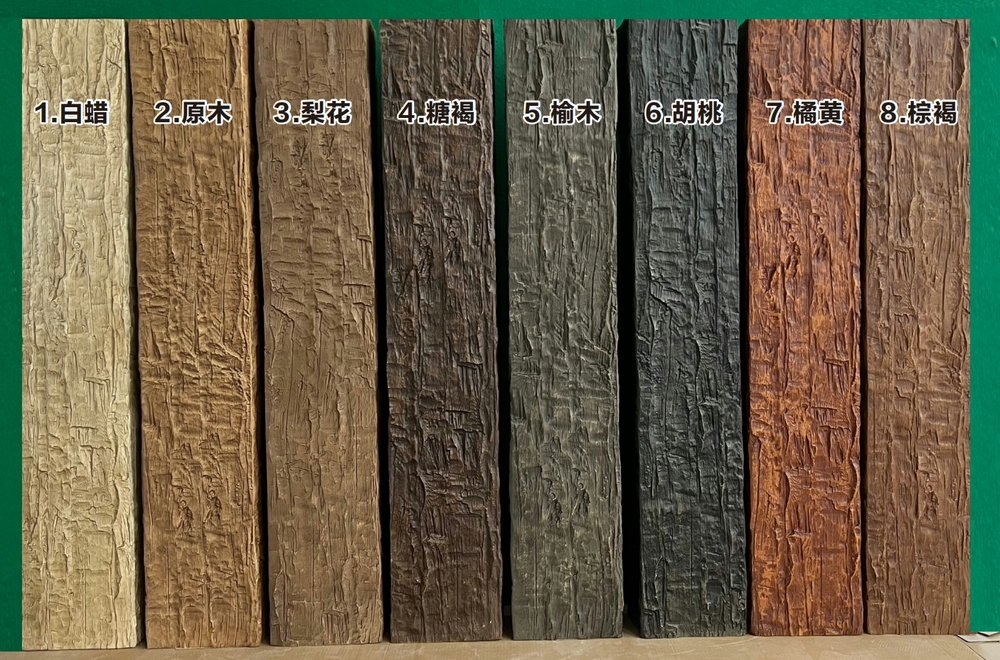
Dark wood beams — walnut, espresso, dark oak — sit at the opposite end of the value scale. The contrast is not just color contrast; it's value contrast. The beams are dark; the walls are medium-light. This value contrast is what makes the pairing work visually, regardless of the specific colors involved.
The warmth of the taupe is what makes the pairing successful. Cool gray walls with dark beams can feel discordant because the warmth of the wood clashes with the coolness of the gray. Warm taupe and dark wood share warmth, which creates harmony even in contrast.
Why dark beams, not light beams, on taupe walls
Light wood beams on taupe walls would create a tonal match — both light-medium — that lacks visual interest. The room would feel flat and underdefined. The eye needs contrast to find a space interesting, and the contrast between dark ceiling beams and medium-light walls provides exactly that.
The ceiling is typically the darkest horizontal plane in a room. If the ceiling is the same value as the walls, the room has no visual hierarchy. Dark beams on taupe walls create a ceiling plane that is darker and more defined than the wall plane, which is the correct visual relationship for a room with character.
Dark beams also create perceived depth. The dark surface appears to recede visually, which makes the ceiling feel higher than it is. In rooms with 9 to 10 foot ceilings, this depth effect is subtle but measurable. In rooms with lower ceilings, it's more pronounced.
Design examples across room types
Contemporary living room — Warm taupe walls, dark walnut beams on the ceiling, a light gray linen sofa, a dark wood coffee table, and brass accent lighting. The material palette is cohesive: taupe and walnut are both warm neutrals, and the brass provides a warm metallic accent that ties everything together.
Minimalist bedroom — Taupe walls, dark espresso beams, a charcoal upholstered bed, white linens, and a single statement pendant in aged brass. The room is restrained but not cold, and the dark beams add the visual weight that prevents it from feeling washed out.
Transitional dining room — Taupe walls with white trim, dark oak beams in a simple parallel layout, a mix of dark wood and upholstered dining chairs, and a statement chandelier with warm Edison bulbs. The beams add traditional character to a room that might otherwise feel too contemporary.
Modern farmhouse kitchen — Taupe shiplap walls, dark walnut beams over a kitchen island, white cabinetry, black matte hardware, and open shelving. The beams ground the kitchen visually and provide the rustic warmth that distinguishes a farmhouse kitchen from a generic contemporary one.
Achieving balance: how much dark is too much?
The risk in pairing dark beams with taupe walls is overdoing the darkness. A room with dark beams, dark furniture, and dark floors becomes a dark room rather than a balanced one. The taupe walls must function as the light counterpoint in the room — they should remain visibly light against the beams and floor.
The balance is achieved through the floor, the furniture, and the lighting. If the beams are dark and the walls are taupe, the floor should generally be medium to light to provide a vertical tonal gradient. A dark floor with dark beams and taupe walls is heavy. A light floor with dark beams and taupe walls is airy.
In practice, most successful dark-beam, taupe-wall rooms have a medium to light floor — light oak, blonde wood, or light stone — with furniture that spans the tonal range from medium (upholstered pieces in charcoal or slate) to light (white or cream accent pieces).
Lighting considerations
The warm undertones in taupe walls are revealed by warm lighting. A room with taupe walls and dark beams lit by cool white fluorescent or LED will look flat and slightly green-tinged. The warm lighting (2700K to 3000K) brings out the brown in the taupe and makes the dark wood tones look rich.
In rooms with significant natural light, the natural light will shift the taupe walls throughout the day. Morning light is warmer and more golden; afternoon light is more neutral. The dark beams should look good under both conditions — they do, because the wood grain has sufficient depth to remain interesting regardless of the light temperature.
Specification for designers
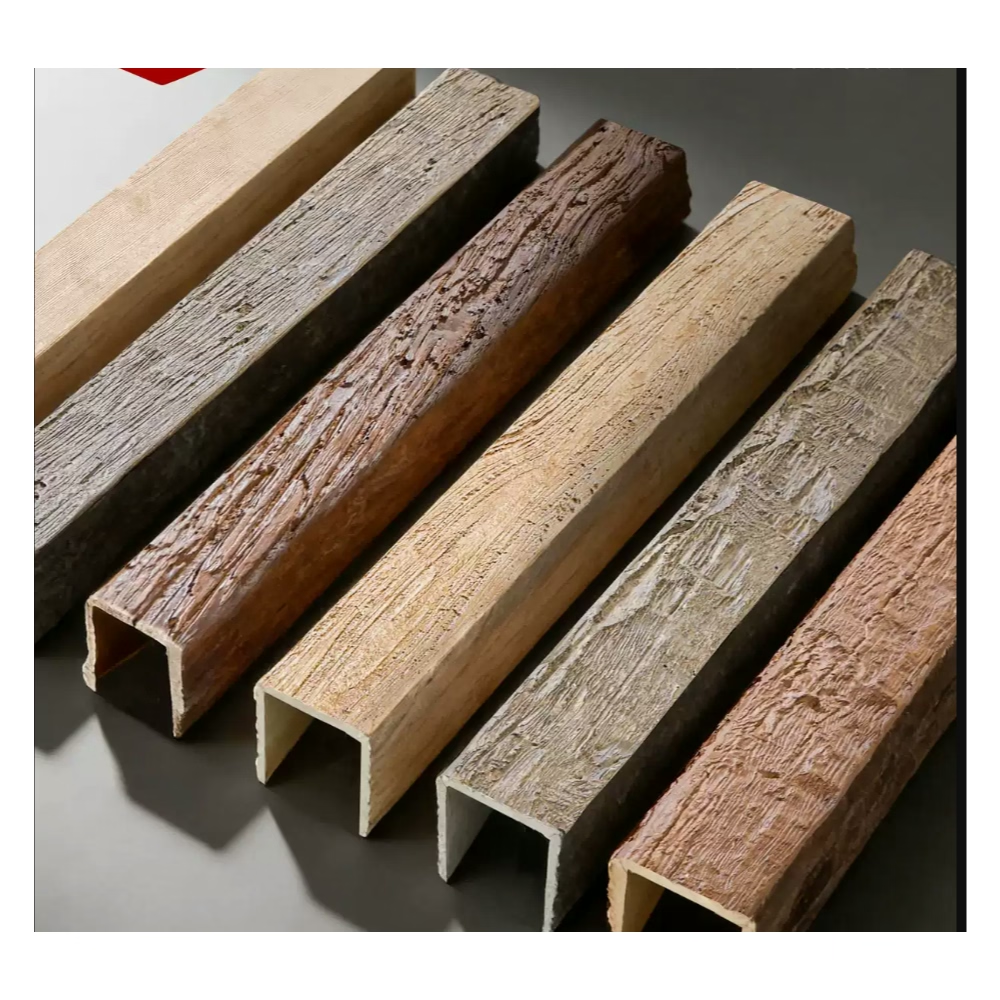
When specifying dark beams against taupe walls, the safest approach is to select a beam finish that is clearly darker than the wall color. The beam should be at least two to three steps darker than the wall on the Munsell value scale. If the walls are 10YR 6/1, the beams should be approximately 10YR 3/1 or darker.
For importers and designers selecting beam finishes for projects with warm taupe walls, we recommend our dark walnut or espresso multi-tone finishes as the most reliable options. Both are warm enough to harmonize with the taupe and dark enough to provide the necessary contrast.
Furniture and textile coordination
The furniture and textiles in a dark-beam, taupe-wall room should span the tonal range from dark to light, creating a gradient that the eye moves through naturally. A room that is entirely dark and taupe — beams, walls, furniture, floor — lacks visual interest and feels monochromatic.
The recommended gradient:
Darkest zone — The ceiling and beams. This is the darkest plane because it is the most remote from the eye and can absorb darkness without making the room feel enclosed.
Medium-dark zone — The floor and any built-in millwork: bookshelves, media units, cabinetry. Dark walnut or dark oak floors anchor the room while connecting to the beam finish.
Medium zone — The upholstery and larger furniture pieces: sofa, armchairs, bed frame. Charcoal gray, warm slate, or dark brown leather upholstery maintains the warm palette without matching the beam or the wall.
Lightest zone — The accent pieces: throw pillows, blankets, art frames, table lamps. Cream, ivory, warm white, and soft gold accents provide the visual relief that prevents the room from feeling heavy.
Window treatment pairing
Window treatments in a dark-beam, taupe-wall room should balance the room's warmth with practical light control. The options that work best:
Heavy linen drapes in ivory or cream — These add texture and softness while maintaining the light accent palette. Linen filters light more gently than heavy blackout fabrics, which can make a dark room feel even darker.
Warm-toned woven wood shades — Woven wood shades in a warm bamboo or jute tone add natural texture that complements the beam finish. They provide privacy while maintaining a connection to the natural material palette.
Dark wood or dark metal blinds — For rooms requiring full blackout capability, dark wood or matte black metal blinds provide the necessary light control without introducing a competing color. These work best in media rooms or bedrooms.
Layered treatments — A sheer liner with a heavier overlay drapery allows flexible light control. The sheer layer softens daylight; the overlay provides privacy and darkness when needed.
The psychology of dark and warm
The combination of dark ceiling beams and warm taupe walls creates a specific psychological effect: the room feels enclosed and protected, but not cold or isolating. The darkness of the ceiling creates a sense of shelter — the room is a refuge from the bright world outside. The warmth of the taupe and the wood tones prevent the darkness from feeling threatening.
This combination works particularly well in rooms where people want to feel relaxed and unhurried: living rooms, bedrooms, libraries, and dining rooms. It is less appropriate in kitchens, where bright, energizing environments are usually preferred, and in home offices, where the psychology of the space should support alertness and focus rather than relaxation.
Practical room-by-room application
Living room — The dark beam and taupe wall combination is most natural in a living room. The room can be arranged with a mix of dark and light furniture, with the beams providing the visual anchor that ties the arrangement together.
Master bedroom — A dark beam ceiling in a bedroom with taupe walls creates the cocooning effect that promotes sleep and relaxation. The beams should be positioned over the bed rather than dominating the entire ceiling, so the room feels enclosed above the sleeping area but open over the rest of the space.
Library or study — This combination is exceptionally well suited to a library. The warmth of the taupe and the richness of the dark beams create the scholarly atmosphere appropriate for a serious work or reading space. Deep brown leather furniture and brass lighting complete the picture.
Dining room — A dining room with dark beams and taupe walls requires careful lighting to create the right atmosphere for meals. A central chandelier with warm Edison bulbs, supplemented by wall sconces, provides the layered lighting that makes the room feel intimate and conducive to conversation.
Long-term design considerations
A room designed with dark beams and taupe walls is a long-term commitment. Both elements — the beam finish and the wall color — are significant enough that changing them is a major undertaking. The design should be chosen with an eye toward the room's future use and the preferences of future occupants.
If the room is in a home that may be sold, the combination is generally appealing to a broad range of buyers. Dark beams add architectural character that is desirable in the resale market, and taupe is neutral enough to allow buyers to introduce their own furniture and accent colors.
If the room is in a long-term home, the combination is a statement of personal taste that will evolve with the occupants. Adding lighter accents over time, shifting the furniture style, or introducing new textures can refresh the room without changing its fundamental character.
Technical References
ASTM standards cited in every specification
Test Data
Lab results from internal testing program
Updated 2026
Reviewed against current product specs


