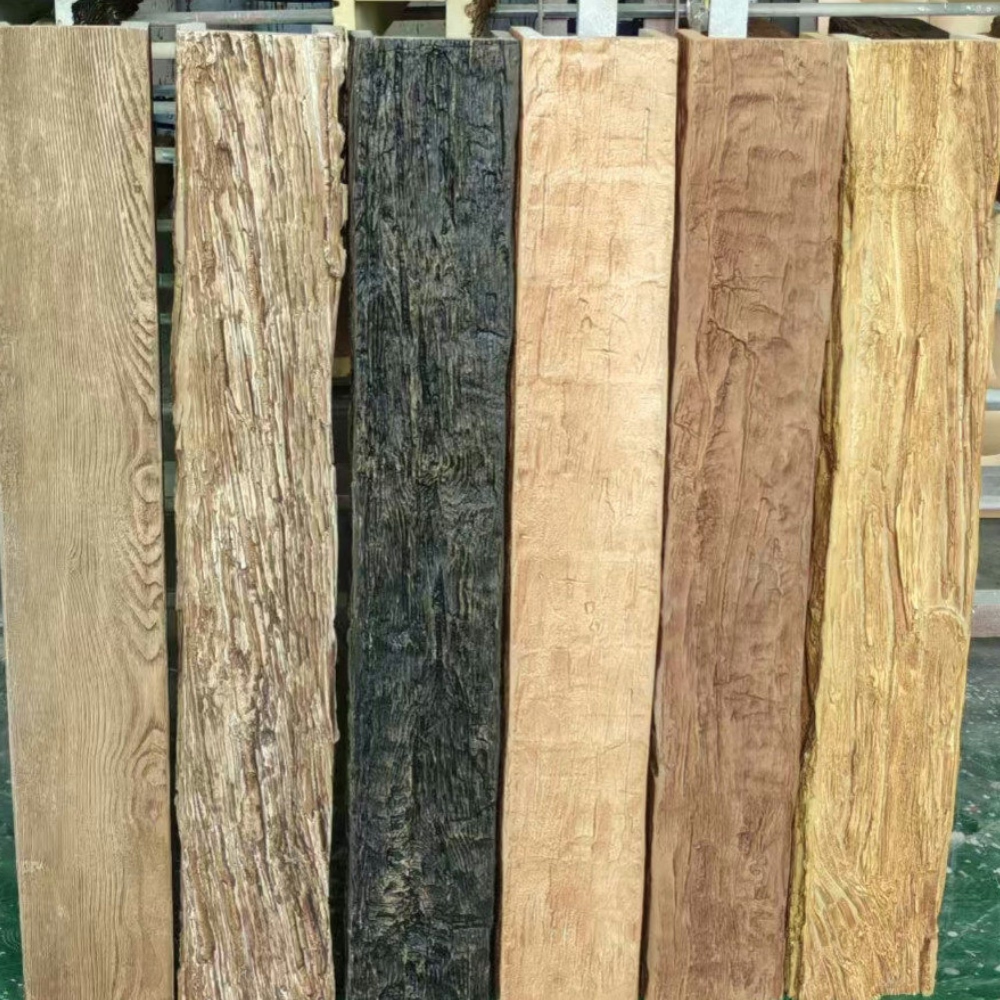
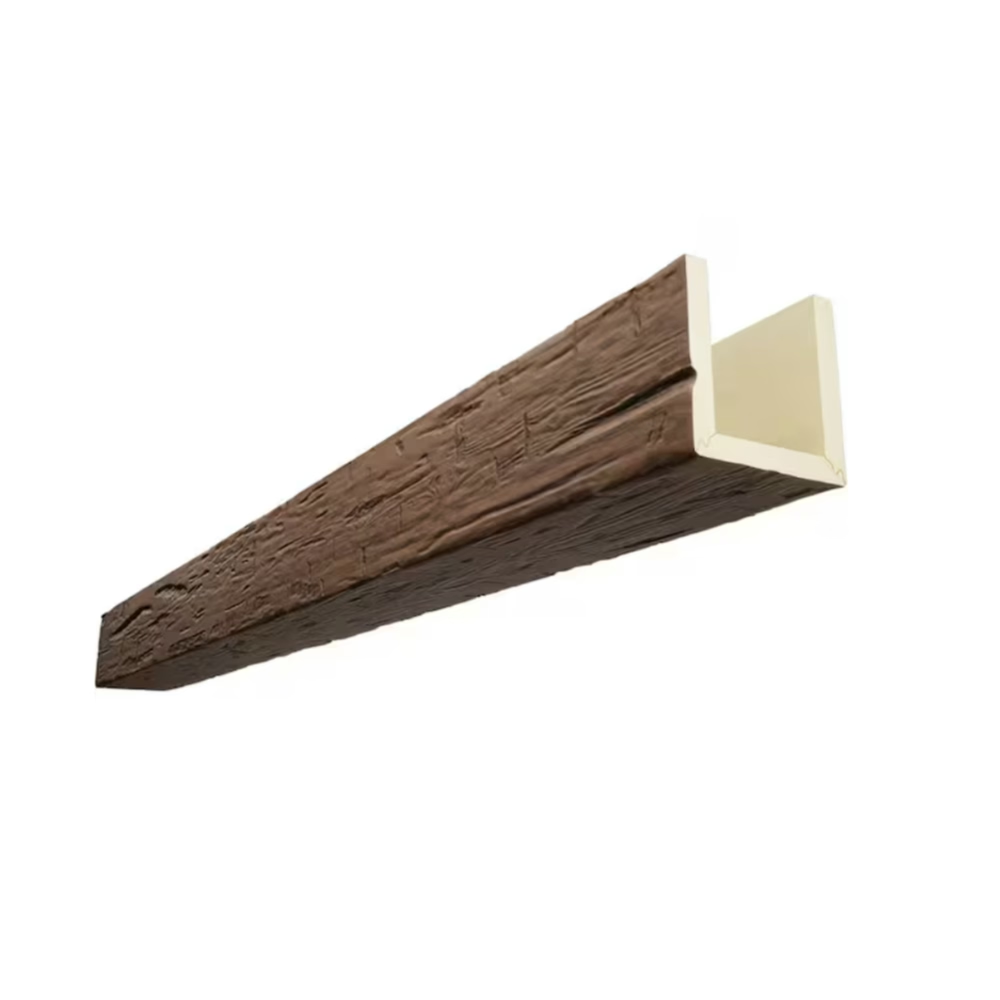
A plain ceiling — flat, smooth, painted in some neutral color — is architecturally neutral. It doesn't interfere with anything, but it doesn't contribute anything either. It waits. A decorative beam, installed on that plain ceiling, gives it an identity.
The beam doesn't need to be structural. It doesn't need to conceal anything or bridge any gap. Its job is purely visual: to add warmth, texture, scale, and a sense of crafted intention to a ceiling that has none of these qualities. In this context, the beam is a styling element — like a rug on a floor, or a piece of art on a wall — that transforms a neutral surface into a designed one.
Why a plain ceiling needs beams
Plain ceilings fail in a specific way: they make rooms feel unfinished. The eye moves from a beautiful floor to furniture to walls and then hits a ceiling that offers nothing. The ceiling is the fifth wall, and in most rooms, it's the most neglected.
Beams solve this by introducing horizontal structure to the ceiling plane. The beam is a visual anchor that the eye can land on, measure against, and use as a reference for the room's proportions. A room with beams feels more grounded and more considered than a room without them.
In practical terms, beams also help define zones within an open-plan space. In a room that is kitchen, dining, and living area all at once, beams over the dining table and sofa — even if the ceiling is continuous — create visual separations that furniture alone cannot achieve.
What "false wood" means in this context
False wood is simply a term for wood that is not real timber — a manufactured or faux material that imitates the appearance of wood. In the context of beams, "false wood" distinguishes the product from structural timber beams while implying the wood-like appearance that is the beam's primary design purpose.
The term "false wood" is more common in European and some Asian markets than in North America, where "faux wood" is the preferred term. Both refer to the same product: a polyurethane beam with a wood-grain finish.
The polyurethane construction is what makes the beam a styling element rather than a structural one. A real timber beam adds weight to the structure and requires substantial mounting hardware. A polyurethane beam weighs a fraction as much and can be mounted with simple adhesive and mechanical fasteners. The "false" aspect is not a deficiency — it is a design advantage that allows the beam to serve purely aesthetic purposes.
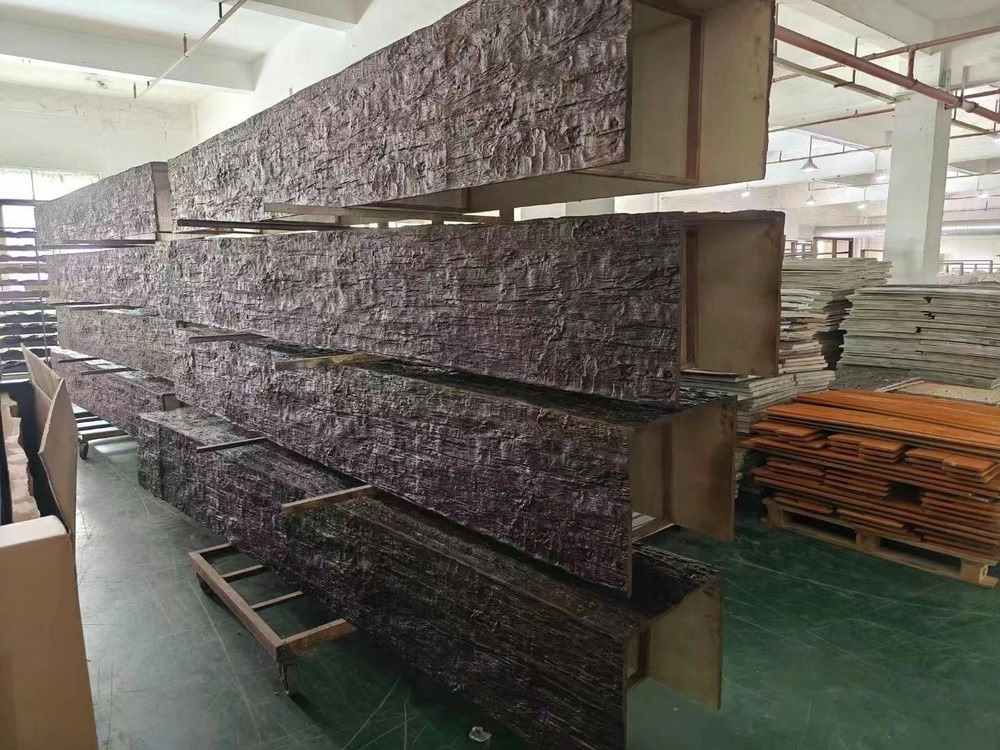
Ceiling types that benefit most
Flat drywall ceiling — The most common ceiling type and the most natural fit for decorative beams. Beams on a flat drywall ceiling create the classic beam-on-ceiling look, with shadows between the beam and the ceiling that add depth to the plane.
Popcorn or textured ceiling — An acoustic-textured ceiling (the familiar "popcorn" finish) can look dated and difficult to maintain. Beams installed over the texture create a visual update that conceals the texture while adding architectural interest. The beam mounting must account for the additional thickness of the texture coating.
Exposed joist ceiling — An exposed ceiling with visible joists is a natural candidate for decorative beam installation. The beams can be installed perpendicular to the joists, spanning the gaps between them, to create the appearance of a heavier timber ceiling system. The result is more substantial and more finished than the exposed joists alone.
Slat wood or tongue-and-groove ceiling — A ceiling with visible wood planking can be enhanced with beams that span perpendicular to the planks. The contrast between the narrow plank pattern and the broader beam creates visual layering.
Layout strategies for styling effect
The layout of decorative beams should be chosen based on the room's function and proportions, not just aesthetic preference.
Parallel run, perpendicular to the main axis — The most common layout. Beams run perpendicular to the room's longest wall, at regular intervals. The direction is chosen because it creates the most interesting shadow pattern as light crosses the beams.
Parallel run, perpendicular to a focal point — In a room with a fireplace or large window as a focal point, beams that run perpendicular to the focal point draw the eye toward it. A beam that runs directly toward a fireplace from the ceiling is a visual pointer.
Single accent beam — In a room where a full installation is too much, a single beam running the full length of the room can anchor the space. This is the most minimalist approach and works best in rooms where the beam will be seen as a deliberate, singular design statement.
Grid pattern — Two sets of parallel beams at 90 degrees to each other. Creates a coffered effect without the construction complexity of true coffer ceilings. Appropriate in square or nearly square rooms.
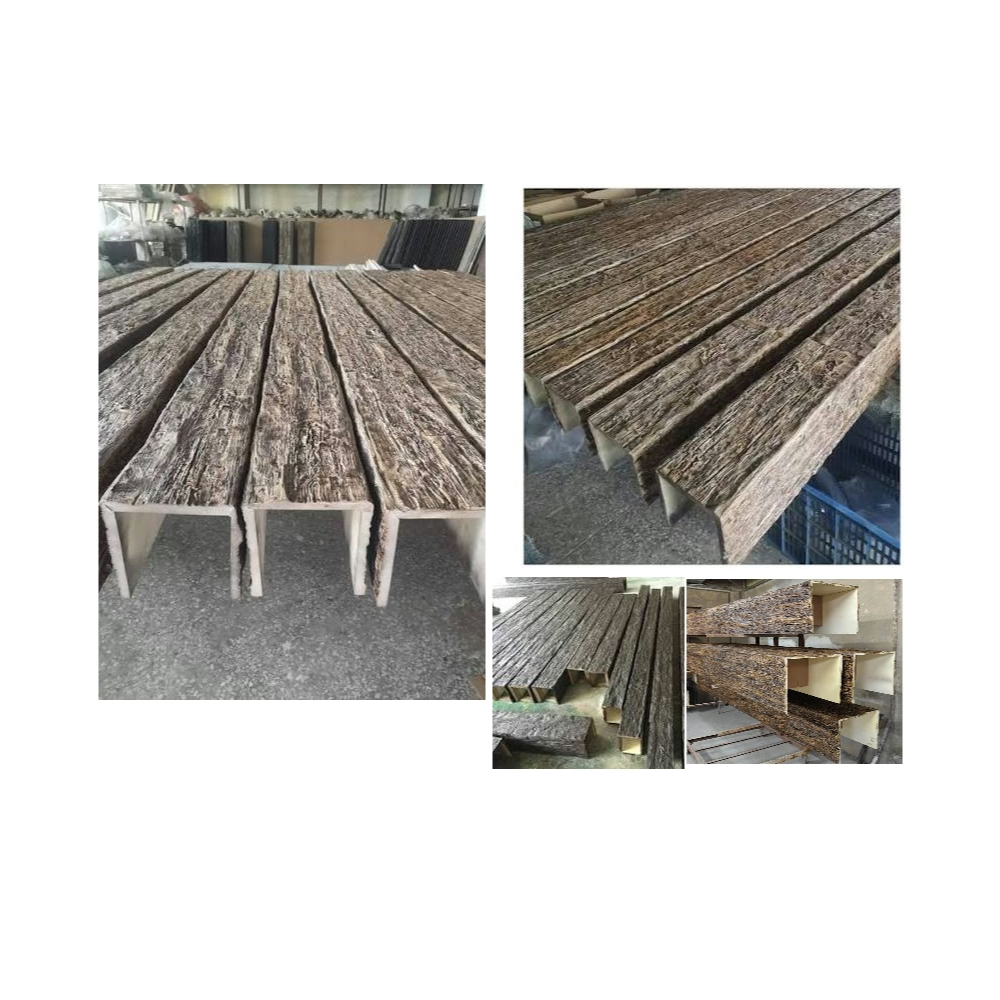
Finish options for styling beams
The finish of a decorative beam should complement the room's existing materials. The beam is a new element in an existing space, so its finish should either match or deliberately contrast with what is already there.
Matching the floor — If the room has hardwood floors, a beam in the same wood tone or a darker version of the floor tone creates material continuity between floor and ceiling. This is the most common and most reliable approach.
Matching the trim — If the room has dark window casings, door frames, or baseboards, a matching beam creates continuity in the trim language. This works particularly well in rooms where the trim is a prominent design element.
Contrasting with everything — A dark beam in a room with light walls and light floors is a bold contrast that makes the beam the dominant visual element. This approach works in large rooms with high ceilings where the contrast can be absorbed without overwhelming the space.
Budget considerations
One of the practical advantages of decorative polyurethane beams over real timber is cost. A decorative beam installation in polyurethane costs 40 to 60% less than the equivalent installation in real timber, and the installation is faster and simpler.
For projects where the budget is a constraint, the cost advantage of polyurethane allows a more extensive installation than would be possible with timber. Instead of two or three beams, a polyurethane installation can include six or eight beams for the same budget, creating a more impactful result.
Technical References
ASTM standards cited in every specification
Test Data
Lab results from internal testing program
Updated 2026
Reviewed against current product specs