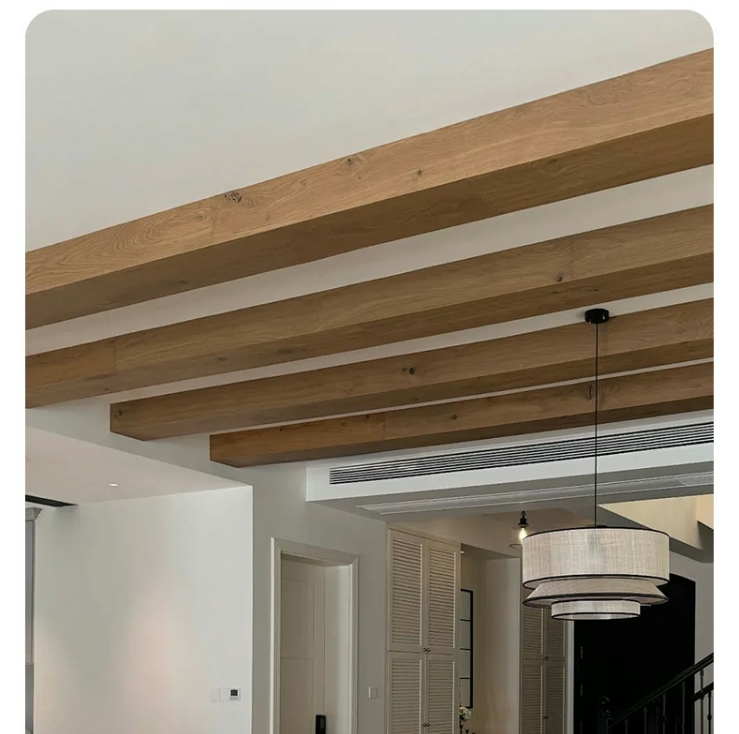
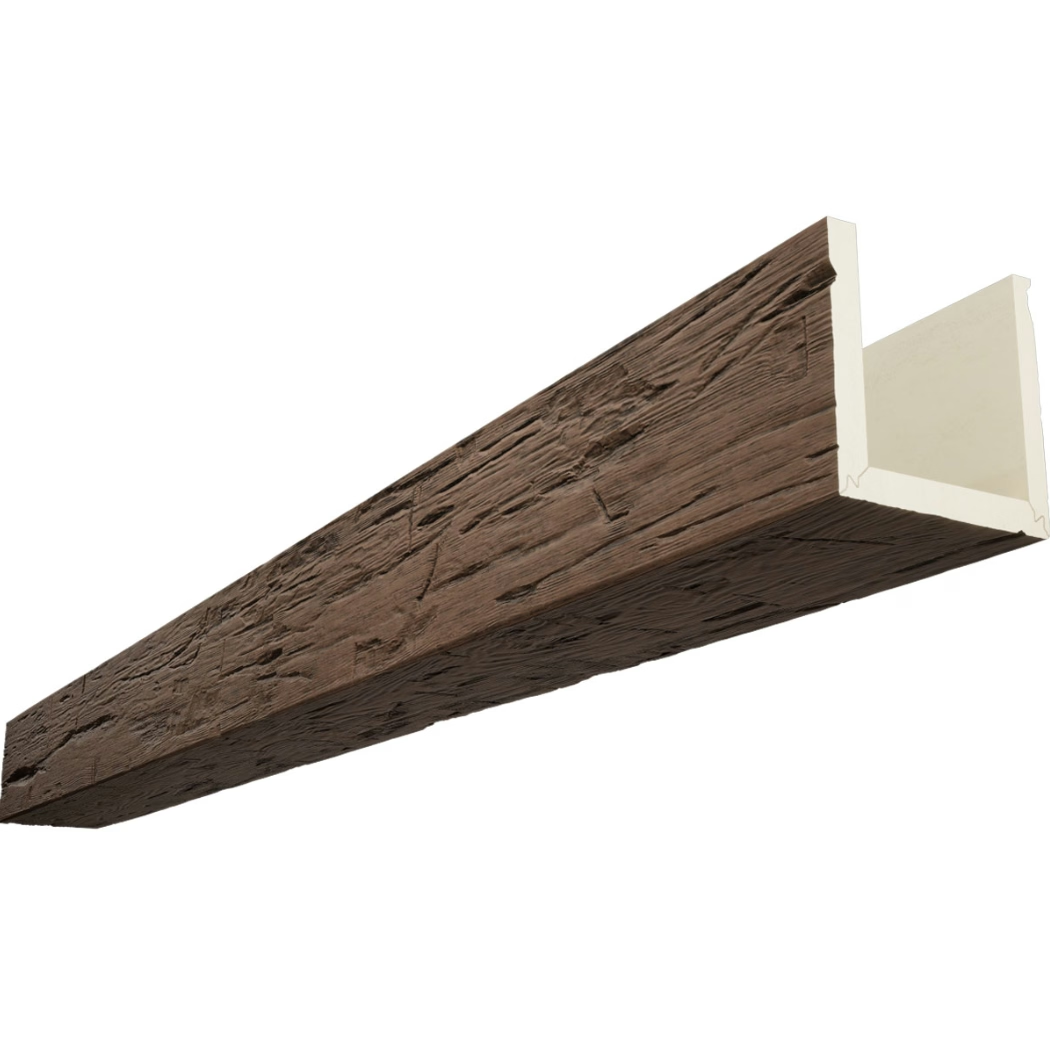
A boutique retail shop lives or dies by its atmosphere. The product is important, but the shopping experience — the feeling the customer gets when they walk through the door — is what keeps them coming back. A well-designed boutique creates a world that the customer enters, and the ceiling is a significant part of that world.
Decorative beams contribute to retail atmosphere in ways that go beyond simple aesthetics. They define zones, create visual anchors, and establish a design vocabulary that ties the space together. In a boutique context, the beam specification is not just about what looks good in a photograph — it is about what creates the right feeling for the specific brand and customer.
How retail spaces differ from residential
Retail beam installations have different requirements than residential ones. The ceiling is often higher — 12 to 16 feet is common in retail spaces, compared to 8 to 10 feet in homes. The lighting is more complex — track lighting, pendant fixtures, display case lighting all compete for ceiling space. The maintenance is more demanding — retail ceilings get dirty faster due to higher foot traffic and are cleaned more frequently.
These differences affect beam selection and installation. The beams must be larger to read well at retail ceiling heights. The mounting must accommodate lighting track systems and fixtures. The finish must be durable enough to withstand periodic cleaning without degrading.
Visual merchandising considerations
In a retail space, the beams should complement the merchandise rather than compete with it. The beam is a backdrop — it sets the stage without stealing the show.
For fashion boutiques, the beam finish should be neutral enough to work with a rotating merchandise palette. A warm natural oak or light walnut finish reads well against most clothing colors and doesn't fight with seasonal merchandise displays. A very dark finish — espresso or black — works well for high-contrast, editorial retail spaces but can be too heavy for clothing-focused boutiques.
For home goods and lifestyle boutiques, the beam finish can be more specific and can complement the merchandise directly. A rustic pine beam in a home goods store feels appropriate. A dark walnut beam in a furniture showroom adds to the premium positioning.
For beauty and cosmetics boutiques, the beam should contribute to a clean, sophisticated aesthetic. Light-colored beams (white, cream, light oak) or dark beams in a very refined profile (slim, chamfered) work better than rustic beams in this context.
Layout strategies for retail spaces
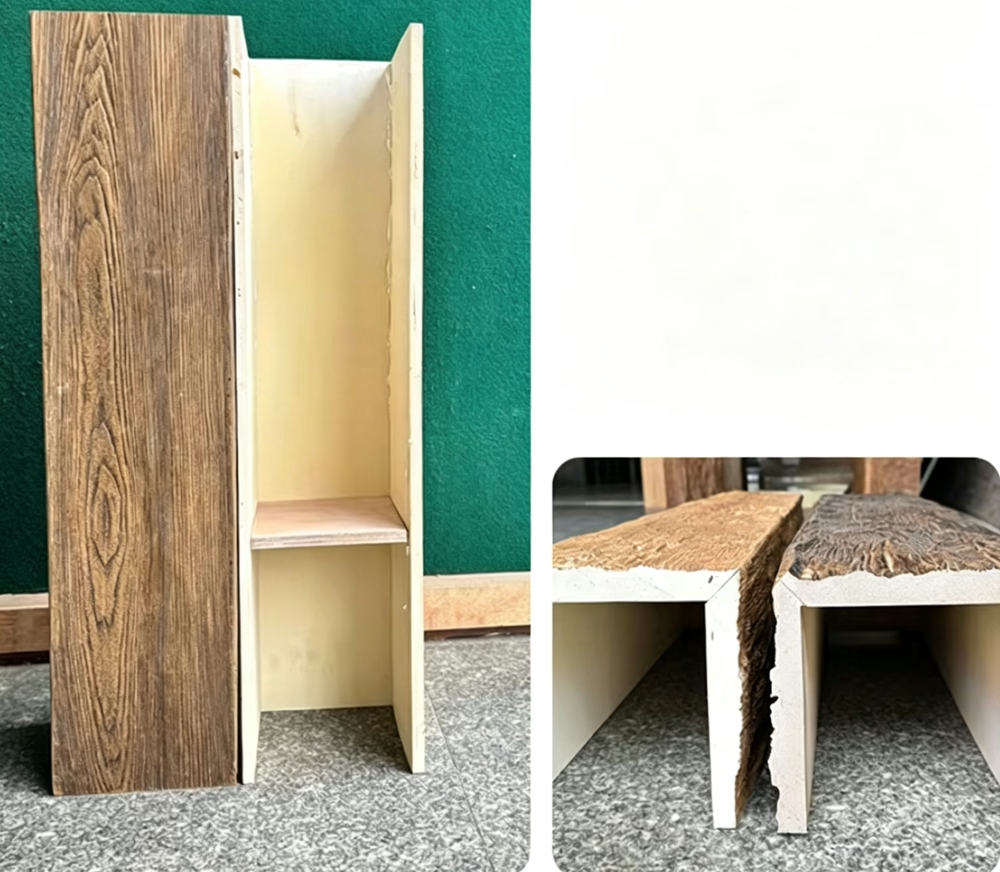
The beam layout in a retail space should account for the functional zones of the shop: the entrance, the main selling floor, the fitting rooms, and any feature areas (cash wrap, display walls, seating areas).
Entrance zone — A beam or pair of beams at the entrance creates a visual welcome and marks the transition from street to shop. The beams should align with the entrance opening and should be spaced to frame the door without obstructing it.
Main selling floor — Beams on the main selling floor should run perpendicular to the primary traffic flow. If customers typically walk the perimeter of the shop, beams should run across the space rather than along it. The beam spacing should be generous enough not to interfere with ceiling-mounted lighting tracks.
Feature zone — If the shop has a featured display area — a table of new arrivals, a spotlight on a seasonal display — a beam positioned above that area provides a visual anchor that draws attention to the feature.
Fitting room area — Beams in the fitting room corridor or ante-room should be more subdued than on the main floor. The fitting room experience should be calm and focused on the merchandise, not dominated by architectural elements.
Finish durability in retail environments
Retail environments require finishes that can withstand periodic cleaning. The standard UV-stabilized acrylic polyurethane topcoat that we use on all beams is wipe-clean with a damp cloth and mild soap. It is not damaged by normal retail cleaning products.
For high-traffic retail spaces where the beams may be touched — in children's stores, in fitting rooms where customers lean against the walls, or in shops with high merchandise turnover — the standard topcoat is adequate.
For spaces where the beams may be exposed to more aggressive cleaning — stores with polished concrete floors that are cleaned with industrial products, stores with regular fogging or misting cleaning systems — the marine-grade topcoat upgrade is recommended. The marine-grade topcoat provides additional chemical resistance.
Lighting integration
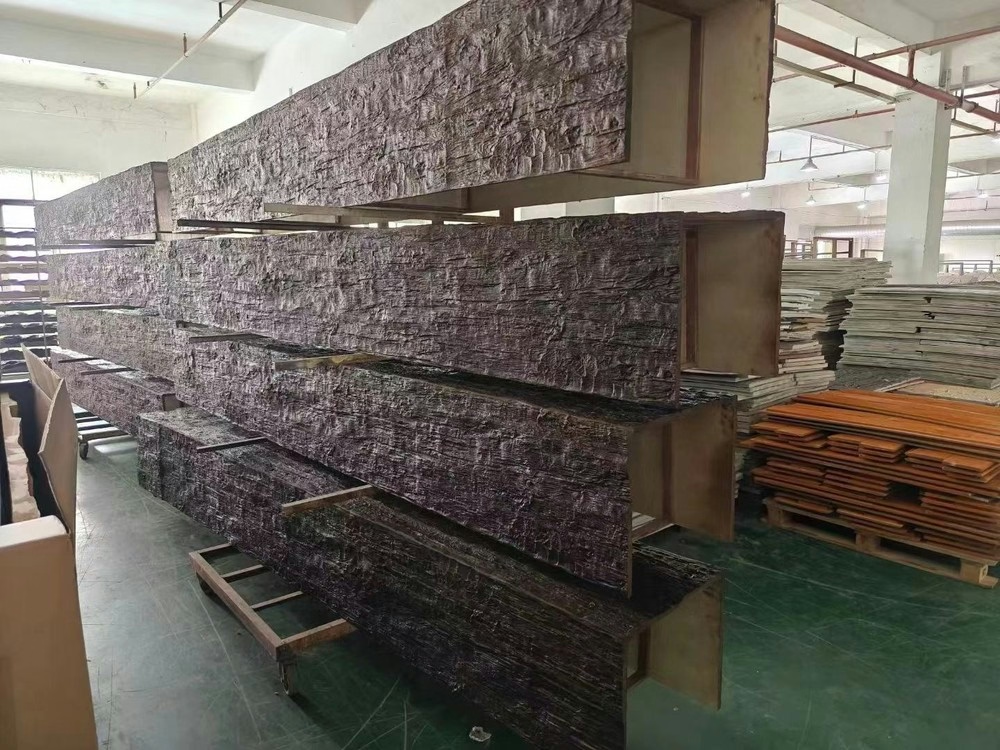
Retail beam installations should be coordinated with the lighting plan. The beam layout should not block or interfere with the lighting track system, and the beam finishes should complement the lighting temperature.
Warm LED lighting (2700K to 3000K) on dark wood beams creates the warm, inviting atmosphere that most boutiques seek. The warm light brings out the wood tones and makes the beams feel like a natural material rather than a manufactured product.
Track lighting fixtures can be mounted between beams, on the ceiling plane, without interference. The beams do not typically need to accommodate lighting fixtures unless the design specifically calls for integrated lighting within the beam itself.
For shops with changing merchandise displays — where the lighting plan changes seasonally — the beam installation should be independent of the lighting track. The beams should not be positioned in a way that limits the lighting designer's flexibility to reposition track heads.
Specification for retail projects
When specifying beams for a retail project, consider the ceiling height, the lighting plan, the cleaning regimen, and the brand aesthetic. Provide the interior designer with a sample beam in the specified finish, and evaluate it in the actual shop space with the planned lighting.
Lead time for retail projects is typically 3 to 4 weeks for standard profiles and finishes. For projects with multiple beam sizes, finishes, or complex layouts, allow 4 to 6 weeks.
For retail developers and shop owners, decorative beams are one of the most cost-effective ways to elevate a retail space from generic to distinctive. The installation cost is a fraction of what equivalent architectural detail would cost in plaster or custom millwork, and the result is a shop that customers notice and remember.
Technical References
ASTM standards cited in every specification
Test Data
Lab results from internal testing program
Updated 2026
Reviewed against current product specs