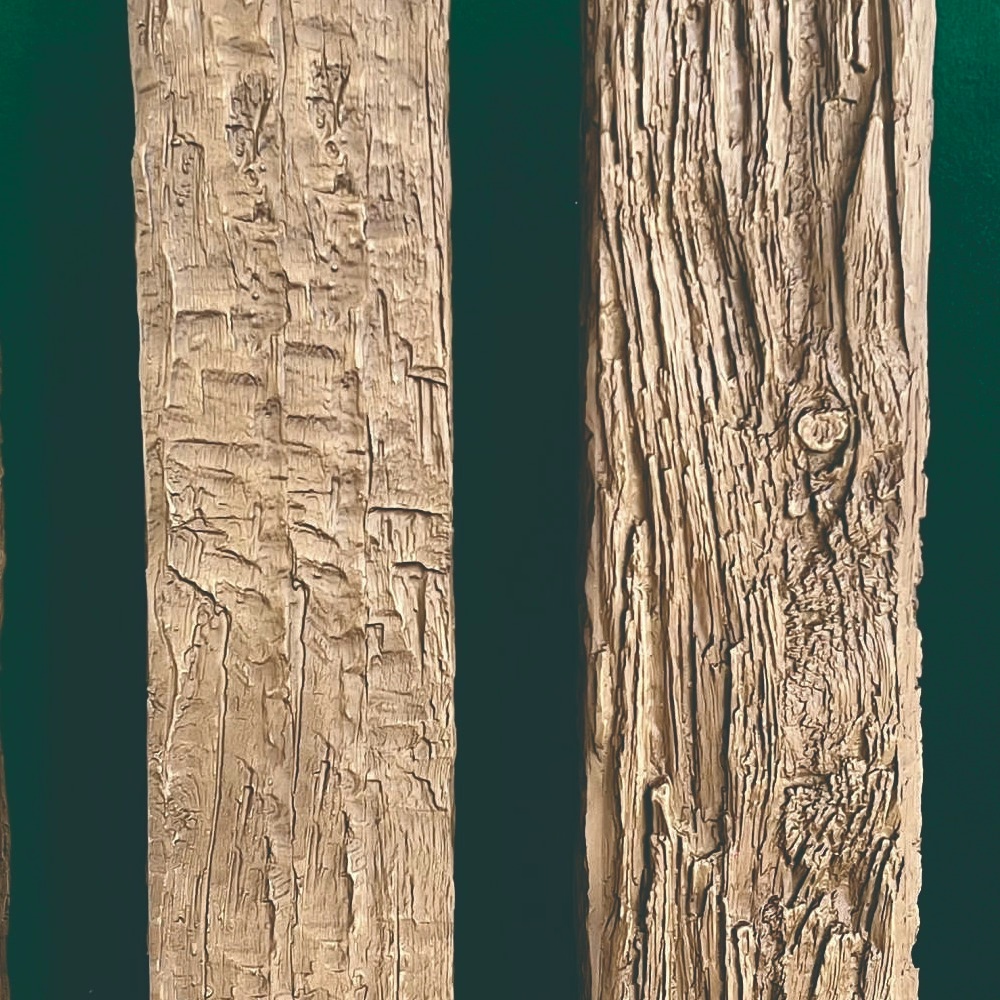
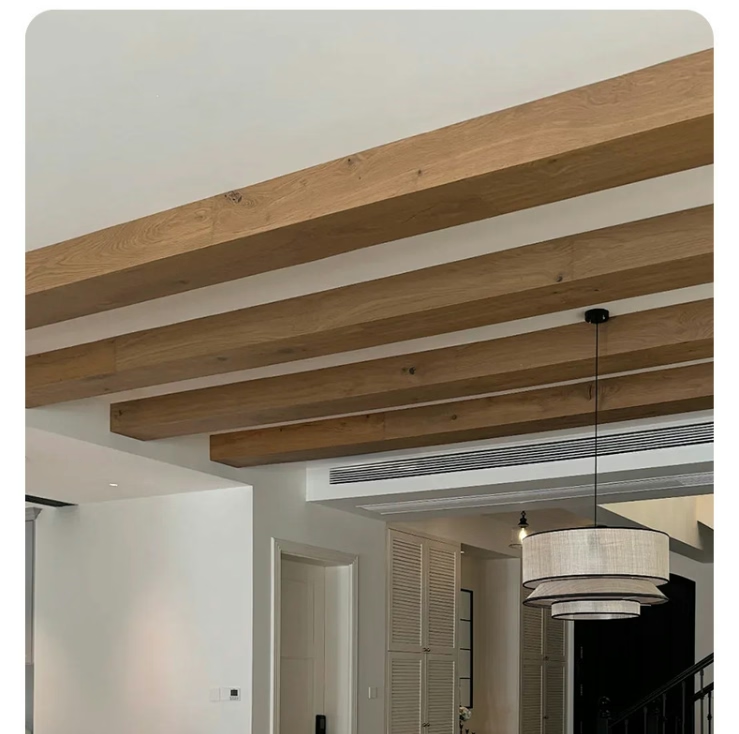
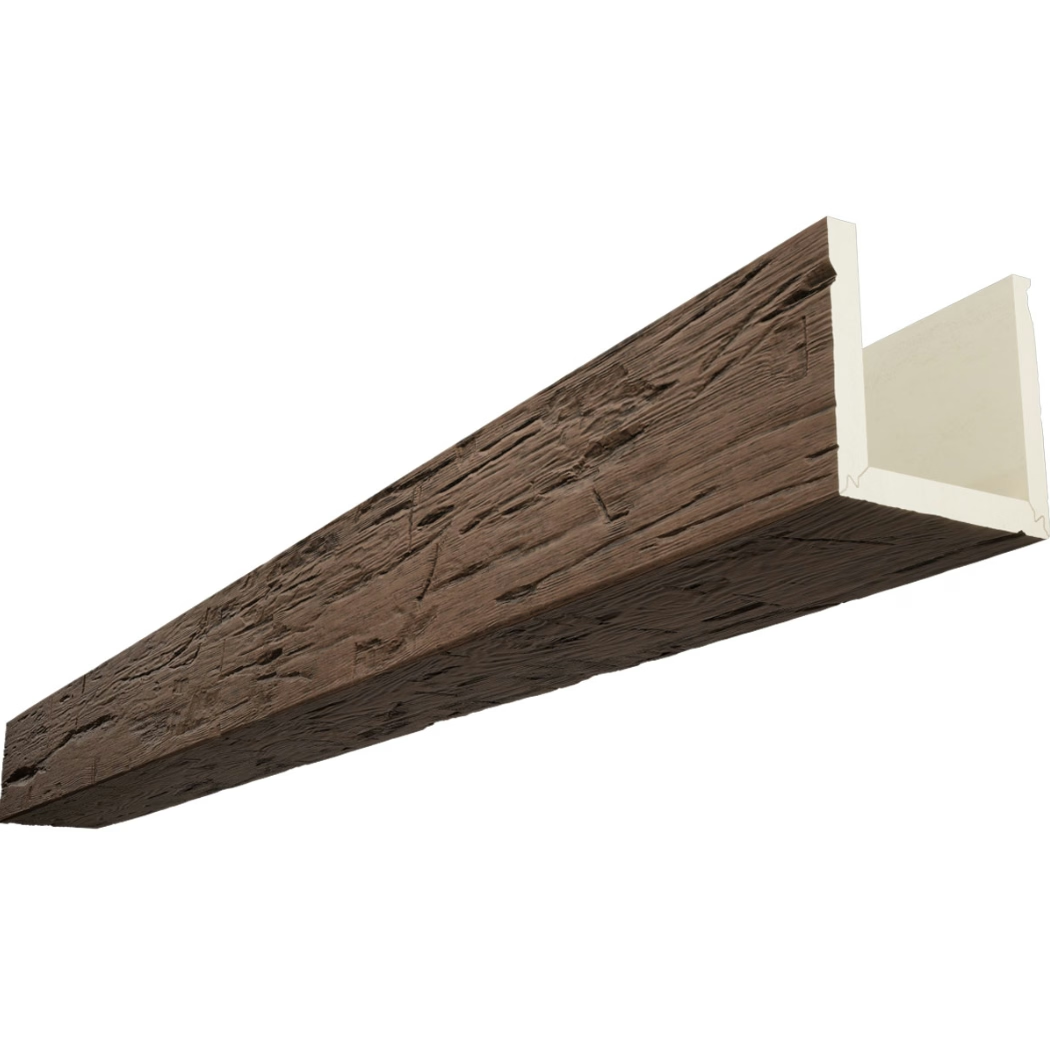
The lobby of a luxury resort hotel is a performance space as much as a functional interior. It must photograph for the website, set the tone for the guest experience, and hold up to thousands of visitors walking through it every month. The ceiling treatment is one of the most powerful tools a designer has to establish that tone, and in mountain lodges, coastal retreats, and desert spas, the look of exposed timber beams is almost always the right answer.
The challenge is that real timber beams in a large-scale hospitality project are expensive, heavy, and slow to install. Getting structural-grade beams to a remote resort location can add weeks to a construction schedule, and the natural variations in real wood mean that each beam looks different. For a brand that wants consistent photography across multiple properties, that variation can be a serious problem.
Faux timber beams solve all of these issues without compromising the visual outcome.
The Business Case for Faux Timber in Hospitality
When a project manager sits down to cost out the ceiling for a two-hundred-room resort, the beam budget is usually a line item that gets scrutinized heavily. Real timber in those quantities can run into hundreds of thousands of dollars, particularly when you factor in engineering certification, fire retardant treatment, and specialized installation labor.
A faux timber beam system typically costs thirty to fifty percent less in material alone, and the labor savings are even more dramatic because the beams arrive ready to install with factory-applied finishes. There is no on-site finishing, no waiting for stain to dry, and no color correction between beams.
For a developer building three or four properties in a regional portfolio, that cost certainty is as valuable as the price itself. The specification becomes a known quantity that can be budgeted precisely, rather than a variable that grows as the project unfolds.
Design Flexibility for Brand Identity
Luxury resort brands want their interiors to feel distinctive while staying within brand guidelines that apply across all properties. Faux timber beams offer design flexibility that real timber simply cannot match.
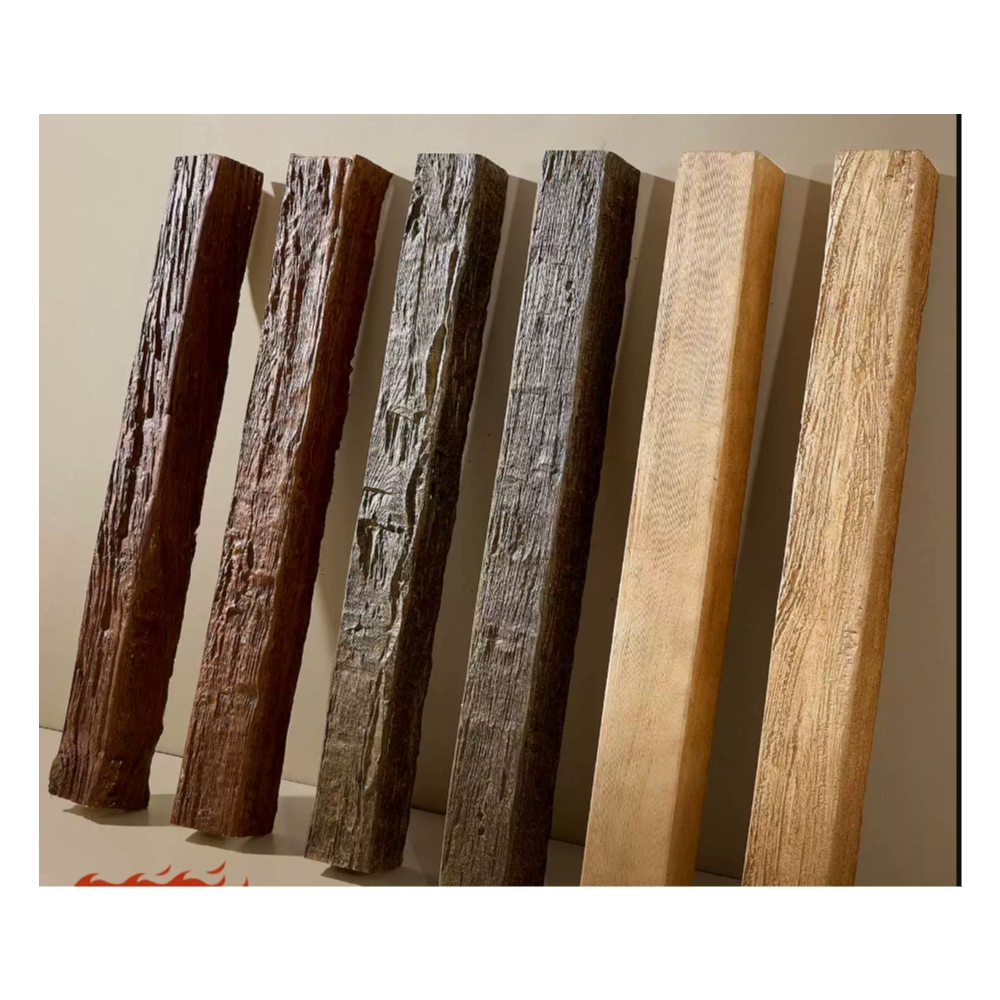
A brand that wants warm honey-toned Douglas fir beams in one property and cool gray reclaimed-look beams in another can achieve both looks with the same underlying product, changing only the stain profile. This means the manufacturer can produce the beams in volume while the designer retains full control over the final appearance.
For interior designers working with resort brands, this flexibility also means they can spec custom profiles without a major price premium. A curved beam for a domed lobby or a tapered beam for a Mediterranean property can be produced from a mold without the lead times and waste associated with shaping real lumber.
Scale and Proportion in Large Spaces
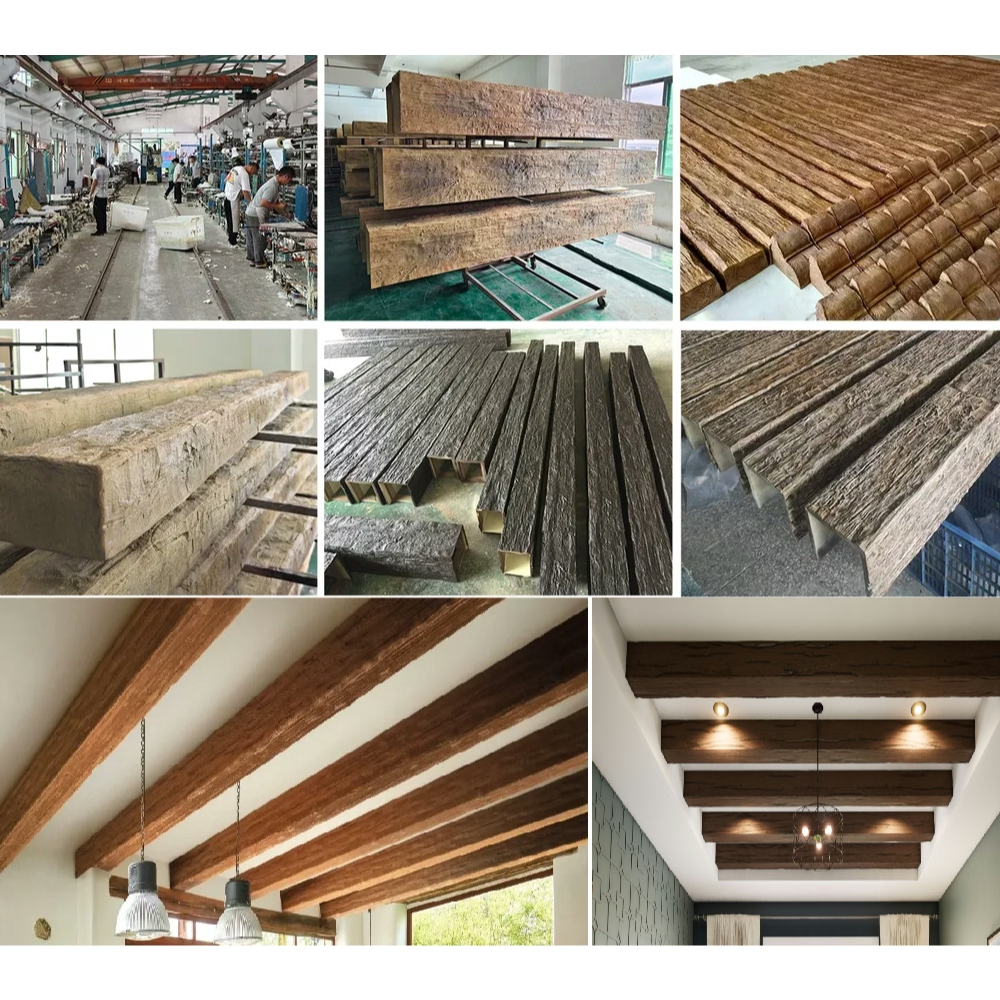
Resort lobbies, restaurants, and ballrooms often feature ceilings that are thirty feet or higher. At those heights, a beam that looks correct at eye level can disappear entirely from below, which is why designers working in tall spaces tend to push the beam proportions larger than they would in a residential setting.
Faux beams can be manufactured in sizes that would be impractical for real timber. A twenty-inch-deep beam with a twelve-inch-wide face is easy to produce in polyurethane, but a real timber beam of those dimensions is expensive, heavy, and prone to warping over time. The faux beam handles the scale without the structural concerns.
When multiple beam sizes are used in the same space, the visual hierarchy creates a sense of depth that makes even a flat drywall ceiling look architectural. The largest beams run the primary span, medium beams run perpendicular to them, and the smallest beams or decorative trim fill the remaining detail areas.
Fire Safety and Building Codes
Commercial hospitality projects must meet strict fire safety codes, and many jurisdictions require fire-rated finish materials in public areas. Polyurethane faux beams can be produced with fire-retardant additives that allow them to meet Class A fire ratings, which satisfies the requirements of most building codes for interior commercial use.
The fire rating documentation should be requested early in the specification process because it affects both the product choice and the installation method. Some fire-rated faux beams require specific mounting hardware or spacing from light fixtures, and these details need to be resolved before the ceiling layout is finalized.
Installation Speed for Renovation Projects
Many resort renovations happen during off-season windows when the property is closed to guests. A lobby renovation that takes three months in a residential project needs to happen in six to eight weeks in a resort, which means installation speed is a critical factor.
Faux timber beams arrive in manageable lengths that a two-person crew can lift and position without equipment. They screw directly into blocking or existing joists, and the connections are hidden inside the beam profile. A single installer can handle the finish work on-site while the next beam is being positioned.
For a resort property where every week of closure costs significant revenue, the installation speed advantage of faux beams can translate into a direct financial benefit that far exceeds the material savings.
Durability in High-Traffic Environments
Luxury resorts see a lot of use, and the ceiling is not immune to the effects. Steam from spa areas, salt air in coastal properties, and the general humidity of occupied spaces all affect wood products over time. Real timber beams can cup, crack, and develop mold in these conditions, which is an ongoing maintenance concern for the property.
Polyurethane faux beams are resistant to moisture, do not absorb water, and will not rot or mold in humid conditions. They are also immune to the insect damage that can affect real timber in tropical and subtropical climates. For resorts in high-humidity locations, this durability translates into lower maintenance costs over the life of the interior.
Maintenance and Cleaning Protocols
Resort housekeeping teams need simple, repeatable protocols for every surface in the property. Faux timber beams check that box because they clean like painted trim. A soft cloth, a mild detergent, and a step ladder are all that is needed to keep them looking new.
For beams in areas where smoking was previously permitted or where cooking grease is present, a degreasing cleaner followed by a fresh coat of matte clear coat restores the appearance to like-new condition without refinishing.
Photography and Social Media Considerations
Modern resort brands invest heavily in photography and social media content, and the ceiling often appears in those images. A beam that photographs well from a low angle is worth more to the marketing team than a beam that looks good only from directly below.
Faux beams with deep shadow lines, realistic grain texture, and consistent color read beautifully in photographs. The factory finish is formulated to avoid the hot spots and glare that can plague real timber, which is another reason designers working on resort projects prefer them.
What Developers and GCs Should Know About Specification
Developers and general contractors working on resort projects should involve the faux beam supplier early in the design phase rather than late. Early involvement allows the supplier to recommend beam profiles that work well with the structural system and the ceiling layout, and it gives the designer time to approve samples before production begins.
Lead times for custom faux beams typically run four to eight weeks from approval to delivery, which needs to be factored into the construction schedule. Standard-profile beams with in-stock finishes can often ship within a week or two.
The Long-Term Value of Faux Timber in Resort Design
When the full lifecycle cost of a ceiling treatment is considered, faux timber beams often come out ahead of real timber in resort applications. The initial cost is lower, the installation is faster, the maintenance is simpler, and the replacement parts are interchangeable because they come from the same production run.
For a resort brand that is building a portfolio of properties, this consistency is a significant operational advantage. Staff can be trained on the same maintenance protocols across every property, spare parts are interchangeable, and the visual brand standard is maintained without variation.
Technical References
ASTM standards cited in every specification
Test Data
Lab results from internal testing program
Updated 2026
Reviewed against current product specs