
A showroom is a stage, and the products displayed within it are the performers. Every surface in the space, including the ceiling, serves the performance by creating an environment that makes the products look their best. In a modern showroom, the ceiling treatment must support the contemporary aesthetic while adding the warmth and textural interest that prevents the space from feeling cold and sterile.
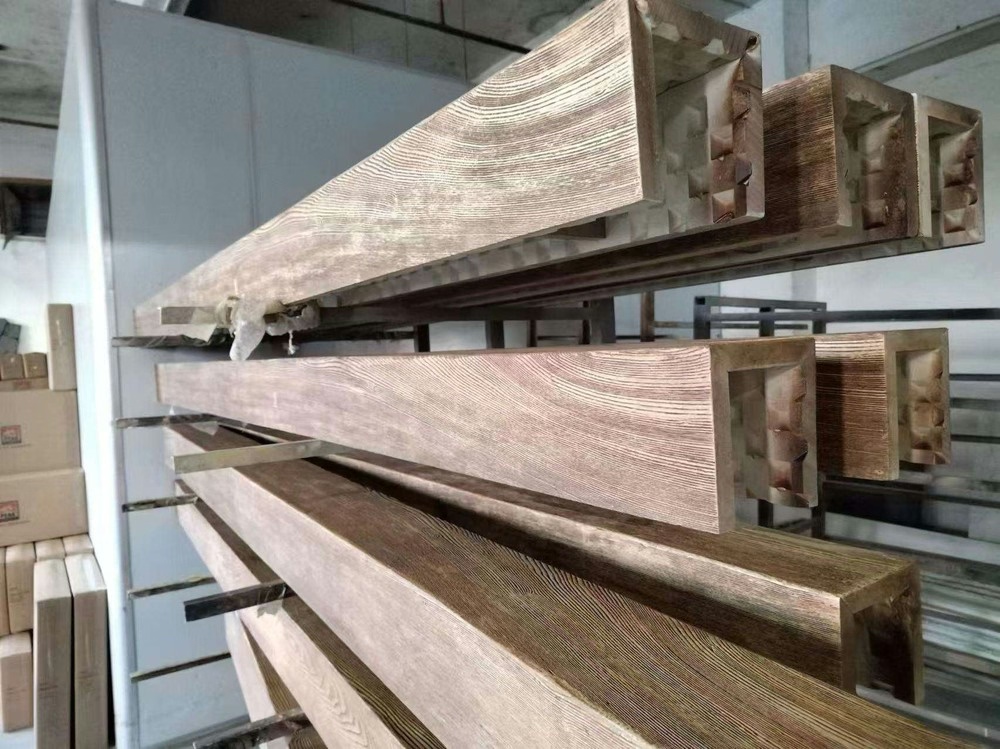
Decorative faux wood beams are a versatile tool in showroom design because they can be adapted to almost any product category. A furniture showroom, an automotive gallery, a jewelry boutique, and a home appliances display all benefit from the warmth and architectural quality that beams provide, while the specific profile, finish, and layout can be tuned to match the brand identity of each product category.
The Psychology of Wood in Retail Environments
Research into consumer behavior in retail environments consistently shows that natural materials, including wood, increase the perceived value of products and create a more favorable impression of the shopping experience. Customers who shop in spaces with wood finishes report higher satisfaction with their purchases and are more likely to recommend the retailer to others.
This psychological effect is not limited to stores that sell wood products. Even customers shopping for appliances, electronics, or fashion items respond positively to the warmth that wood adds to the environment. The wood signals quality, craftsmanship, and attention to detail, which reflects positively on the products displayed beneath it.
For showroom operators, the investment in a beam ceiling generates a measurable return through higher conversion rates, larger average transactions, and stronger customer loyalty.
Profile Selection for Different Product Categories
The beam profile should be selected to match the product category and the brand positioning of the showroom.
High-end furniture showrooms with designer lines benefit from refined beam profiles that support a sophisticated aesthetic. A clean rectangular beam with a subtle chamfer and a medium warm stain reads as upscale without being heavy. The beam should complement the furniture lines rather than competing with them.
Automotive showrooms with luxury vehicles benefit from beams with a stronger architectural presence. Larger profiles in a cooler tone, such as natural oak or pale ash, create a sense of gallery space that elevates the vehicles on display. The beams should feel like they belong in an art museum, not a hardware store.
Home appliances and consumer electronics showrooms benefit from lighter, more neutral beam finishes. A pale gray or soft white stain keeps the focus on the products and avoids the visual competition that a strong wood tone can create when paired with stainless steel and glass.
Layout Strategies for Showroom Spaces
The beam layout in a showroom should be designed around the product display plan, not the other way around. The goal is to create a ceiling treatment that enhances the products without interfering with the customer flow or the visual sightlines.
A parallel beam layout works well in long rectangular showrooms. The beams run perpendicular to the longest wall, drawing the eye from the entrance toward the back of the space and creating a sense of depth. The spacing between beams should be wide enough to allow pendant fixtures and directional track lighting to be positioned between them.
A grid layout is effective in larger showrooms with multiple product zones. The grid provides a consistent visual structure that works across the entire space while allowing individual zones to have their own lighting and display identity.
A single statement beam is effective in smaller showrooms where the ceiling is a focal element of the brand identity. An oversized beam running down the center of the space, paired with dramatic lighting, creates a signature look that customers remember.
Lighting the Showroom Ceiling
Lighting is critical in a showroom environment because it directly affects how the products look. The beam layout must work with the lighting plan to create the right visual environment for each product category.
For furniture showrooms, warm-toned pendant lighting over each display vignette creates an intimate atmosphere that helps customers imagine the furniture in their own homes. The beams should be positioned to provide structural-looking mounting points for the pendants without blocking the light spread.
For automotive showrooms, bright uniform general lighting illuminates the vehicles from all angles while accent lighting on individual cars highlights specific features. The beams should be positioned to avoid casting shadows on the display floor, which means they are often run parallel to the longest dimension of the space rather than perpendicular to it.
For luxury goods showrooms, a combination of accent lighting and subtle ambient illumination creates a museum-like atmosphere that emphasizes the exclusivity of the products. Beams can serve as mounting points for directional fixtures while also providing the visual warmth that prevents the space from feeling clinical.

Color Coordination with Products
The beam finish should be coordinated with the color palette of the products on display. This is a detail that is often overlooked but makes a significant difference in the overall visual coherence of the showroom.
For showrooms with a consistent color palette, the beam finish should complement and reinforce that palette. A showroom displaying earth-toned leather furniture should have warm-toned beams. A showroom displaying white and gray contemporary furniture should have neutral-toned beams.
For showrooms with a diverse product range, a warm natural finish that complements almost any color is the safest choice. A medium honey or butterscotch tone adds warmth without creating strong color associations that might clash with specific product lines.
Acoustic Considerations for Showrooms
Showrooms with hard floors, high ceilings, and large open plans can develop significant reverberation, particularly when the space is busy with customers. The beams contribute to acoustic conditioning by breaking up the ceiling plane and adding mass and irregularity to the reflective surfaces.
For larger showrooms, acoustic panels in the ceiling bays between beams provide additional sound absorption. The panels can be finished in a fabric that matches the wall upholstery or in a raw acoustic material with a visible texture.
Speed of Installation for Live Showrooms
Showroom renovations often need to happen while the space remains open to customers or on a very compressed timeline between business days. Faux beam installation is fast enough to complete a small-to-medium showroom in a single day, which makes it practical for projects with tight schedules.
For showrooms that need to remain partially open during the renovation, the work can be phased to complete one section at a time. The plastic containment barriers used to separate the work area from the customer area should be clean and professional-looking to maintain the brand impression even during construction.
Budget Considerations for Showroom Operators
A showroom beam installation typically costs between fifty and one hundred dollars per square foot, depending on the beam profile, the finish quality, and the complexity of the layout. For a two-thousand-square-foot showroom, the total budget falls between one hundred thousand and two hundred thousand dollars.
This investment should be evaluated against the expected increase in sales that the upgraded environment will generate. A showroom with a distinctive beam ceiling attracts more visitors, keeps them in the space longer, and converts a higher percentage of visitors to customers than a comparable showroom with a plain ceiling.
Brand Consistency Across Multiple Locations
For retailers with multiple showroom locations, a standard beam specification ensures visual consistency across the portfolio. The same beam profile and finish can be specified at every location, which simplifies the procurement process and reinforces the brand identity.
A brand standard that includes the beam profile, the finish, the mounting method, and the lighting specifications makes it easy for franchisees and management teams to execute the design consistently across every location.
Maintenance for Commercial Showrooms
Faux beams in commercial showrooms require minimal maintenance. A monthly dusting and an occasional wipe-down with a mild detergent keeps the beams looking new. The factory finish is more resistant to scuffing and scratching than real wood, which means the beams maintain their appearance even in high-traffic environments.
Damaged beams can be replaced individually without affecting the surrounding installation. Showroom operators should maintain a small inventory of spare beams for quick replacement if damage occurs.
Technical References
ASTM standards cited in every specification
Test Data
Lab results from internal testing program
Updated 2026
Reviewed against current product specs


