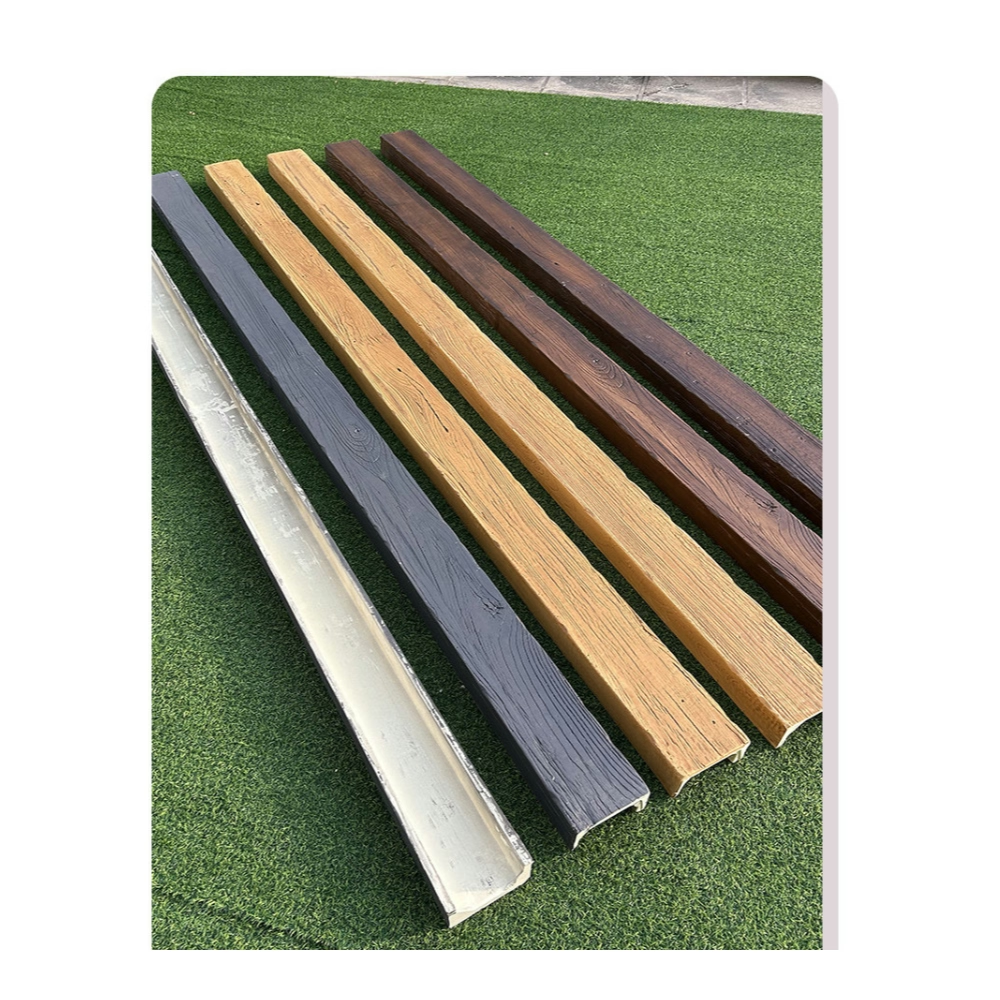
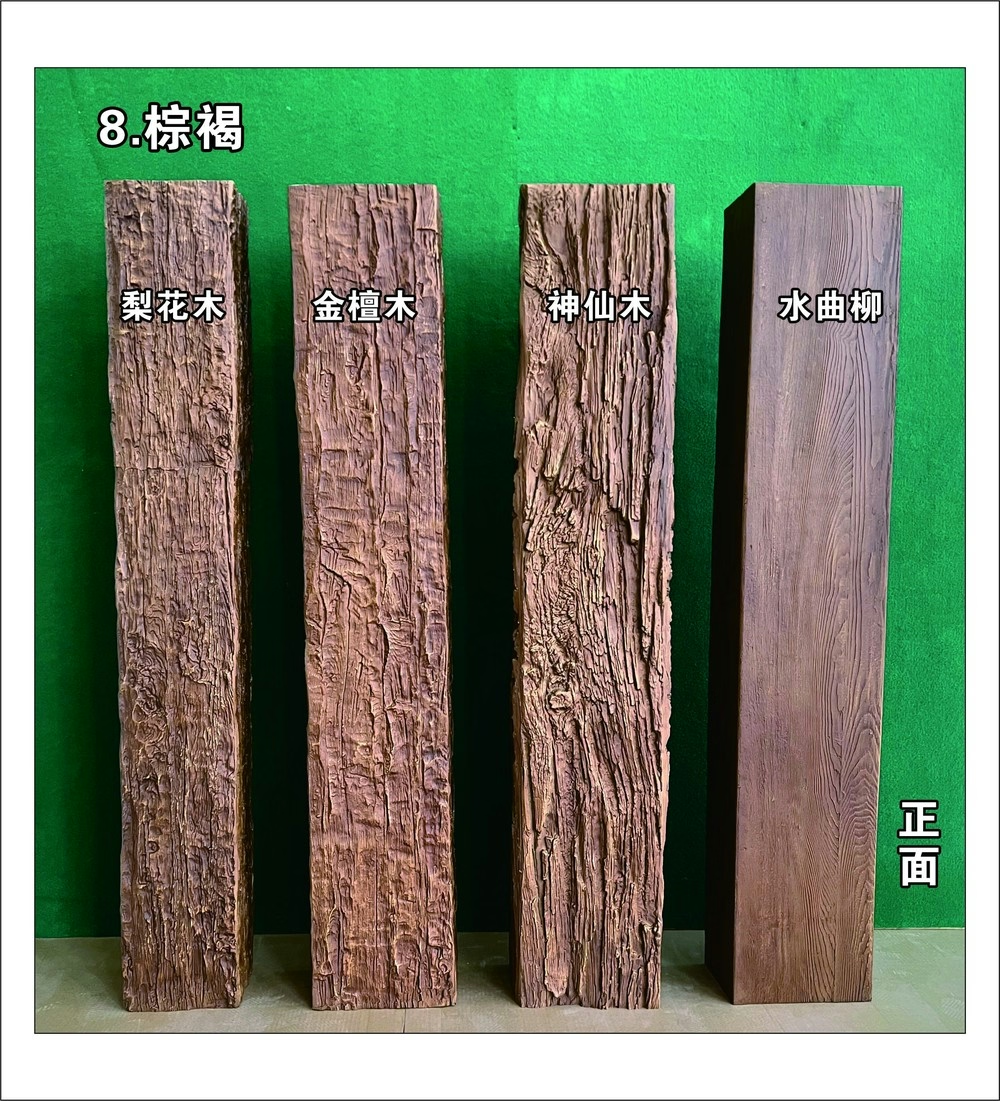
Exposed ceiling joists present both opportunities and challenges for interior design. The structural elements that support roofs and upper floors often remain visible in rooms with high ceilings, unfinished attic spaces, or conversion projects where original construction has been exposed. Rather than concealing these elements behind dropped ceilings or drywall, designers increasingly embrace exposed joists as architectural features that contribute to authentic, loft-like aesthetics.
However, exposed joists often suffer from aesthetic shortcomings that undermine their potential value. Original construction may feature inconsistent joist sizes, visible wiring or plumbing, damaged surfaces, or paint finishes that clash with intended design schemes. PU faux wood covers address these issues by transforming problem joists into attractive decorative features that protect the underlying structure while providing the timber aesthetics that designers and homeowners desire.
Joist cover systems differ from complete beam replacements through their ability to sheath existing structural elements without requiring their removal. This approach preserves building structure while achieving dramatic visual improvements. Understanding when joist covers make sense versus complete beam replacement helps ensure appropriate material selection for specific project requirements.
Understanding Joist Cover Applications
Joist covers serve dual purposes that distinguish them from purely decorative elements. The protective function prevents physical damage to structural joists from impacts, moisture, or pests. The aesthetic function transforms utilitarian construction into finished architectural features. Both functions contribute value that makes joist covers worthwhile investments in many renovation projects.
Structural joists in residential construction typically consist of dimensional lumber or engineered wood products that lack the visual appeal of quality timber. Spacing irregularities, inconsistent depths, and utilitarian surface conditions create cluttered appearances that neither designers nor homeowners find attractive. Joist covers address these issues through unified appearances that impose visual order on irregular underlying construction.
The gap between adjacent joists presents acoustic and thermal concerns in addition to visual ones. Sound passes readily through these openings, while air infiltration reduces energy efficiency. Joist cover systems that span between beams can address these functional concerns while providing aesthetic benefits.
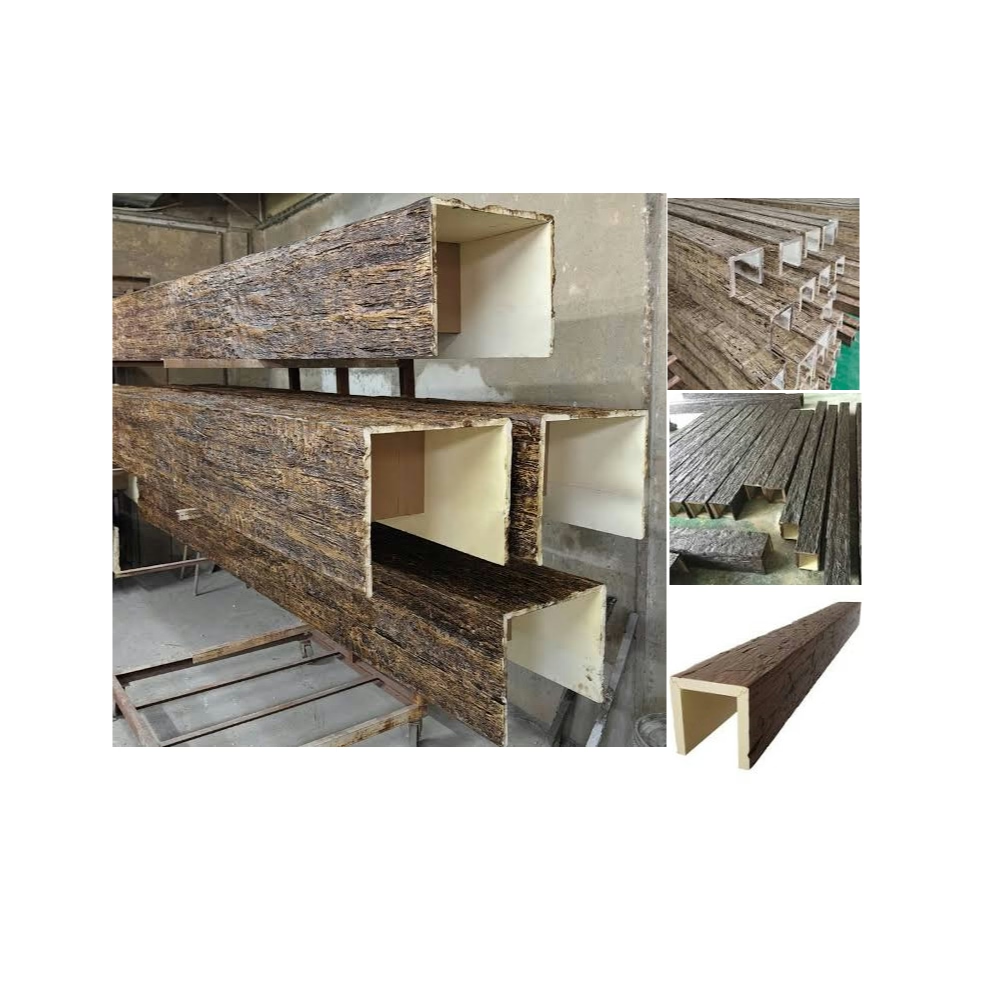
Different cover systems offer varying levels of joist concealment. Full-coverage systems completely hide underlying construction, creating the appearance of solid timber beams. Partial coverage systems leave portions of original joists visible, creating layered effects that reference original construction while adding visual interest.

Material Advantages Over Alternatives
Genuine timber joist covers would require expensive materials and skilled carpentry for fabrication and installation. The dimensional consistency that makes genuine timber attractive in new construction proves difficult to achieve when sheathing irregular existing joists. PU covers provide realistic timber aesthetics without these practical difficulties.
Moisture sensitivity limits genuine timber suitability for joist applications, particularly in bathrooms, kitchens, or other humid environments. The gap behind timber covers creates spaces where moisture accumulates, potentially causing decay in both cover and underlying joist. PU materials eliminate this concern through moisture resistance that protects both cover and structure.
Insect damage that affects genuine timber does not occur in PU joist covers. Termites and other wood-boring insects that might threaten structural joists pose no risk to synthetic cover materials. This protection proves valuable in geographic regions where insect pressure limits genuine timber use in certain applications.
The thermal expansion and contraction that affects genuine timber in varying environmental conditions does not compromise PU performance. Joist covers that maintain consistent dimensions prevent the gaps and separations that sometimes occur with organic materials. This stability ensures long-term visual quality without maintenance intervention.
Installation Methods and Techniques
Successful joist cover installation begins with accurate measurement and assessment of existing conditions. Joist spacing, depth, and condition all influence cover selection and installation approach. Careful documentation during measurement phases prevents problems during actual installation.
Surface preparation ensures that covers attach to clean, sound substrates capable of supporting the intended attachment method. Any damage to underlying joists should be repaired before cover installation, as covers cannot correct structural problems and may actually worsen them by concealing deterioration that continues unchecked.
Mechanical fastening provides the most secure attachment for joist covers in most applications. Screws driven through cover material into underlying joist create strong connections that resist both gravity loads and lateral forces. The fastener locations should be planned to minimize visibility in finished installations.
Adhesive bonding supplements mechanical fastening in applications where appearance requirements demand minimal visible fasteners. Construction adhesives rated for structural applications provide additional load capacity while allowing fastener counts to be reduced. The combination approach balances security with aesthetics.
Design Integration Considerations
Joist cover selection should coordinate with overall design schemes to ensure cohesive results. The timber species, profile shape, and finish treatment all influence how covers relate to surrounding elements including flooring, wall finishes, and furniture.
Color matching between joist covers and adjacent wood elements requires careful attention during product selection. While exact matching may not be necessary or even desirable, significant color mismatches create visual conflicts that undermine design quality. Sample comparison at the installation site verifies color relationships before commitment.
Profile proportions should relate appropriately to room scale and ceiling height. Large, heavy covers in small rooms create oppressive atmospheres, while delicate covers in large spaces disappear visually. The goal is proportional harmony where covers enhance rather than overwhelm their contexts.
The transition between joist covers and adjacent surfaces including walls, soffits, and dropped ceiling elements requires thoughtful detail design. These transitions often determine whether installations appear professional or amateur. Appropriate trim pieces and careful fitting ensure clean, finished appearances.
Maintenance and Long-Term Performance
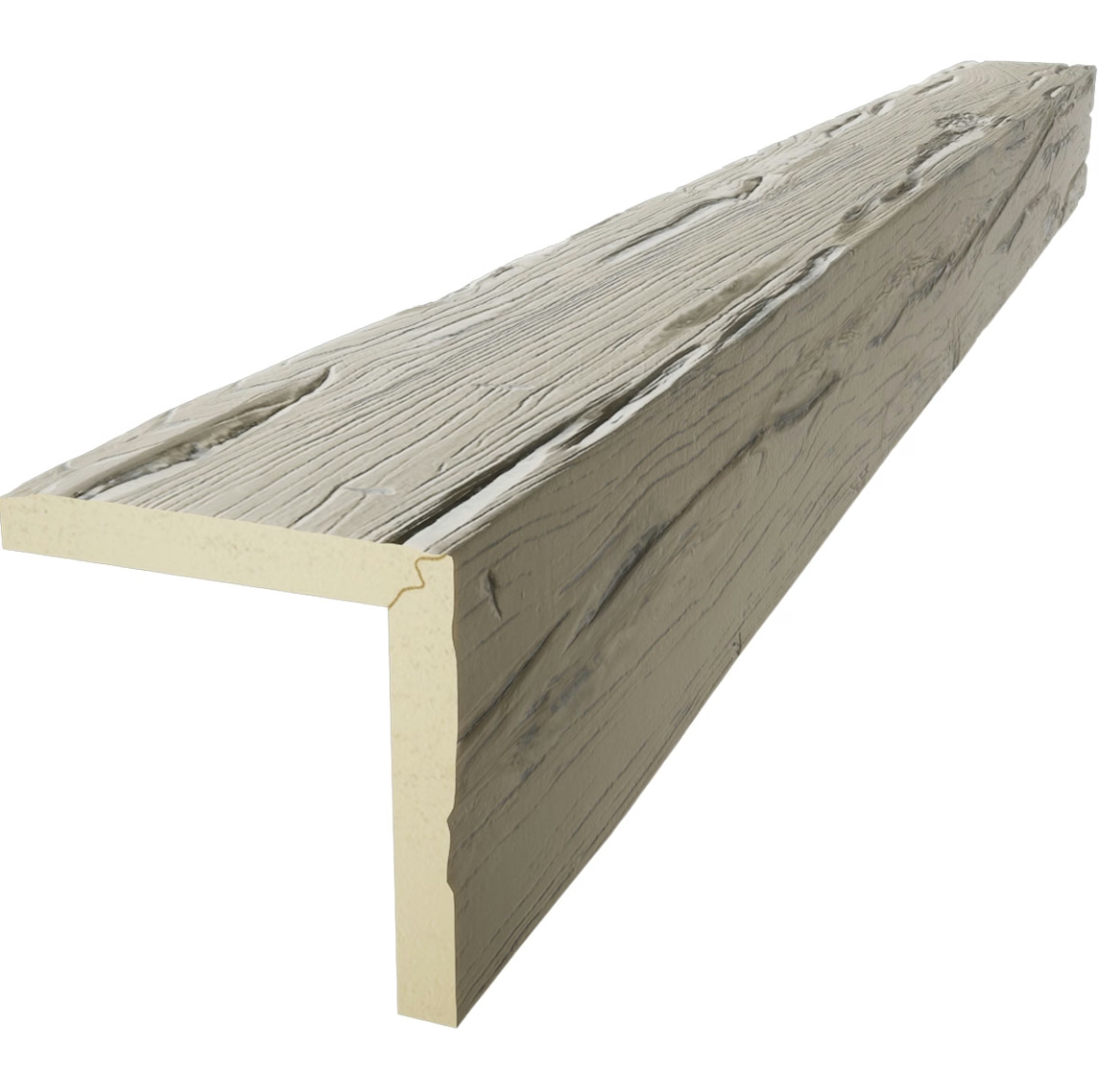
One of the primary advantages of PU joist covers over genuine timber alternatives involves maintenance requirements. The inherent durability of synthetic materials reduces or eliminates the ongoing care that natural wood requires, preserving appearance without regular attention.
Cleaning procedures for PU joist covers involve simple dusting or wiping with mild cleaning solutions. The smooth surfaces that characterize quality faux wood products prevent debris accumulation in grain patterns or crevices. This cleanability proves valuable in commercial applications where regular maintenance schedules may not accommodate specialized wood care.
Physical durability protects joist covers from the impacts that occur in active households or commercial spaces. Unlike genuine timber that dents or scratches readily, quality PU formulations maintain consistent surfaces despite regular contact. This toughness proves particularly valuable in family rooms, children's spaces, or high-traffic commercial areas.
UV stability ensures that indoor installations maintain consistent appearance despite years of exposure to natural and artificial light. Some less-expensive faux wood products yellow or fade over time, but quality PU formulations resist this degradation. Specifying UV-stable materials during product selection prevents appearance changes that would compromise design intent.
Technical References
ASTM standards cited in every specification
Test Data
Lab results from internal testing program
Updated 2026
Reviewed against current product specs