
The outdoor patio is an extension of the home, and it deserves the same level of design attention as any interior room. When the patio is covered by a pergola, a porch, or an overhang, the ceiling treatment is one of the most powerful tools available for creating a cohesive outdoor living space.
Decorative polyurethane faux wood beams are the ideal ceiling treatment for covered outdoor spaces because they combine the warmth and beauty of timber with the durability that exterior conditions demand. They are resistant to moisture, insects, and UV radiation, which means they maintain their appearance year after year without the maintenance requirements of real timber.
Why Outdoor Spaces Need Special Considerations
Exterior environments are more demanding than interior environments in every way that matters for building materials.
Moisture is the primary concern. Rain, humidity, and morning dew all expose the building materials to water, which can cause swelling, warping, cupping, and rot in real timber. A beam that looks beautiful in January may look distorted by August if it is made from real wood.
Insects are the second concern. Termites and carpenter ants are drawn to wood, and an exposed timber beam on a patio ceiling is an invitation to an infestation that may not be discovered until significant damage has been done.
UV radiation is the third concern. Direct sunlight breaks down the lignin in wood, causing the surface to gray and crack over time. A real timber beam that is exposed to direct sun requires regular sealing and maintenance to maintain its appearance.
Polyurethane beams do not absorb water, are not a food source for insects, and are formulated with UV inhibitors that prevent degradation in direct sunlight. These material properties make them the practical choice for exterior applications.
Common Outdoor Applications
Polyurethane faux wood beams are used in several outdoor applications, each with its own requirements.
Covered patios and lanais are the most common application. The beams run across the ceiling of the covered space, providing the visual warmth that turns a functional overhead cover into an outdoor room. The beams are sheltered from direct rain but still exposed to humidity, UV radiation, and temperature fluctuations.
Porch ceilings are another common application. The beams run perpendicular to the porch direction, creating a visual rhythm that complements the porch columns and railings. The porch ceiling is often a focal point of the facade, and the beam treatment significantly affects the overall character of the house.
Pool house and cabana ceilings are a specialized application. These spaces are exposed to higher humidity and chemical exposure from pool water, which makes polyurethane's moisture resistance even more valuable.
Outdoor kitchens and bar areas benefit from beam ceilings that create a warm, inviting atmosphere. The beams define the cooking and dining zones without blocking sight lines or ventilation.
Design Coordination with Outdoor Architecture
The beam design for an outdoor space should be coordinated with the architectural style of the house and the landscape design.
For a traditional or craftsman-style home, the beam profile should match the exterior trim and the porch detailing. A chamfered beam with a matching corbel or bracket at the porch column creates a cohesive transition from the house to the outdoor space.
For a contemporary home, a clean rectangular beam with a flat bottom edge supports the modern aesthetic. The beam finish should coordinate with the exterior color palette, which typically includes more neutrals and grays than interior palettes.
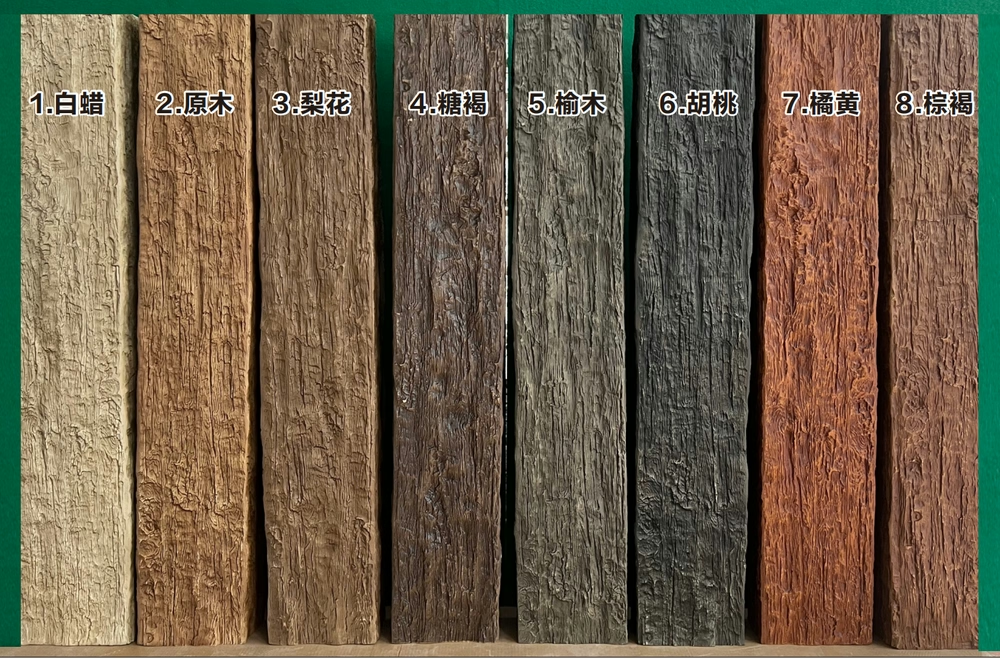
For a Mediterranean or Spanish Colonial style home, a more substantial beam with a rustic profile and a warm terracotta or walnut finish complements the stucco walls and tile roof.
Finishing for Exterior Durability
The finish on exterior polyurethane beams must be designed for outdoor exposure. A finish that works well indoors will fail prematurely outdoors.
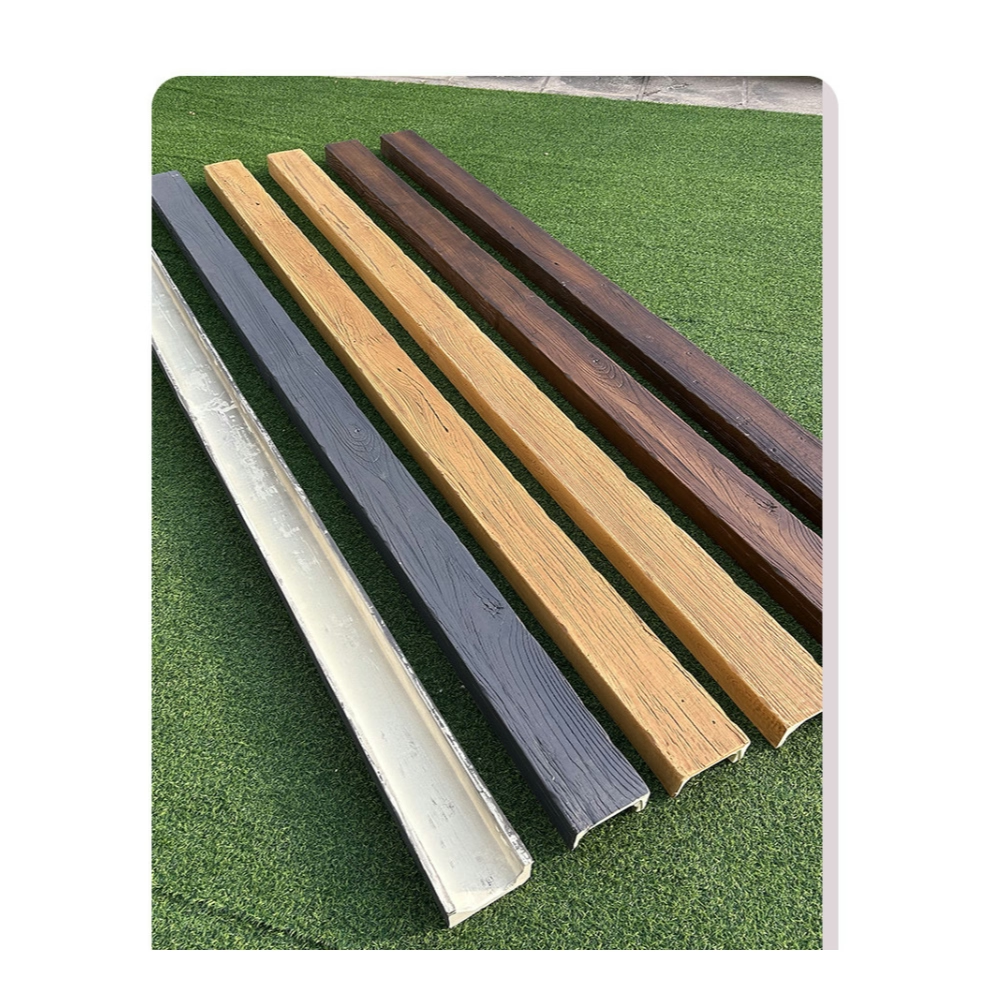
The most durable finish system for exterior polyurethane beams is a factory-applied primer and two coats of high-quality exterior acrylic paint. This system provides UV protection, moisture resistance, and color retention for many years without maintenance.
Stain finishes are less durable for exterior use because the stain pigment provides less UV protection than paint pigment. If a stain finish is desired, a clear topcoat with UV inhibitors should be applied over the stain to extend its life.
Clear coat finishes are not recommended for exterior use because the clear polyurethane yellows and degrades under UV exposure. If a natural wood look is desired, a light stain or a tinted clear coat provides better UV protection than a completely clear finish.
Integration with Outdoor Lighting
Outdoor beam installations require lighting that is designed for exterior use. The beam layout should be coordinated with the lighting plan to ensure that fixture positions and beam positions are compatible.
Recessed can lights in an outdoor beam ceiling must be rated for wet or damp locations depending on whether they will be directly exposed to rain. The fixture rating should be verified before the beam layout is finalized.
Hanging lanterns and pendant fixtures can be mounted to the beams using exterior-rated mounting hardware. The beam must be able to support the weight of the fixture, and the mounting point must be flashed to prevent water from entering the beam.
String lights and fairy lights can be draped across the beams to add ambient lighting and a festive atmosphere. The lights should be rated for exterior use, and the wiring should be routed to avoid direct exposure to rain.
Coordination with Pergola and Overhead Structures
Many outdoor beam installations are part of a larger overhead structure including pergola rafters, lattice, or trellis.
If the overhead structure includes exposed rafters, the faux beams can be mounted to align with the rafters, creating a unified ceiling plane. The faux beam finish should match the rafter finish to create a consistent appearance.
If the overhead structure is solid, the beams are mounted directly to the underside of the solid roof. The beam spacing should be proportional to the span and the overall dimensions of the covered area.
Weather Resistance and Maintenance
Polyurethane beams in exterior applications require minimal maintenance compared to real timber, but they are not completely maintenance-free.
An annual inspection should check for any damage from impact, severe weather, or biological growth. Any issues identified during the inspection should be addressed promptly.
A periodic cleaning with a soft brush and mild detergent removes accumulated dirt, pollen, and biological growth. The cleaning should be done on a cloudy day or in the early morning to prevent the cleaning solution from drying too quickly in direct sunlight.
The finish may need to be touched up every three to five years depending on the exposure and the quality of the original finish. Touch-up is straightforward: sand the affected area, prime, and apply topcoat.
Cost Considerations
An outdoor beam installation for a covered patio or porch typically costs between forty and one hundred dollars per linear foot, depending on the beam profile, the finish quality, and the complexity of the installation. For a typical fifteen-by-twenty-foot covered patio, the total beam budget is between six thousand and twelve thousand dollars.
This investment adds significant value to the outdoor living space. A covered patio with a beam ceiling is more usable, more attractive, and more valuable than the same patio without a beam ceiling.
What Designers Should Know
Designers specifying beams for outdoor applications should pay special attention to the finish specification. The finish must be designed for exterior use, and the beam material must be formulated with UV inhibitors for long-term durability.
A sample of the planned beam finish should be exposed to direct sunlight for several days before the production order is placed. This exposure test reveals any issues with the finish system before the beams are installed in a location that is difficult to access.
The mounting system should be designed to prevent water from reaching the structural connections. All joints and penetrations should be flashed and sealed to ensure a long service life.
What Homeowners Should Know
Homeowners who are adding a covered patio or porch to their home should include beam ceiling treatment in the original design. The beam specification should be part of the architectural drawings and the contractor's scope of work.
The beam installation is a relatively small additional cost compared to the overall cost of the covered structure, but it has an outsized impact on the appearance and the usability of the space.
A covered patio with a quality beam ceiling is a space that the family will use for years, and the investment in the beam treatment pays dividends in comfort, enjoyment, and property value.
Technical References
ASTM standards cited in every specification
Test Data
Lab results from internal testing program
Updated 2026
Reviewed against current product specs


