
Dark wood interiors convey messages that light woods cannot match. Rich mahogany, walnut, and aged oak surfaces communicate permanence, established wealth, and classical refinement. These associations develop from centuries of seeing such materials in significant buildings—churches, libraries, estate homes, and civic structures. When designers seek interiors that feel timeless rather than trendy, dark wood ceiling beams provide the visual anchor around which other elements arrange themselves.
Oak specifically carries cultural weight in many design traditions. Its density and durability made it the preferred material for ship's hulls, barrel staves, and structural framing in European and American architecture. The wood's distinctive grain pattern—strong rays, pronounced growth rings, and tendency toward figured grain in select specimens—creates visual interest that sophisticated observers appreciate. Deep dark oak, whether achieved through staining lighter species or capturing the appearance of naturally dark timber, concentrates these associations into ceiling treatments that anchor rooms visually.
Color Psychology in Ceiling Design
Ceiling color influences how rooms feel at emotional levels that conscious analysis rarely reaches. Light ceilings recede, making spaces feel open and expansive but potentially disconnected from human scale. Dark ceilings advance, creating intimacy and enclosure that many find psychologically comfortable but that can feel oppressive if overdone. Dark wood ceilings occupy an intermediate position—dark enough to provide visual weight and grounding, but carrying warmth and texture that pure black or gray cannot achieve.
Dark oak beam treatments establish warmth that affects how other colors read in the space. Warm undertones in the wood reflect into nearby surfaces, preventing the color temperatures that can make rooms feel clinical or sterile. This warming effect particularly benefits north-facing rooms and spaces with limited natural light, where the wood's inherent warmth compensates for environmental coolness. Conversely, spaces already warm from abundant sunlight or southern exposure may benefit from cooler-toned wood selections or more restrained beam application.
The saturation and value of dark oak finishes require careful consideration in context. Highly saturated dark finishes create drama that commands attention—appropriate for formal spaces like dining rooms and master suites, potentially overwhelming for frequently occupied functional areas like kitchens and home offices. Lower saturation versions read as sophisticated rather than dramatic, providing visual interest without dominating the color field. Understanding how finish parameters affect overall room character guides selection decisions that samples alone cannot address.
Profile Selection for Traditional Interiors
Beam profiles carry historical associations that inform their appropriateness for different interior styles. Heavily detailed profiles with multiple planes, chamfered edges, and decorative cornice elements suggest Renaissance and Baroque periods when such craftsmanship was common in significant buildings. Simpler profiles with clean lines and minimal ornamentation align better with Colonial and Federal period aesthetics. Craftsman-style profiles featuring exposed joinery details match Arts and Crafts movement interiors. Matching profile to overall design vocabulary ensures coherence that mismatched selections undermine.
Scale relationships between beam profiles and room dimensions affect whether traditional interiors feel authentic or theatrical. Historically, beams sized themselves to structural needs—larger spans required larger timbers regardless of aesthetic preference. Contemporary faux beams freed from structural requirements can choose sizes based purely on appearance. However, dramatically oversized beams in modest rooms create museum-display effects rather than genuine traditional atmosphere. Appropriate scaling requires understanding what beam sizes historically appeared in rooms of similar proportions.
Coffered ceiling patterns using dark oak beams create formal treatment appropriate for grand spaces. Geometric grid patterns divide ceilings into recessed panels that add architectural depth and visual complexity. The beams themselves become decorative elements as well as structural ones, their dark finish contrasting with lighter coffer backgrounds to establish strong horizontal lines that anchor room proportions. Coffered treatments work best in rooms with ceiling heights exceeding ten feet; lower ceilings may feel further compressed by the added horizontal elements.


Coordinating with Existing Woodwork
New ceiling beams must relate to existing wood elements—flooring, paneling, built-in cabinetry, or furniture—to create unified interior compositions. The relationship need not be matching; deliberate contrast often produces more interesting results than identical coordination. However, the relationship must be intentional, with the designer's choices clearly communicating purpose rather than reflecting indecision.
Flooring typically presents the largest continuous wood surface in traditional interiors. When ceiling beams read as darker than flooring, they establish grounding that pulls the eye downward toward the floor plane. When beams read as lighter than flooring, the ceiling becomes the dominant visual element, potentially competing with flooring's natural character. Neither approach is universally correct; the choice depends on what visual hierarchy the design intends.
For rooms where exact color matching is impractical—different wood species, existing finishes that cannot change, or materials that prohibit close coordination—texture and finish level provide alternative unifying strategies. Similar grain intensity, comparable sheen levels, and matching surface treatments create visual connections even when colors differ. A high-gloss dark beam next to matte-finished dark flooring reads as discordant regardless of color proximity, while a satin-finish beam adjacent to satin-finish flooring creates coherence despite chromatic differences.
Lighting Integration Strategies
Traditional interiors with dark wood ceilings require deliberate lighting design to function well visually. Natural light from windows creates ever-changing illumination that interacts with dark surfaces differently throughout the day. North-facing windows provide relatively consistent cool light that flatters dark wood without harsh shadows. South-facing windows create dramatic contrast as direct sun shifts across the space, highlighting beam textures with strong shadow play.
Artificial lighting supplements and supplements natural light through pendant fixtures, recessed fixtures, wall sconces, and track lighting. Pendant fixtures positioned to cast light directly onto beam surfaces emphasize texture through shadow and highlight, creating visual drama. Recessed lighting in adjacent ceiling areas provides ambient illumination while keeping beam surfaces relatively unlit, emphasizing the ceiling plane rather than individual beam details. Combination approaches balance these effects, using multiple fixture types to create layered illumination that serves functional needs while showcasing beam aesthetics.
Directional lighting from adjustable fixtures proves particularly valuable for traditional interiors. Track lighting systems allow precise aiming of spot fixtures toward specific beam surfaces, creating accent lighting that draws attention to particularly fine craftsmanship or interesting grain patterns. This flexibility accommodates different beam configurations and ceiling layouts without requiring specialized fixture planning.
Maintenance Considerations for Dark Finishes
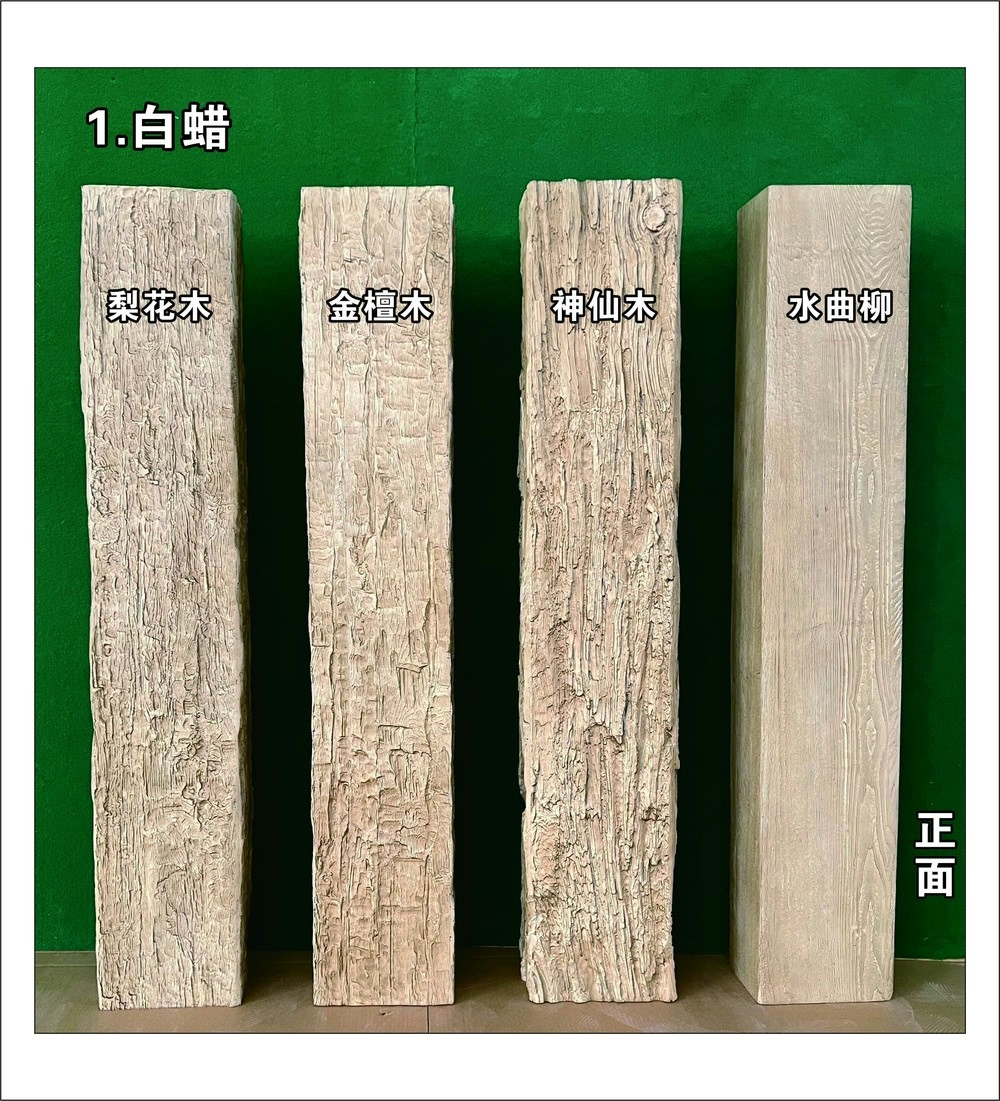
Dark wood finishes—whether on real timber or PU faux beams—show dust and wear differently than lighter treatments. Light finishes tend to hide surface contamination within their general reflectivity. Dark finishes, particularly matte-finished dark surfaces, reveal accumulated contamination as visible changes in tonality. Regular maintenance for dark beam installations requires more frequent cleaning than lighter alternatives might demand.
PU faux beams with factory-applied dark finishes maintain their appearance through standard cleaning without refinishing. Dust removal with soft cloths or gentle vacuuming preserves surface quality. For accumulated contamination, mild detergent solutions followed by清水 rinsing restore appearance without the abrasive action that might damage finishes. The key is consistency—regular cleaning prevents buildup that becomes progressively more difficult to address.
Touch-up capability matters for long-term maintenance. Minor scratches or chips in dark finishes require color-matched repair compounds that blend with surrounding areas. Manufacturers providing touch-up kits with their products enable buyers to address minor damage economically. Without such kits, professional refinishing becomes necessary for damage beyond routine cleaning capabilities—a significant expense that planned maintenance practices can prevent.
Technical References
ASTM standards cited in every specification
Test Data
Lab results from internal testing program
Updated 2026
Reviewed against current product specs


