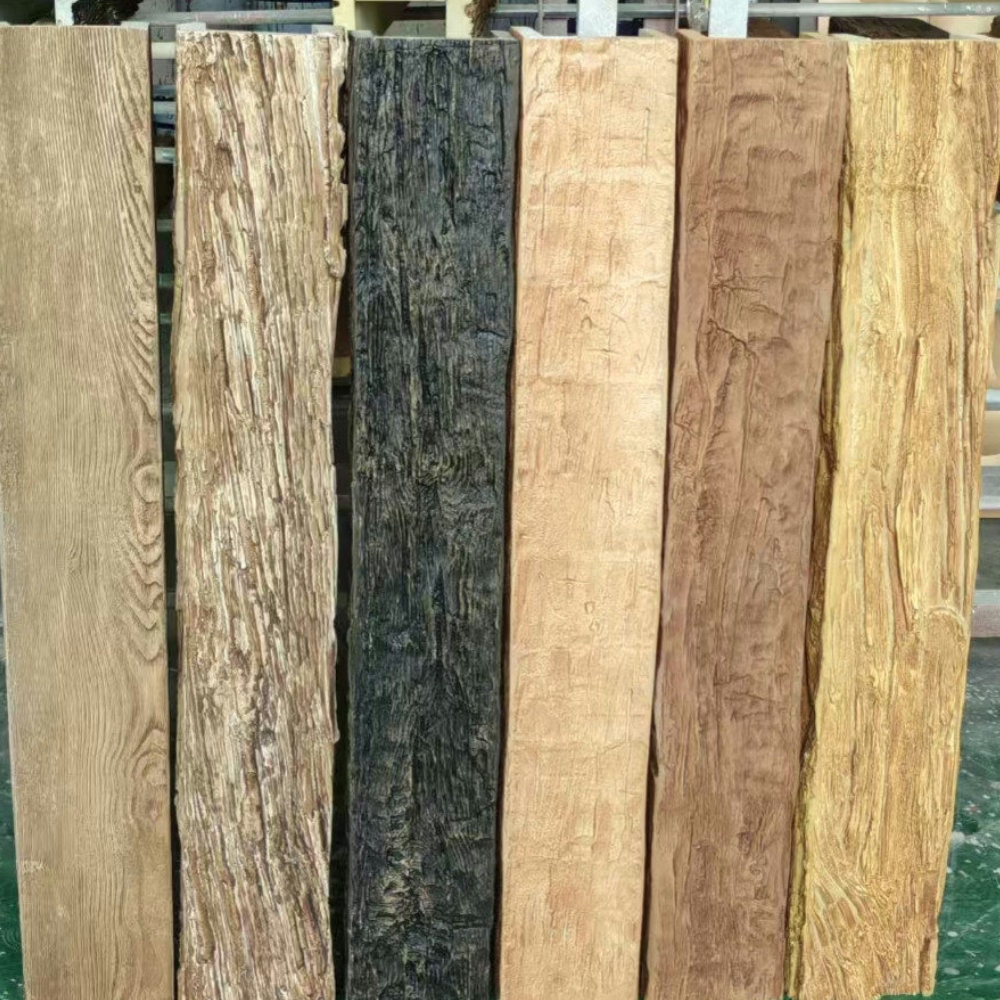
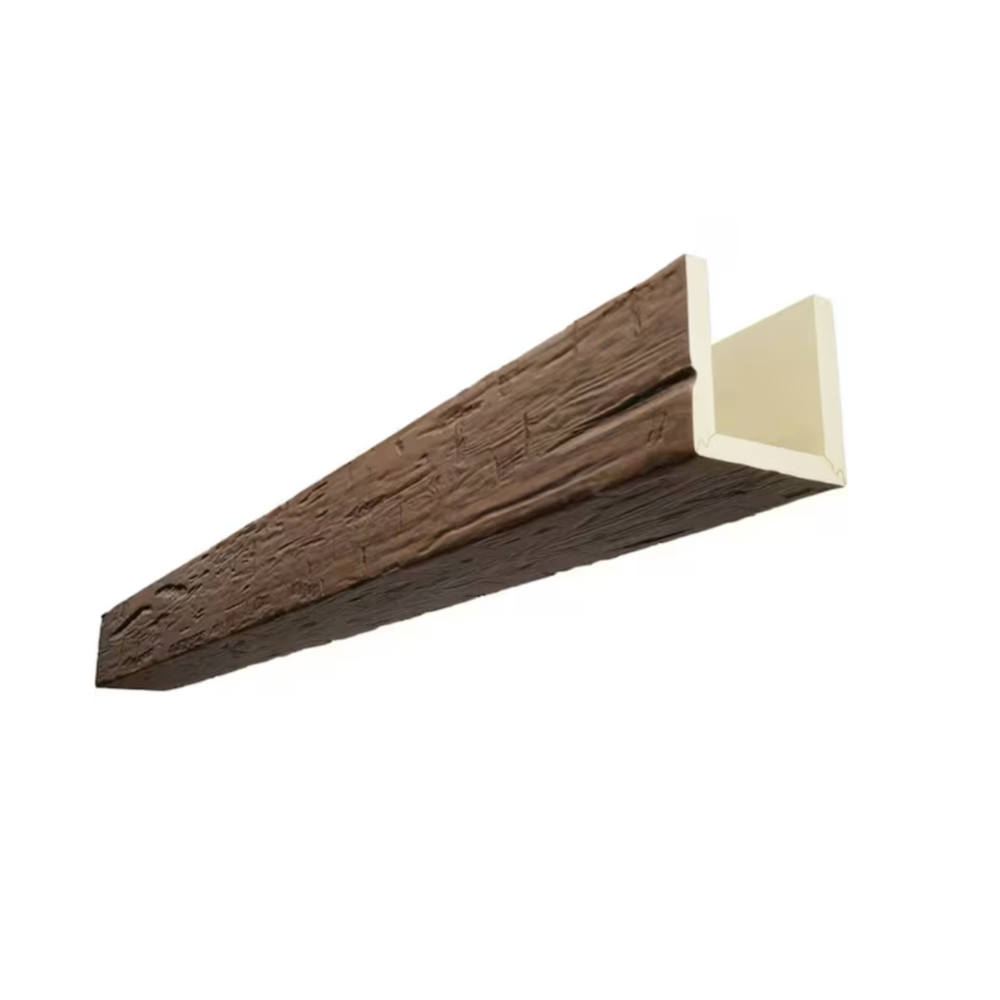
The call came from a frustrated designer whose client had fallen in love with exposed timber ceilings after a ski resort vacation. The problem: their single-family home sat on a second-floor platform that couldn't support real beams. "Is there really no good option?" the designer asked. There is now—deep embossed realistic wood grain textured faux ceiling beams have matured to the point where even trained eyes struggle to identify them as synthetic.
This technology has moved well beyond the painted foam beams that dominated early faux wood products. Today's textured ceiling beams capture the complexity of natural wood through sophisticated manufacturing processes that create surface detail invisible to casual observation but immediately apparent to touch and scrutiny.
Understanding the Deep Embossing Process
The manufacturing journey begins with carefully prepared模具 (molds) crafted from genuine wood samples. Craftsmen select boards exhibiting exemplary grain character, growth patterns, and natural features. High-resolution scanning and precision milling create steel molds that reproduce every pore, scratch, and undulation found in the original timber.
When polyurethane compound enters these molds under pressure, it flows into the finest details before curing. The resulting texture doesn't merely resemble wood grain—it contains the actual topographic data of natural grain patterns. When light falls across an embossed surface, shadows form in the grain valleys just as they would on genuine timber, creating depth that photographs and flat printing cannot replicate.
Temperature and pressure variables in the embossing process allow manufacturers to adjust texture intensity. Some wood species benefit from aggressive deep embossing that emphasizes dramatic grain character, while others require subtler treatment to preserve refined elegance. This process control ensures each species appearance performs authentically rather than cartoonishly.
Realistic Grain Patterns Across Popular Species
Each wood species presents unique challenges for texture reproduction. Oak's pronounced ray fleck and varied pore structure requires different embossing approach than maple's subtle grain and uniform cell patterns. Manufacturers address these differences through species-specific mold preparation and process parameters.
Reclaimed barn wood aesthetics have become particularly popular in recent years. Capturing the silvered patina, nail holes, and weathering patterns of aged lumber demands specialized mold work that preserves those character marks while maintaining consistent quality across production runs. These products serve clients seeking rustic authenticity without the inconsistencies that make reclaimed sourcing unpredictable.
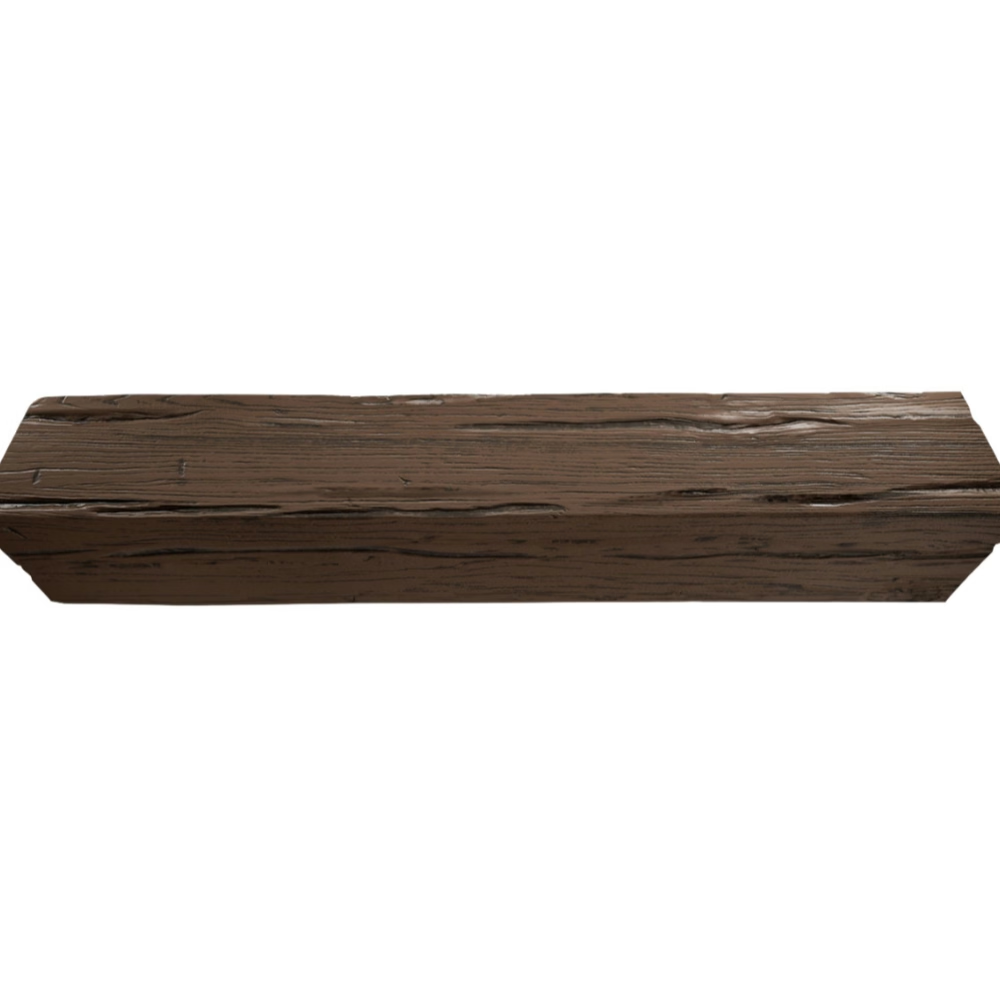
The walnut appearance deserves special mention for its popularity in contemporary design. Deep embossing handles walnut's flowing grain and rich color transitions particularly well, producing beams that read as substantial and luxurious. Dark stain options further enhance the sophisticated appearance, making these beams frequent selections for high-end residential projects and boutique hospitality spaces.
Installation Methods for Ceiling Applications
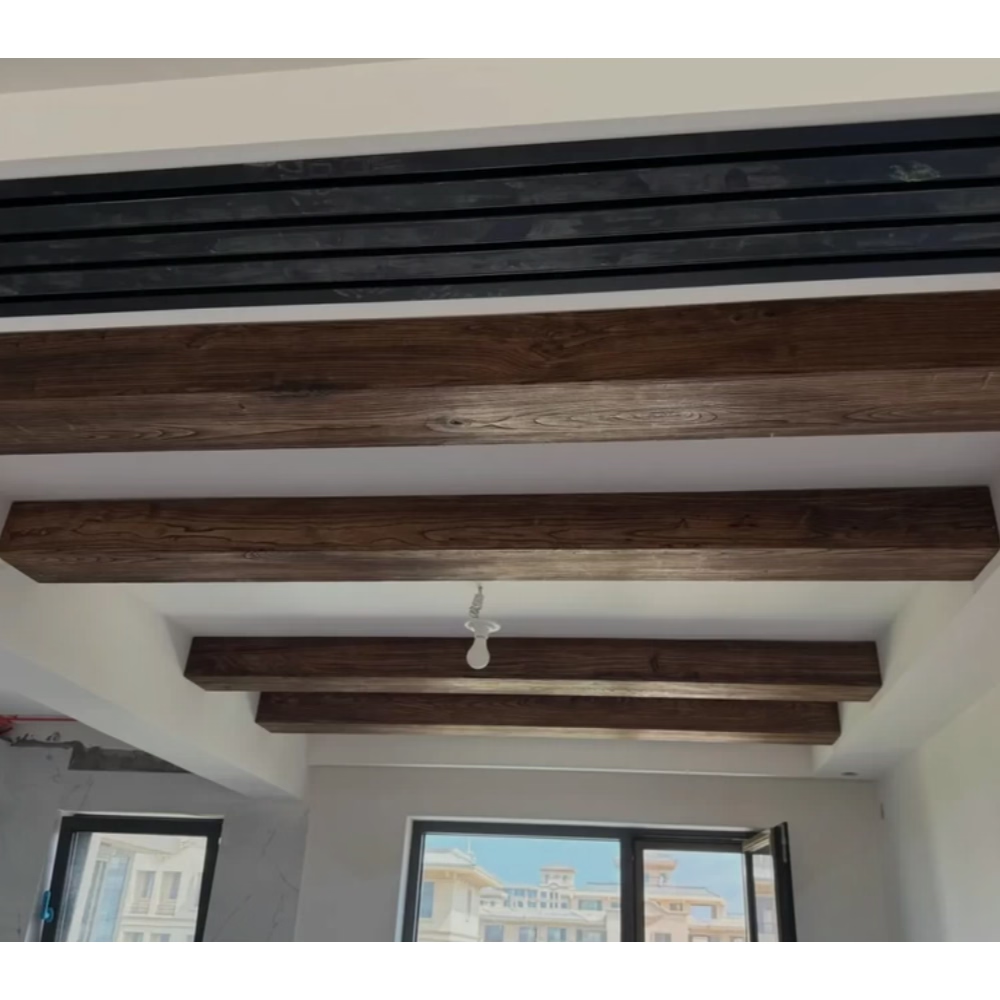
Textured faux beams install through several approaches depending on structural requirements and aesthetic goals. The lightest applications use adhesive bonding directly to ceiling surfaces, suitable for thin profile beams in spaces where minimal protrusion suffices. This method works best when existing ceiling conditions are sound and the beams serve purely decorative rather than architectural purpose.
Suspended mounting brackets support beams spaced away from ceiling planes, creating the floating beam appearance popular in vaulted ceiling treatments. This gap also allows integration of recessed lighting, speakers, or HVAC diffusers within the beam structure, adding functional value to the aesthetic upgrade.
Structural beams that must bear load or span significant distances utilize steel mounting channels secured to building structure. The decorative beam shell then attaches to these channels, concealing the functional support while presenting the full-textured wood appearance. This approach handles situations where beams must support drywall panels, light fixtures, or other ceiling elements.

Matching Textured Beams to Existing Architecture
Successful beam installations complement rather than fight existing architectural elements. The deep embossing technology provides flexibility in wood species selection, allowing designers to specify appearances that harmonize with flooring, millwork, or furniture already present in the space.
Color matching requires particular attention when beams adjoin natural wood elements. Finish samples should be evaluated under all lighting conditions the space experiences—natural daylight shifts throughout the day while artificial lighting varies by fixture type. A warm honey oak beam may look perfect at noon but appear too orange under evening halogen illumination, or vice versa.
For renovation projects involving existing timber elements, manufacturers can create custom molds from samples of the original wood. This service, while adding lead time and cost, produces beams with textures so closely matched that the junction between old and new becomes invisible. Historical restoration projects particularly benefit from this capability.
Climate Considerations and Material Stability
Natural wood responds dramatically to humidity changes, expanding when moist and contracting when dry. This movement creates gaps in ceiling beam installations, causes joints to open, and eventually produces cracking that betrays wood's age. Textured faux beams made from polyurethane eliminate these concerns through dimensional stability regardless of atmospheric conditions.
Bathroom and kitchen installations particularly benefit from this stability. These spaces experience significant humidity fluctuations as showers run, food cooks, and ventilation cycles operate. Real wood in such environments requires careful sealing and may still develop problems over time. PU beams handle these conditions without special treatment or maintenance attention.
Exterior applications push material requirements further, introducing UV exposure, precipitation, and temperature extremes. Not all textured beams suit outdoor use—buyers should verify manufacturer specifications for weatherability before specifying for exterior projects. Those rated for exterior use typically incorporate enhanced UV inhibitors and more robust protective finishes.
Cleaning and Care for Long-Term Appearance
The textured surfaces that create realistic wood appearance require appropriate cleaning approaches. Unlike flat painted surfaces that can handle vigorous scrubbing, embossed textures trap dirt in grain valleys where aggressive cleaning may spread rather than remove contamination.
Routine maintenance involves dusting with soft brushes or vacuuming with upholstery attachments. Periodic deeper cleaning uses soft cloths dampened with mild soap solutions, applied with gentle wiping motion following grain direction. This directional cleaning prevents pushing debris across grain peaks where it might accumulate in valleys.
Commercial spaces with high visitor traffic may require more frequent attention. Hotel lobbies, restaurant dining rooms, and retail showrooms benefit from weekly cleaning schedules that prevent particle buildup in textures. Establishments should train cleaning staff on appropriate techniques rather than assuming standard surface cleaning methods will suffice.
Cost Analysis and Project Budgeting
Budget conversations around textured faux beams should encompass total installed cost rather than unit pricing alone. When compared against the combined expenses of structural engineering for heavy timber, specialized installation labor, ongoing maintenance, and eventual refinishing, textured faux beams often present favorable economics despite higher initial unit costs.
For budget-constrained projects, strategic deployment offers a middle path. Applying textured beams to visible ceiling areas while using simpler treatments in secondary spaces achieves the design statement without comprehensive application. Accent beams over focal points like fireplace surrounds or dining tables can create impact disproportionate to linear footage installed.
Importers and project managers evaluating suppliers should request comprehensive quotations including shipping, any required hardware, finishing materials, and technical support. The lowest quoted beam price often fails to represent true project cost when ancillary expenses emerge during implementation.

Selecting a Manufacturer or Supplier
The quality range in textured faux beams spans enormous territory. Visiting trade shows allows hands-on evaluation of products from multiple manufacturers, comparing texture depth, finish quality, and material density. Request samples for extended evaluation before committing to significant purchases.
Communication responsiveness indicates likely service quality post-purchase. Manufacturers who answer technical questions thoroughly, provide detailed installation guidance, and respond promptly to inquiries generally deliver corresponding attention to product quality. Those difficult to reach before purchase rarely improve after receiving payment.
Warranty terms reveal manufacturer confidence in their products. Multi-year warranties against defects indicate belief in material durability. Warranties limited to manufacturing defects but excluding finishing issues may signal problems with coating longevity that could emerge in service.
The Future of Textured Ceiling Beam Technology
Manufacturing continues advancing these products in several directions. Enhanced UV-stable colorants expand exterior application possibilities. Improved fire ratings address increasingly strict building codes. Bio-based polyurethane formulations respond to sustainability concerns while maintaining performance characteristics.
Digital scanning technology enables more accurate texture capture from specialty woods, including those from sustainable plantation sources or recovered demolition materials. This capability preserves wood aesthetics that might otherwise disappear as old-growth supplies diminish.
The ceiling beam market continues growing as awareness spreads among designers and developers previously unfamiliar with available options. Projects previously limited by structural constraints or budget realities now achieve timber aesthetics through these manufactured alternatives. The technology has matured from "good enough for some applications" to "indistinguishable from the real thing" in most viewing conditions.
Specifying deep embossed realistic wood grain textured faux ceiling beams no longer requires apology or qualification. These products stand on their merits, delivering authentic beauty with practical advantages that natural timber cannot match. The next time a client dreams of warm wood ceilings, the constraint is imagination rather than feasibility.
Technical References
ASTM standards cited in every specification
Test Data
Lab results from internal testing program
Updated 2026
Reviewed against current product specs