The designer faced a familiar dilemma: the client wanted walnut ceiling beams, but budget constraints ruled out genuine American black walnut. The wood itself costs more per board foot than many contractors earn per hour, and solid walnut beams of the required dimensions would require trees centuries old. Then someone mentioned deep pore walnut texture beams in polyurethane. skepticism turned to surprise during the product presentation. The sample felt like walnut. It looked like walnut. Under natural light streaming through clerestory windows, it still looked like walnut. The project proceeded with PU beams, and four years later, the client remains convinced they got real walnut.
Walnut occupies a special position among hardwoods—prized for its rich chocolate-brown color, flowing grain patterns, and the subtle chatoyance that makes surfaces shimmer as viewing angles change. Reproducing this distinctive character in manufactured products requires more than surface appearance; it demands understanding what makes walnut walnut.
Understanding Walnut Wood Characteristics
American black walnut (Juglans nigra) develops its signature appearance through distinctive growth patterns that manufacturing must capture:
Grain character flows with moderate to pronounced figure, ranging from straight-grained sections to areas with dramatic sweeping patterns. The transition between these character zones creates visual interest that distinguishes walnut from straighter-grained species. Deep embossing must reproduce both the gentle curves of cathedral grain and the irregular figure of crotch wood.
Pore structure distinguishes walnut from oak and ash, which feature prominent open pores. Walnut's pores are diffuse and inconspicuous, creating relatively smooth surfaces between grain lines. This subtle porosity requires refined embossing that adds texture without appearing coarse.
Color ranges from pale tan in sapwood to deep chocolate brown in heartwood, with frequent purple undertones that deepen with age and UV exposure. The natural color variation within and between boards creates richness that flat staining cannot replicate. Quality finishing must capture this tonal complexity.
Figure elements including curl, mottle, and burl appear in some walnut specimens, creating highly figured appearance prized for specialty applications. Embossed versions of these specialty appearances require mold capture from exceptional specimens that exhibit the desired figure character.
Deep Pore Technology Requirements
The term "deep pore" refers to surface texture that emphasizes the small-scale topographic variation that defines wood character at close inspection. Walnut's subtle porosity demands refined deep pore technology:
Fine detail reproduction captures the microscopic cell structure visible when examining wood at arm's length. This close-in detail distinguishes authentic wood from convincing imitations that appear flat when examined carefully.
Tonal interaction between pore depths and surrounding surfaces creates the visual depth that makes walnut compelling. Light reflects differently from pore bottoms versus cell walls, creating subtle color shifts that enrich appearance. Shallow texturing flattens this effect.
Touch response completes the illusion. Running fingertips across genuine walnut reveals the slight texture of pore openings and cell structure. Any smoothness signals synthetic material to the touch even when appearance passes visual inspection.
Consistency across large installations ensures that beams placed side by side present uniform appearance. Natural walnut varies dramatically between boards; deep pore technology provides controlled reproduction that reads as natural while eliminating the unpredictability of timber.

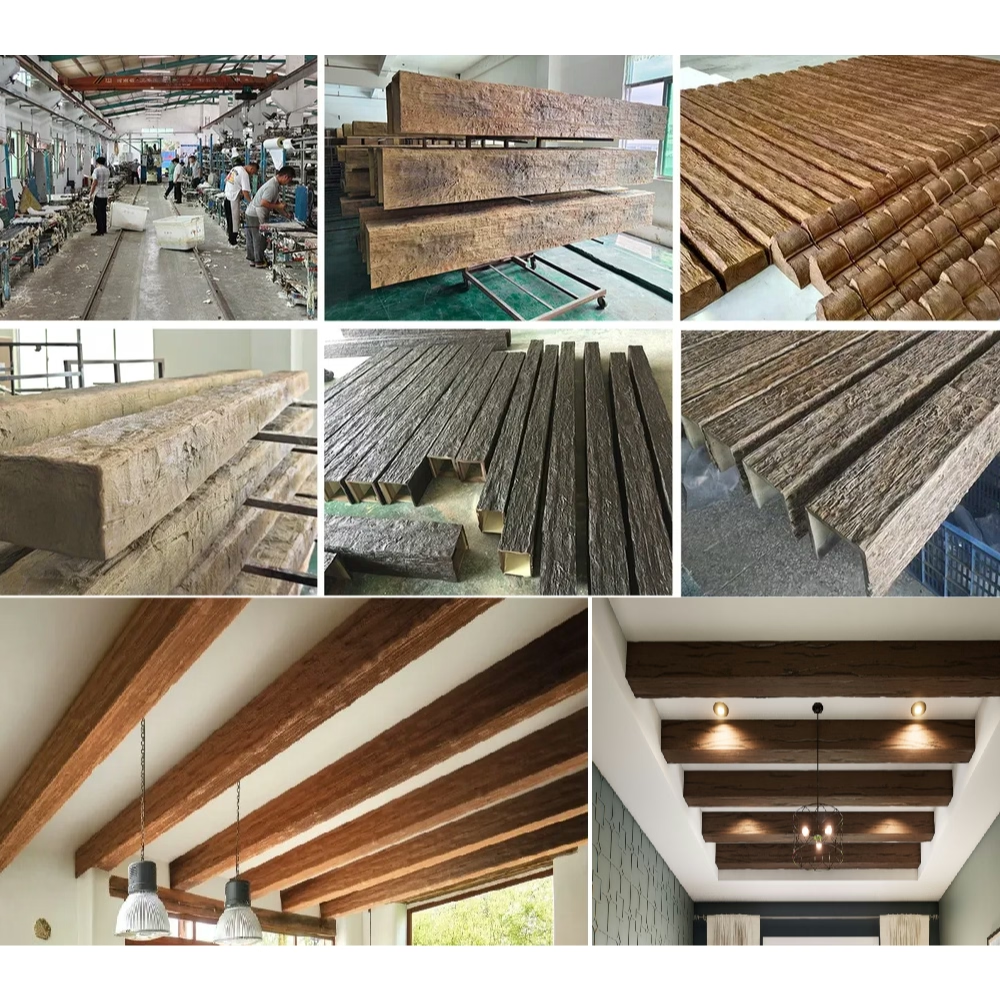
Polyurethane Advantages for Walnut Simulation
Polyurethane's material properties complement deep pore walnut texturing with practical benefits:
Surface hardness accepts deep pore embossing while resisting the scratches and impacts that would damage natural wood. Kitchens, children's spaces, and high-traffic commercial areas benefit from this durability that natural walnut cannot provide without extensive finishing protection.
Finish stability maintains the rich walnut color without the darkening that occurs as natural walnut ages. While some designers appreciate aged walnut's deepened patina, others prefer consistent appearance that PU provides throughout the product's service life.
Moisture resistance prevents the issues that affect natural walnut in humid environments. Kitchen installations near cooking steam, bathroom applications, and basement spaces that challenge organic materials present no problems for polyurethane alternatives.
Insect resistance eliminates pest concerns that accompany natural wood in many regions. Termites and other wood-boring insects ignore polyurethane, removing one category of maintenance requirement entirely.
Finishing Techniques for Authentic Walnut Appearance
Color matching walnut requires sophisticated finishing that goes beyond simple staining:
Base color establishes the fundamental brown tone that defines walnut. This coat must capture the purple undertones that distinguish walnut from similar brown woods like cherry or mahogany. Color matching under multiple light sources ensures consistent appearance throughout the day.
Pore filling addresses the small depressions that deep pore technology creates. Filler materials level these depressions partially while leaving enough depth for realistic appearance. Complete filling eliminates the texture that deep pore technology creates; insufficient filling leaves distracting voids.
Tonal layering builds complexity through varied color application. Darker tones accumulate in pore areas; lighter tones highlight raised surfaces. This interaction creates the visual depth that distinguishes authentic appearance from flat-painted imitations.
Glazing adds the final layer of complexity that makes premium finishes compelling. Glaze pools in embossed depressions, creating the natural color concentration found in aged wood. The pooling effect emphasizes deep pore texture while enriching overall color complexity.
Protective topcoats seal these layers while maintaining authentic appearance. Quality topcoats remain clear without yellowing or clouding that would compromise the intended walnut color.
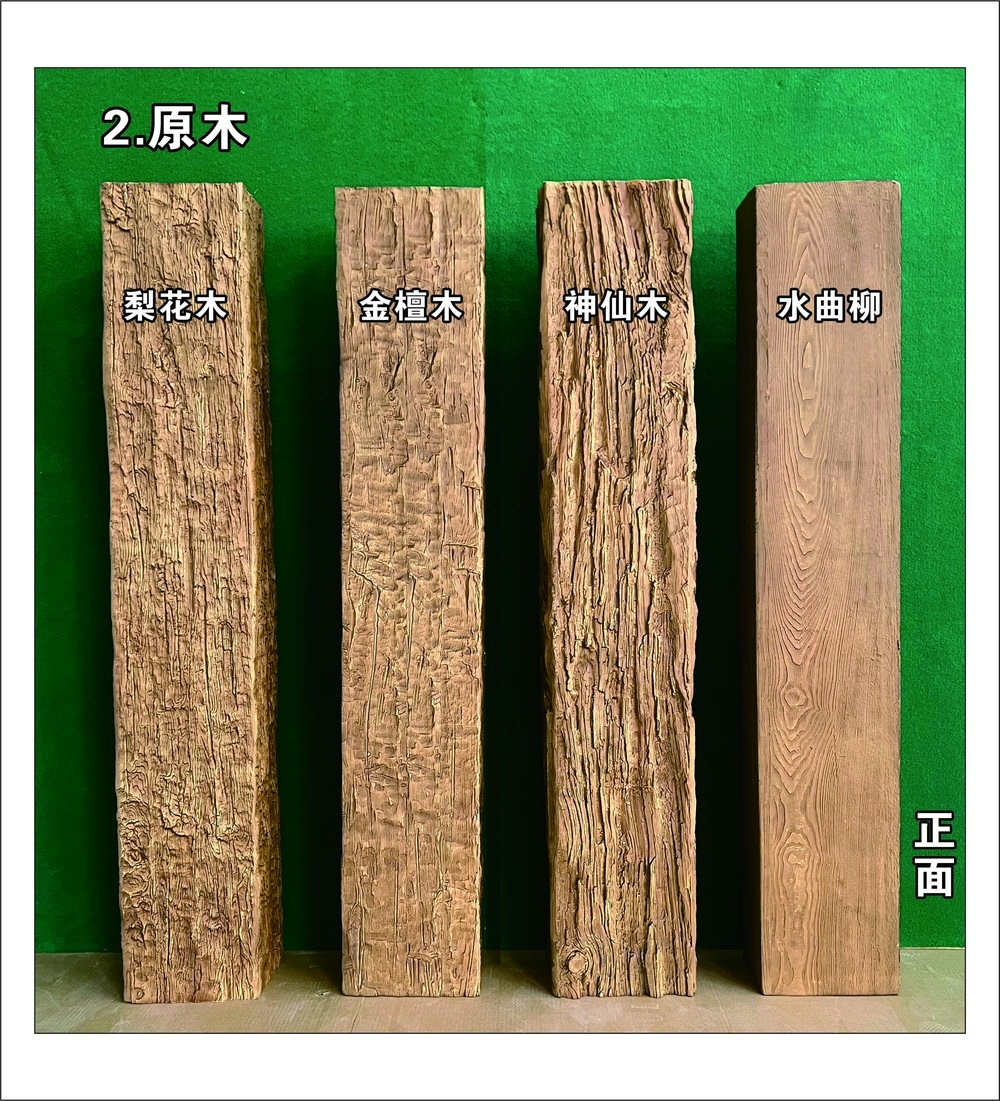
Application Contexts for Walnut Texture Beams
Deep pore walnut texture beams serve diverse applications where rich brown wood aesthetics enhance design:
Residential great rooms and living spaces benefit from the warmth that walnut contributes to interior environments. Vaulted ceilings that might feel cavernous in lighter woods feel appropriately substantial with walnut-toned beams providing visual anchoring.
Home offices and studies gain sophisticated character from walnut's traditional association with fine furniture and architectural detail. The refined appearance supports the serious professional atmosphere these spaces often require.
Hospitality installations including hotel lobbies, executive boardrooms, and upscale restaurant dining rooms specify walnut-textured beams to convey quality and permanence. The durability advantage over natural wood supports these demanding applications.
Retail environments featuring luxury goods benefit from the upscale appearance that walnut contributes. Jewelry stores, furniture showrooms, and fashion boutiques utilize wood aesthetics that align with premium product positioning.
Installation Considerations for Walnut-Textured Beams
Professional installation ensures that premium beams receive premium treatment:
Handling protects surface finish during transport and positioning. While deep pore PU resists damage better than natural wood, care during installation prevents scratches and impacts that would require repair.
Mounting hardware appropriate to beam weight and application provides lasting structural support. Exposed hardware in visible locations should receive finish treatment matching or complementing the beam appearance.
Joint treatment addresses the intersection points where beams meet walls, corners, or other beams. Factory-produced end caps and return pieces simplify these details; field finishing techniques blend visible joints when factory pieces aren't available.
Lighting interaction affects how deep pore texture reads in completed installations. Beams that appear excellent under one lighting condition may disappoint under others. Evaluation under actual installation lighting prevents surprises.
Maintaining Deep Pore Walnut Appearance
The low-maintenance nature of deep pore walnut-textured beams contrasts with natural walnut's care requirements:
Regular dusting removes accumulated particles before they settle into pore depressions. Soft brushes or vacuum upholstery attachments handle routine cleaning without aggressive scrubbing that might damage protective coatings.
Periodic cleaning with mild soap solutions addresses accumulated soil in high-exposure installations. Soft cloths applied with gentle wiping follow pore direction, avoiding circular motion that might create visible patterns.
Touch-up capability addresses damage that does occur. Manufacturers typically offer matching repair compounds for addressing scratches, chips, or impact damage. These materials fill and finish to blend with surrounding surfaces.
The deep pore texture creates small crevices that can accumulate debris in extremely dirty environments. Commercial kitchens, workshops, and similar spaces may require more frequent attention to maintain appearance in these challenging conditions.
Cost Considerations and Value Analysis
Premium deep pore walnut-textured beams command prices reflecting their quality, but lifecycle analysis often favors this investment:
Initial cost comparison with natural walnut beams reveals dramatic savings. Material costs alone for genuine walnut often exceed total installed cost for premium PU alternatives. The comparison becomes even more favorable when installation labor, structural requirements, and maintenance provisions enter the calculation.
Lifecycle maintenance for natural walnut includes periodic refinishing, scratch repair, and the eventual replacement that degradation requires. Deep pore PU eliminates these ongoing expenses throughout extended service life.
Replacement cycles for natural walnut in demanding applications may occur every 10-15 years. Quality PU installations typically continue service for the building's functional life without replacement.
Client satisfaction value exceeds pure financial calculation. The designer who specified PU walnut beams and delivered appearance indistinguishable from natural timber earns reputation benefits that support future project opportunities.
Selecting Walnut-Textured Beam Products
Discerning buyers evaluate several factors when specifying deep pore walnut-textured beams:
Texture depth specification indicates manufacturing quality. Premium products specify embossing depth measurements that confirm genuine deep pore technology rather than superficial texturing.
Sample evaluation under actual lighting conditions reveals whether appearance meets expectations. Request samples for installation in your project's lighting before committing to purchase.
Manufacturer reputation and warranty coverage indicate product confidence. Reputable manufacturers stand behind their products with meaningful warranty protection.
Technical support availability helps address installation questions and challenges. Manufacturers who provide responsive technical assistance typically produce higher quality products.
Deep pore walnut texture represents the pinnacle of wood simulation technology. The combination of authentic texture, sophisticated finishing, and practical material properties creates products that satisfy clients seeking walnut aesthetics without natural wood's limitations and costs. The next project requiring rich brown wood appearance may find its ideal solution in these advanced manufactured alternatives.
Technical References
ASTM standards cited in every specification
Test Data
Lab results from internal testing program
Updated 2026
Reviewed against current product specs


