Defect Identification and Documentation Photography Best Practices
Proper defect documentation through systematic photography supports warranty claims, insurance filings, and contractor dispute resolution. Following professional documentation protocols ensures clear communication of issues and strengthens claims validity.
Initial Condition Documentation
Photograph all beams immediately after delivery before installation begins. This baseline documentation establishes pre-installation condition, differentiating manufacturing defects from installation or shipping damage.
Lighting Requirements for Defect Capture
Use diffused, even lighting minimizing shadows and glare that obscure defect details. Natural indirect light or soft artificial lighting reveals surface imperfections, color variations, and structural issues effectively.
Scale Reference Inclusion
Include measuring tapes, rulers, or coins in defect photographs providing size reference. Scale context communicates defect severity more effectively than descriptions alone when evaluating claims.
Multiple Angle Documentation
Capture defects from multiple angles including straight-on, oblique, and detail views. Different perspectives reveal defect characteristics invisible from single viewpoints, providing comprehensive visual evidence.
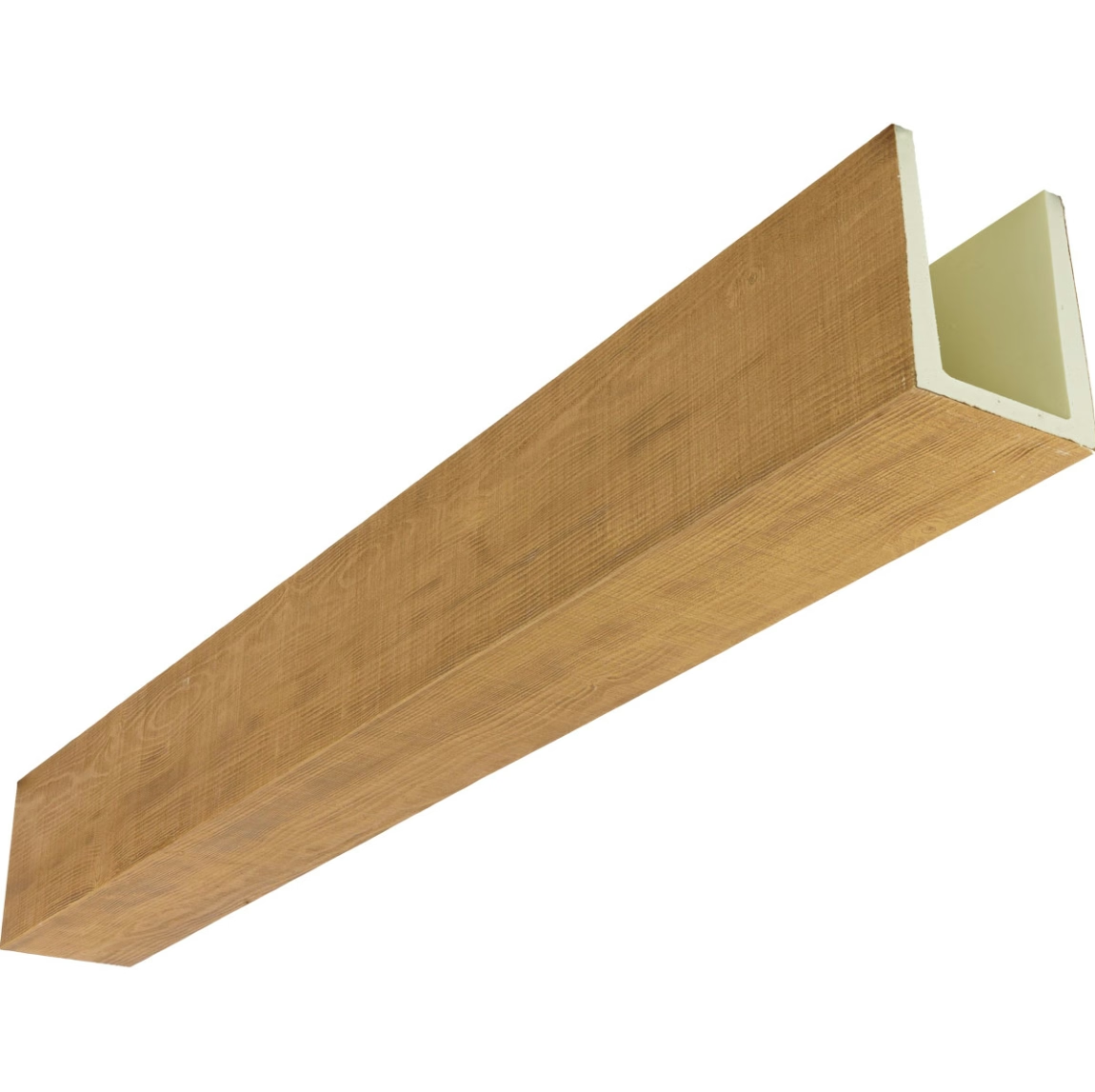
Context and Location Shots
Photograph defects in context showing beam location within overall installation. Wide shots establishing position combined with close-up defect details provide complete documentation for claims assessment.
Focus and Resolution Standards
Use sharp focus on defect areas with sufficient resolution (minimum 8 megapixels) for detail visibility. Blurry or low-resolution images fail to convey defect characteristics adequately for professional evaluation.
Metadata and Annotation Practices
Record photograph dates, beam identification numbers, and defect locations in organized documentation systems. Clear organization enables efficient claims processing and prevents documentation confusion.
Progressive Documentation Requirements
Document defects immediately upon discovery, during any repair attempts, and in final condition. Progressive documentation establishes timelines and demonstrates good-faith mitigation efforts.
Conclusion
Professional defect documentation requires proper lighting, scale references, multiple angles, and systematic organization. High-quality photographic evidence strengthens warranty claims and facilitates efficient issue resolution between manufacturers, contractors, and property owners.
Technical References
ASTM standards cited in every specification
Test Data
Lab results from internal testing program
Updated 2026
Reviewed against current product specs