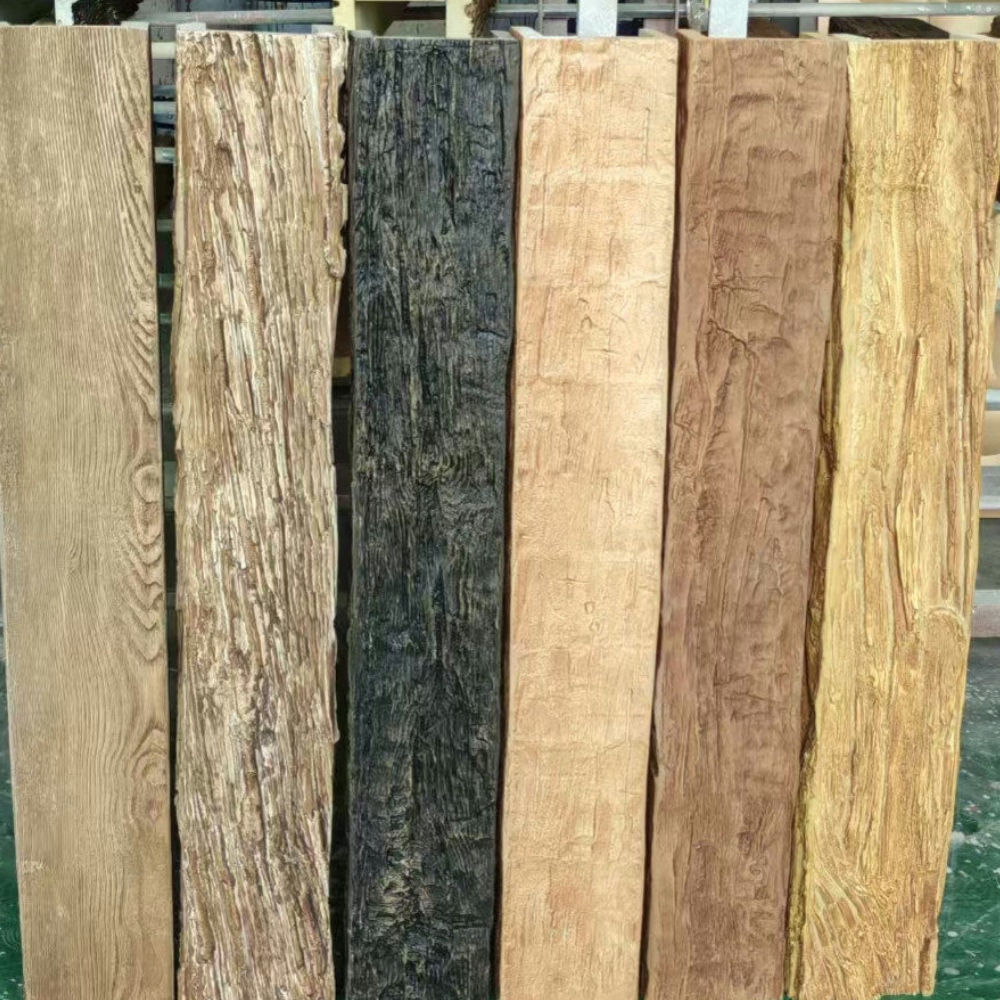
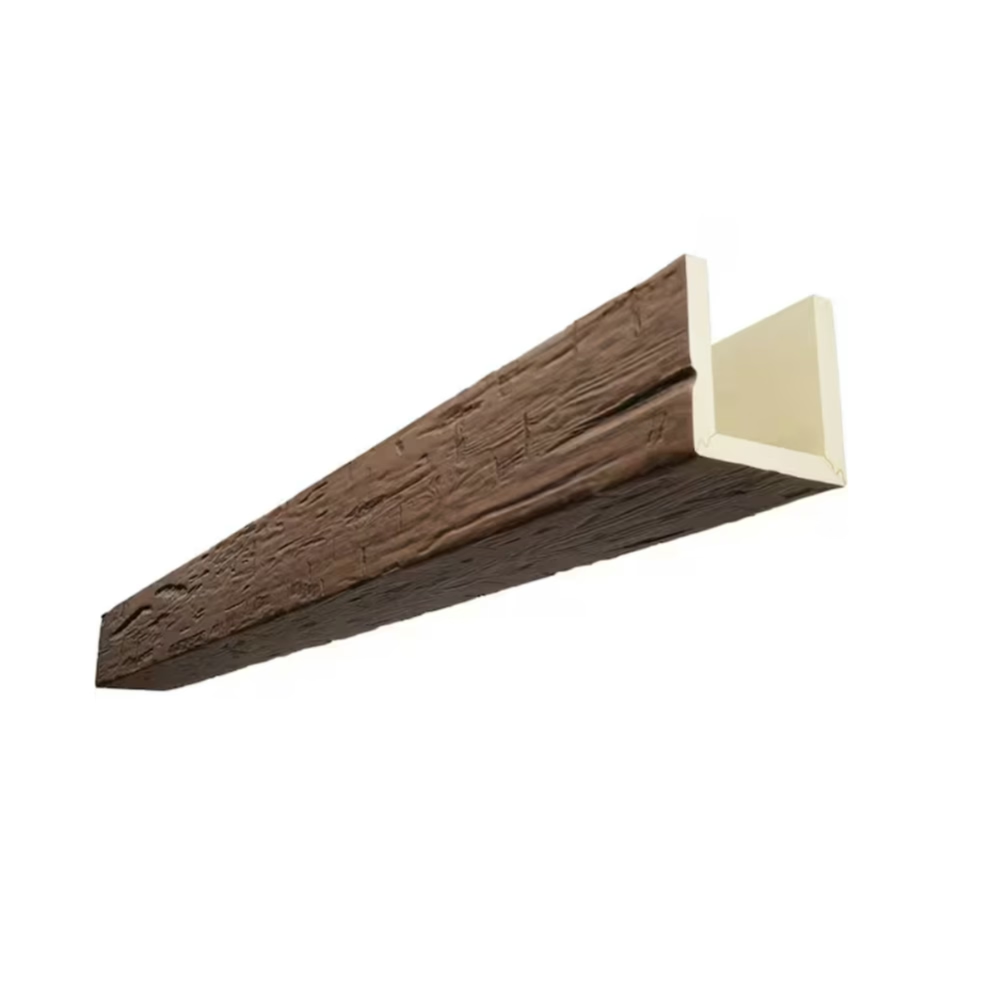
The goal for most faux wood beam installations is not merely adequate imitation but convincing authenticity that observers accept without question. Achieving this level of realism requires attention to details that distinguish genuine timber from synthetic alternatives. Professional designers and installers understand these distinctions and incorporate techniques that elevate faux beams beyond obvious imitation toward genuine authenticity that even expert observers might not detect.
Scale relationship profoundly influences whether beams appear authentic or conspicuous. Genuine timber beams in traditional architecture were sized according to structural requirements and available lumber dimensions—constraints that synthetic products need not respect. Imposing oversized beams on spaces that authentic timber would have sized smaller creates immediately apparent incongruity. Professional designers study historical precedents and structural logic to specify beam proportions that feel native to architectural contexts rather than artificially imposed.

Wood grain authenticity determines much about overall beam perception at normal viewing distances. Premium faux beams capture fine grain detail that distinguishes different wood species—oak's pronounced ray figure, maple's subtle grain, cedar's dramatic knot patterns. Surface texture must combine with grain pattern appropriately, as smooth surfaces on species that naturally exhibit pronounced texture appear false. Professional selection matches grain detail intensity with texture expectations that observers hold based on species assumptions.
Aging effects that genuine timber develops over decades create authenticity markers that fresh materials cannot automatically replicate. Genuine beams exhibit wear patterns reflecting use and exposure—darker areas where hands touched, lighter zones where finish weathered, scratches from objects that contacted surfaces. Professional faux beam finishing incorporates these aging effects selectively, adding character that reads as accumulated history rather than artificial treatment. The key lies in restraint—enough aging to establish authenticity without overdoing effects that appear theatrical.
Color variation across beam surfaces mimics the natural inconsistency that genuine timber exhibits. Fresh-cut timber shows dramatic color contrast between heartwood and sapwood; aged timber develops patina that varies across surfaces based on light exposure and handling patterns. Faux beams finished uniformly in single colors read as obviously manufactured. Professional finishing creates subtle color variation that suggests natural processes rather than uniform application, contributing significantly to authentic appearance.
Mounting approach affects authenticity through visible hardware and installation evidence. Genuine timber beams in traditional construction were installed using techniques visible to observers—corroded iron straps, through-bolts, notched connections. Contemporary installations often hide mounting completely, creating floating appearances that photographs well but trained observers may find suspicious. Professional installation may incorporate visible mounting details that read as authentic period construction, lending credibility that concealed hardware cannot provide.
Integration with surrounding elements prevents beams from appearing pasted onto existing architecture. In authentic construction, beams emerged from and connected with surrounding structure logically—wall plates, supporting posts, connecting joists. Faux installations that ignore these connections look inserted rather than native. Professional designers address integration explicitly, specifying end treatments, return details, and transitions that establish beams as architectural elements rather than decorative afterthoughts.
Lighting interaction reveals authenticity through how beams reflect and absorb light. Genuine timber interacts with light based on grain orientation, surface texture, and finish characteristics that vary across surfaces. Polyurethane materials reflect light differently based on formulation and surface treatment. Professional attention to lighting during design and finishing ensures that beams respond to illumination in ways consistent with observer expectations based on timber experience.
Patina development over time affects authenticity assessment as installations age. Genuine timber continues changing—silvering where UV exposure dominates, darkening where protection from light exists. Static faux beams that neither develop nor lose patina may appear increasingly artificial as surrounding elements age around them. Professional consideration of aging trajectories informs finish selection and maintenance planning that supports sustained authenticity rather than immediate appearance that degrades.
Proportion psychology affects authenticity perception even when viewers cannot articulate specific concerns. Humans accumulate visual experience with timber that creates subconscious expectations about proportions, relationships, and details. Beams that violate these expectations trigger subconscious responses that manifest as "something looks wrong" without identifiable cause. Professional designers develop intuitive understanding of these proportions through observation and study, developing ability to specify beams that feel right instinctively.
Field observation during installation allows real-time assessment that computer renderings cannot replicate. Professional installers evaluate authenticity during work, making finishing adjustments that improve convincing appearance before installations complete. This responsive attention catches authenticity issues early, when correction remains straightforward, preventing completed installations that satisfy neither designers nor observers despite quality materials and technique.
Technical References
ASTM standards cited in every specification
Test Data
Lab results from internal testing program
Updated 2026
Reviewed against current product specs