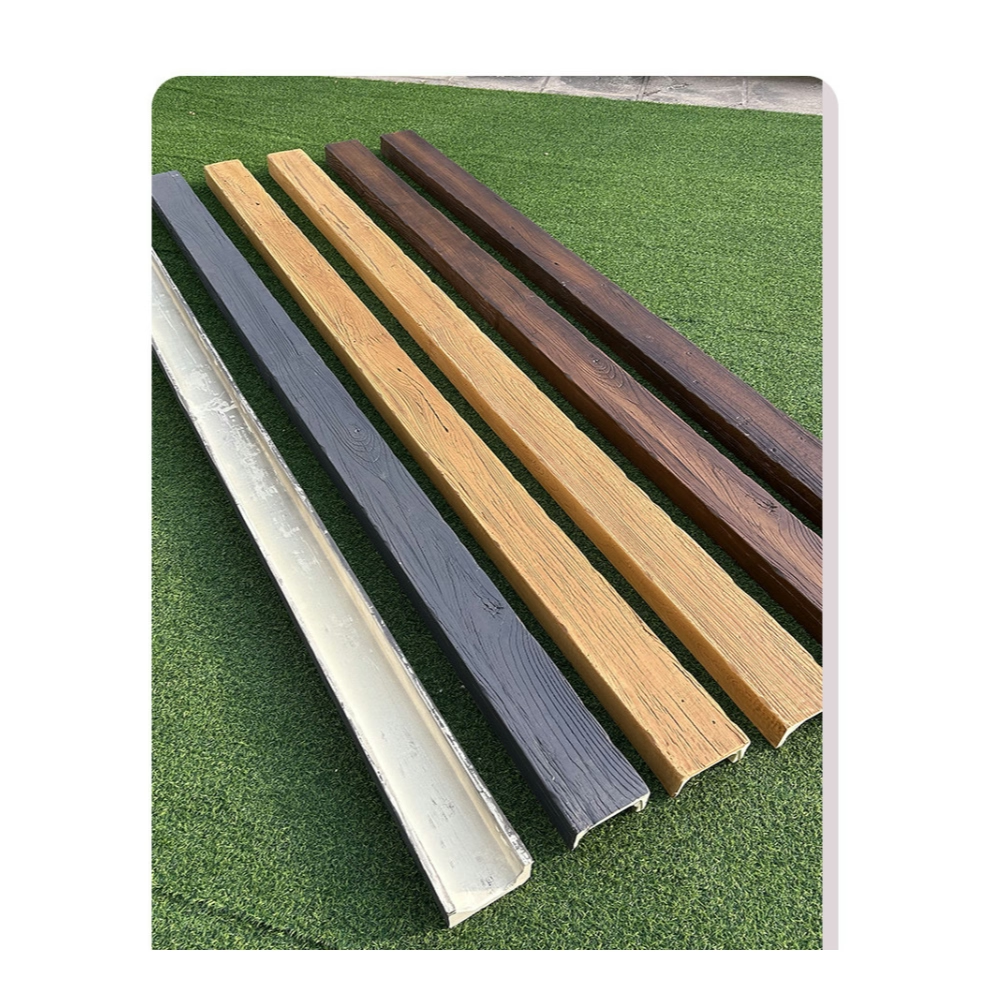
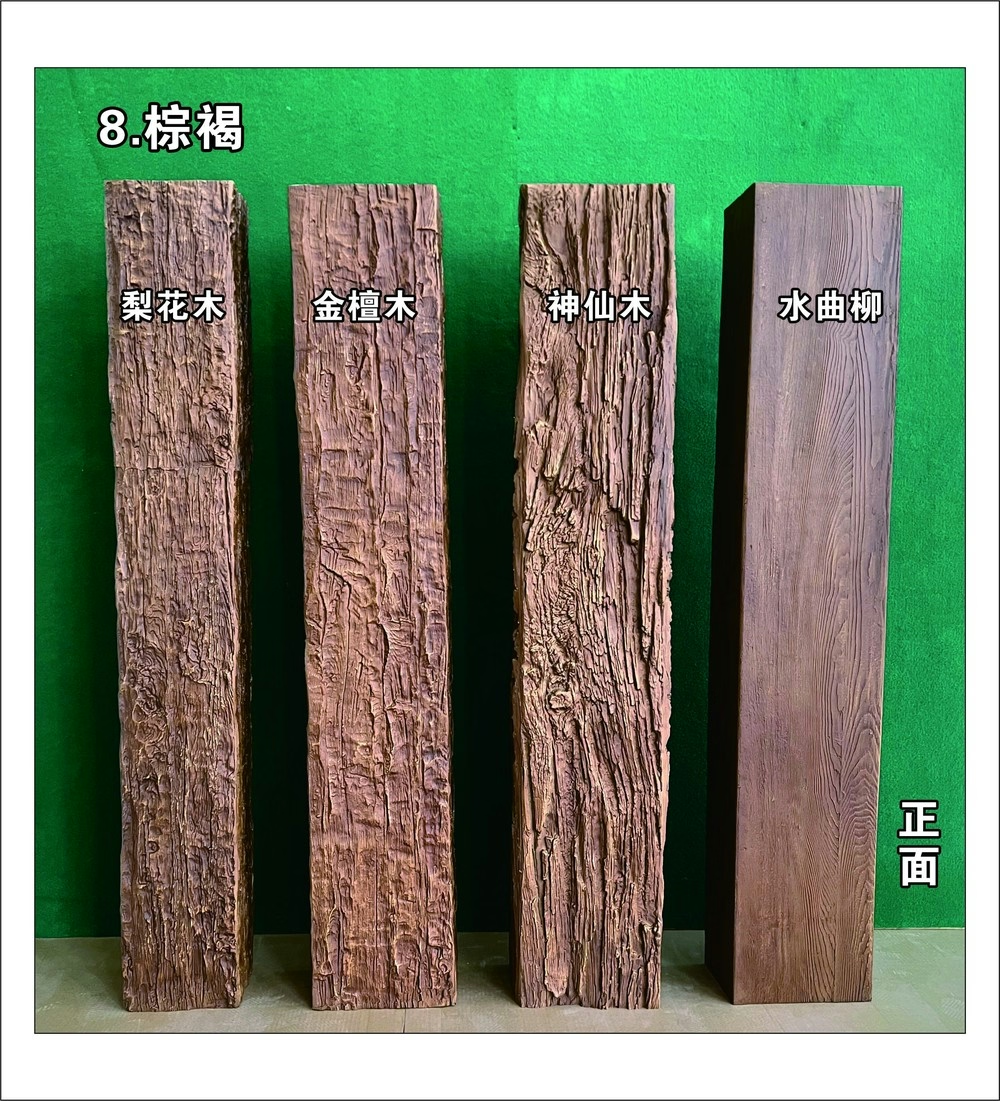
Polyurethane faux beams are low-maintenance products, which is precisely why they became popular. Low-maintenance is not the same as no-maintenance. A thoughtful maintenance program protects the finish, extends the service life, and preserves the warranty. This article walks through the full maintenance picture — routine care, deep cleaning, finish refresh cycles, structural inspection, and long-term ownership planning — at the level of detail that belongs in a maintenance manual shipped with premium beam product.

Section 1 — Why maintenance matters on a low-maintenance product
PU faux beams are dimensionally stable, immune to rot, and unaffected by most interior humidity levels. The factory finish is a tough UV-cured coating designed for years of normal exposure. Under those conditions, the beam should look the same ten years after installation as it did on day one.
What changes over time is the surrounding environment. UV exposure, surface dust accumulation, contact with cleaning chemicals, occasional contact damage, and slow building movement all contribute to gradual surface change. The maintenance manual exists not to correct for product failure, but to anticipate and address environmental factors before they become visible problems.
A pragmatic framing: the beam itself is a 25-year product. The finish is a 10–15 year product. The maintenance program protects the finish so the beam's full 25-year service life is realized.
Section 2 — Routine care (annual, no specialist required)
Most of the maintenance program is a simple annual routine that the building occupant or a general maintenance crew can complete without specialist support.
Dust removal. A microfiber cloth or soft-bristle brush works the grain pattern without catching. Dry dusting every 6–12 months keeps airborne particulates from building up in low points. Beams in kitchens, fireplaces, or commercial cooking environments benefit from quarterly dusting due to grease aerosol exposure.
Spot cleaning. A damp microfiber cloth with mild soap (typically a neutral pH dish detergent diluted 1:200) handles most surface marks. Wipe with the cloth, then immediately dry with a separate clean cloth. Never leave standing water on the surface.
Stain inspection. Look for the early signs of dark spots, usually caused by water contact left too long, contact with reactive materials (leather, copper), or grease accumulation. Address stains promptly with a pH-neutral cleaner before they set.
Annual routine typically takes 10–15 minutes per beam for a single-story room with 4–6 beams. The whole routine across a 2,500-square-foot interior completes in under two hours.
Section 3 — Deep cleaning protocols (every 3–5 years)
For commercial installations, hospitality, restaurant, or retail settings, an annual deep cleaning is appropriate. The deep cleaning protocol addresses:
Surface decontamination. A more thorough cleaning agent, typically a hospital-grade quaternary ammonium cleaner diluted per manufacturer instructions, applied with a microfiber cloth and wiped dry. Avoid chlorine-based cleaners on PU surfaces — they can degrade the finish over repeated exposure.
Joint and bracket inspection. Mechanical connections can loosen with building movement. A visual inspection of all brackets, with a torque check on any suspect fastener, identifies issues before they become beam shifts.
Adhesive inspection. Where adhesive-and-fastener dual-mount was used, the adhesive joint should show no signs of separation at the edges. Any gap appearing at the ceiling-to-beam interface typically signals substrate movement rather than product failure, and is worth investigating by the building envelope consultant.
Lighting inspection. Integrated lighting (recessed channels, cove caps, pendant drops) should be cleaned and tested. Beam finishes that read poorly under degraded lighting often look fine once the bulbs are replaced.
A deep cleaning typically takes 30–45 minutes per beam in a working commercial environment and is best scheduled around operational quiet periods (overnight, weekend) to avoid disruption.
Section 4 — Finish refresh cycles (every 8–15 years depending on exposure)
The factory finish is the most exposed component on a faux beam, and it is the first thing to show age. Different exposure conditions stress the finish at different rates:
| Exposure condition | Typical finish service life |
|---|---|
| Interior, climate-controlled, low UV | 12–20 years |
| Interior, climate-controlled, high UV (large south-facing windows, skylights) | 8–12 years |
| Interior, high humidity (bath, spa, indoor pool) | 10–15 years |
| Covered exterior (loggia, soffit, porch) | 8–12 years |
| Fully exposed exterior (no overhang) | 5–8 years |
The finish refresh procedure preserves the substrate while renewing the surface:
- Light surface abrasion with a fine Scotch-Brite pad (non-aggressive, just enough to scuff the existing finish)
- Tack cloth removal of particulates
- Mask surrounding surfaces (walls, ceiling, lighting) against overspray
- Apply matched topcoat in two thin coats, allowing full cure between coats
- Optional glaze wash to deepen patina where desired
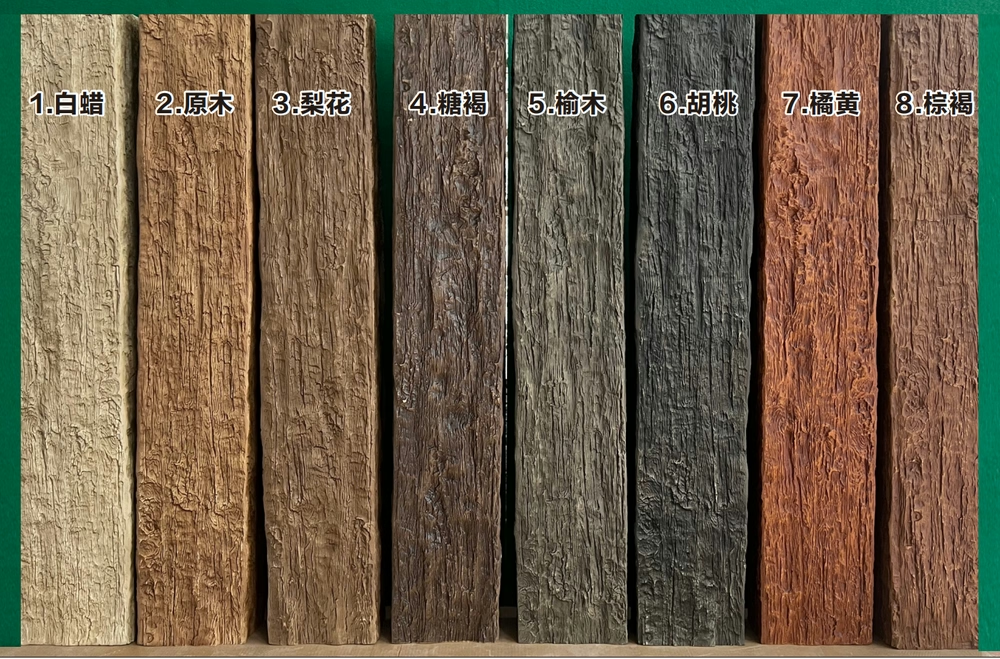
The topcoat and any matching glaze products are available from the manufacturer. The manual references the original color and finish code so the right products are matched without guesswork.
For commercial portfolios, the finish refresh is often scheduled across buildings as a rolling program, addressing two or three properties per year. That cadence keeps the work predictable and avoids the budget surprise of a "refresh them all at once" event.
Section 5 — Structural inspection cycles
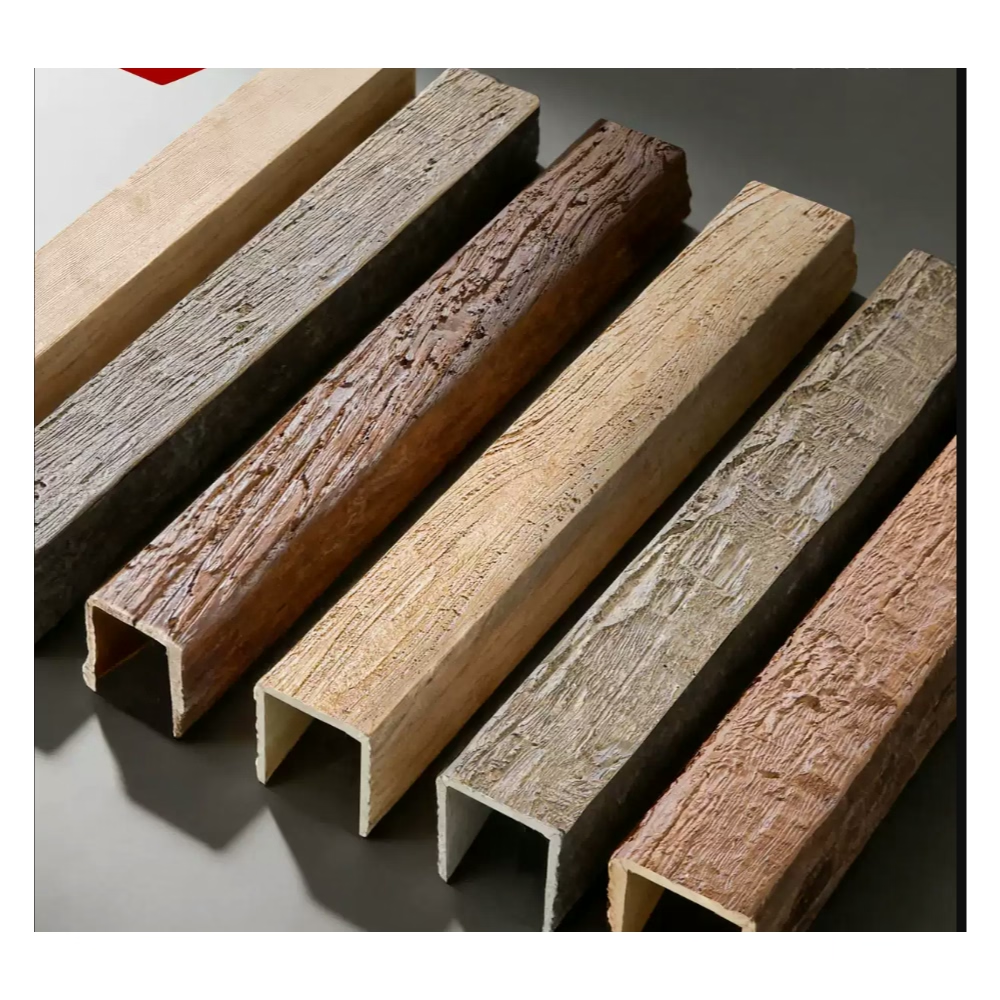
PU faux beams carry their own dead load and may carry additional hung loads depending on the design. A structural inspection program protects both the building and the occupants.
Annual visual inspection. Walk the property looking for:
- Cracks in the finish over the high-density PU beam surface (often a sign of underlying foam expansion due to water infiltration, rare but worth checking)
- Joint separation at splices (typically substrate movement)
- Visible bracket movement at the ceiling line
- Sag along the length of any beam (a 5-meter beam can show 3–5 mm of sag at center without structural concern, but any visible change year-over-year warrants escalation)
Five-year detailed inspection. A specialist visit addressing:
- Bracket torque verification with calibrated tools
- Connection detail condition (corrosion, fatigue, fastener back-out)
- Fastener pull-out test on a representative sample, where appropriate
- Ceiling plane geometry verification (laser line) to detect any structural movement
Ten-year engineering review. A licensed structural engineer familiar with the original beam specification reviews the cumulative inspection records and signs off on continued service. This is the equivalent of a typical building five-year facade review, scaled to the interior beam scope.
Most well-installed beams never need anything beyond the annual visual inspection. The deeper cycles protect against the rare case where a beam does develop an issue, ensuring it's caught early.
Section 6 — Damage event response
Maintenance isn't just routine. It's also the response when something unexpected happens. Common damage events and the appropriate response:
Surface scratch. Color-matched touch-up kit, applied with a fine brush. Deep scratches may need light abrasion, fill, glaze, and topcoat — a field-repair procedure that takes 30–60 minutes per affected area.
Dent from impact. Small dents can be filled with structural epoxy filler, sanded flush, and refinished. Large dents usually mean a beam section needs replacement.
Beam crack (rare). A crack longer than 100 mm in the beam face typically indicates a significant impact or substrate failure. Stop using the affected beam for any hung load, contact the manufacturer for engineering review, and plan for replacement.
Adhesive failure. Visible separation at the ceiling interface indicates the substrate bond has failed. Investigate substrate condition (often a moisture problem in the ceiling cavity), address the underlying cause, and re-mount with appropriate mechanical fasteners plus new adhesive.
Water damage. Standing water against a beam — typically from a plumbing leak above the ceiling — can damage the foam core if exposure is prolonged. Identify and stop the water source, allow the beam to dry for 48–72 hours, inspect for any foam expansion, and plan for replacement if core damage is significant.
The manual includes a flow chart for damage event triage, with clear escalation points to the manufacturer's technical support line for any event beyond a simple scratch.
Section 7 — Long-term ownership records
A premium faux beam installation is a 20–30 year building component. The documentation that travels with the installation should match that timeline.
The maintenance manual recommends a per-project record binder (or digital equivalent) containing:
- Original purchase documents with finish codes and color references
- Manufacturer's published maintenance manual (this document, or its updated edition)
- Receipts for any field repairs or finish refresh work
- Inspection log with dates and findings
- Photographs taken at each maintenance cycle for visual comparison
- Warranty registration confirmation
- Manufacturer contact for technical support and replacement parts
For commercial properties, the maintenance log becomes part of the property condition assessment, supporting both insurance documentation and resale disclosures. For residential properties, the binder helps the next owner pick up the maintenance program seamlessly.
Section 8 — Surface product compatibility
The maintenance manual includes a list of cleaning products known to be safe for PU faux beam surfaces, alongside products that should never be used. The general framework:
Safe.
- Neutral pH soaps (typical dish detergents at 1:200 dilution)
- Isopropyl alcohol wipes (for spot disinfection)
- Microfiber cloths and soft brushes
- Plain water in moderate quantities, dried promptly
Avoid.
- Chlorine bleach, even diluted, on repeated exposure
- Abrasive cleaners (Comet, Ajax, Soft Scrub)
- Solvents (acetone, paint thinner, lacquer thinner) on the finished face
- Ammonia-based cleaners (Windex) at full strength, repeated exposure
- Magic Eraser-style melamine sponges on the finished face
- Pressure washers on exterior faux beams
For commercial clients with strict sanitization protocols, the manufacturer typically recommends a specific hospital-grade cleaner that has been tested against the finish. The recommendation is documented in the manual so the cleaning contractor has clear guidance.
Section 9 — Replacement planning
At some point in a 25-year building life, replacement becomes part of the maintenance conversation. The maintenance manual addresses:
- Expected service life of 20–25 years for interior beams under typical conditions
- Reduced service life for exterior exposed conditions
- Replacement beam production windows (typically 14–21 days from request during the manufacturer's mold retention period)
- Pricing schedule for replacement beams, often cost-plus-shipping under the terms of the original supply agreement
A building owner planning ahead can budget for replacement as a long-cycle capital item, similar to carpet or HVAC equipment. The maintenance manual's replacement section provides the reference numbers and project-specific values needed for accurate capital planning.
Section 10 — Working with the manufacturer
The maintenance program works best when paired with an active relationship between the building owner or facilities team and the beam manufacturer. The maintenance manual encourages:
- Annual check-in with the manufacturer's technical team (typically a brief email confirming the building's beam inventory is performing as expected)
- Notification of any damage event beyond simple field repair
- Inquiry before applying any finish refresh product that isn't on the manufacturer's recommended list
- Pre-planning consultation 6–9 months before projected end of mold retention period
That last point is critical. If the mold retention period on a 2010 installation is expiring in 2026 and the property still has the original beams performing well, the manufacturer should be contacted well in advance about renewing the mold retention or producing any anticipated replacement beams against current tooling.
The maintenance manual closes with the manufacturer's contact details, technical support hours, and the names of the key account personnel. That information is part of what makes a premium product premium.
Closing notes
A maintenance program is how a premium product actually delivers on its premium promise. The manual is the bridge between manufacturer and owner, between initial installation and twenty-year service, between minor field repair and full beam replacement. Owners and facilities teams who adopt the program protect their investment, extend the building's design life, and avoid the surprise costs that come from treating a precision architectural element as a maintenance-free product.
Technical References
ASTM standards cited in every specification
Test Data
Lab results from internal testing program
Updated 2026
Reviewed against current product specs