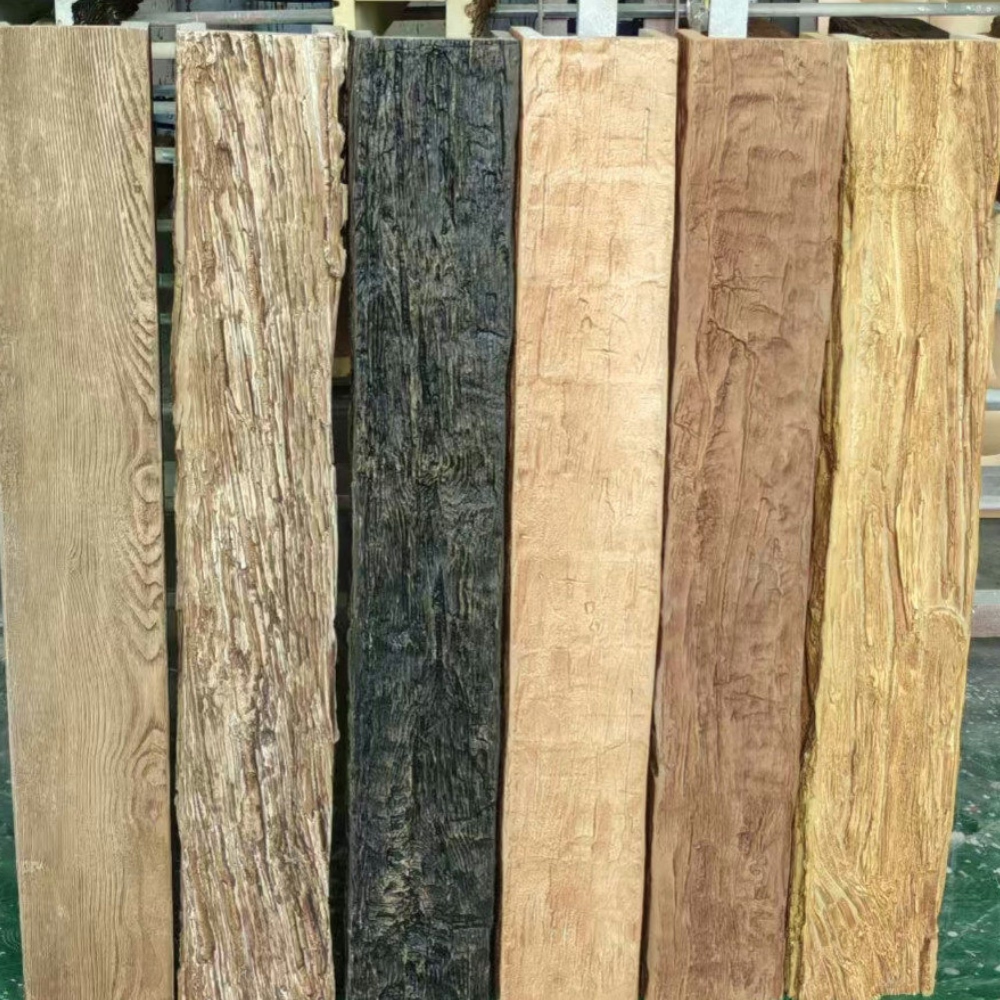
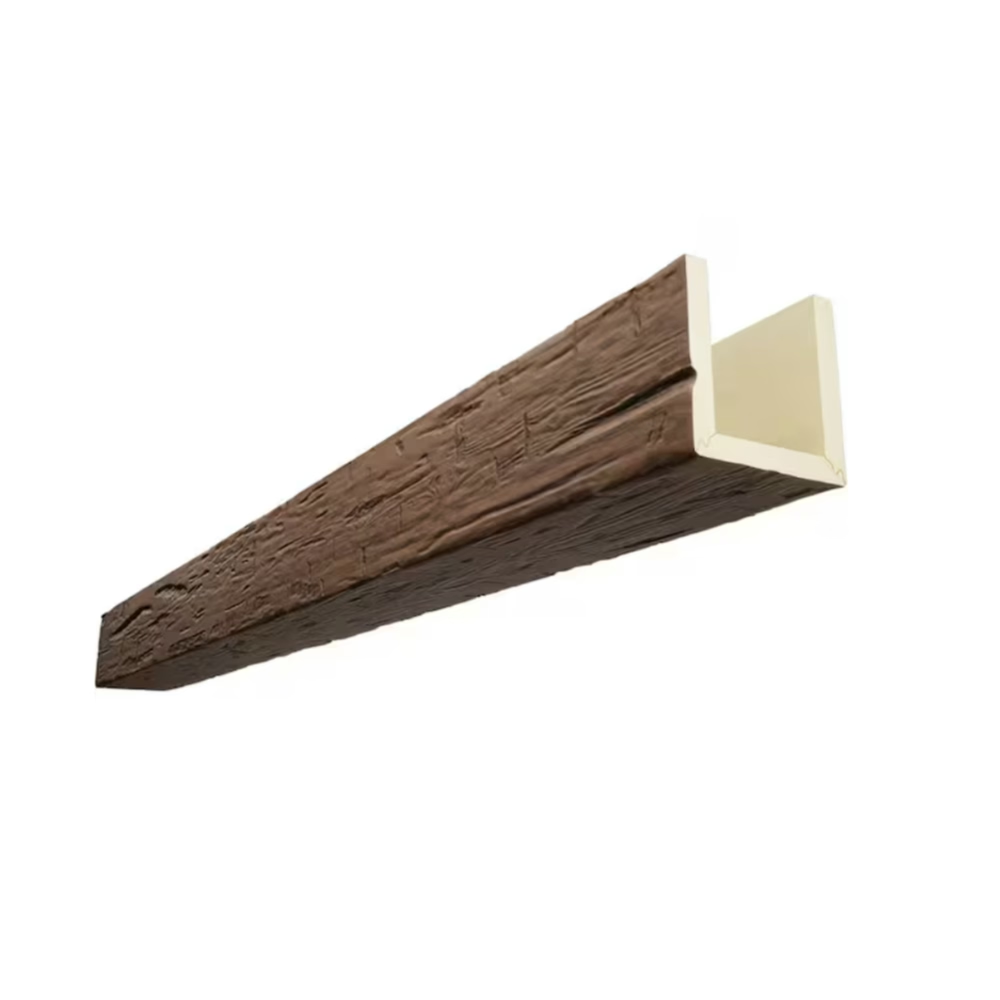
Two-Tone Color Transforms Standard Beam Aesthetics
A single coat of stain gives a faux wood beam a unified appearance, but two carefully chosen colors introduce a level of visual interest that elevates the entire ceiling. Designers seeking distinctive looks for residential or commercial projects increasingly specify dual two-tone color treatments for polyurethane faux wood beams. The contrast between primary and accent tones creates dimension, draws the eye, and anchors a room's visual identity.
Two-tone coloration works particularly well in spaces where a beam needs to coordinate with multiple design elements rather than blend into a single palette. A walnut primary tone might pair with a charcoal accent on the same beam, allowing it to relate to both warm wood floors and cool metal fixtures. The result is a beam that bridges design elements rather than competing with them.

Color Pairing Principles for Faux Beam Applications
Designers approach dual-tone beam coloration using several established principles. Complementary pairing positions contrasting hues, such as honey amber beside deep espresso, along the same beam. Tonal pairing selects two shades within the same color family, like weathered gray next to driftwood gray, for subtle depth without dramatic contrast. Accent pairing introduces a single bright or unusual color against a neutral base, drawing attention to specific beam features.
The choice between these approaches depends on the role the beam plays in the room. Structural focal beams benefit from complementary pairing because the contrast emphasizes their architectural role. Decorative trim beams often use tonal pairing so they support rather than dominate surrounding design elements.
Popular Two-Tone Combinations in Current Projects
Several color combinations have gained traction across recent installations. Espresso and antique ivory pairs a dark base with light accent strips, popular in transitional interiors. Charcoal and barnwood gray defines the modern farmhouse favorite, working well with shiplap walls. Walnut and brushed bronze delivers sophisticated pairing for hospitality and executive settings. Weathered teak and sea salt white suits coastal and Hamptons-style applications. Rustic pine and matte black defines industrial and contemporary loft environments.
Each combination responds to specific aesthetic goals. The espresso and ivory pairing reads as classic and refined, while walnut and bronze projects warm luxury. Coastal projects lean toward lighter combinations, and industrial spaces favor high-contrast treatments.
Application Methods for Two-Tone Color
Two-tone coloration on polyurethane faux beams typically involves a base coat applied during manufacturing, with accent colors added during finishing. The accent application can highlight specific beam features, revealing grain texture, emphasizing edges, or creating wash effects along recessed areas.
Professional finishers use several techniques to apply accent colors. Dry brushing creates subtle highlights on textured grain. Wiping removes excess color from raised areas while preserving it in recesses. Stenciling introduces patterns along beam faces for highly customized looks. Each method requires specific timing and skill to avoid muddy results.
Coordination with Surrounding Design Elements
Two-tone beams function as bridges between different design elements. The primary color typically coordinates with major wood elements like flooring, cabinetry, or furniture. The accent color relates to secondary elements, including light fixtures, hardware, textiles, or wall treatments. This dual relationship gives the beam a unique role in the design.
Successful coordination requires identifying which colors will appear on the beam before specifying the surrounding palette. Designers often select the beam colors first, then build the room palette outward from those choices. This reverse approach ensures the beam functions as a true design anchor rather than a reactive afterthought.
Manufacturing Two-Tone Beams at the Factory
The process of creating two-tone effects on polyurethane faux wood beams combines mold design, base coloration, and accent application. Manufacturers build the beam structure with realistic wood grain texture molded into the polyurethane surface. Base colors replicate specific wood species, while accent colors add depth and character.
Mold Engineering for Color Depth
Quality molds incorporate multiple surface depths that catch and hold accent colors differently. Recessed grain lines, raised knots, edge bevels, and tool marks each accept color uniquely. A well-engineered mold allows finishers to apply accent colors selectively without manual masking.
Base Coat Application
Base coats establish the primary wood tone and provide the canvas for accent work. Manufacturers spray, brush, or dip the polyurethane surface depending on the specific formulation. Multiple base coats build depth and ensure consistent coverage across the textured surface.
Accent Color Techniques
Accent colors go on after the base coat dries. Common techniques include dry brushing with minimal color on a nearly dry brush, applied lightly across raised grain. Glazing applies translucent color wiped across the surface, settling into recesses. Antiquing introduces darker tones applied to corners and edges to simulate wear. Highlighting uses lighter colors on raised surfaces to suggest wear patterns. Striping defines lines or bands in contrasting colors for distinctive looks.
Each technique creates a different visual effect. Combining techniques on a single beam produces complex, layered coloration that mimics aged or weathered wood.
Practical Considerations for Two-Tone Beam Installation
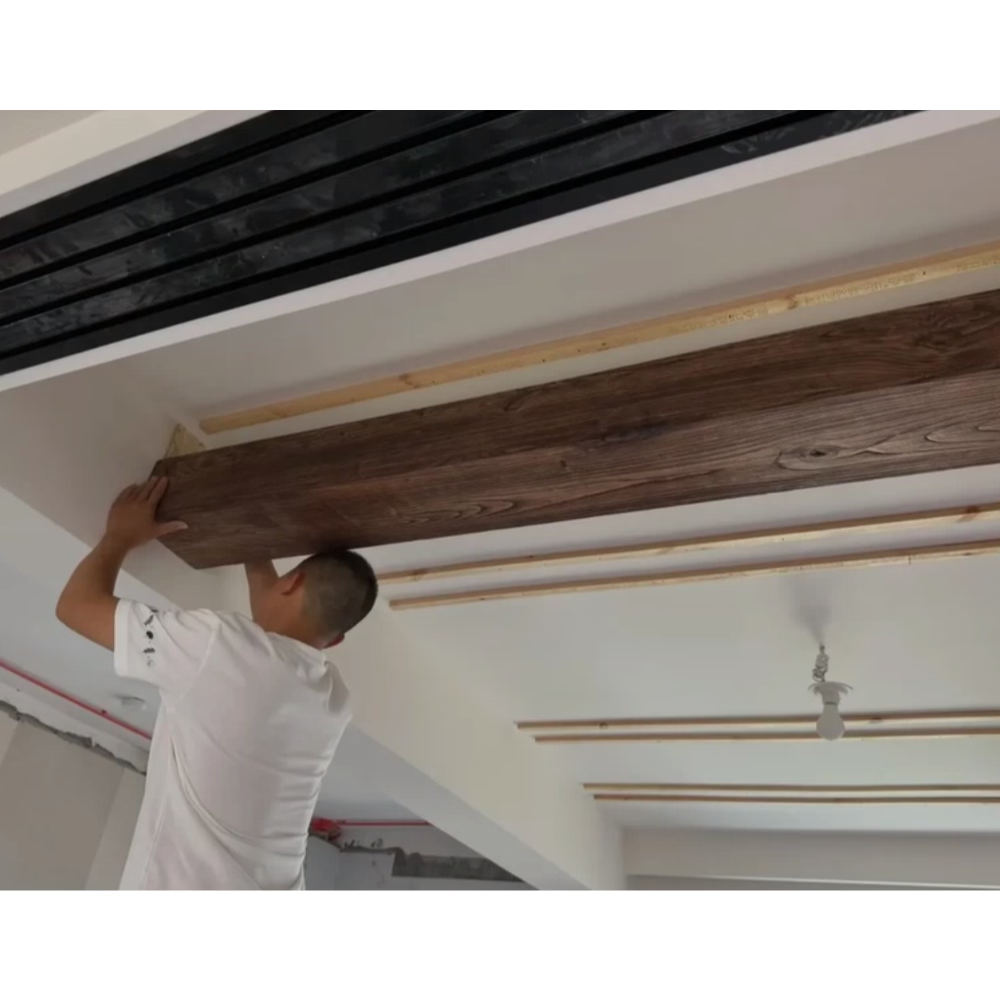
Two-tone coloration adds minimal complexity to the installation process itself. The beams arrive pre-finished or with base coats applied, and accent colors are added on-site or at the finishing facility. Installation follows standard polyurethane beam procedures regardless of color treatment.
Timing Color Decisions in the Design Process
Color decisions work best when made early in the design process. Polyurethane beam orders typically require three to six weeks of lead time, and color matching benefits from physical samples viewed in the actual space. Designers who finalize beam colors after structural installation often settle for available finishes rather than ideal combinations.
Sampling matters significantly for two-tone treatments. Computer renderings suggest how colors will interact, but actual material samples reveal subtleties that screens cannot capture. Most manufacturers provide sample kits showing base and accent color options for evaluation in the project space before final ordering.
Custom Color Matching Services
Standard color combinations cover most project requirements, but custom matching expands possibilities further. Manufacturers can match specific paint colors, wood stain references, or physical samples supplied by the designer. Custom matching adds modest cost and lead time but enables truly distinctive results.
Designers specifying custom colors should provide reference materials in consistent formats. Paint chips, stain samples on the target wood species, or physical material samples all work. The more precise the reference, the closer the finished beam matches the design intent.
Long-Term Performance of Two-Tone Finishes
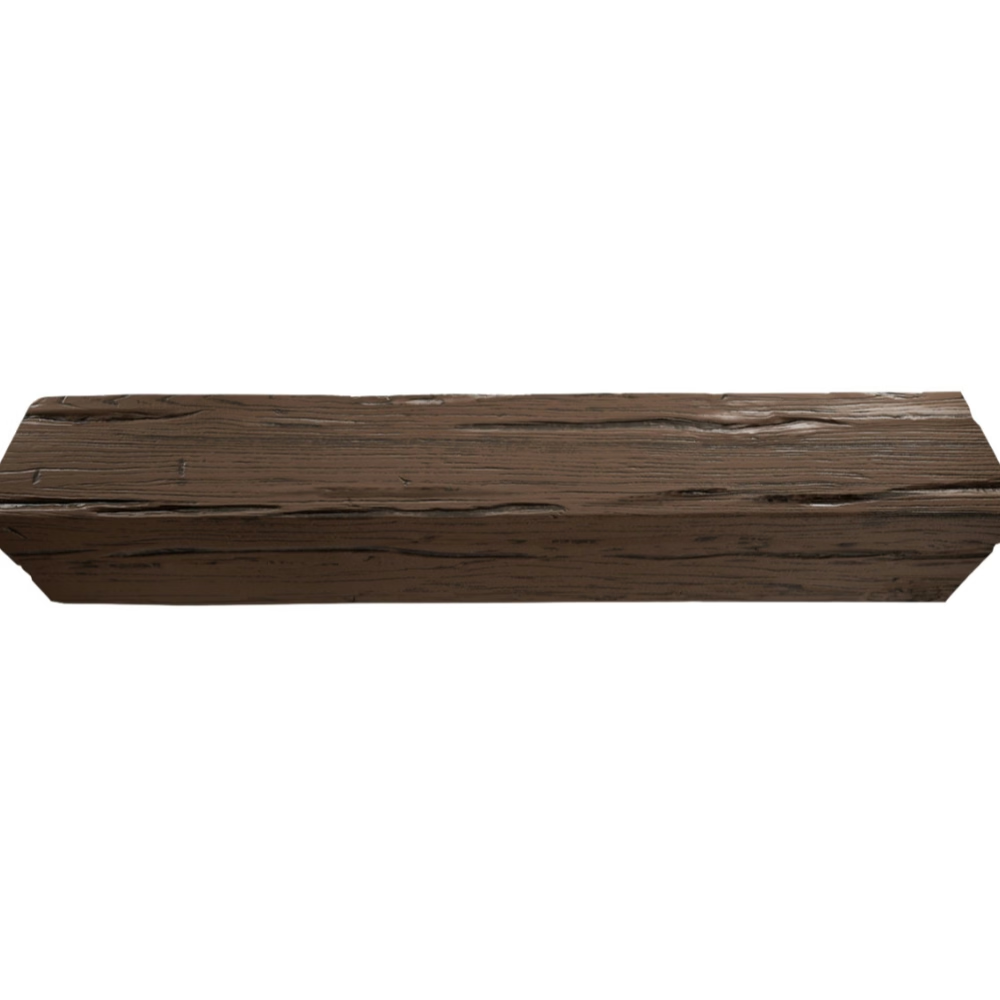
The two-tone color treatment on polyurethane beams behaves differently from solid stain or paint applications. Manufacturers apply the colors during the finishing process using techniques designed for the polyurethane substrate. Properly applied finishes resist fading, chipping, and wear comparably to single-tone finishes on the same material.
UV Stability Across Color Treatments
Darker accent colors may show fading faster than lighter base tones when exposed to direct sunlight. South-facing installations with skylights or large windows require UV-resistant topcoats to preserve color integrity. Manufacturers typically offer marine-grade or exterior-rated finishes for these applications, providing additional protection beyond standard interior formulations.
Maintenance Requirements Over Time
Two-tone beams require the same maintenance as single-tone polyurethane beams. Occasional dusting, prompt cleaning of any marks, and periodic inspection of mounting points ensure continued performance. Touch-up kits supplied by manufacturers allow minor repairs to color without requiring full refinishing.
Where Two-Tone Beams Deliver Maximum Design Impact
Two-tone coloration works across virtually any beam application, but several environments benefit especially from the added visual depth.
Statement Ceilings in Living Spaces
Living rooms, great rooms, and entryways with high ceilings benefit from beams that command attention. Two-tone treatments make beams feel intentional and considered rather than incidental. In rooms where the ceiling is a major design feature, two-tone beams reinforce that focus.
Hospitality and Commercial Statement Areas
Hotel lobbies, restaurant dining rooms, and boutique retail spaces use two-tone beams to create memorable first impressions. The distinctive coloration becomes part of the brand experience, photographed and shared by guests. High-end hospitality projects frequently specify custom two-tone combinations that tie into broader interior branding.
Themed Residential Projects
Homes designed around specific aesthetics, from Tuscan villas to coastal retreats, mountain lodges, and mid-century modern interiors, benefit from two-tone beam coloration aligned with those themes. The color treatment reinforces the design vocabulary and prevents beams from feeling generic.

Common Two-Tone Beam Patterns
Beyond simple color pairs, designers specify specific patterns across beam faces. Linear striping creates parallel stripes in alternating colors for a structured, intentional look common in modern farmhouse and craftsman-style interiors. Stripes typically run the length of the beam and vary in width from hairline details to bold bands.
Center channel accents place a single accent color along the center of the beam face, with base colors on either side. This treatment draws the eye along the beam's length and works well in rooms with strong horizontal design elements.
Edge highlighting applies lighter or darker accents along the beam's edges to frame the wood grain in the center. This treatment makes beams appear more dimensional and works well with crown molding and other architectural trim.
Random weathering patterns use scattered accent applications to simulate natural aging, including knot highlights, mineral streaks, and sun-bleached patches. These patterns look more organic and suit rustic, coastal, and farmhouse aesthetics particularly well.
Selecting the Right Two-Tone Combination
Choose two-tone combinations based on the room's overall color temperature, the beam's role in the space, and the level of contrast desired. Subtle tonal pairings suit refined residential applications. Bold complementary pairings suit commercial and statement environments. Custom combinations suit brand-specific or highly personalized projects.
Order samples before committing to final colors. View them in the actual project space at different times of day. Compare them against flooring, wall treatments, and furnishings already selected. The two-tone combination that looks correct in isolation may need adjustment when integrated with the full design palette.
Coordinating Beams with Wood Floors
The relationship between beam color and floor color affects the entire room's appearance. Matching tones create a unified, calm appearance where beams and floors share the same wood species and finish. Contrasting tones create visual interest with beams in a darker walnut against lighter oak floors. Harmonizing tones use different species that share underlying color characteristics, like cherry beam tones with warm-toned mahogany floors.
Each approach suits different design intents. Matching tones work in traditional interiors. Contrasting tones work in transitional and contemporary interiors. Harmonizing tones provide subtle differentiation while maintaining visual cohesion.
Cost Considerations for Two-Tone Beam Specifications
Two-tone coloration typically adds 10 to 25 percent to standard beam pricing depending on the complexity of the work. Custom color matching adds further costs. These premiums reflect additional labor, materials, and quality control required for multi-color finishes.
Value Justification for Premium Finishes
The premium for two-tone coloration typically returns significant aesthetic value. Beams serve as defining architectural features, and quality finishes on those features disproportionately affect room perception. Two-tone beams often justify their premium cost through enhanced design impact and longer-lasting aesthetic relevance.
Technical References
ASTM standards cited in every specification
Test Data
Lab results from internal testing program
Updated 2026
Reviewed against current product specs