Grain and Color Combine for Layered Beam Aesthetics
Wood grain tells a story that flat color alone cannot convey. When polyurethane faux timber ceiling beams receive a dual two-tone grain finish, the combination produces a level of visual authenticity that single-color treatments miss entirely. Designers specify these treatments for projects where the beam must read convincingly as solid timber, even on close inspection.
The two-tone grain approach layers a base wood color beneath accent tones that emphasize the grain pattern. The base establishes the overall timber species impression, while the accent reveals grain depth, knot contrast, and natural variation. This layered technique works particularly well on beams intended as architectural focal points.

How Grain Patterns Are Reproduced in Polyurethane
Polyurethane beams begin as liquid resin poured into molds. The molds themselves are cast from actual timber pieces or digitally machined to replicate specific grain characteristics. This manufacturing process captures fine details, including growth rings, knots, ray flecks, and tool marks. The resulting beam surface carries the same textural complexity as the source wood.
Manufacturers select source timber based on the target species and aesthetic. Reclaimed barn wood, weathered oak, freshly milled pine, and exotic hardwoods all serve as references. Each source produces a distinct mold that translates into a distinct beam appearance. Custom mold development enables unique grain patterns unavailable from stock products.
The Role of Color in Revealing Grain Depth
Even with realistic texture, a beam needs proper coloration to reveal its grain. Single-color finishes tend to flatten the appearance because consistent color washes over the textural details. Two-tone finishes restore depth by placing darker accent colors in recessed grain lines and lighter base colors on raised surfaces.
This depth effect mirrors how natural timber appears under directional light. Shadows fall into grain recesses while highlights catch the raised portions between. The two-tone finish replicates this light interaction permanently, regardless of how the beam is illuminated in its installed location.
Selecting Wood Species for Two-Tone Grain Beams
The choice of wood species sets the foundation for both grain pattern and color palette. Different species respond differently to two-tone treatments.
Oak Grain Characteristics
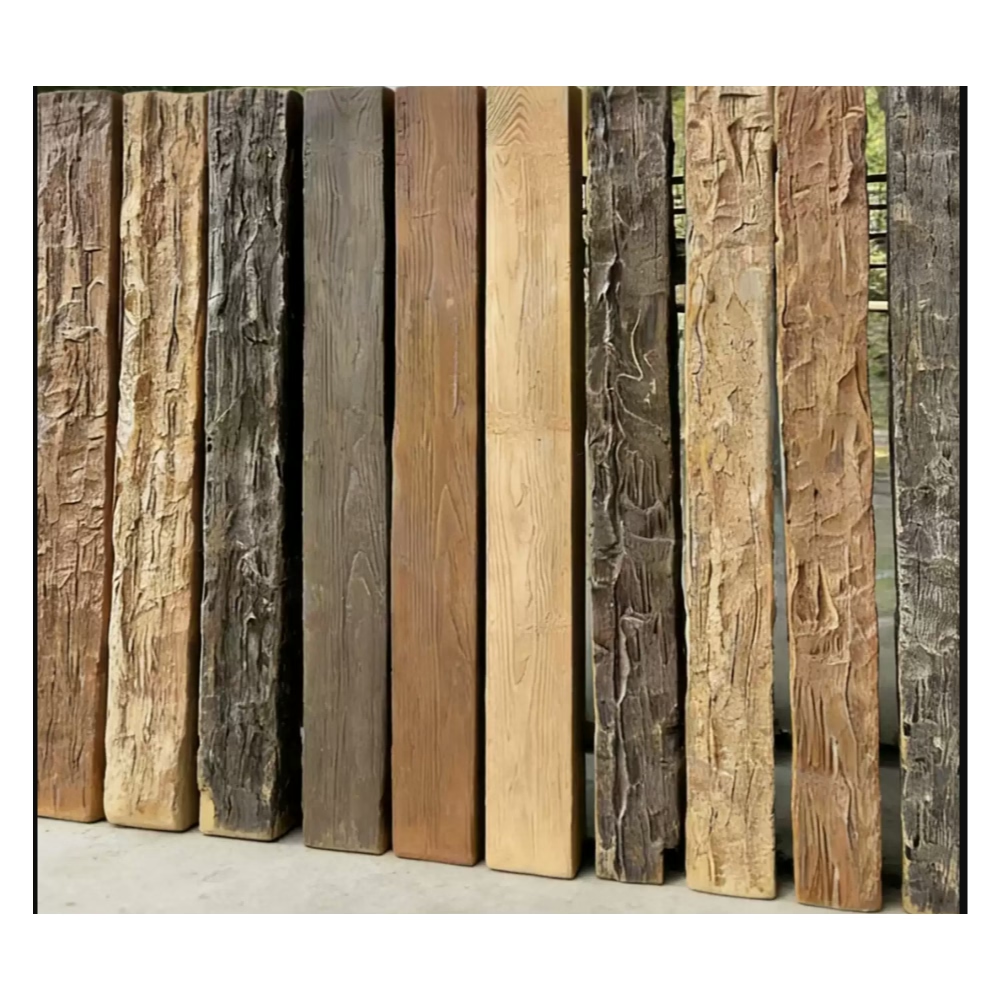
Oak produces pronounced grain with prominent ray flecks and open pores. Two-tone finishes work exceptionally well on oak-patterned beams because the deep grain lines accept significant accent color contrast. White oak grain patterns tend toward subtle, while red oak grain reads more boldly. Both respond well to traditional wood color treatments.
Pine and Softwood Patterns
Pine and similar softwoods feature straighter grain with frequent knots. Two-tone finishes on pine-patterned beams emphasize the knots as focal points within otherwise uniform grain. Knots accept darker accent colors, creating distinctive visual landmarks along the beam face. Knotty pine aesthetics benefit substantially from this treatment.
Reclaimed Wood Looks
Reclaimed timber aesthetics combine pronounced grain with surface irregularities from age and use. Two-tone finishes on reclaimed-style beams introduce multiple accent colors that simulate weathering, oxidation, and wear patterns. These complex finishes require careful application but produce exceptionally convincing results.
Exotic Hardwood Appearances
Walnut, mahogany, teak, and similar tropical hardwoods feature finer grain with rich color potential. Two-tone treatments on these species typically use subtler color contrast, focusing on grain enhancement rather than dramatic effect. The result reads as refined and sophisticated rather than rustic.
Custom Finishing Options for Project-Specific Beams
Two-tone grain finishes accommodate extensive customization beyond standard offerings. Designers working on distinctive projects often specify custom elements that standard products cannot deliver.
Color Matching to Reference Materials
The most common customization involves matching beam colors to existing wood elements. New beams might need to coordinate with original timber elements retained during renovations, with wood flooring, or with cabinetry manufactured to specific specifications. Manufacturers can develop custom color formulations based on physical samples supplied by the designer.
Grain Pattern Adjustments
Standard molds produce standard grain patterns, but custom grain development is possible for projects with specific requirements. A historic restoration might require beams that match documented original construction. A high-end hospitality project might want unique grain that becomes part of the property's identity. Custom mold development adds lead time and cost but enables truly distinctive results.
Finish Sheen Variations
Two-tone grain finishes come in various sheen levels from matte to high gloss. Matte finishes minimize light reflection and emphasize natural appearance. Semi-gloss finishes offer subtle sheen that highlights grain contrast. High gloss finishes create dramatic reflective effects but typically suit only specific design styles. The choice depends on overall room aesthetics and lighting design.
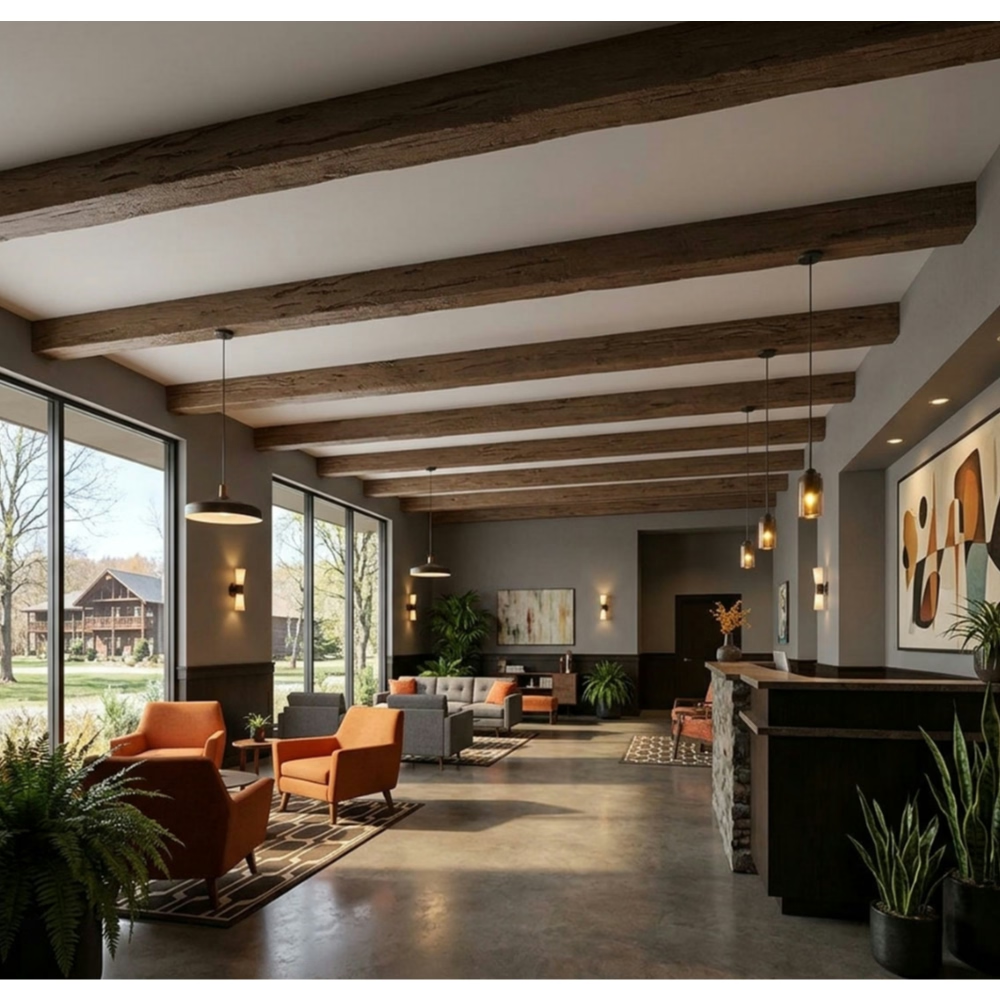
Application Techniques for Grain-Focused Finishes
The technical application of two-tone grain finishes requires specific techniques that differ from standard beam finishing.
Layered Wiping Methods
The most frequently used technique involves wiping accent color across a base-coated beam surface. The wiping cloth deposits color in recessed grain areas while removing excess from raised surfaces. The skill of the finisher determines how much contrast the technique produces.
Spray and Detail Combination
Some finishes combine spray-applied base coats with hand-detailed accents. The spray provides consistent coverage across the beam surface, while hand detailing places specific accent effects at key locations. This combination produces more controlled results than wiping alone but requires more labor.
Multi-Layer Glazing
Complex grain effects often require multiple glaze layers. Each layer adds a specific color effect to particular grain characteristics. A first glaze might darken deep grain lines. A second glaze might highlight raised areas. A third glaze could introduce weathering effects. The multi-layer approach produces depth that single-layer finishes cannot achieve.
Curing and Quality Control
Two-tone finishes require proper curing time between applications and before installation. Rushed finishing leads to poor adhesion, inconsistent color, and durability problems. Quality manufacturers control curing conditions and inspect finishes thoroughly before shipping. Site-applied finishes depend on installer skill and project timeline management.
Design Applications for Two-Tone Grain Beams
Two-tone grain finishes suit a wide range of design applications, from residential renovations to commercial installations.
High-End Residential Projects
Custom homes and luxury renovations frequently specify two-tone grain finishes on feature beams. The additional cost is absorbed within overall project budgets, and the design impact justifies the investment. These beams often become defining elements in great rooms, primary bedrooms, and entry halls.
Historic Restoration Work
Renovation projects on historic buildings require new beams that match original construction. Two-tone grain finishes enable precise matching of wood species, age characteristics, and color tones. The resulting installations preserve historic character while providing modern material performance.
Themed Hospitality Environments
Hotels, restaurants, and entertainment venues use themed design to create distinctive guest experiences. Two-tone grain finishes help beams contribute to specific themes, from rustic mountain lodge to coastal retreat to urban industrial. Custom grain and color matching enables precise thematic execution.
Commercial Statement Spaces
Corporate headquarters, flagship retail stores, and showroom spaces use beam installations to communicate brand quality and aesthetic values. Two-tone grain finishes on feature beams reinforce premium positioning while providing practical material benefits.

Installation Sequence for Custom-Finished Beams
Custom-finished beams require careful handling throughout the installation process. The finish work represents significant value and must be protected during transport and installation.
Pre-Installation Inspection
Inspect custom-finished beams thoroughly upon delivery. Document any damage immediately and report to the manufacturer before installation. Once beams are installed, damage remediation becomes significantly more complex.
Handling Protocols
Move beams using clean gloves or clean handling equipment. Avoid touching finished surfaces directly, as oils from skin can affect finish quality. Support beams properly during transport and lifting to prevent stress on joints and finish surfaces.
Mounting Considerations
Mount custom-finished beams using methods that minimize finish damage. Pre-drilled mounting holes with covered fastener heads protect both the beam and the installation appearance. Hidden mounting systems eliminate visible fasteners while providing secure attachment.
Protection During Construction
In projects where beam installation happens before other trades finish their work, protect beams with appropriate materials. Breathable coverings allow moisture to escape while preventing dust and damage. Avoid tape directly on finished surfaces, as adhesive residue can damage the finish.
Maintenance of Two-Tone Grain Finishes
Two-tone grain finishes require minimal maintenance but benefit from appropriate care practices.
Routine Cleaning
Dust beams regularly using soft cloths or appropriate dusting tools. Avoid harsh chemicals or abrasive cleaners that can damage finish surfaces. For deeper cleaning, use manufacturer-recommended products applied with soft materials.
Spot Repair Procedures
Minor finish damage can often be addressed using manufacturer-supplied touch-up materials. These materials match the original finish colors and can restore appearance without full refinishing. Test touch-up materials in inconspicuous areas before applying to visible damage.
Long-Term Appearance Preservation
Two-tone grain finishes maintain appearance for decades under normal interior conditions. UV exposure, physical contact, and environmental factors eventually affect any finish, but polyurethane substrates hold up better than natural wood under most conditions. Periodic inspection identifies any issues before they become significant problems.
Cost and Lead Time Considerations
Two-tone grain finishes on custom faux timber beams involve higher costs and longer lead times than standard products.
Typical Cost Premiums
Expect to pay 20 to 40 percent premiums over standard beam pricing for two-tone grain finishes. Custom color matching, custom grain development, and complex finishing techniques all add costs. The exact premium depends on specification complexity and quantity.
Standard Lead Times
Standard two-tone grain products typically require four to eight weeks of lead time from order to delivery. Custom specifications extend this timeline. Custom mold development can require twelve to sixteen weeks. Plan beam orders well in advance of installation requirements.
Quantity Considerations
Larger orders often benefit from setup efficiencies in finishing. The per-beam cost premium may decrease as quantity increases. Discuss quantity pricing with manufacturers during the specification phase.
Technical References
ASTM standards cited in every specification
Test Data
Lab results from internal testing program
Updated 2026
Reviewed against current product specs


