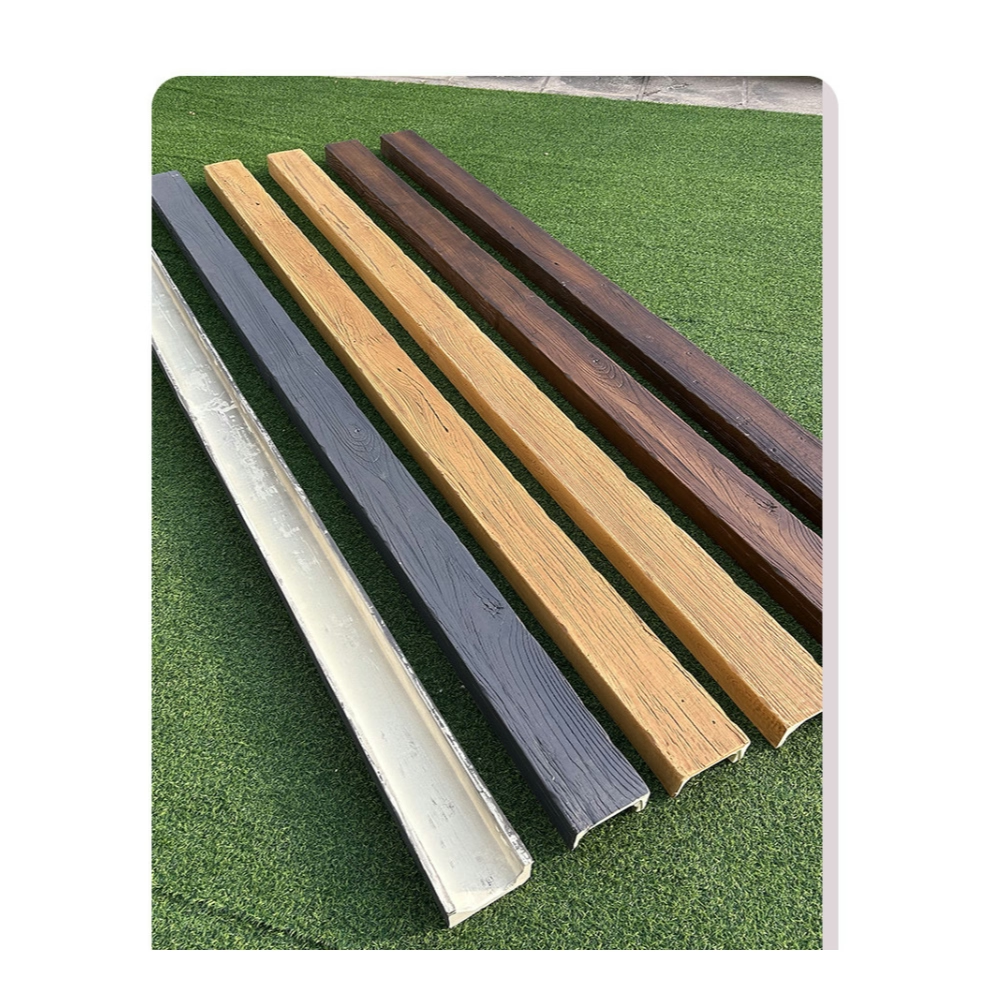
Concealing Structural Beams with C-Channel Sleeves
Existing structural beams often dominate room aesthetics in ways homeowners and designers want to change. Steel I-beams, laminated lumber supports, and HVAC ductwork all present opportunities for aesthetic improvement through C-channel polyurethane faux timber sleeves. These U-shaped wraps fit over structural members, transforming utilitarian construction elements into features that look like solid timber beams.
C-channel sleeves offer a practical solution when removing existing structural elements is impossible or impractical. The sleeve itself carries no structural load, providing purely aesthetic improvement while the structural element inside continues its load-bearing function.

What Defines a C-Channel Sleeve
A C-channel sleeve is a U-shaped polyurethane shell with three sides forming a channel. Two parallel sides extend perpendicular to a flat base, creating a wrap that slides over existing structural members. The open side typically faces downward against the ceiling, hiding the sleeve edges from normal viewing angles.
The three-sided construction distinguishes C-channel sleeves from box-shaped hollow beams. C-channel sleeves require less material, weigh less, and install faster than fully enclosed alternatives. They suit applications where the existing structure provides a finished appearance on the lower side facing the room.
Common Sleeve Applications
C-channel sleeves solve aesthetic challenges across multiple scenarios:
Steel I-beam concealment — exposed steel beams in industrial conversions, basement finishes, and commercial renovations often look out of place in residential or hospitality designs. C-channel sleeves transform the visible portions of these beams into wood-appearing features.
HVAC ductwork covering — exposed ductwork in lofts, restaurants, and modern interiors sometimes benefits from beam-style wrapping rather than traditional duct concealment. C-channel sleeves provide wood aesthetic while allowing access to ductwork when needed.
Structural lumber wrapping — glulam beams, LVL beams, and dimensional lumber supports can be aesthetically improved through C-channel sleeves when the underlying material does not match design requirements.
Pipe and conduit runs — multiple pipes or conduits running across ceilings can be consolidated into a single beam-appearing element through appropriate C-channel sizing.
Sizing Considerations for C-Channel Sleeves
Proper sizing ensures C-channel sleeves fit existing structural members correctly while providing the visual proportions expected of solid beams.
Measuring Existing Structural Elements
Accurate measurement of existing structural elements is critical for C-channel sleeve ordering. Measure the height, width, and length of the section to be covered. Note any irregularities, attachments, or transitions that affect sleeve fit.
Measure at multiple points along the length since structural members are not always perfectly straight. Use the largest dimensions to determine sleeve size requirements. Account for any attachments that must fit inside the sleeve alongside the structural element.
Standard Size Offerings
Manufacturers offer C-channel sleeves in standard sizes matching common structural dimensions. Common offerings include sizes designed to wrap I-beams in widths from four to twelve inches and depths from six to eighteen inches. Custom sizes accommodate unusual structural dimensions or specific design requirements.
Consider visual proportions when selecting sleeve size. The sleeve should appear appropriately scaled for the room, not disproportionately large or small. Designers sometimes specify oversized sleeves to make beams appear more substantial than the actual structural element.
Clearance Requirements
Allow appropriate clearance inside the C-channel sleeve. The sleeve must slide over the structural element without binding. Clearance also accommodates slight irregularities in the structural member and allows for installation adjustments.
Typical clearance allowances range from one-quarter to one-half inch on each side. Larger clearances simplify installation but may make the sleeve appear loose around the structural element. Manufacturers can advise on appropriate clearances for specific installations.
Installation Process for C-Channel Sleeves
C-channel sleeve installation is straightforward compared to solid beam installation. The lightweight material and simple mounting requirements make it accessible for both professional contractors and experienced DIY installers.
Pre-Installation Preparation
Inspect the existing structural element before installation. Address any structural issues, loose attachments, or surface irregularities that might affect sleeve fit. Clean the structural member to remove dust, debris, or contaminants.
Plan mounting point locations before beginning installation. Mark the ceiling or wall where the sleeve will attach. Identify blocking or structural elements that provide secure mounting. Pre-drill mounting holes in the sleeve if required by the specific mounting system.
Lifting and Positioning
C-channel sleeves are light enough for two-person handling in most cases. Lift the sleeve into position with the open side facing the structural member. Slide the sleeve along the structural element until it reaches its final position.
For longer sleeves, multiple installers may be needed to maintain alignment during positioning. Temporary support stands or lifting equipment help hold the sleeve in position during mounting.
Mounting Techniques
Several mounting methods work for C-channel sleeves:
Direct screw attachment drives screws through the sleeve sides into the structural member or into blocking attached to the structure. This method is simple but leaves visible screw heads that require finishing.
Hidden bracket systems use metal brackets that attach to the structural member and support the sleeve from above or behind. The brackets remain concealed while providing secure attachment without visible fasteners on the sleeve surface.
Adhesive mounting combines construction adhesive with mechanical fasteners. The adhesive provides continuous contact while fasteners hold position during adhesive curing. This approach distributes load across the entire sleeve length.
Suspended cable systems hang the sleeve from cables attached to the structural framework above. This approach works when direct attachment to the structural member is impractical. Cable systems allow precise height adjustment.
Finishing Installation Details
Complete the installation with attention to transition details. Where sleeves meet walls or other structural elements, appropriate trim or caulking creates clean appearances. Joints between multiple sleeve sections along long runs require careful alignment and finishing.
Address any visible mounting hardware with appropriate filler and finish. Touch up the finish on any areas damaged during installation. Final inspection verifies secure mounting, proper alignment, and clean appearance.

Design Considerations for Sleeve Applications
C-channel sleeves provide more than functional beam concealment. Thoughtful design choices elevate the result from acceptable to exceptional.
Selecting Appropriate Wood Appearance
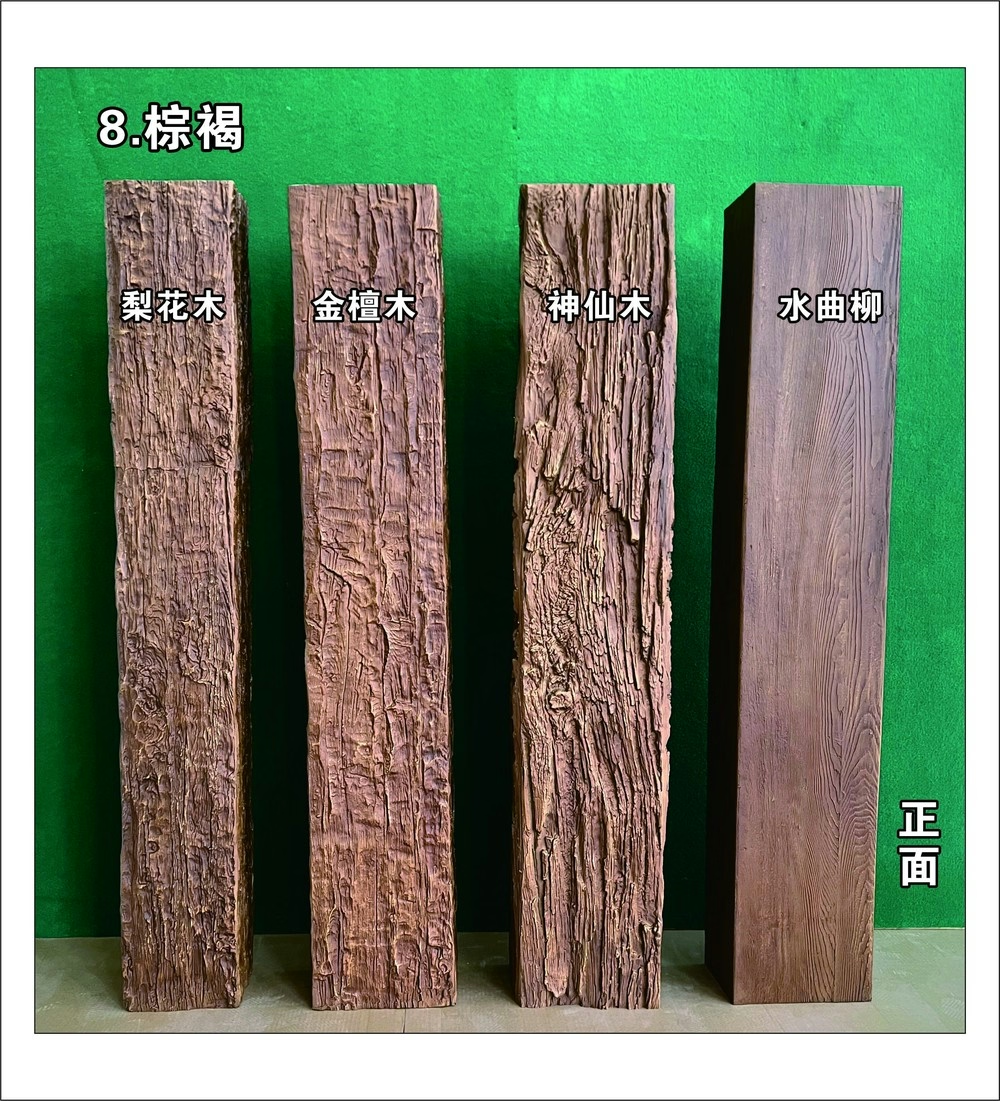
Match the sleeve's wood appearance to surrounding design elements. The sleeve should coordinate with flooring, cabinetry, and other wood features in the space. Consistency across wood elements creates cohesive room aesthetics.
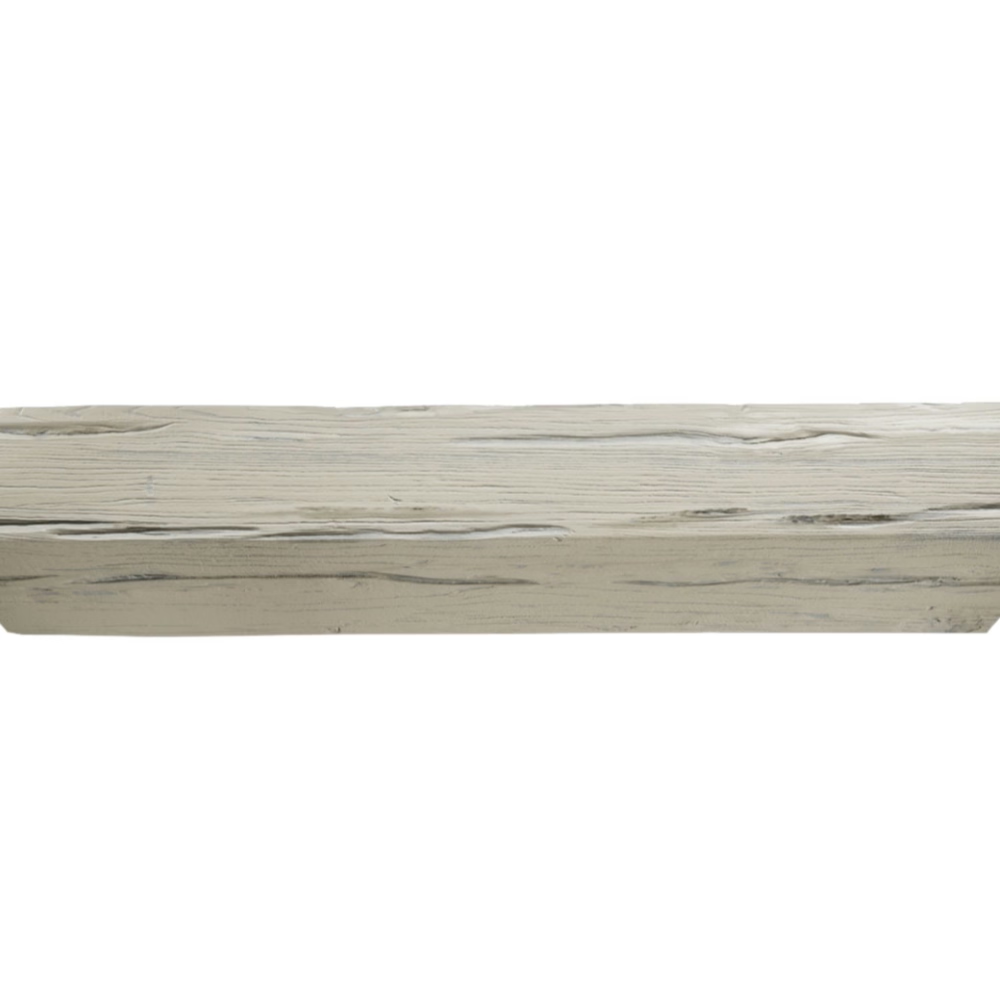
Consider the room's overall design style when selecting finish characteristics. Smooth, refined finishes suit contemporary spaces. Distressed, weathered finishes suit rustic and farmhouse aesthetics. The sleeve finish should reinforce rather than contradict the room's design direction.
Creating Beam End Treatments
Beam ends benefit from intentional design treatment. Square cuts work for clean, modern aesthetics. Decorative corbels or brackets support traditional styles. Rough-sawn or hand-hewn ends suit rustic applications. The treatment at beam ends significantly affects overall appearance.
Where sleeves meet walls, transition details require design attention. Butt joints against flat walls work in modern applications. Shadow gaps create contemporary detailing. Decorative end caps suit traditional designs. The transition detail can elevate the installation beyond simple beam wrapping.
Coordinating Multiple Sleeve Installations
Large rooms may require multiple C-channel sleeves covering different structural elements. Coordination across multiple sleeves creates unified appearance throughout the space. Consistent finishes, proportions, and mounting heights help the multiple elements read as a coherent design system rather than disconnected wraps.
Lighting Integration
Lighting design around C-channel sleeves creates dramatic effects. Recessed lighting between sleeves emphasizes their presence. Directional lighting on sleeve surfaces highlights wood grain and color. Concealed lighting within the sleeve creates indirect illumination effects. The lighting plan should develop in coordination with sleeve placement.

Material Properties of Quality C-Channel Sleeves
The polyurethane material used in quality C-channel sleeves provides specific performance characteristics suited to beam-covering applications.
Dimensional Stability
Polyurethane maintains its dimensions across temperature and humidity variations. This stability prevents the gaps, warping, or movement that would compromise appearance over time. The sleeve continues to fit properly around the structural element throughout its service life.
Surface Consistency
Manufactured polyurethane sleeves provide consistent surface appearance along their entire length. The molded grain pattern repeats predictably, unlike natural wood which varies between sections. This consistency simplifies matching and creates uniform appearance in installed applications.
Weight Advantages
C-channel sleeves are light enough for easy handling and installation. A sleeve that might require mechanical equipment if made from solid wood can be positioned by two workers. This weight advantage reduces installation complexity and cost.
Moisture Resistance
Polyurethane sleeves resist moisture absorption that would damage wood alternatives. Bathroom applications, basement installations, and pool area projects benefit from this moisture immunity. The sleeve appearance remains stable even in humid environments.
Cost Factors for C-Channel Sleeve Projects
C-channel sleeve project costs depend on multiple variables.
Material Costs
Sleeve material costs vary with size, length, finish complexity, and quantity. Standard sizes and finishes offer the most economical pricing. Custom dimensions, custom finishes, and small quantity orders carry premium pricing.
Installation Costs
Installation costs depend on project complexity. Simple straight runs install quickly. Complex installations with multiple transitions, corners, or height changes take more time. Access difficulty affects labor costs in ceiling applications.
Preparation Costs
Preparing the existing structural element may add costs. Surface cleaning, attachment removal, or structural repairs all require time and materials. Some preparation work can happen before the sleeve installation crew arrives.
Finishing Costs
On-site finishing adds cost when sleeve finishing is incomplete at the factory. Touch-up painting, joint filling, and color matching all require skilled labor. Pre-finished sleeves minimize on-site finishing costs.
Applications Beyond Standard Beam Concealment
C-channel sleeves serve creative applications beyond typical structural beam covering.
Decorative Beam Creation
In rooms without existing structural elements, C-channel sleeves can be mounted to create the appearance of beams. The empty channel reduces material costs while still providing beam aesthetics. Hollow sleeves work for purely decorative applications.
Accent Feature Construction
C-channel sleeves can form accent features beyond traditional beams. Mantels, header treatments, and architectural reveals all benefit from C-channel construction. The channel shape provides structure while the visible surfaces deliver design impact.
Custom Architectural Elements
Custom designs incorporating C-channel construction include curved beam effects, transitional elements between ceiling heights, and integrated lighting features. Manufacturers can produce custom C-channel shapes for unique design requirements.
Selecting C-Channel Sleeves for Specific Projects
Project success depends on matching sleeve specifications to installation requirements.
Verify Structural Conditions
Examine the existing structural elements before ordering sleeves. Confirm dimensions, identify any irregularities, and assess mounting requirements. This information ensures ordered sleeves fit properly and install without complications.
Plan Mounting Approach Early
Decide mounting methods during the specification phase. Different mounting approaches require different preparation, hardware, and installation sequencing. Planning ahead prevents complications during installation.
Coordinate With Other Trades
C-channel sleeve installation may need coordination with other trades. Electrical, plumbing, or HVAC work above the ceiling must complete before sleeves install. Painting or wall finishing may need to happen after sleeve installation. Schedule coordination prevents conflicts.
Plan for Long-Term Performance
Consider long-term performance during specification. Sleeves that allow access to the structural element for future inspection or maintenance extend practical service life. Sealed installations may complicate future work on covered structural elements.
Technical References
ASTM standards cited in every specification
Test Data
Lab results from internal testing program
Updated 2026
Reviewed against current product specs