Synthetic Wood Beams Span Every Design Style
Design flexibility defines the value proposition of modern synthetic wood beams. Whether the project calls for traditional Tuscan aesthetics, contemporary minimalism, rustic farmhouse charm, or coastal retreat atmosphere, polyurethane construction adapts to deliver the appropriate look. This versatility eliminates the material constraints that limit some alternative beam products.
The adaptability comes from manufacturing flexibility that solid wood cannot match. Synthetic beams can be molded in any profile, finished in any color, and textured in any grain pattern. Designers working across diverse project types find synthetic wood beams consistently deliver appropriate aesthetics.

Style Range Achievable With Synthetic Beams
Several major design styles benefit from synthetic wood beam applications:
Traditional and classical interiors use beams with refined profiles, rich wood tones, and formal proportions. Synthetic beams replicate period-appropriate appearance while providing modern material performance.
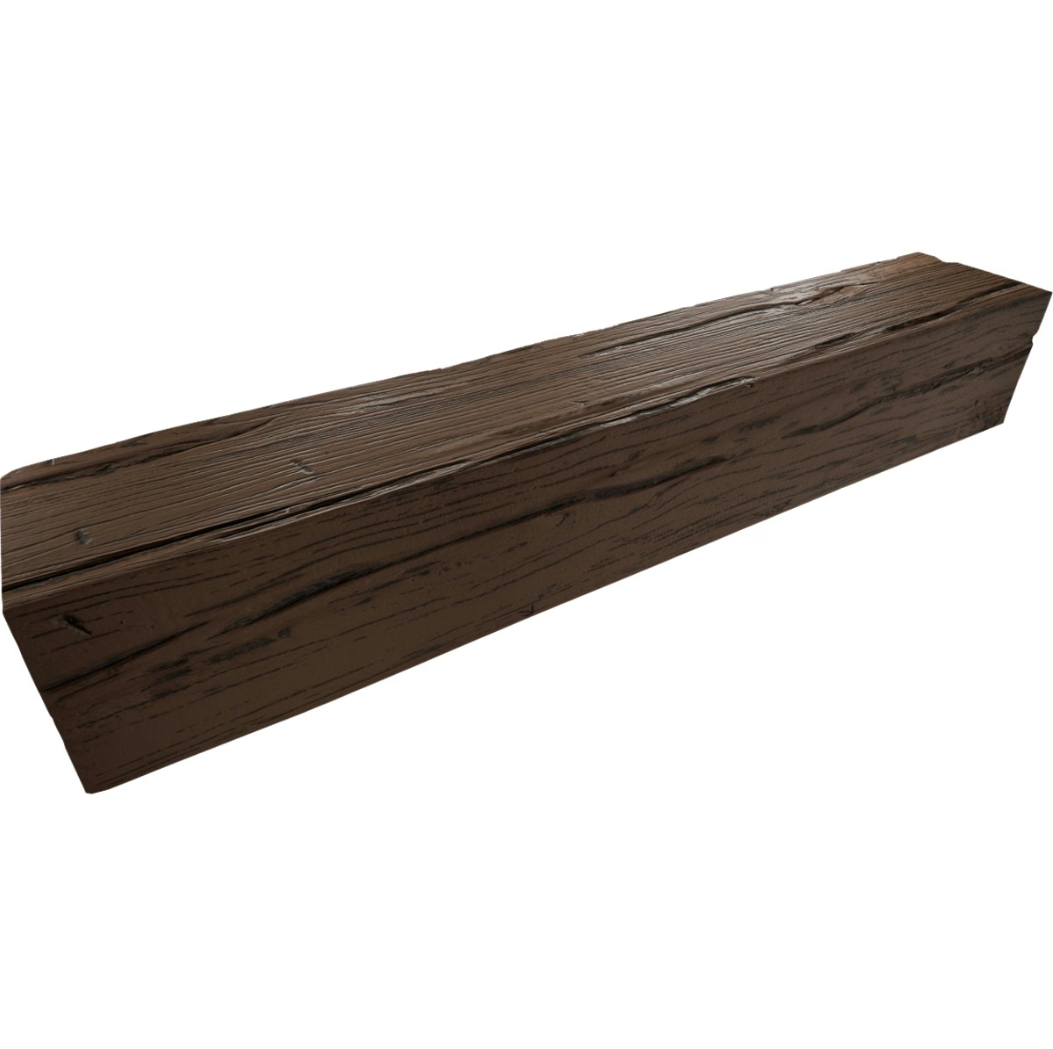
Rustic and farmhouse aesthetics employ distressed finishes, rough textures, and weathered appearances. Synthetic beams achieve these effects through specific finishing techniques applied during manufacturing.
Contemporary and modern designs feature clean lines, smooth finishes, and consistent coloration. Synthetic beams deliver the precise appearance modern design demands.
Industrial and urban environments combine beam aesthetics with metal, concrete, and exposed structural elements. Synthetic beams complement rather than compete with these raw materials.
Coastal and tropical styles use lighter colors, weathered textures, and casual proportions. Synthetic beams suit the relaxed atmosphere these designs require.
Manufacturing Flexibility Enables Style Adaptation
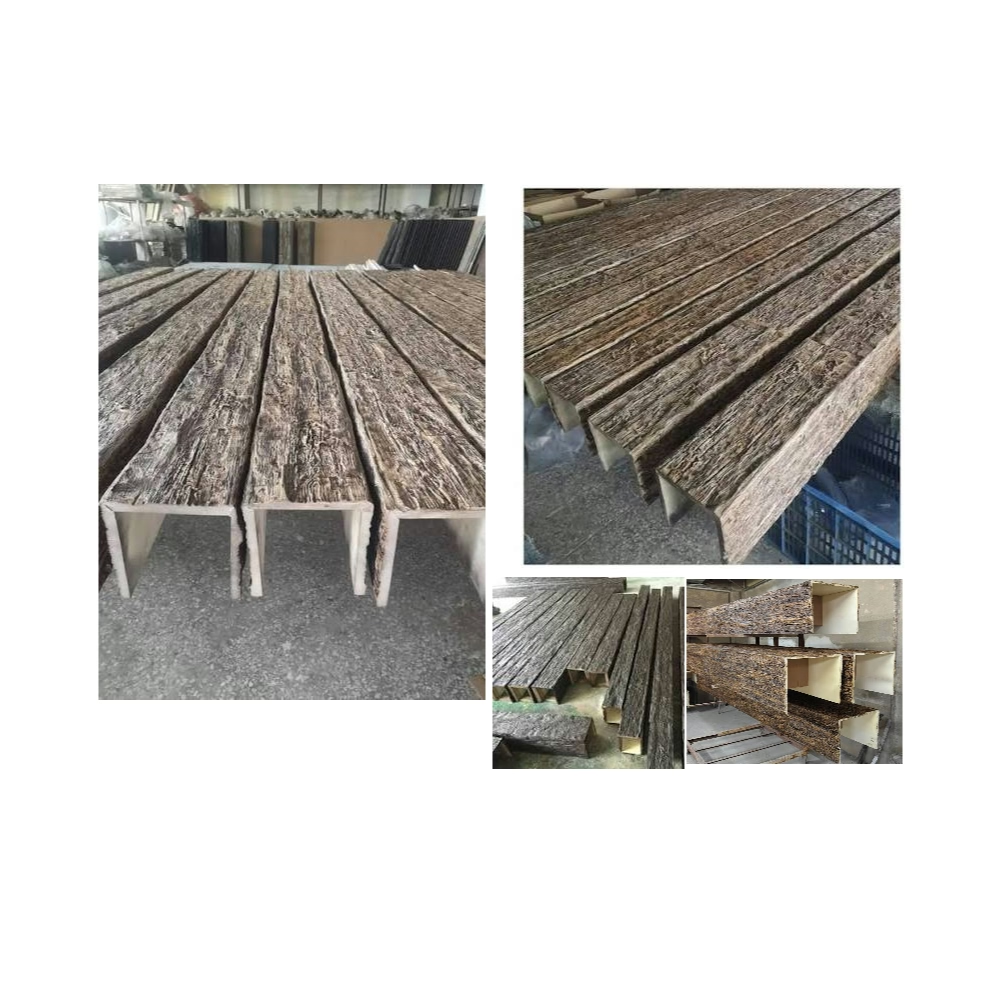
The manufacturing process for synthetic wood beams adapts to produce style-specific results. Mold selection determines the basic profile and surface texture. Finishing systems create the appropriate color, sheen, and character for each application.
Custom mold development supports unique project requirements. Manufacturers can produce beam profiles unavailable from standard offerings, enabling distinctive design approaches that differentiate projects.
Finishing Options Across Style Categories
Different styles require different finishing approaches:
Traditional finishes emphasize rich wood tones with subtle grain enhancement. Multiple stain layers build depth while maintaining formal appearance. Topcoat sheens range from satin to semi-gloss for refined looks.
Rustic finishes incorporate distressing, weathering, and color variation. Dry brushing techniques highlight texture while glazing creates depth in recessed areas. Knots and natural irregularities become design features.
Contemporary finishes favor clean, consistent coloration with minimal variation. Smooth surface treatments and uniform sheens create the refined appearance modern design requires. Matte to low-satin sheens suit most contemporary applications.
Industrial finishes often combine wood appearance with metallic accents or weathering effects. Patinas, oxidation marks, and surface irregularities contribute to industrial authenticity.
Coastal finishes emphasize light colors, whitewashed effects, and sun-bleached characteristics. Driftwood, sea salt, and weathered gray tones create the relaxed atmosphere coastal design requires.
Application Approaches for Different Style Categories
Style-specific applications require thoughtful integration of synthetic beams with surrounding design elements.
Traditional Interior Applications
Traditional interiors benefit from beams that reference historical architectural precedents. Hand-hewn textures, rich wood tones, and substantial proportions create the formal character these spaces require.
Position traditional beams in configurations that reflect authentic historical construction. Coffered ceilings, intersecting beam patterns, and substantial supporting corbels all contribute to appropriate traditional aesthetics.
Select beam dimensions that suit the room scale. Traditional rooms typically call for substantial beams rather than minimal profiles. The proportions should match the room's architectural ambition.
Rustic and Farmhouse Applications
Rustic interiors embrace apparent imperfection and weathered character. Distressed finishes, knot-heavy grain patterns, and substantial proportions create the casual authenticity these designs celebrate.
Combine beams with other rustic elements including shiplap walls, wide-plank flooring, and farmhouse-style fixtures. The beams should appear as natural components of a cohesive rustic environment.
Consider varying beam sizes and orientations to create visual interest. Asymmetrical configurations and intentional irregularity suit rustic aesthetics better than perfectly uniform installations.
Contemporary and Modern Applications
Contemporary designs favor clean lines, precise proportions, and consistent finishes. Synthetic beams achieve these qualities through careful profile selection and quality manufacturing.
Position beams as deliberate design statements rather than structural simulations. Contemporary beams often serve as visual organization elements defining spaces or highlighting architectural features.
Coordinate beam finishes with other design elements for unified appearance. The precision of contemporary design demands consistency across all materials and finishes.
Industrial and Urban Applications
Industrial interiors celebrate raw materials and exposed structural elements. Synthetic beams can complement these elements while providing refined appearance where desired.
Combine synthetic beams with exposed steel, concrete, and other industrial materials. The contrast between refined synthetic beams and raw industrial elements creates design tension that adds visual interest.
Consider exposed mounting hardware and visible structural connections as design features rather than concealing them. Industrial aesthetics benefit from honest expression of construction methods.
Coastal and Tropical Applications
Coastal environments use light colors, weathered textures, and relaxed proportions to create vacation atmosphere. Synthetic beams adapt to these requirements through appropriate finishing and proportion selection.
Whitewashed finishes, driftwood colors, and weathered gray tones suit coastal aesthetics. The casual appearance should feel lived-in rather than formal.
Pair coastal beams with other relaxed design elements including natural fibers, casual furnishings, and ocean-inspired colors. The beams contribute to rather than dominate the overall coastal atmosphere.
Cross-Style Applications and Transitional Designs
Many projects blend multiple styles or occupy transitional positions between established categories. Synthetic beams adapt to these applications through combination finishing and proportion flexibility.
Transitional Style Considerations
Transitional interiors balance traditional and contemporary elements. Synthetic beams support transitional designs by providing wood warmth without overwhelming formality.
Select beam profiles that work across style categories. Moderately refined profiles without extreme traditional ornamentation or stark minimalism suit transitional applications well.
Coordinate finishes with both traditional and contemporary elements in the room. Transitional palettes often use mid-tone colors and moderate sheen levels that relate to multiple style influences.
Eclectic and Mixed Style Approaches
Eclectic interiors combine elements from multiple styles intentionally. Synthetic beams contribute to eclectic designs by providing one strong element within diverse surroundings.
Allow beams to serve as anchoring elements that tie together disparate style components. Their substantial visual presence helps unify otherwise varied design elements.
Style Evolution Over Time
Interior styles evolve as design preferences change. Synthetic beams adapt to style evolution more easily than permanent installations like solid wood. Refinishing options allow beams to change appearance as design preferences shift.
Property owners who frequently refresh their interiors particularly value this flexibility. Synthetic beams can serve through multiple design updates with appropriate refinishing between style phases.
Practical Considerations Across Style Applications
Several practical factors apply across style categories.
Structural Requirements Vary by Style
Different styles imply different structural expectations. Heavy timber traditional aesthetics suggest substantial structural members. Minimalist contemporary aesthetics suggest cleaner, lighter appearance.
Synthetic beams match these expectations through size and proportion selection rather than actual structural capacity. The beams serve aesthetic rather than load-bearing functions regardless of apparent style.
Lighting Integration Across Styles
Beam installation affects room lighting. Different styles integrate lighting with beams differently:
Traditional designs often feature integrated chandeliers, sconces, or recessed lighting within beam configurations.
Rustic designs emphasize natural light with minimal supplemental fixtures.
Contemporary designs use concealed or track lighting that highlights beam geometry.
Industrial designs expose lighting elements as features rather than concealing them.
Coastal designs maximize natural light with minimal window obstruction from beam placement.
Color Coordination Principles
Beam color coordination follows general principles that adapt to specific style requirements:
Match dominant wood elements for unified appearance.
Contrast with walls and ceilings to emphasize beam presence.
Harmonize with overall color palette for subtle integration.
Complement specific accent colors to tie design elements together.
The chosen approach depends on whether beams should dominate or support the room's visual hierarchy.
Maintenance Expectations by Style
Different styles imply different maintenance expectations. High-gloss traditional finishes show dust more readily than matte rustic finishes. Light coastal finishes show marks more readily than dark traditional finishes.
Select finish characteristics appropriate for the maintenance capacity of the occupants. Commercial installations with regular maintenance protocols can sustain finishes that residential applications might find challenging.
Specification Decisions for Style-Appropriate Beams
Successful specification requires matching beam characteristics to style requirements.
Document Style Requirements Clearly
Specify style requirements in project documentation. Include references to style-appropriate finishes, profiles, and proportions. Clear specifications prevent misunderstandings between designers, contractors, and manufacturers.
Reference images, physical samples, or detailed descriptions help communicate style intent. Ambiguous specifications often lead to disappointing results.
Verify Manufacturer Style Capabilities
Different manufacturers specialize in different style categories. Verify that potential suppliers can deliver the style-appropriate products the project requires.
Request samples showing the manufacturer's capabilities across style categories. This evaluation helps identify suppliers whose aesthetic strengths align with project needs.
Consider Regional Style Preferences
Design preferences vary regionally. Coastal styles dominate in some markets while traditional styles prevail in others. Manufacturers familiar with regional preferences often produce more appropriate results.
For international projects, consider how style expectations vary across target markets. Synthetic beam flexibility supports style adaptation, but understanding regional preferences improves specification accuracy.
Plan for Style Coordination
Coordinate beam style with other room elements early in the design process. Late style decisions may limit available beam options or require compromises that affect design integrity.
Comprehensive design coordination ensures beam selection supports rather than conflicts with overall style goals. The most successful projects integrate beam specifications with broader design planning from the earliest stages.
Technical References
ASTM standards cited in every specification
Test Data
Lab results from internal testing program
Updated 2026
Reviewed against current product specs


