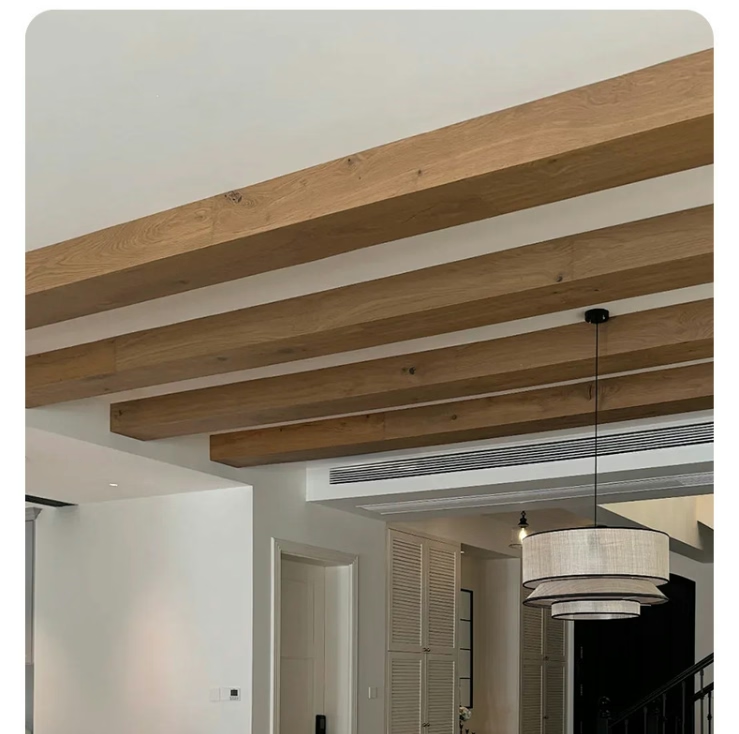
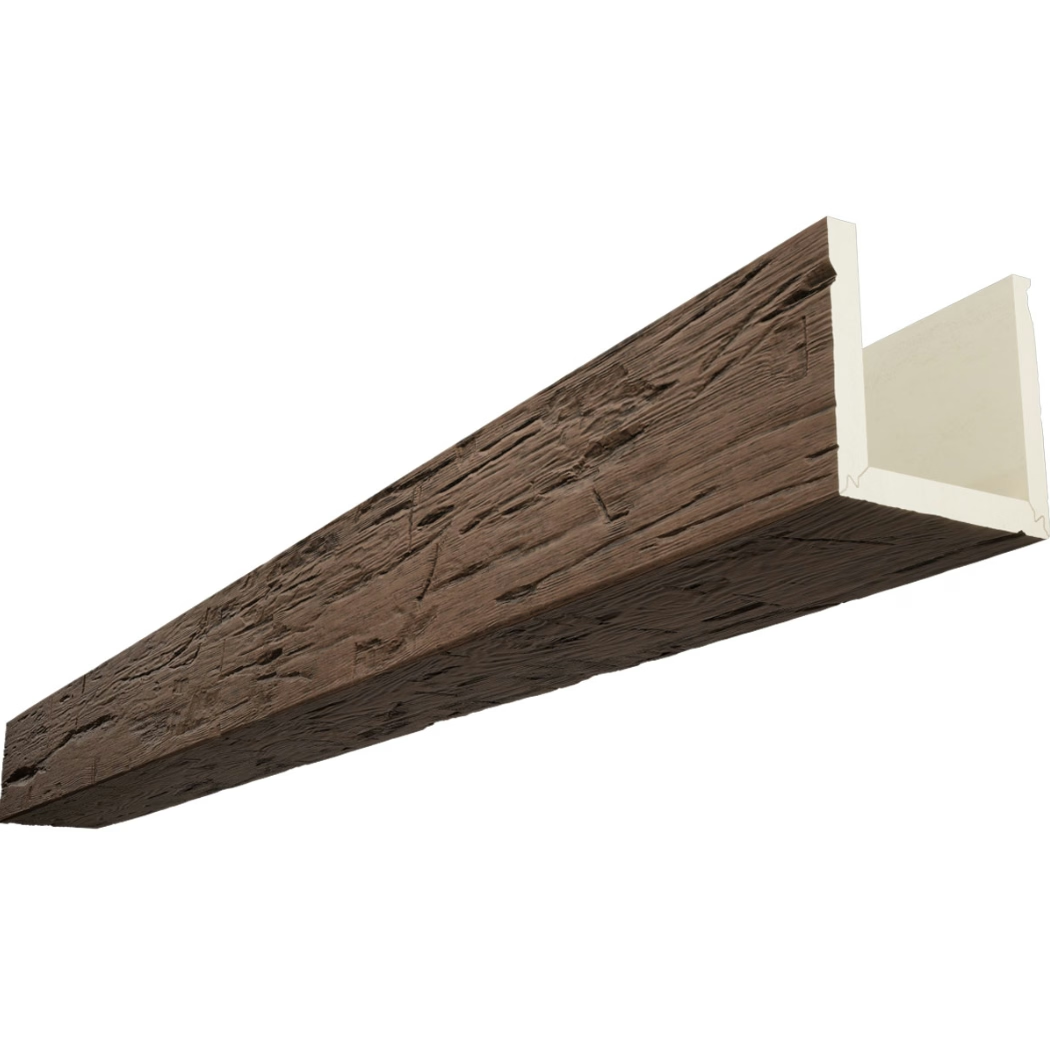
Refurbishment Projects Present Unique Beam Opportunities
Large-scale commercial interior refurbishment represents a significant market for durable faux beams. Property owners, facility managers, and tenants undertake major renovations to refresh dated interiors, accommodate new uses, or reposition properties within competitive markets. Beam installations frequently feature in these refurbishments as cost-effective elements that transform interior character.
Refurbishment work differs from new construction in important ways that affect beam specification and installation. Existing conditions constrain design options, installation methods must accommodate current building structure, and operations often continue in adjacent spaces during work. Durable faux beams address these constraints more effectively than most alternatives.

Why Faux Beams Suit Refurbishment Projects
Several characteristics make faux beams particularly suitable for refurbishment applications:
Light weight eliminates concerns about adding load to existing structures. Older buildings may have limited capacity for additional structural loads that heavy solid timber would impose.
Installation flexibility allows mounting to various existing surfaces including framing, blocking, or even existing structure with appropriate anchors.
Aesthetic transformation delivers substantial visual impact without the cost and disruption of structural modifications. Beams change room character dramatically with relatively simple installation.
Operational continuity allows installation in spaces that remain partially occupied. Faux beam installation causes minimal disruption compared to structural work.
Cost efficiency makes comprehensive design updates feasible within typical refurbishment budgets. The material and installation cost advantages enable more ambitious design changes.
Timeline predictability supports project scheduling in renovations that often have fixed completion dates. Faster installation with predictable duration reduces schedule risk.
Common Refurbishment Scenarios
Faux beam applications address numerous refurbishment scenarios:
Office building repositioning where older commercial properties are updated to attract modern tenants. Beam installations create contemporary aesthetic features that differentiate properties from competitors.
Retail center refresh where dated shopping centers receive aesthetic updates to maintain market relevance. Beam applications create distinctive character throughout common areas and anchor tenant spaces.
Hospitality renovation where hotels and resorts update interiors between brand standard cycles. Beam installations contribute to refreshed aesthetics without complete reconstruction.
Restaurant rebranding where dining establishments change concepts or update appearances. Beam applications support new brand identities through distinctive design elements.
Educational facility upgrades where schools and universities modernize learning environments. Beam applications add warmth and character to institutional spaces.
Healthcare environment improvements where medical facilities create less institutional appearances. Beam applications help healthcare environments feel more welcoming.
Multi-family residential updates where apartment buildings and condominiums are refreshed for market competitiveness. Beam installations enhance perceived property value.
Refurbishment Design Considerations
Refurbishment design faces different constraints than new construction:
Existing conditions dictate some design parameters that new construction can control. Designers work within existing ceiling heights, structural configurations, and material conditions.
Building system integration must accommodate existing mechanical, electrical, plumbing, and fire protection systems. Beam installations should not compromise these essential systems.
Code compliance may involve both current codes and existing conditions that were legal when installed. Renovation projects must meet current codes for the work being performed while often leaving existing conditions undisturbed.
Phased construction allows portions of properties to remain operational during renovation. Beam installation may need to occur in occupied spaces or be phased around operational requirements.
Material compatibility with existing finishes affects both aesthetic and technical considerations. New beam installations should integrate appropriately with existing elements that will remain.
Beam Specification for Refurbishment Projects
Successful beam specification in refurbishment requires attention to project-specific factors:
Condition assessment of existing structure identifies attachment points, structural capacity, and any conditions affecting beam installation. Thorough assessment prevents installation surprises.
Code verification confirms current code requirements for the specific renovation scope. Different renovation types trigger different code requirements, affecting product specifications.
Finish coordination ensures new beam installations harmonize with existing or planned surrounding elements. Sample evaluation in actual project conditions verifies appearance coordination.
Mounting method selection based on existing conditions and structural capacity. Various mounting approaches suit different existing conditions.
Logistics planning addresses material delivery, staging, and installation access within operating properties. Effective logistics minimize disruption and support project efficiency.
Procurement Strategies for Large-Scale Projects
Large-scale refurbishment procurement follows different approaches than smaller projects:
Bulk material ordering reduces per-unit costs through volume pricing. Consolidating beam requirements across multiple project areas or phases can achieve better pricing.
Phased delivery scheduling aligns material arrivals with installation sequences. Staged deliveries prevent site congestion and reduce material handling requirements.
Standardized specifications across multiple project areas simplify procurement and ensure consistent appearance. Standardization also supports future maintenance and replacement.
Vendor consolidation through single-source procurement reduces administrative complexity and often improves pricing. Single-source procurement requires careful vendor qualification to ensure capability.
Contract structures appropriate for project scale and complexity. Larger projects may warrant different contract structures than smaller work.
Installation Logistics in Operating Environments
Refurbishment installation in operating properties presents specific challenges:
Occupied space coordination protects occupants from construction activities while allowing work to proceed. Dust containment, noise management, and access restrictions all require attention.
Phased installation scheduling allows portions of properties to remain operational while other areas undergo renovation. Beam installation in specific zones according to overall project phasing.
Communication protocols keep building occupants informed about construction activities. Advance notice of disruptive activities helps occupants plan around construction.
Security considerations during installation address both material security and occupied space protection. Secure staging areas and controlled access to work zones protect both.
Cleanup standards appropriate for occupied properties maintain professional appearance and minimize occupant disruption. Daily cleanup protocols support ongoing operations.
Cost Management in Refurbishment Projects
Refurbishment budget management requires careful cost control:
Accurate scope definition prevents costly change orders during installation. Comprehensive scope documentation during planning phases reduces surprises during execution.
Contingency planning addresses unexpected conditions common in renovation work. Older buildings often hide conditions not apparent during initial assessment.
Value engineering opportunities can reduce costs without compromising design intent. Substitute materials, simplified finishes, or modified configurations may achieve similar results at lower cost.
Phased spending aligns project expenses with cash flow and funding availability. Staged procurement and installation support financial management.
Lifecycle cost analysis demonstrates value of quality materials over building ownership periods. Higher initial investment in quality beams pays back through extended service life and reduced maintenance.
Quality Control for Refurbishment Installations
Quality control deserves particular attention in refurbishment projects:
Mockup requirements for complex installations allow verification of appearance and methods before full-scale work proceeds. Mockups prevent expensive corrections after installation begins.
Progressive inspection at key installation stages verifies quality before subsequent work covers completed elements. Sequential inspection prevents covering problems that become expensive to address later.
Final inspection protocols confirm installation completeness and quality before project acceptance. Detailed final inspections protect owner interests and support warranty activation.
Documentation requirements capture as-built conditions and installation details for future reference. Comprehensive documentation supports maintenance and any future renovation work.
Warranty activation procedures ensure that available warranty coverage begins appropriately. Proper documentation and registration support future warranty claims if needed.
Working With Existing Conditions
Refurbishment installation must accommodate existing conditions that vary widely:
Structural attachment points may be limited or inconveniently located. Flexible mounting systems adapt to available attachment opportunities.
Existing utilities including wiring, plumbing, and HVAC must be avoided or worked around. Careful coordination with other trades prevents damage to essential systems.
Surface irregularities including uneven walls, sagging ceilings, and out-of-plumb conditions complicate installation. Adjustment capabilities in mounting systems accommodate these irregularities.
Adjacent finishes that will remain require protection during installation. Surface protection protocols preserve existing conditions.
Differing ceiling heights in various building areas may require beam specification adjustments. Verify dimensional requirements throughout project areas.
Phased Installation Approaches
Many refurbishment projects require phased installation:
Tenant coordination schedules work around tenant operations in multi-tenant properties. Phase planning accommodates tenant schedules and minimizes business disruption.
Revenue protection prioritizes work that protects ongoing revenue generation. Critical revenue-generating areas may receive priority scheduling.
Seasonal considerations affect optimal timing for certain installation activities. Weather-sensitive exterior work benefits from appropriate seasonal scheduling.
Resource availability including labor, equipment, and materials may dictate phasing options. Plan phasing around realistic resource availability.
Milestone-based scheduling ties installation phases to project milestones that align with funding, occupancy, or marketing requirements.
Communication and Stakeholder Management
Refurbishment projects involve multiple stakeholders requiring effective communication:
Owner representation maintains alignment between project execution and owner objectives. Regular communication ensures owner input throughout the project.
Design team involvement addresses design questions that arise during construction. Designer input helps resolve field conditions consistent with design intent.
Contractor coordination ensures that beam installation integrates with other renovation work. Regular coordination meetings support smooth project execution.
Authority having jurisdiction engagement addresses code compliance questions. Building inspectors and code officials provide approval at key project stages.
User group communication with occupants or tenants addresses concerns and coordinates activities. User cooperation supports efficient project execution.
Post-Installation Considerations
Activities following beam installation support long-term project success:
Punch list management addresses any remaining deficiencies before project acceptance. Timely punch list resolution supports project closeout.
Maintenance documentation provides building operations staff with information needed for ongoing care. Clear documentation supports consistent maintenance quality.
Warranty registration activates available warranty coverage for the installed products. Proper registration ensures that coverage remains in force.
Operations training for building staff addresses any specialized maintenance requirements. Training supports appropriate care of new installations.
Project closeout includes final documentation, payment processing, and any required regulatory submissions. Comprehensive closeout protects project stakeholders.
Refurbishment Project Success Factors
Several factors contribute to successful refurbishment projects featuring faux beam installations:
Clear project objectives align stakeholders around common goals. Shared understanding of project success criteria supports coordinated effort.
Realistic scope and budget prevent overpromising that creates disappointment. Honest assessment of what can be achieved within constraints supports satisfaction.
Strong project leadership provides direction and decision-making throughout the project. Capable project management addresses inevitable challenges.
Quality installation execution delivers design intent through skilled workmanship. Investment in quality installation pays back through results.
Effective communication keeps stakeholders informed and engaged throughout the project. Communication prevents misunderstandings and supports collaborative problem-solving.
Comprehensive documentation supports project understanding throughout the building lifecycle. Documentation benefits current project execution and future operations.
Technical References
ASTM standards cited in every specification
Test Data
Lab results from internal testing program
Updated 2026
Reviewed against current product specs