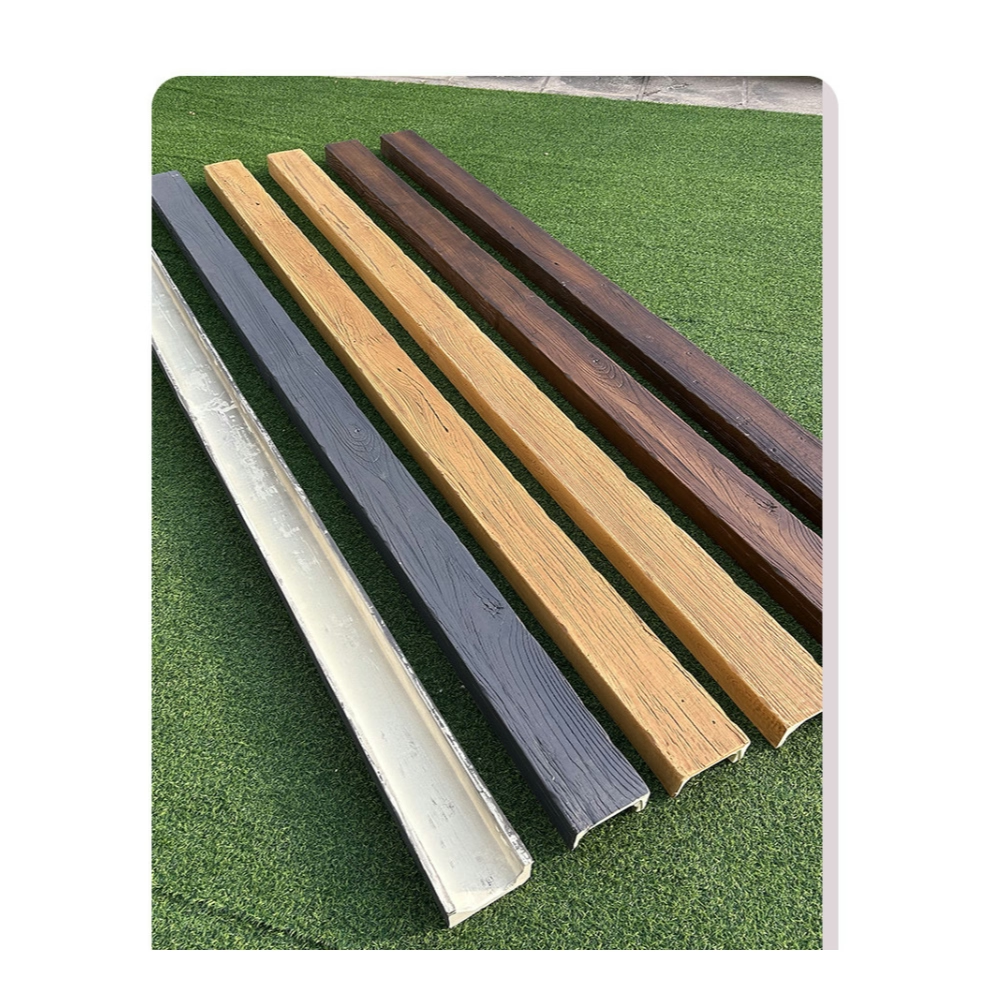
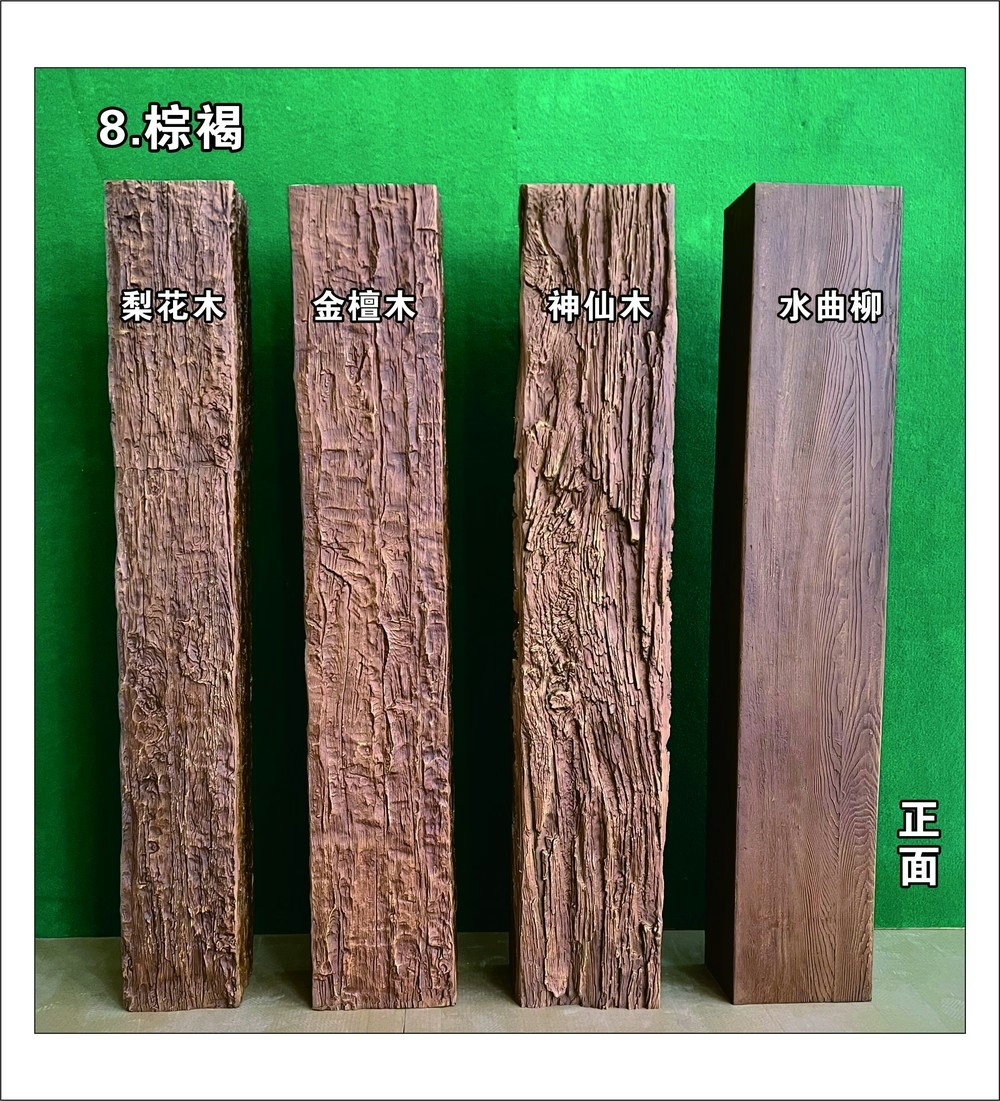
An exterior beam works harder than any interior member in a building. It endures direct sunlight, driving rain, freeze-thaw cycles, and the accumulated effects of every weather event the region experiences in a given year. Many exterior beams are also visible from the primary living spaces inside the home, making their condition a daily reminder of the property's overall maintenance. When these beams begin to show their age, the renovation question is not whether to address them, but how to address them in a way that lasts.
Polyurethane resin cladding has emerged as one of the most effective solutions for exterior beam renovation. Unlike paint, which sits on the surface and degrades with UV exposure, cladding wraps the beam in a thick, factory-finished material that handles weather with the same ease that interior polyurethane handles indoor conditions. The result is a beam that looks newly installed for many years, with minimal maintenance.

The Problem with Exterior Beam Renovation
Exterior beams face a unique combination of stresses that interior beams never encounter. The materials used must perform across all of them simultaneously.
Weather Exposure
Sun, rain, snow, ice, and wind place constant stress on exterior materials. UV radiation breaks down organic binders in paint and many plastics. Water penetrates small cracks and expands them through freeze-thaw cycles. Wind drives rain into joints and crevices where it accumulates and causes rot in timber or corrosion in metal.
These stresses are not dramatic individually. They accumulate over years, gradually degrading the surface until the beam requires attention. The cycle of maintenance and partial repair can become a significant burden over the life of a building.
Structural Considerations
Many exterior beams are structural members that carry roof loads or wall framing. They cannot simply be removed and replaced without significant construction work. The renovation must work with the existing structure, often adding a new surface while the original beam continues to do its structural job.
This constraint favors cladding and wrapping solutions over replacement. The original beam remains in place, doing what it has always done, while the new surface addresses the appearance and weather protection that the original material can no longer provide.
Aesthetic Continuity
Exterior beams are often visible from inside the home through windows, from outdoor living spaces, and from the street. Their condition affects the perceived quality of the entire property. A renovation that addresses interior finishes but leaves exterior beams looking tired undermines the impact of the overall project.
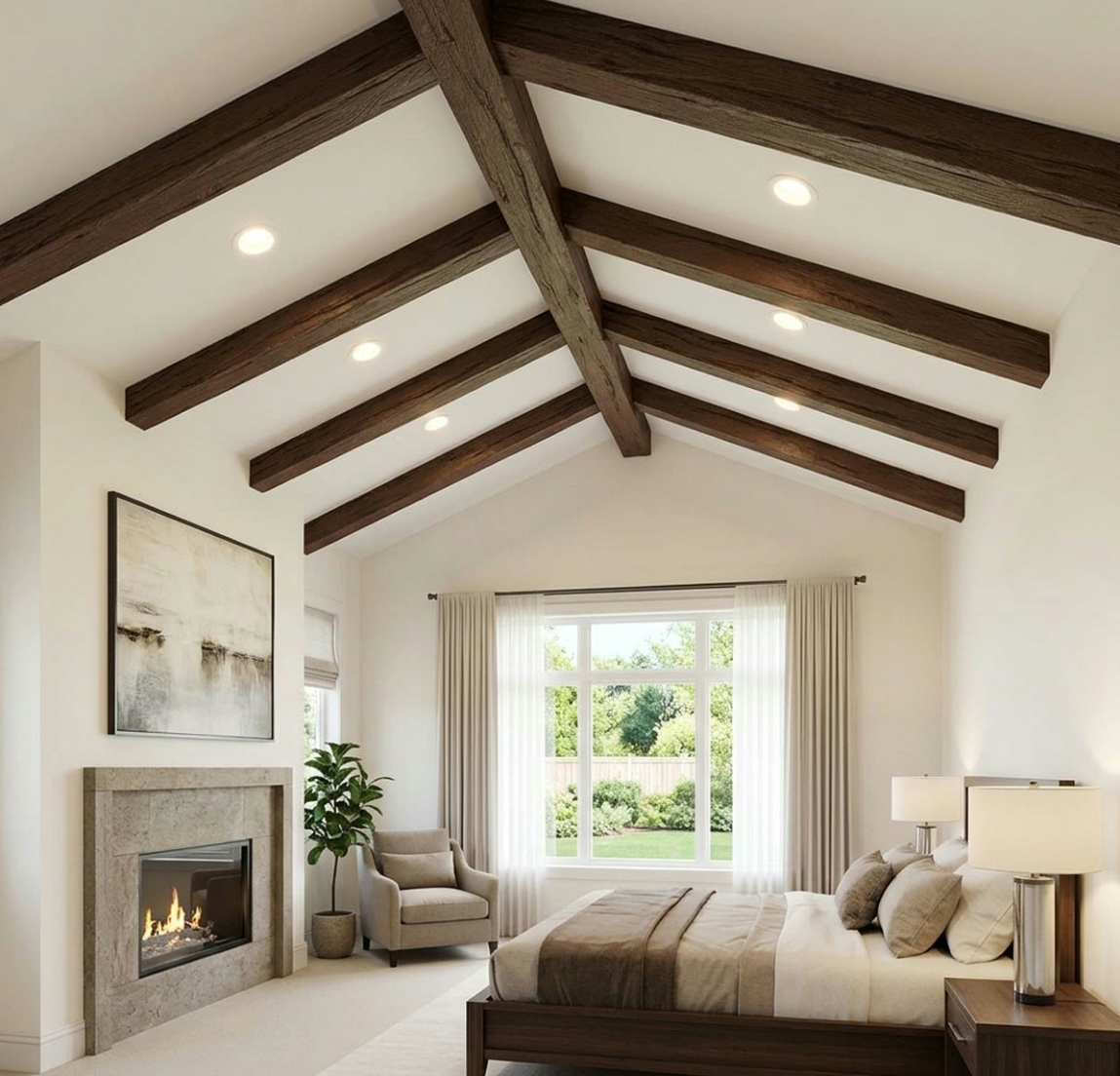
Polyurethane cladding allows the renovation to extend consistently to exterior elements. The same beam appearance that defines the interior can continue across covered outdoor spaces, around entries, and across garage openings, creating a unified design that supports the property's overall character.
How Polyurethane Cladding Works
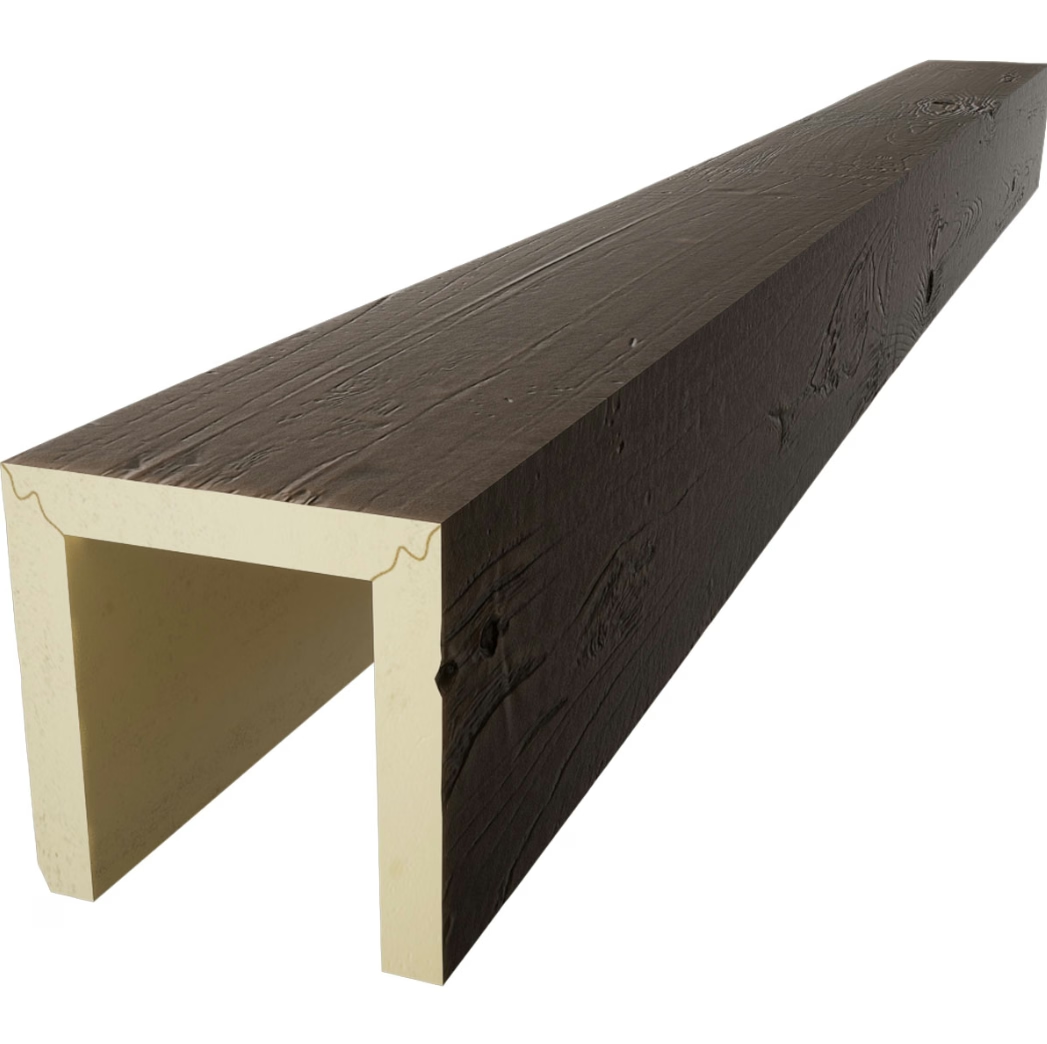
Polyurethane cladding for exterior beams is a complete system that wraps the existing beam with a new, factory-finished surface. The system includes the cladding panels themselves, corner pieces, end caps, and the fastening hardware needed for installation.
Material Composition
The cladding is molded from high-density polyurethane resin with additives designed for exterior performance. UV inhibitors slow the color fading that would otherwise occur with prolonged sun exposure. The closed-cell structure prevents water absorption, even if the surface is scratched or breached. Fire-retardant additives, where required, are distributed throughout the material.
The formulation varies by manufacturer and product line, but the best exterior cladding products are designed for decades of service in conditions that would destroy lesser materials within a few years. They are tested for accelerated weathering, color fastness, and impact resistance, with results available from the manufacturer for specifiers who require documentation.
Profile and Size Range
Exterior beam cladding is available in standard profiles that match common timber dimensions, from modest four-by-six members to substantial twelve-by-twelve posts. Custom profiles can be produced for unusual beam dimensions or specific architectural details.
The length of individual cladding sections varies by product, but most manufacturers produce sections long enough to minimize the number of joints in a typical installation. Joints, where they occur, are designed to shed water and to be hidden by the cladding profile or by additional trim pieces.
Fastening Systems
Cladding can be fastened to the existing beam through several methods, depending on the structural conditions and the desired appearance. The most common approach uses color-matched screws that pass through the cladding into the underlying beam. The screw heads are then covered with color-matched plugs or filler, leaving a surface that appears unfastened.
Alternative methods include clip systems that hold the cladding without visible fasteners, and adhesive systems for installations where penetrating the underlying beam is undesirable. Each method has advantages in specific situations, and the manufacturer typically provides guidance on the best choice for a given application.

Installation Process
Exterior cladding installation follows a predictable sequence, with attention to weather conditions and surface preparation.
Assessment and Preparation
Before any cladding is installed, the existing beam must be assessed for structural soundness. Surface deterioration is acceptable; structural failure is not. The cladding adds weight, however small, and any underlying problems must be addressed before the new surface is applied.
Surface preparation typically includes cleaning to remove dirt, mildew, and loose material. Any damaged areas of the existing beam should be repaired or stabilized. Primers or sealers may be applied to the existing surface to improve adhesion or to prevent any future deterioration from affecting the new cladding.
Working with Weather
Unlike interior projects, exterior cladding installation is at the mercy of the weather. Most polyurethane adhesives and sealants have temperature and humidity ranges within which they cure properly. Installation should be scheduled during favorable conditions, with protection from rain during the curing period.
Professional installers typically monitor weather forecasts closely and may reschedule installations around adverse conditions. For DIYers, this same attention to weather is essential. A cladding project started during a stable weather window will deliver better results than one rushed between storms.
Sequencing with Other Work
If the exterior beam renovation is part of a larger project, the cladding installation should be sequenced appropriately. Painting, staining, or sealing of other exterior elements should be completed before the cladding is installed, if possible, to avoid damage to the new cladding from overspray or drips.
Adjacent work, such as window replacement or siding installation, may generate construction debris that could damage the cladding surface. Coordination with other trades minimizes the risk of damage and reduces the need for touch-up work after the cladding is in place.
Performance Over Time
The long-term performance of polyurethane cladding is one of its most compelling features. A properly installed cladding system can look new for many years with minimal maintenance.
Weather Resistance
Rain, snow, and ice sheet off the closed-cell polyurethane surface rather than penetrating it. The material does not absorb water, so freeze-thaw cycles do not cause the internal stress that destroys many other exterior materials. UV inhibitors in the formulation slow the color changes that would otherwise accumulate with sun exposure.
In coastal environments, where salt air accelerates the deterioration of many materials, polyurethane cladding performs exceptionally well. The salt does not corrode the material, and the surface can be rinsed clean with a garden hose as part of routine maintenance.
Color Stability
The color in polyurethane cladding is distributed through the material rather than applied as a surface film. Small scratches and scuffs do not reveal a contrasting substrate. The color remains consistent across the visible surface, even after years of exposure.
When color refresh is desired after many years of service, the cladding accepts paint directly with proper surface preparation. The thick material provides a stable substrate that holds paint well, and the refreshed surface lasts for years before requiring attention again.
Maintenance Requirements
Maintenance for polyurethane cladding is minimal. Annual rinsing with a garden hose removes surface dirt and accumulated debris. Occasional cleaning with mild detergent addresses any spots that do not respond to water alone. There are no sealers to reapply, no finishes to refresh, and no protective treatments to schedule.
For homeowners accustomed to the constant maintenance that exterior wood requires, this minimal upkeep is liberating. The cladding looks good with the same kind of attention given to other low-maintenance exterior elements like vinyl siding or fiber cement panels.
Practical Considerations
A few practical points help ensure a successful exterior cladding project.
Matching Existing Architecture
For renovations where the cladding is being added to match existing timber elements elsewhere on the property, color and texture matching is essential. Manufacturers can produce cladding in custom colors and textures to match aged timber, allowing the new cladding to blend seamlessly with elements that are being preserved.
Code Compliance
Exterior cladding may be subject to local building codes, particularly in regions with strict fire safety requirements. Most polyurethane cladding products carry fire ratings that meet or exceed code requirements, and documentation should be obtained before purchase. In wildland-urban interface areas, additional fire resistance standards may apply.
Warranty Considerations
Reputable manufacturers offer warranties on exterior cladding products, often for periods of ten years or longer. These warranties typically cover material defects and excessive color fading. Reading the warranty terms before purchase helps clarify expectations and identifies any maintenance requirements that must be met to keep the warranty in force.
Exterior beam renovation is an investment in the property's appearance, durability, and value. Polyurethane cladding delivers on all three with a combination of factory quality, weather resistance, and minimal maintenance that few other materials can match.
Technical References
ASTM standards cited in every specification
Test Data
Lab results from internal testing program
Updated 2026
Reviewed against current product specs