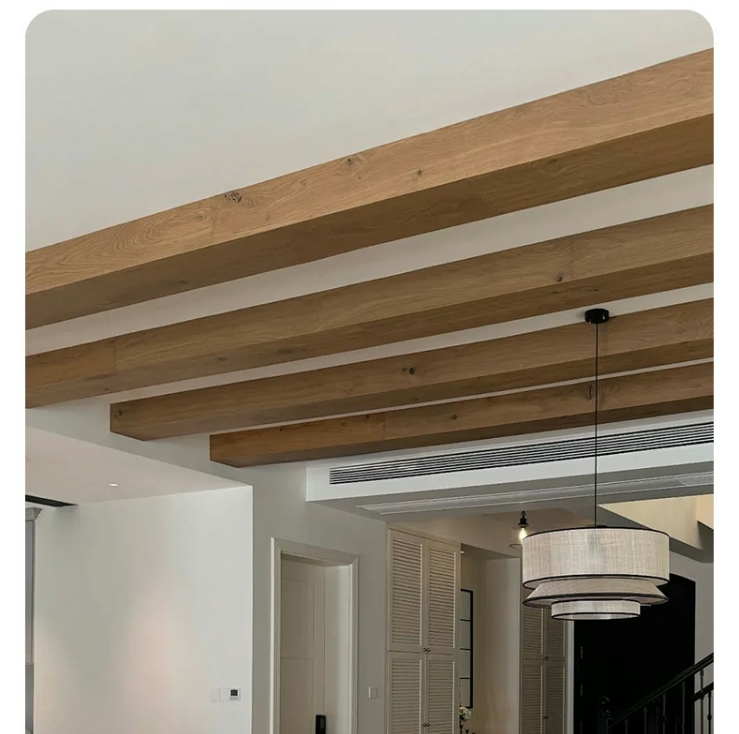
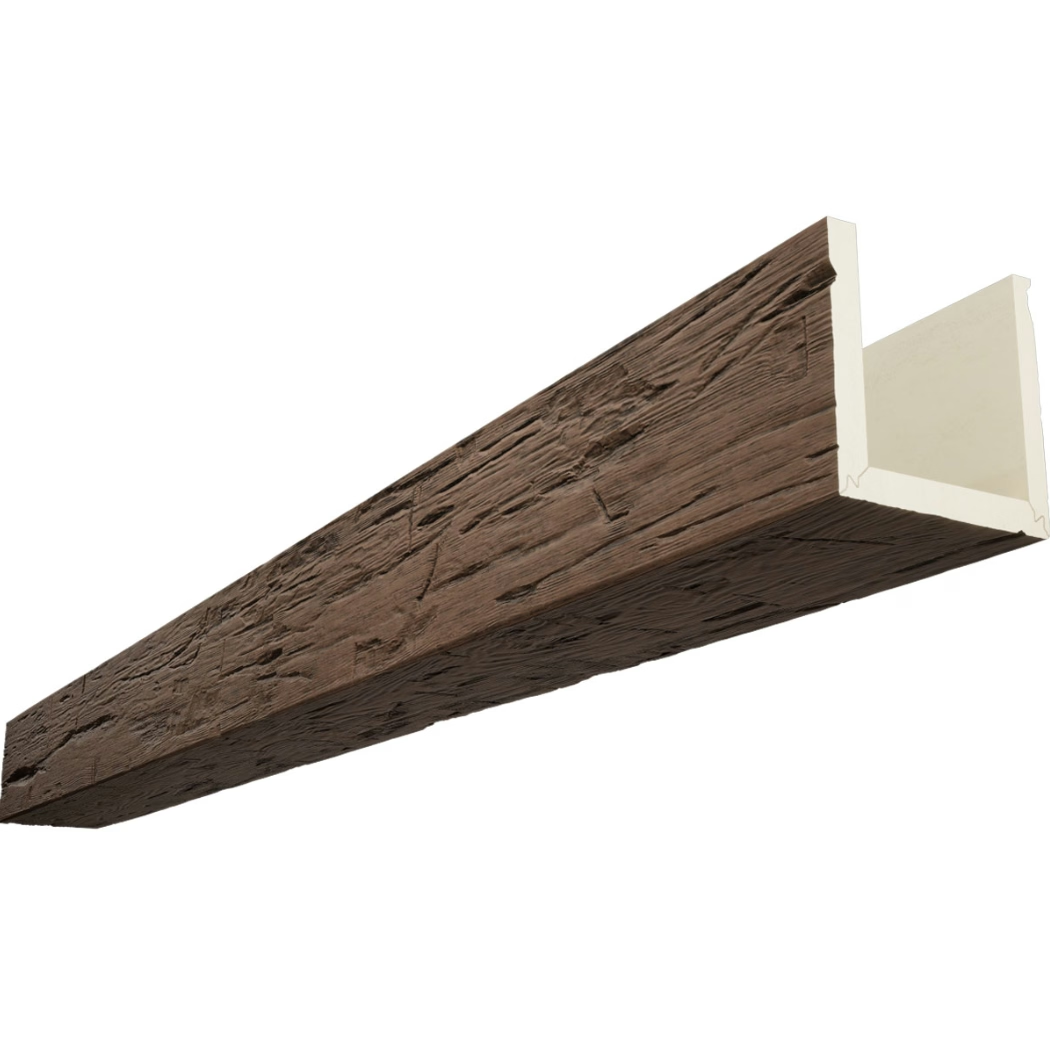
A construction superintendent stood in a partially completed model home and pointed to the ceiling. The beams overhead looked like they belonged in a custom build at twice the price. They were not. Every beam in the room was polyurethane, ordered from a stock catalog, finished with a builder-grade stain, and installed by the regular framing crew in less than a day. The lesson was simple: a smart material choice lets a budget project deliver a premium look, and the durability is built into the product rather than added by the installer.
The Durability of Polyurethane Beams
Durability is not a single property. It is a combination of factors that together determine how a material performs over time. For ceiling beams, the most important durability factors include resistance to moisture, dimensional stability through seasonal humidity changes, resistance to impact and denting, color stability under UV exposure, and the ability to be refinished if the surface ever gets damaged.
Polyurethane beams score well across most of these factors. The closed-cell structure of high-density polyurethane foam resists moisture absorption, which means the beams do not swell, warp, or develop mold the way solid wood can in humid environments. The material expands and contracts very little with temperature and humidity changes, which means joints stay tight and finishes do not crack at the seams.
Impact resistance depends on density. Higher-density products resist dents and compression better than lower-density alternatives, and the price difference between the two is usually modest enough to justify the upgrade. Color stability is largely a function of the finish system rather than the substrate, so a quality stain and topcoat go a long way toward keeping the beams looking fresh for decades.
Comparing Long-Term Performance
The honest comparison between polyurethane and solid timber has to look at the actual installation rather than idealized scenarios. A polyurethane beam installed over a flat ceiling, finished with a quality coating, and maintained with occasional cleaning will look essentially the same in year fifteen as it did in year one. A solid timber beam in the same installation is likely to show checking, color shift, and possibly insect damage by that point, particularly in climates with significant seasonal variation.
The durability story is even more compelling in demanding environments. Coastal homes, mountain cabins, basement remodels, and bathrooms all punish ceiling materials. Polyurethane beams handle these conditions without the special treatments that solid timber requires, and the maintenance burden stays low for the entire life of the installation.
Limitations Worth Acknowledging
Polyurethane is not indestructible. Sharp impacts can chip or crack the surface, and exposure to direct flame can damage the material. These limitations are not deal-breakers for most projects, but they do inform smart specification. Avoid placing faux beams directly above high-heat sources. Choose higher-density products for installations where impact is more likely, such as playrooms, gyms, and commercial spaces with moving equipment. And confirm fire ratings for any code-governed application.

Budget Construction Strategies That Actually Work
The phrase "budget construction" gets used loosely. For some projects, it means a tight renovation budget that has to cover labor and materials together. For others, it means a high-volume production builder looking to control costs across dozens of identical units. The strategies that work for these projects are not identical, but they share a common thread: making smart choices about where to spend and where to save.
Beams are a good place to spend a little more than the absolute minimum. The visual impact is high, the labor cost is fixed regardless of beam price, and the long-term durability of a slightly better product saves money on callbacks and warranty work. Beams are a bad place to overspend, though. Custom finishes and specialty profiles can double the price of a beam without doubling its visual impact, and the money is often better spent on flooring, fixtures, or appliances that the homeowner or buyer will interact with daily.
Standardizing Across Units
Production builders benefit from standardization. Specifying the same beam profile, length, and finish across an entire development streamlines the procurement process, reduces the chance of ordering errors, and lets the framing crew work efficiently without learning a new beam layout on every house. The savings from this approach are not always obvious on paper, but they show up in faster cycle times, fewer delivery complications, and a more consistent look across the development.
Coordinating With Trade Partners
Budget projects depend on tight coordination between trades. The framing crew, the finishing crew, the electrician, and the painter all need to know when the beams are being installed and what kind of access they will have around them. A brief pre-construction meeting to walk through the beam installation sequence can prevent expensive delays, like an electrician showing up to rough in ceiling fixtures before the beams are in place and being forced to work around an unfamiliar ceiling layout.
Where Budget-Friendly Construction Projects Use Beams
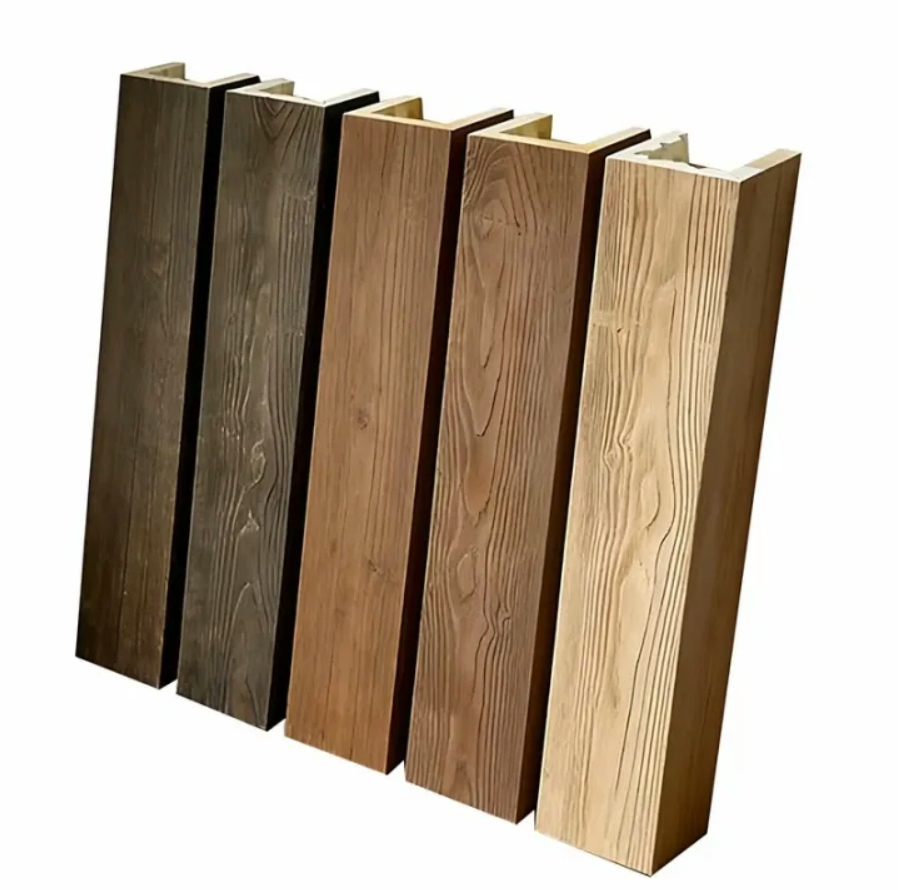
Several project types lean on faux beams to deliver visual impact within tight budgets. Entry-level production homes use them to add character to great rooms without raising the base price. Multifamily developments use them in amenity spaces to create a sense of warmth that helps the property compete for renters. Hospitality projects use them in mid-tier brands to deliver the look of a higher-end property without the corresponding construction cost. And commercial tenant fit-outs use them to dress up otherwise plain ceiling structures.
The common thread across these projects is the desire for warmth, character, or architectural definition in spaces where the budget cannot accommodate solid timber. Polyurethane beams meet that need, and the durability story means the investment continues to pay off through years of occupancy.
Production Home Considerations
Production builders should think about the beam specification as part of an overall design package. The beam profile, finish, and ceiling treatment should coordinate with cabinetry, flooring, and interior trim to deliver a coherent look. A great room with beams, a stone fireplace surround, and a coordinated tile floor reads as a designed space. A great room with beams that clash with the cabinetry or flooring reads as a parts bin. Designers who handle this coordination carefully often find that the right beam choice lifts the perceived quality of the entire home without raising the base price.
Multifamily and Hospitality Considerations
In multifamily and hospitality projects, the beam specification should also reflect the operational realities of the property. Amenity spaces see heavy use, frequent cleaning, and the occasional rough treatment from occupants. The beams need to hold up under those conditions without requiring constant maintenance. Mid-range and premium polyurethane products are usually the right call, since they offer the durability needed for commercial-grade use while still fitting within the budget framework of mid-tier projects.
Selecting Beams That Hold Up Over Time
A few specification details help ensure that a budget-friendly beam choice continues to look good for years to come. First, ask the manufacturer for technical data on density, impact resistance, and finish adhesion. Reputable suppliers have this information on hand. Second, request samples that have been exposed to accelerated weathering or UV testing. These give a realistic picture of how the finish will look after years of sunlight exposure, particularly in spaces with skylights or large windows.
Third, talk to the manufacturer about warranty coverage. Many reputable faux beam makers offer ten-year or longer warranties on their products, and those warranties often include the finish system. Fourth, confirm the recommended cleaning products and methods, since using the wrong cleaner can damage even a durable finish. And fifth, schedule a quick inspection of the beams every few years to catch any small issues before they become visible problems.
A small amount of specification discipline up front saves a much larger amount of money over the life of the installation. The end result is a project that delivers the design intent, respects the budget, and continues to look good long after the construction crew has moved on to the next site. That combination of value and durability is exactly what budget construction projects need, and it is exactly what modern polyurethane beams are designed to deliver.
Technical References
ASTM standards cited in every specification
Test Data
Lab results from internal testing program
Updated 2026
Reviewed against current product specs