Educational Facility Commons: Student-Centered Spaces with Architectural Interest
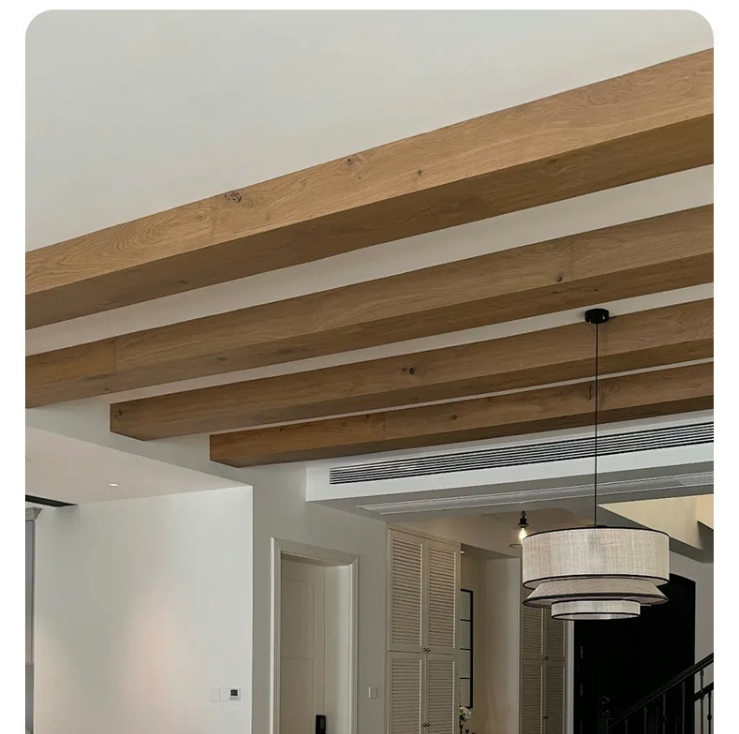
Educational facility common areas benefit from faux beams creating architectural warmth and interest in student gathering spaces. Strategic beam applications humanize institutional environments supporting student engagement and campus community building.
Residential Scale Introduction
Use beams to introduce residential-scale warmth into large institutional volumes creating welcoming student-centered environments. Human-scaled details counterbalance institutional formality.
Collaborative Zone Definition
Position beams to define collaborative study zones, social areas, and quiet spaces within open commons layouts. Spatial definition improves functionality without physical barriers.
Acoustic Performance Enhancement
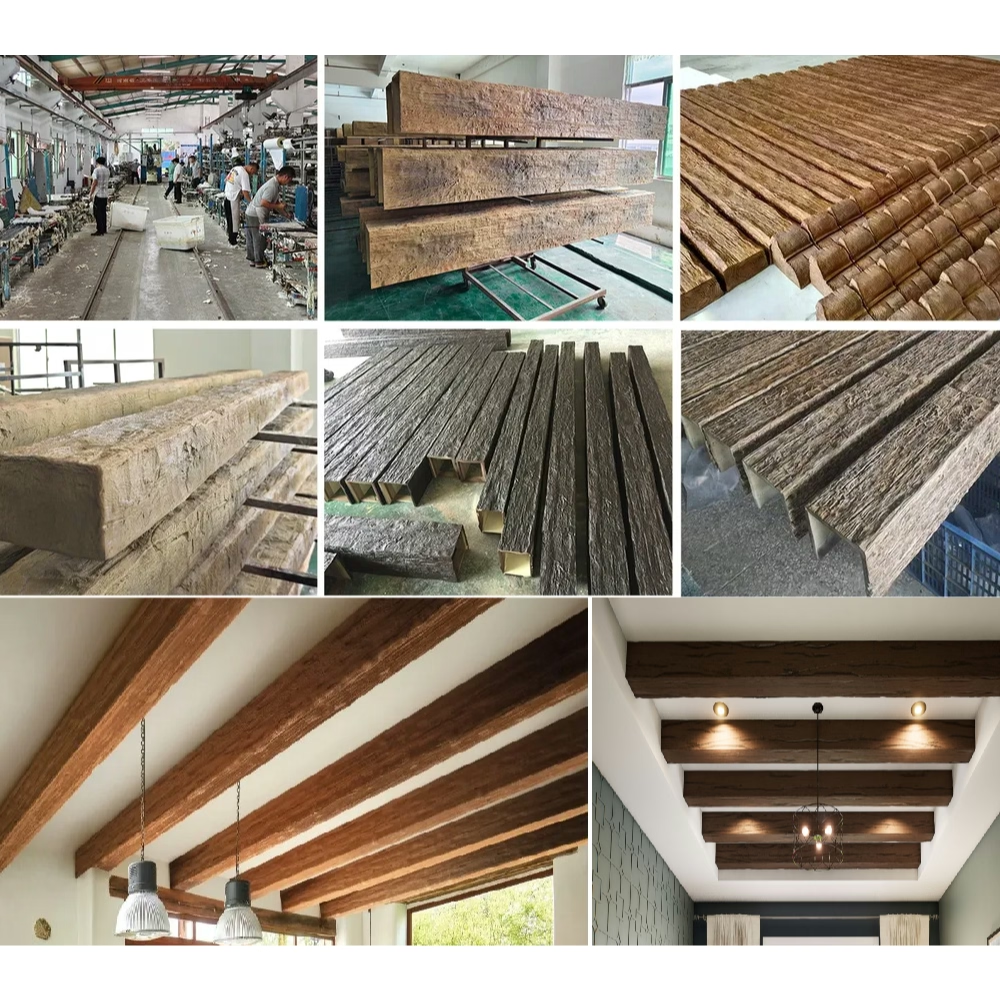
Specify beams with sound-absorbing core materials helping control reverberation in large gathering spaces. Acoustic improvement enhances speech intelligibility and reduces noise fatigue.
Durability for High-Traffic Use
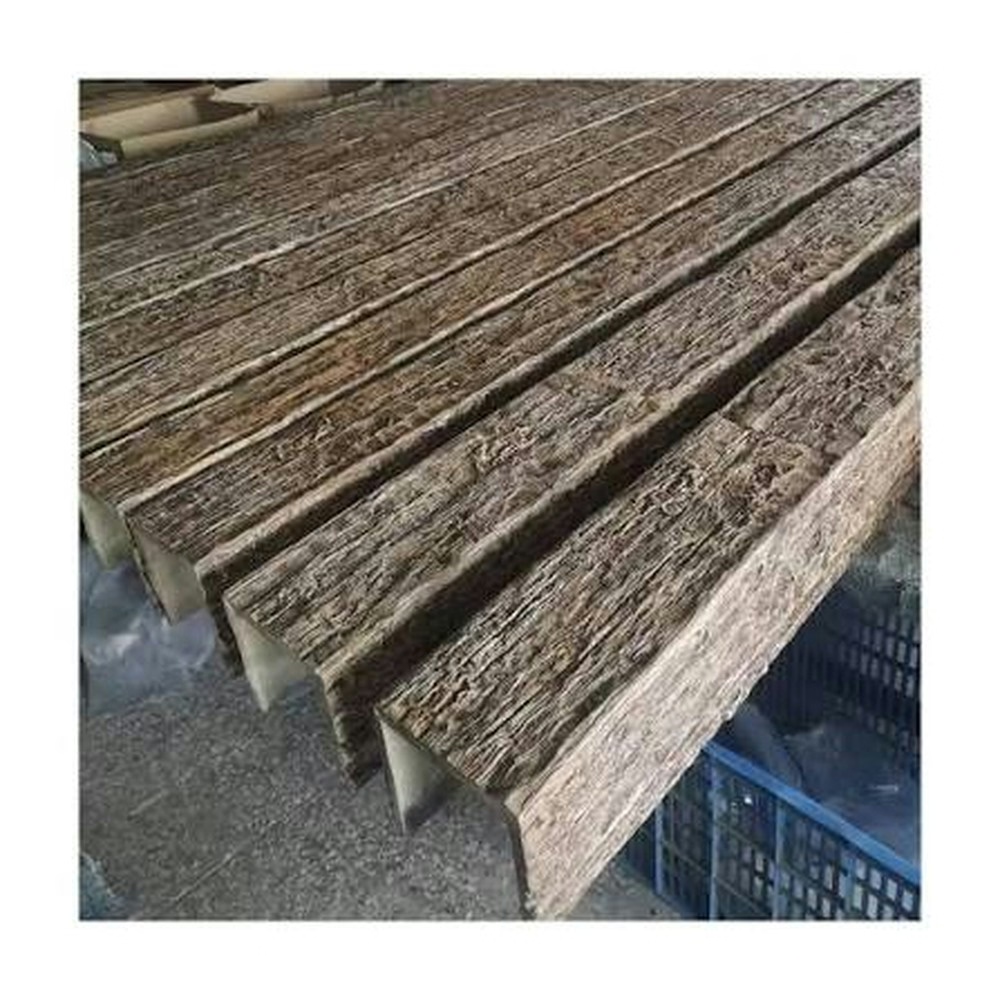
Select commercial-grade materials withstanding constant student use and institutional maintenance protocols. Long-term durability maintains appearance through intensive daily wear.
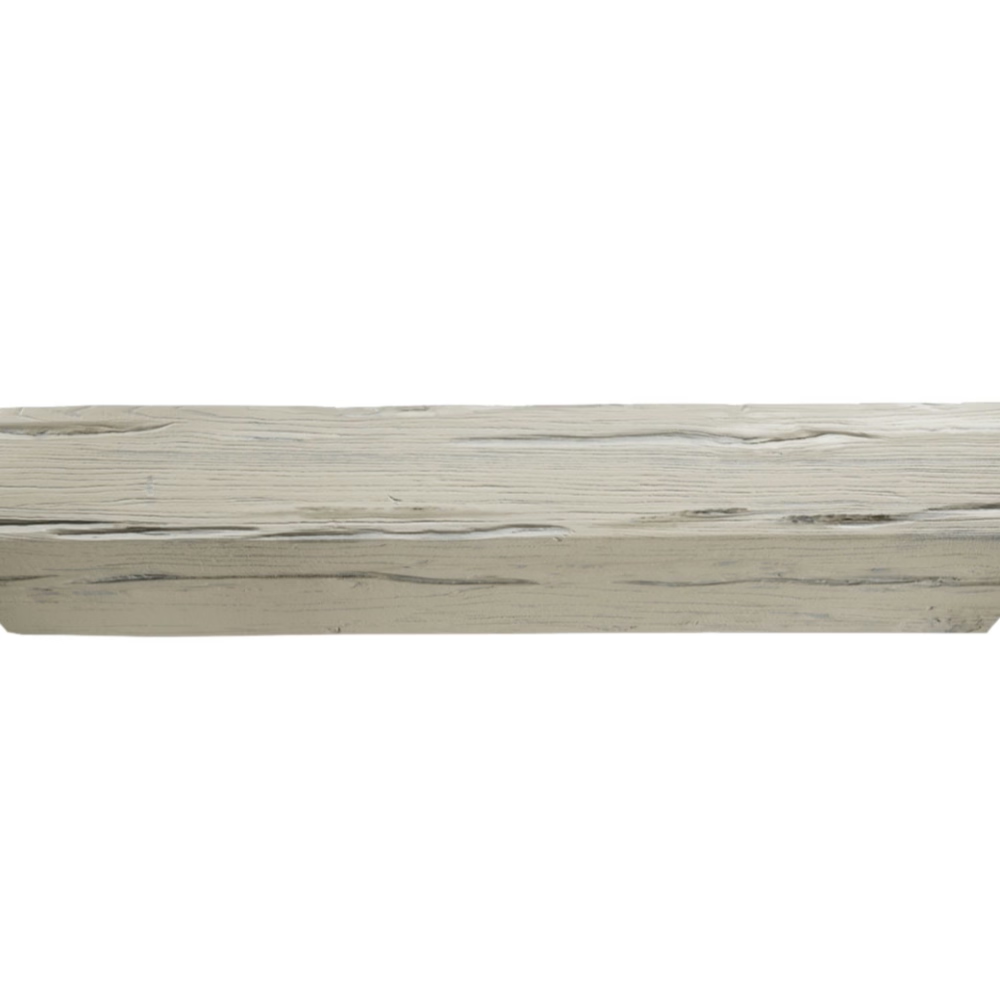
Natural Wood Tone Benefits
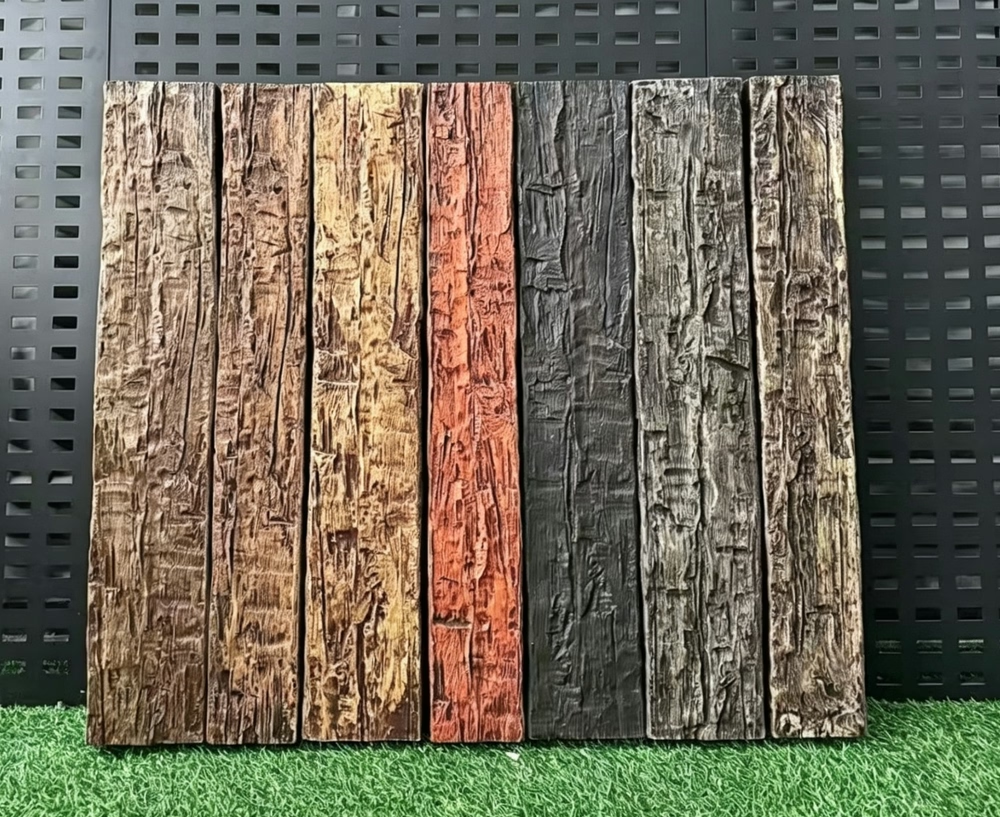
Apply natural or light wood tones creating positive psychological associations with nature and warmth. Wood appearance supports student wellbeing and stress reduction in academic environments.
Flexible Lighting Integration
Integrate adjustable LED lighting supporting various activities from focused study to social gatherings. Lighting flexibility enables space adaptability throughout daily use cycles.
Budget-Conscious Material Selection
Balance aesthetic goals with institutional budget constraints through value-engineered faux beam solutions. Cost-effectiveness enables architectural enhancement within limited capital budgets.
Maintenance Accessibility Planning
Design installations allowing efficient maintenance access for cleaning and repairs. Institutional facilities require practical maintainability supporting long-term appearance preservation.
Conclusion
Educational facility beam applications require residential scale introduction, collaborative zone definition, acoustic enhancement, and high-traffic durability. Strategic installations humanize institutional environments creating welcoming student-centered gathering spaces supporting engagement, wellbeing, and campus community within educational settings.
Technical References
ASTM standards cited in every specification
Test Data
Lab results from internal testing program
Updated 2026
Reviewed against current product specs