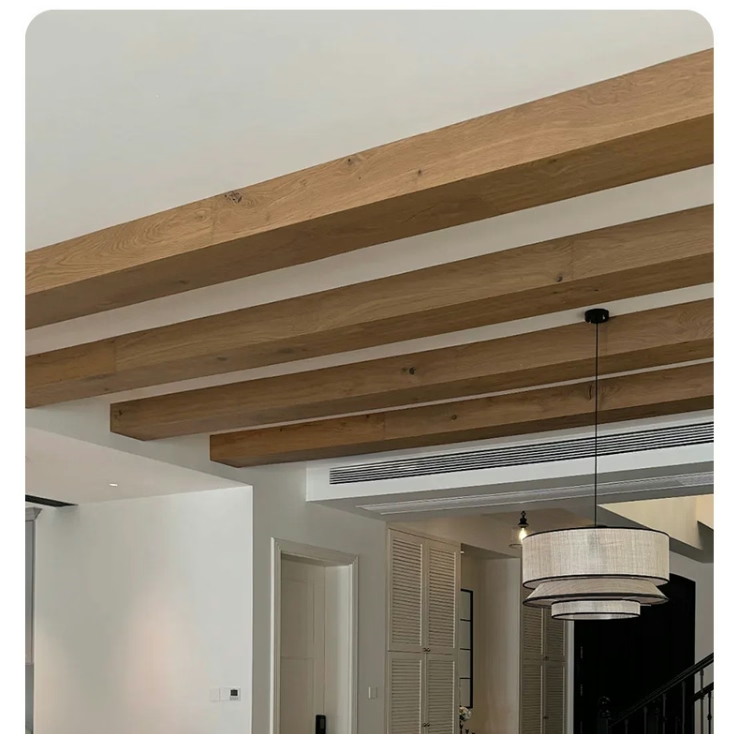
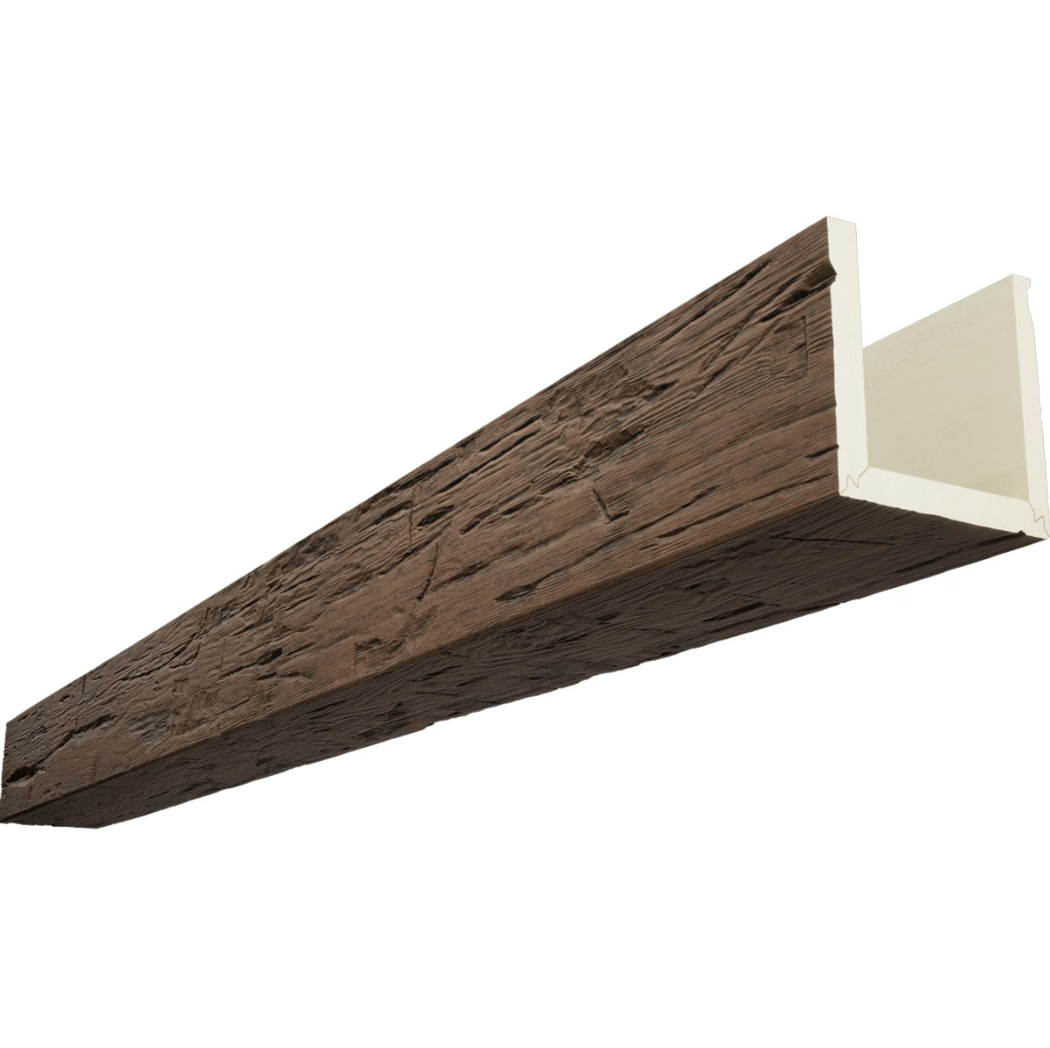
A boutique hotel sells a feeling as much as a room. Every shared space, from the lobby to the breakfast room, has to telegraph a clear sense of place before a guest even checks in. The ceiling is one of the largest underused surfaces in any hotel. PU faux beams give operators a high-impact design tool that scales across multiple rooms without ballooning the budget.
The brand consistency problem in boutique hospitality
Independent boutique hotels often have a tight design vocabulary: a specific oak finish, a particular fixture style, a recurring trim detail. Solid timber beams are notoriously difficult to source consistently across multiple builds or phased renovations. One load of reclaimed oak might have more sap, fewer knots, or a slightly different patina than the next. Polyurethane, by contrast, is molded. The same specification yields the same finish every time, which means a beam installed in the lobby today will match a beam installed in a guest suite three years later.
Repeatability across rooms and properties
For a hotel group that operates more than one property, the brand consistency question becomes even sharper. PU beams ordered in the same profile, length, and finish will arrive at every property looking like they came from the same batch. They did, because they did. Operators can extend a design language across regions without compromising on the local availability of skilled timber installers.
Predictable lead times
Hospitality schedules revolve around soft openings, ribbon cuttings, and seasonal bookings. A delay of two weeks on a beam delivery can cascade into lost revenue. Polyurethane manufacturers typically maintain stock profiles and finishes that are ready to ship within a few business days. Custom finishes extend that window, but even custom orders run on a production schedule that is far tighter than the harvesting, milling, and drying time required for solid timber.
How faux beams shape the guest experience
Guests register ceilings more than they realize. A high, untouched ceiling reads as anonymous. A ceiling broken up by beams, coffers, or a coffered effect reads as considered. That second impression is what boutique hotels are selling.
Lobbies and arrival moments
The lobby is the first impression. Beams here should be confident, with a profile that matches the scale of the room. A 6-meter ceiling can absorb 10-by-12 inch beams without feeling busy. A 4-meter ceiling is better served by 8-by-10 inch beams. Color choice is the next call. Dark walnut beams pair with marble floors and brass fixtures for a contemporary-classic look. Lighter oak or whitewashed finishes pair with linen textiles and stone accents for a more relaxed, residential feel.
Guest suites
In a guest suite, the ceiling is part of the resting environment. Beams should feel calm and proportional. A single beam overhead the bed creates a subtle focal point. Two or three beams across the room add rhythm without crowding. Beams that drop into a coffered soffit above the headboard give the bed a quiet architectural canopy that guests often comment on in their reviews.
Restaurants and bars
Hotel restaurants and rooftop bars lean hard on atmosphere. Beams work in both directions: they can hold pendant lights, frame a feature wall, or trace the perimeter of a skylight. Many operators use beams to define zones in an open floor plan, such as separating a bar from a dining area, without resorting to walls that interrupt sightlines.
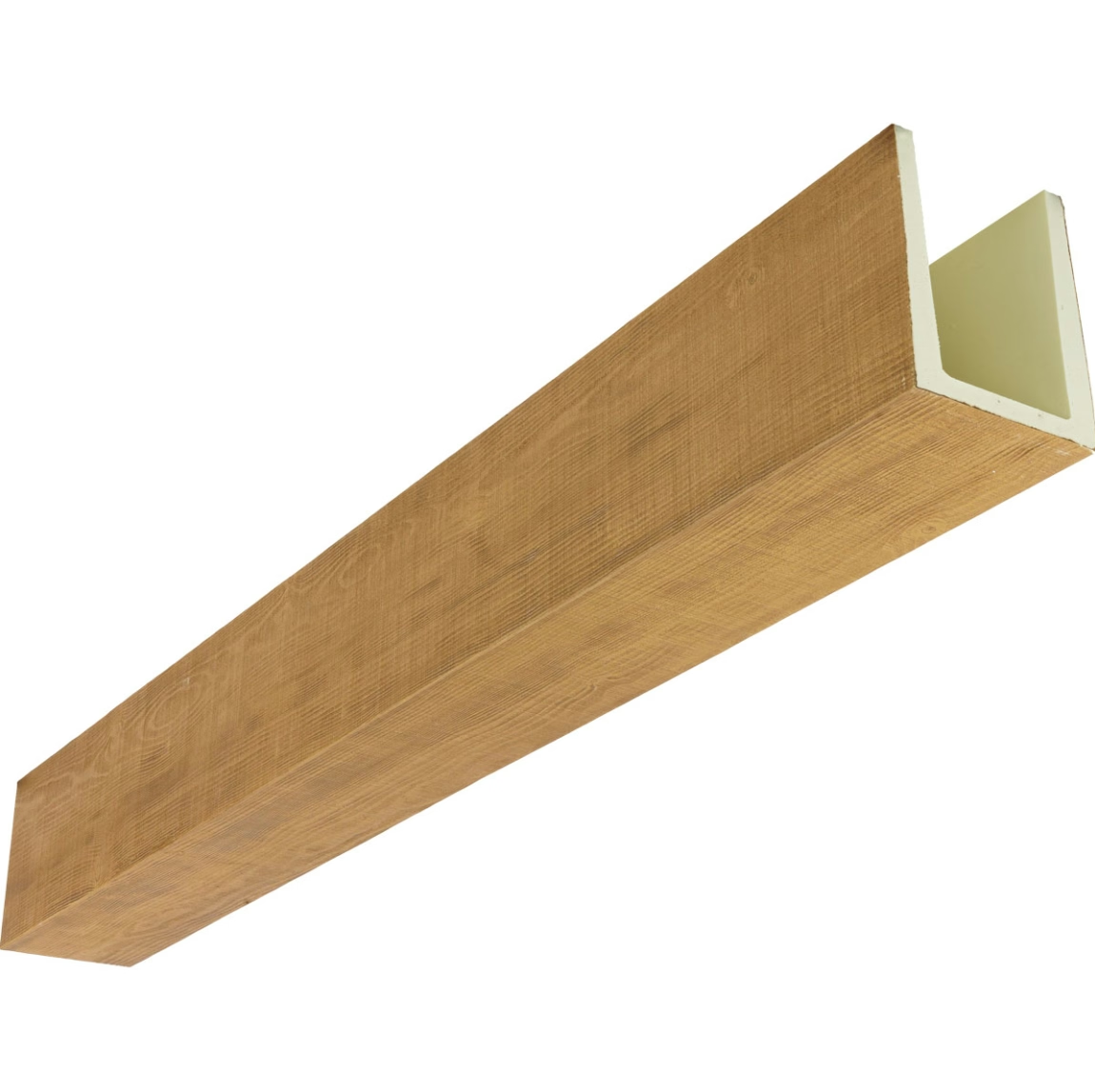
Engineering and code considerations
Hotels are commercial occupancies, which means stricter fire and accessibility codes than residential spaces. PU beams need to meet local flame-spread and smoke-development ratings, which most reputable products do. Designers should request the fire test reports and confirm compliance with the local building code before specifying.
Sprinkler and fire suppression
Hotel ceilings often conceal sprinklers, smoke detectors, and emergency lighting. As with any beam installation, the layout should be coordinated with the life-safety plan. Sprinkler heads can be recessed into beam notches, smoke detectors can sit between beams, and emergency lights can be surface-mounted on beam faces where appropriate.
ADA accessibility
In public spaces, beams should not protrude into the path of travel at heights below the minimum head clearance. This usually means dropping beam height below 80 inches is restricted to areas outside the main walking paths, or using lower-profile beams in circulation zones. The design team should confirm head clearance during layout, particularly in corridors and lobbies with reception desks.
Acoustic behavior in hotel interiors
Hotel interiors are notoriously acoustically challenging. Hard floors, glass partitions, and minimal soft furnishings create loud, reverberant spaces. Beams contribute two acoustic benefits. The textured underside scatters sound, and the additional surface area softens the overall reverberation. Combined with rugs, drapery, and upholstered seating, a beamed ceiling can make a noisy lobby feel like a comfortable lounge.
Acoustic panels integrated into the beam design
For hotels that host events or feature live music, fabric-wrapped acoustic panels can be specified with a wood-look face to match the beams. These panels install between beams or in the ceiling plane behind them, providing absorption without disrupting the design language.
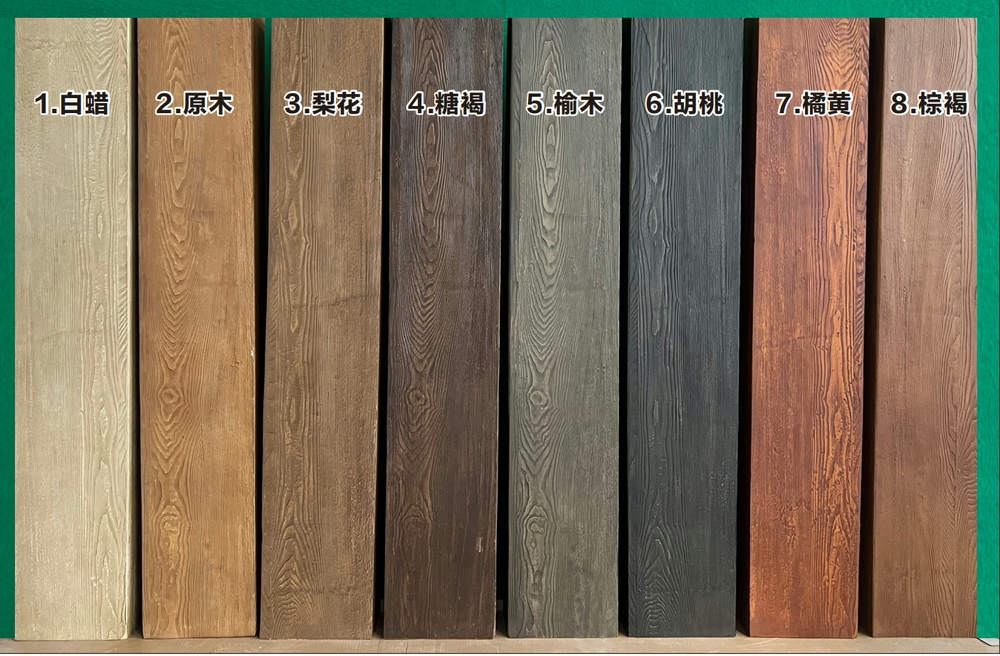
Maintenance across a high-traffic property
Hotel staff are constantly cleaning, repairing, and refreshing rooms. Polyurethane beams are forgiving in this environment. They resist scuffs from housekeeping ladders, do not splinter if bumped by luggage, and accept touch-up paint without obvious patches.
Damage repair workflow
When a beam is significantly damaged by an accident, the affected section can be cut out and replaced with a matching piece, using the same caulk-and-paint technique as the original install. The seam is hidden at typical viewing heights, and the guest who walks into the room afterward rarely sees anything wrong.
Long-term finish retention
Solid timber in a hotel environment can fade unevenly, especially near windows or under skylights. PU beams hold their factory finish for years with minimal change. When the rest of the room is refreshed in a phased renovation, the beams can stay in place and continue to match the original specification.
Cost structure and value engineering
A boutique hotel operator working with a designer on a tight budget often has to choose between a few signature moments and a uniform spread of design elements. PU faux beams fit the second approach. A hotel can install beams across the lobby, the restaurant, the corridors, and the guest suites without consuming the budget that would otherwise be reserved for a single dramatic feature.
Comparing per-meter pricing
Polyurethane beams typically run 30 to 60 percent less than reclaimed timber once transport, installation labor, and finishing are included. For a 30-room property with several public spaces, this differential funds a meaningful portion of the FF&E allowance.
Lifecycle cost
Hotels replace soft goods frequently, but architectural elements are expected to last. Polyurethane beams have a service life measured in decades, with the finish aging gracefully. The lifecycle cost is therefore competitive even if the upfront cost were identical to solid timber.

Common design choices across boutique properties
A handful of beam-related design choices appear over and over in successful boutique hotel projects.
First, the coffered look. Beams arranged in a grid create square or rectangular coffers overhead. These coffers can be painted a contrasting color, lined with fabric, or simply left to read as architectural rhythm.
Second, the perimeter band. A single ring of beams around the edge of a tall ceiling visually lowers the height and frames the room. This is especially effective in older buildings with ceilings that feel slightly too tall for comfortable conversation.
Third, the asymmetric feature. One large beam crossing the room, perhaps above a bar or a fireplace, becomes the visual anchor that organizes the rest of the space.
Selecting a supplier and verifying quality
Not all PU beams are equal. A reputable supplier should provide consistent color across multiple production batches, dimensionally stable sections that arrive without warping, and matching accessories in the same finish. Specifiers should ask for reference projects in the hospitality sector, request physical samples before placing a large order, and confirm the manufacturer's warranty terms.
When the supplier check passes, the rest of the project tends to run smoothly. Polyurethane beams ship well, install cleanly, and give the hotel the architectural signature it needs without the long lead times and heavy installation costs of solid timber. For boutique hotels competing on design, that combination is hard to beat.
Technical References
ASTM standards cited in every specification
Test Data
Lab results from internal testing program
Updated 2026
Reviewed against current product specs