
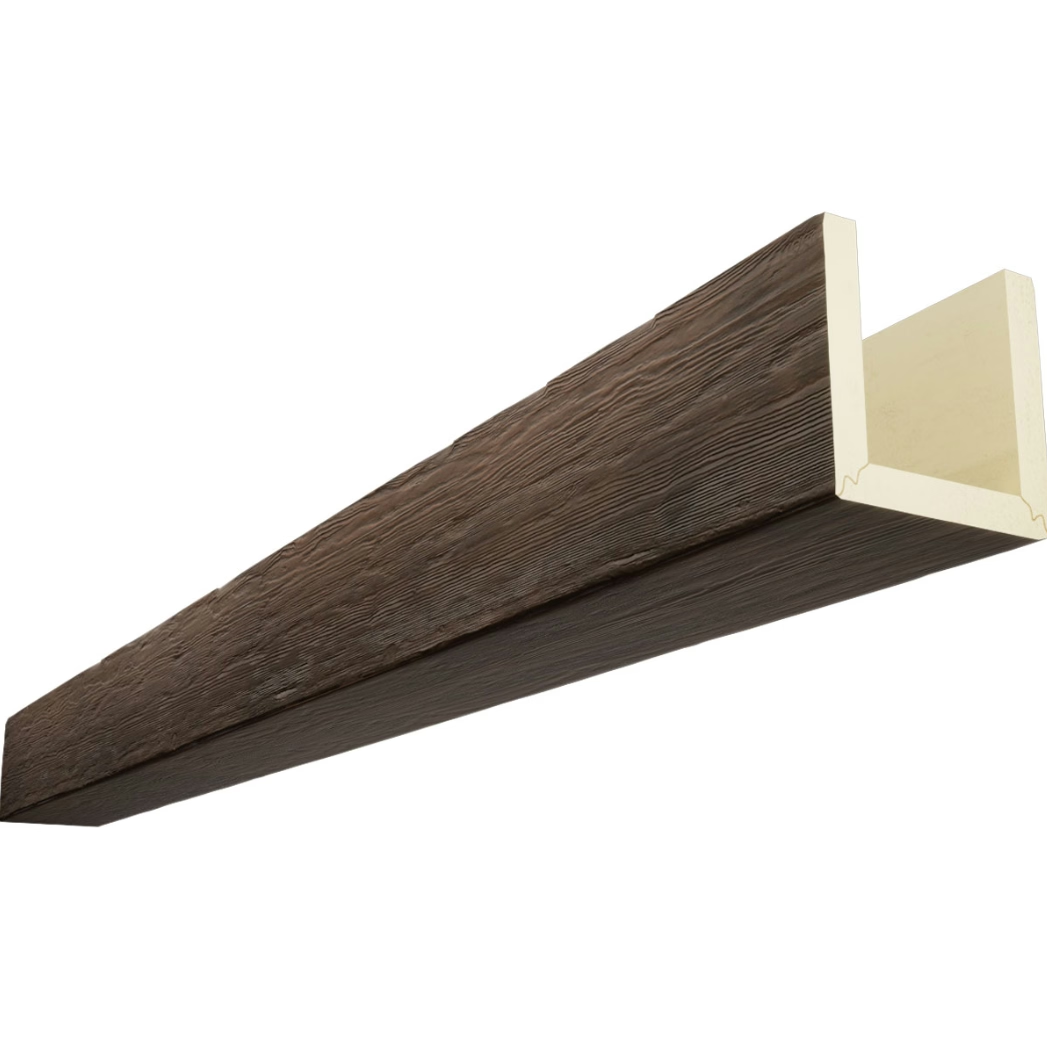
A wedding hall has to be many things at once. It must feel intimate for a small ceremony and grand for a large reception. It must accommodate florals, lighting, and drapes without making the rigging visible. It must look beautiful in photographs taken from below. PU faux wood beams give a wedding hall the architectural ceiling that supports all of these requirements without dominating the room.
The ornamentation challenge in large halls
Large halls present a particular design challenge. The volume is impressive, but it can feel empty if the ceiling is left bare. Solid timber beams can fill the volume, but they also require structural support and significant installation time. PU faux beams fill the same visual volume at a fraction of the weight and cost, and they install in days rather than weeks.
Architectural anchors for hanging decor
Wedding halls host elaborate hanging installations. Floral chandeliers, paper lanterns, draped fabric, and ribbon canopies all require overhead anchor points. Exposed rigging looks industrial and unfinished. Hidden beams with concealed structural points provide anchor locations that look architectural rather than improvised.
Distributing loads across multiple beams
Large hanging installations can weigh significant amounts. Distributing the load across multiple beams rather than concentrating it at a single rigging point is structurally safer and visually cleaner. The decorator hangs each installation across several beams, and the load spreads naturally.
Creating visual zones within a single hall
Many wedding halls host the ceremony, the cocktail hour, and the reception in the same space. Beams help define each zone visually. A grid of beams can separate the ceremony zone from the reception zone. A perimeter band can mark the dance floor. Different beam patterns or different beam finishes within the same hall create clear spatial divisions.
Hall layout patterns
The right beam pattern depends on the hall's shape, ceiling height, and typical event configuration.
Grid coffered ceilings for square halls
Square halls benefit from a grid pattern that creates uniform coffers across the entire ceiling. Each coffer can host a pendant light, a floral installation, or a fabric panel. The grid creates a classical, formal atmosphere that suits weddings with traditional elements.
Perpendicular beams for long halls
Long halls benefit from beams running perpendicular to the hall's long axis. The beams visually shorten the space and create a series of architectural bays. Each bay can host a different decorative treatment, which is useful for halls that host multiple events in sequence.
Asymmetric layouts for eclectic weddings
Some wedding halls cater to couples with non-traditional aesthetics. Asymmetric beam layouts, with one large beam crossing the room or beams at unexpected angles, suit these weddings. The beams create a more contemporary, less formal atmosphere that lets the couple's decor choices take center stage.
Mixed profiles for layered visual interest
A few wedding halls combine two beam profiles in a single room: a heavier perimeter beam around the edges and lighter interior beams across the center. This combination creates visual layering, with the perimeter framing the room and the interior providing rhythm. It is a sophisticated approach that suits halls hosting upscale events.
Lighting integration in wedding halls
Lighting is the most important decorative element in most wedding halls. The beams need to support a lighting design that can shift between the ceremony, the cocktail hour, and the reception.
Permanent venue lighting
Many wedding halls install permanent lighting fixtures that can be adjusted for different events. Recessed downlights between beams provide general illumination. Uplights at the perimeter create ambient color washes. Pendant fixtures in the central coffers add elegance and scale.
Rental lighting additions
Some halls allow couples to bring in additional rental lighting for their specific wedding. Beams need to accommodate this without requiring permanent modifications. Standard rigging points along the beams, or accessible ceiling areas between beams, give the lighting rental company what they need without damaging the hall's finishes.
Color-changing systems
Modern wedding lighting often uses color-changing LED systems that can shift between warm whites for the ceremony and saturated colors for the dance floor. The beams provide anchor points for these fixtures, and the wood finish complements both warm and cool color palettes.
Floral installation compatibility
Floral installations are some of the most photographed elements in a wedding hall. The beams need to support these installations cleanly.
Anchor points above the head table
The head table is the focal point of the reception, and it almost always has a hanging floral installation overhead. A beam directly above the head table provides a clean anchor line for the installation. The beam can host a concealed structural point that supports significant weight.
Anchor points above the dance floor
The dance floor is another common location for hanging decor. Chandeliers, paper lanterns, and floral installations all hang above the dance floor during the reception. Beams across the dance floor zone provide anchor points that are evenly distributed, which prevents the installation from looking concentrated in one area.
Anchor points above the cake and gift tables
Smaller installations often hang above the cake table and the gift table. Beams above these areas support the installations without requiring additional rigging. The result is a coherent decorative treatment across the entire hall.
Working with drapes and fabric
Fabric is one of the most flexible decorative materials in a wedding hall. Beams provide clean anchor lines for all kinds of fabric installations.
Ceiling-to-floor drapes
Ceiling-to-floor drapes frame the ceremony space, the head table, or the dance floor. The fabric hangs from beams at the top, creating a soft transition from wall to ceiling. The beams hide the rigging hardware, and the fabric conceals any structural points that would otherwise be visible.
Overhead swags
Overhead swags create a layered effect across the ceiling. The fabric drapes between beams in gentle curves, with the lowest points often anchored to additional fixtures. The beams provide the structural backbone for the swags.
Full canopy installations
Some weddings use a full canopy installation that covers the entire dance floor or ceremony space. The canopy hangs from a grid of beams above the area, creating an enclosed, intimate zone within the larger hall. This is one of the most dramatic decorative treatments available in a wedding hall, and it works particularly well in halls with high ceilings.
Practical installation in commercial halls
Wedding halls cannot close for long periods during installation. The practical realities of a commercial venue shape the installation timeline.
Phased installation across off-seasons
Most wedding halls have slower booking periods, often in winter or mid-summer. A phased installation that completes one section of the hall at a time lets the venue stay operational during peak season. The work happens during slow weeks, and the venue returns to full operation immediately after each phase.
Coordinating with other trades
A wedding hall upgrade often includes electrical work, painting, and sometimes HVAC modifications. The beam installation should be coordinated with these other trades. Electricians complete their work first, painters prepare the ceiling, and then the beams go up last. This sequencing protects the finished beams from damage during the other trades' work.
Dust control during installation
Wedding halls must be spotless for each event. Installation dust can disrupt the next event if it is not contained. Plastic sheeting, local extraction, and thorough cleaning between work days keep the venue ready for bookings. Most polyurethane beam installations produce relatively little dust compared to other renovation work, but some dust management is always necessary.
Quick turnarounds between bookings
Many wedding halls have back-to-back bookings with only a few hours between events. The beam installation should not create ongoing maintenance that interferes with the turnaround. Polyurethane beams need only a wipe-down between events, which fits easily into the standard cleaning routine.

Acoustic behavior in wedding halls
Wedding halls are acoustically challenging. Large volumes, hard floors, and high-energy music produce significant reverberation. Beams contribute meaningfully to acoustic control in these spaces.
Reducing reverberation time
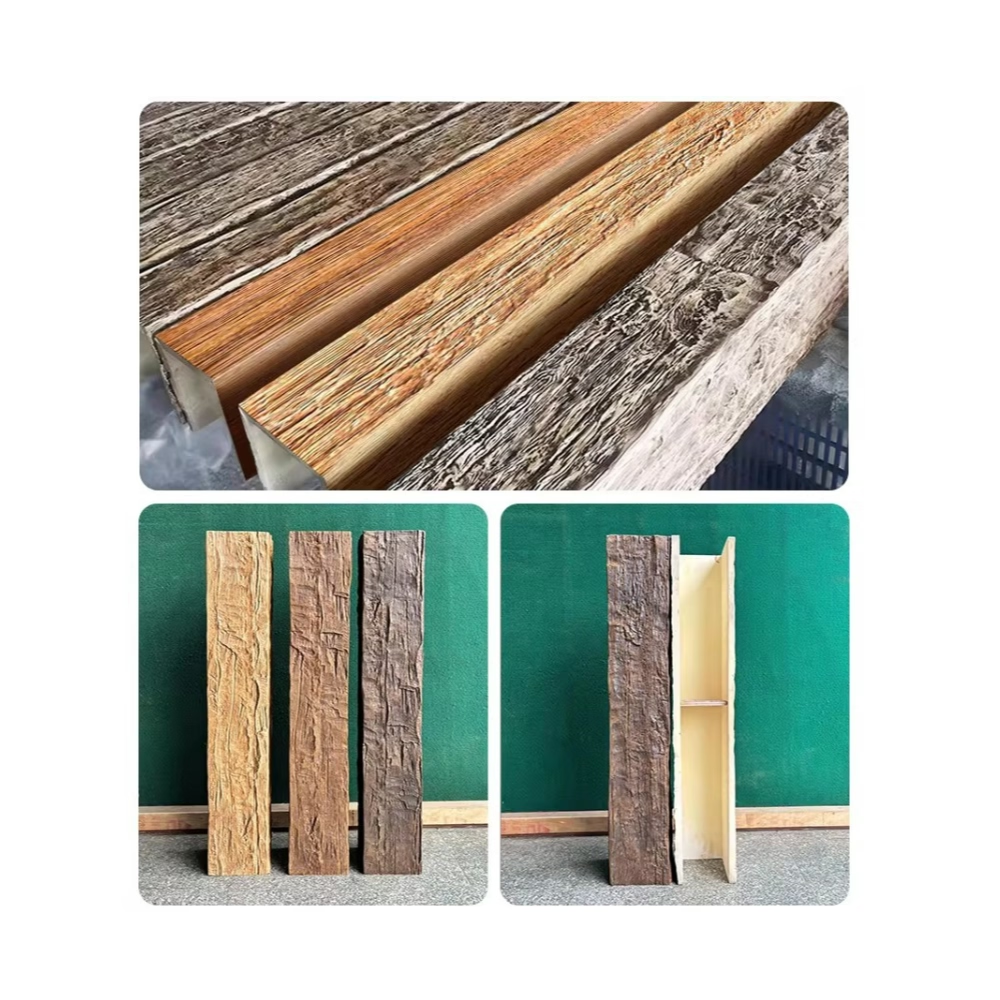
The textured undersides of faux beams scatter sound, reducing the reverberation time across the hall. This is important during the ceremony, when couples need to hear each other's vows, and during speeches, when guests need to hear the words clearly.
Working with acoustic panels
For halls that need additional acoustic control, fabric-wrapped acoustic panels can be installed in the coffer bays or behind the beams. The panels match the beam finish and provide absorption without disrupting the architectural language.
Coordinating with sound systems
Most wedding halls have professional sound systems. The acoustic behavior of the beamed ceiling affects how the sound system performs. A well-designed beamed ceiling works with the sound system rather than against it, producing clear, intelligible speech and clean, full music.
Maintenance for venue staff
Venue staff need to maintain the beams between events. The maintenance routine should be straightforward and fast.
Daily wipe-down
A daily wipe-down with a microfiber cloth removes dust and fingerprints. The beams do not require any special cleaning products, which makes the routine fast and inexpensive.
Occasional touch-up
Occasional scuffs or marks can be touched up with the manufacturer's recommended stain marker or touch-up kit. The repair takes a few minutes and does not require a specialist.
Annual inspection
An annual inspection of the beam attachment points, especially in halls with significant hanging installations, confirms that all anchors remain secure. This is a quick check that does not require closing the venue.
Coordinating with the venue's marketing
The beam installation is a significant marketing asset. The venue's photographs, website, and social media all benefit from a beautifully finished ceiling.
Photography sessions after installation
Most venues schedule a professional photography session after the beam installation. The photographs become the venue's primary marketing materials for the next several years. The investment in professional shots pays off across thousands of bookings.
Social media and user-generated content
Couples and their photographers post photographs of the venue online. Every photograph that features the beamed ceiling reinforces the venue's brand. Over years, this user-generated content creates a strong visual identity that the venue can leverage in its own marketing.
Pricing power after the upgrade
A venue with a finished ceiling can charge higher prices than a comparable venue with bare ceilings. Most venues see a 10 to 25 percent price increase after a beam upgrade, which pays back the installation cost quickly and continues to generate margin for years afterward.
The long-term value of a well-finished ceiling
A wedding hall with a finished ceiling is a long-term investment that appreciates rather than depreciates. The beams last for decades, the maintenance is minimal, and the marketing value compounds over years. Couples booking the venue see the finished ceiling as part of what they are paying for, and the venue owner recovers the installation cost through pricing power and increased bookings.
For wedding hall owners considering a major upgrade, the ceiling is one of the highest-return investments available. It transforms the entire space, supports every event, and photographs beautifully. PU faux wood beams deliver this transformation with minimal disruption, fast installation, and predictable costs.
Technical References
ASTM standards cited in every specification
Test Data
Lab results from internal testing program
Updated 2026
Reviewed against current product specs


