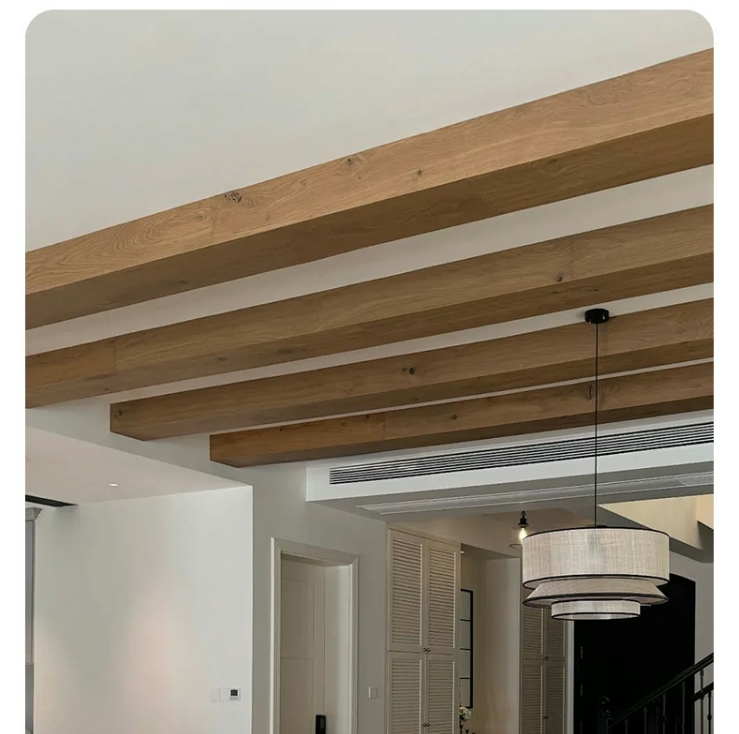
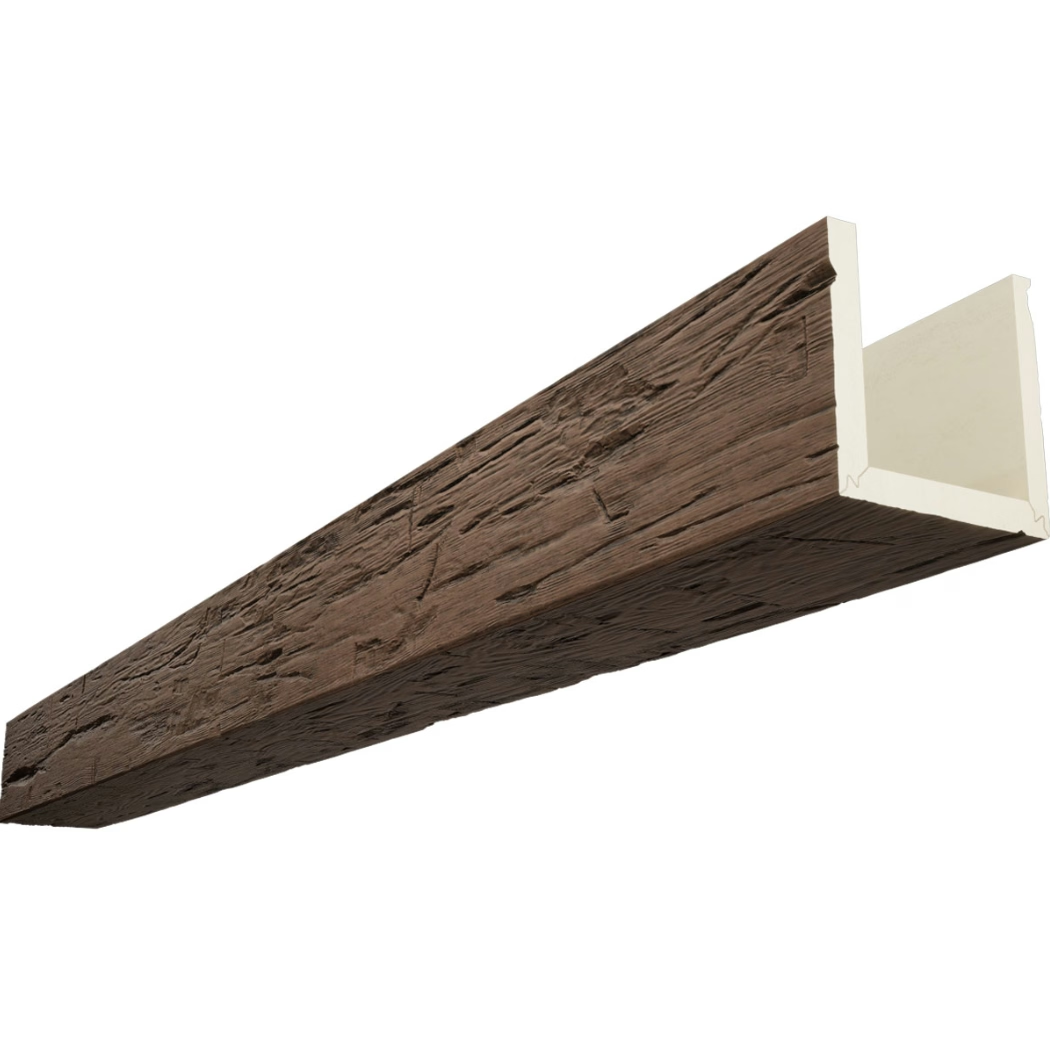
A luxury hotel lounge is the room where guests form their lasting impression of the property. It is where they check in, wait for friends, hold informal meetings, and unwind at the end of the day. The lounge needs to feel like a private club even when it is full. PU faux timber beams give the lounge the architectural refinement that communicates luxury without the long lead times and heavy installation of solid timber.
Why the lounge is the most design-critical hotel space
The lobby gets a few seconds of attention at check-in. The guest room gets attention overnight. The lounge gets the most prolonged, most relaxed attention from the guest. This is the room where the hotel's character is most thoroughly evaluated. Every surface is visible during a typical stay, including the ceiling overhead.
The guest's relaxed attention
In the lounge, guests sit, look around, and let their attention drift across the room. They notice details they would miss in transit. A refined ceiling with timber-finish beams signals that the hotel has invested in the entire space, not just the obvious surfaces.
The lounge as a revenue driver
Many lounges host the hotel's signature bar, restaurant, or meeting space. The lounge generates significant revenue beyond the room rate. A beautifully finished lounge commands higher prices, attracts longer stays, and becomes a destination for local guests as well as traveling ones.
The design vocabulary of a luxury hotel lounge
Luxury hotel lounges share a design vocabulary that draws on classical and contemporary elements. Beams fit naturally into this vocabulary.
Classical influences
Classical lounges use rich wood tones, deep finishes, and ornate detailing. Beams in dark walnut or mahogany, with refined profiles and clean edges, support the classical aesthetic. The ceiling feels substantial and historic, even in a new building.
Contemporary luxury
Contemporary luxury uses cleaner lines, lighter finishes, and more restrained detailing. Beams in pale oak, driftwood, or charcoal with beveled edges suit contemporary luxury. The ceiling feels modern and sophisticated.
Eclectic and transitional
Eclectic and transitional lounges blend classical and contemporary elements. Beams in warm walnut with a slightly modern profile work well in these spaces. The ceiling feels timeless, neither too traditional nor too modern.
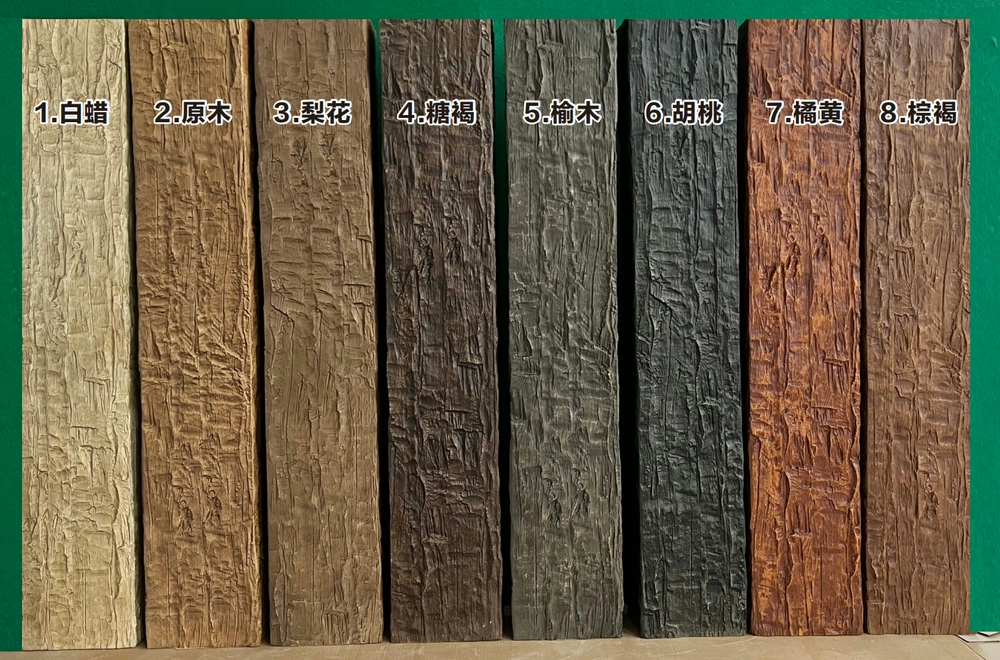
Beam patterns for hotel lounges
The right beam pattern depends on the lounge's size, ceiling height, and design language.
Coffered ceilings for grand lounges
A coffered ceiling is the most formal expression of the beamed lounge. The grid of beams creates a series of coffers that can host chandeliers, pendants, or recessed lights. The result is a ceiling that looks like a classical library or grand salon, which is exactly the impression a luxury lounge wants to make.
Linear beams for narrow lounges
A long, narrow lounge benefits from beams running parallel to the long axis. The beams elongate the space and create a clear sightline from one end of the lounge to the other. Pendant lights or recessed downlights between the beams provide even illumination across the length.
Perimeter beams for tall lounges
A lounge with a particularly tall ceiling benefits from a perimeter band of beams. The perimeter band frames the ceiling and brings the visual height down to a more comfortable scale. The center of the ceiling can host a feature pendant or a decorative element.
Asymmetric layouts for boutique lounges
Boutique lounges with a non-traditional layout can use asymmetric beam configurations. One large beam crossing the room, or beams at unexpected angles, create a more bespoke feel. This approach works in smaller lounges where the design needs to feel curated rather than formulaic.
Acoustic behavior in the lounge
Lounge acoustics matter. Guests need to hear their companions across a table, hold a quiet phone call in a corner, or relax without being overwhelmed by background music. Beams contribute to this acoustic environment.
Reducing reverberation
A beamed ceiling scatters sound and reduces reverberation time. In a lounge with hard floors, glass walls, and minimal soft furnishings, this reduction is significant. The result is a room that feels comfortable for conversation at a normal volume.
Coordinating with acoustic panels
For lounges that need additional acoustic control, acoustic panels can be installed behind the beams or in the ceiling bays. The panels match the beam finish or coordinate with the wall finishes, providing absorption without disrupting the design language.
Working with music systems
Most lounges play background music at a low level. The acoustic behavior of the beamed ceiling affects how the music sounds. A well-designed ceiling works with the music rather than against it, producing a balanced, pleasant sound that fills the room without overwhelming conversation.
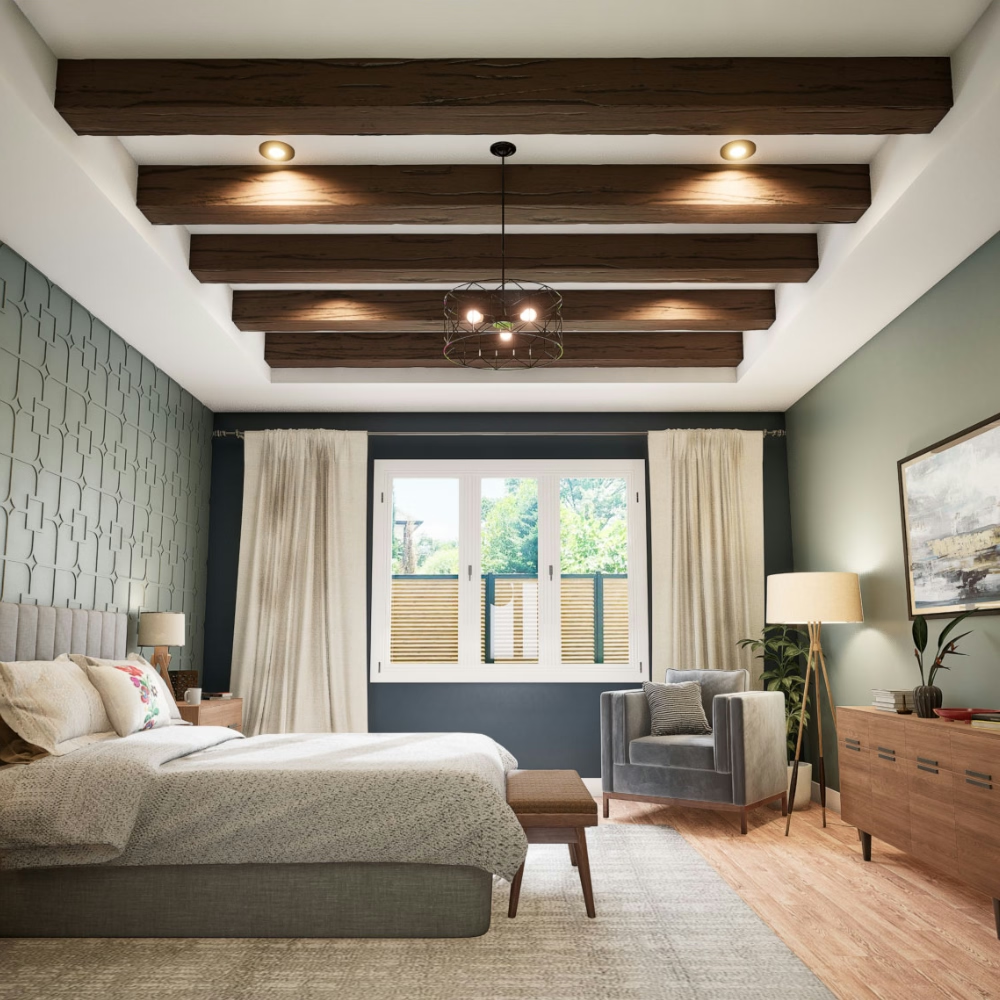
Lighting integration
Lighting is one of the most important elements in a luxury hotel lounge. The beams need to work with a sophisticated lighting design.
Statement chandeliers
A central chandelier is a signature element in many luxury lounges. The chandelier can hang from a central coffer, from a beam at the center of the room, or from the ceiling between beams. The beams provide architectural context that makes the chandelier feel anchored.
Layered pendant lighting
Multiple pendants at different heights create visual layering across the ceiling. The pendants can be uniform in style or deliberately varied for an eclectic look. The beams provide anchor points for the pendants and conceal the wiring.
Recessed and accent lighting
Recessed downlights between beams provide general illumination. Accent lights mounted to the beam faces highlight artwork, plants, or feature walls. The combination creates a layered lighting scheme that suits a lounge's varied uses throughout the day.
Dimmable and color-changing systems
Modern lounges often use dimmable and color-changing lighting that shifts from bright morning light to warm evening ambiance. The beams host the fixtures, and the smart lighting controls integrate with the hotel's broader building management system.
Coordinating with furniture and finishes
A luxury hotel lounge's furniture and finishes are carefully selected. The beam finish should work with these elements.
Matching the wood furniture
If the lounge features wood furniture in walnut or mahogany, the beams should match. The composition reads as a coherent luxury interior rather than as separate elements that happen to occupy the same space.
Coordinating with stone and metal
Lounges often feature stone accents, brass details, or marble tabletops. The beam finish should complement these materials without competing with them. Warm walnut works with brass and most stones. Pale oak works with chrome and lighter stones.
Working with textiles
Lounge textiles include upholstery, drapes, and rugs. The beam finish should support the textile palette rather than clash with it. Warm wood tones support most textile palettes, while very dark beams work best with lighter textiles and vice versa.
Working with bar and service areas
Many hotel lounges include a bar or a service area. The beams need to coordinate with these functional spaces.
Above the bar
Beams above the bar create a strong architectural focal point that anchors the bar's design. Pendant lights, bottle displays, and back-bar lighting all benefit from the structured overhead context that beams provide.
Above seating areas
Beams above the seating areas define each zone within the lounge. The ceiling treatment can shift subtly between zones, with different beam spacing, different finishes, or different lighting. The transitions feel deliberate rather than arbitrary.
Above service stations
Service stations within the lounge need access to power, data, and sometimes water. Beams above service stations can hide the wiring that runs to the station. The beam becomes a structural cover for the building services.
Day-to-evening transformation
Luxury hotel lounges often transform visually from day to evening. The morning light is bright and natural. The evening ambiance is warm and intimate. Beams support this transformation through the lighting design.
Daytime configuration
During the day, the lounge benefits from abundant natural light. Beams cast soft shadows across the ceiling and walls, providing visual interest without competing with the natural light. The room feels open and welcoming.
Evening configuration
In the evening, the lighting shifts to warm, indirect sources. Beams catch the warm light along their faces, creating a soft glow across the ceiling. The room feels intimate and sophisticated. The transformation feels natural rather than staged.
Late-night configuration
Late at night, the lounge often becomes a quieter space with reduced lighting. Beams continue to provide visual structure even when the lighting is at its lowest level. The room retains its architectural character without requiring full illumination.
Practical installation in operational hotels
A lounge installation in an operational hotel has to happen without disrupting the guest experience.
Working around guest stays
The lounge can be closed for a few days during installation, or the work can happen during low-occupancy periods. Polyurethane beams install quickly enough that a phased installation can keep most of the lounge operational throughout the project.
Coordinating with hotel operations
The installation should be coordinated with housekeeping, food and beverage, and front desk operations. Each team needs to know the schedule and the temporary changes to the lounge layout. Communication prevents surprises and maintains service quality.
Protecting guest areas
The lounge may be adjacent to guest rooms, restaurants, or other public spaces. Dust and noise from the installation need to be contained so they do not affect adjacent areas. Plastic sheeting, local extraction, and thoughtful scheduling all help.
Quick turnarounds
If the lounge installation happens during a renovation, the timeline is usually tight. Polyurethane beams install fast enough that a typical lounge can be transformed in a week or less, depending on the scale of the project.

Common design choices in luxury hotel lounges
A few beam-related design choices appear often enough in successful luxury hotel lounges to deserve mention.
First, the coffered ceiling with central chandelier. This is the most formal and most photographed ceiling treatment in luxury hospitality. The combination of beams and chandelier creates an immediate sense of grandeur.
Second, the perimeter band with feature lighting. This approach creates a refined architectural frame around the lounge, with the feature lighting drawing attention to the center of the room.
Third, the parallel beams with integrated pendants. This approach creates a clear rhythm across the lounge, with pendants providing the visual anchors between the beams.
Fourth, the single statement beam with feature artwork. This approach uses a single dramatic beam to anchor a feature artwork or sculptural element. The beam becomes a deliberate architectural gesture rather than a repeating element.
The role of faux beams in the hotel's brand
Luxury hotel brands have distinct visual identities. The lounge ceiling treatment can be a brand signature that guests remember and recognize.
Brand consistency across properties
A hotel group that uses the same beam profile and finish across its properties creates a brand consistency that guests recognize. The ceiling becomes part of the brand's identity.
Local adaptation within brand standards
Each property can adapt the beam treatment to its local context while maintaining the brand's standards. A coastal property might use a slightly different finish than an urban property, while the same profile and the same design approach tie them together.
The lounge as a brand showcase
The lounge is the room where the hotel's brand is most thoroughly expressed. A beautifully beamed ceiling communicates the brand's commitment to quality and design, setting the tone for the rest of the guest's stay.
Final thoughts on luxury lounge design
PU faux timber beams give a luxury hotel lounge the architectural character that supports the property's positioning in the market. The installation is fast, the durability is proven, and the design flexibility allows each property to express its specific character while maintaining brand standards.
For hotel operators considering a lounge upgrade, beams are one of the highest-return investments available. The lounge ceiling photographs beautifully, sounds better than bare ceilings, and creates the kind of lasting impression that distinguishes a luxury hotel from a mid-range one. The combination of refined aesthetics, practical performance, and design flexibility makes faux beams an obvious choice for any new or renovated lounge.
Technical References
ASTM standards cited in every specification
Test Data
Lab results from internal testing program
Updated 2026
Reviewed against current product specs