Extended Producer Responsibility: Manufacturer Take-Back Obligations
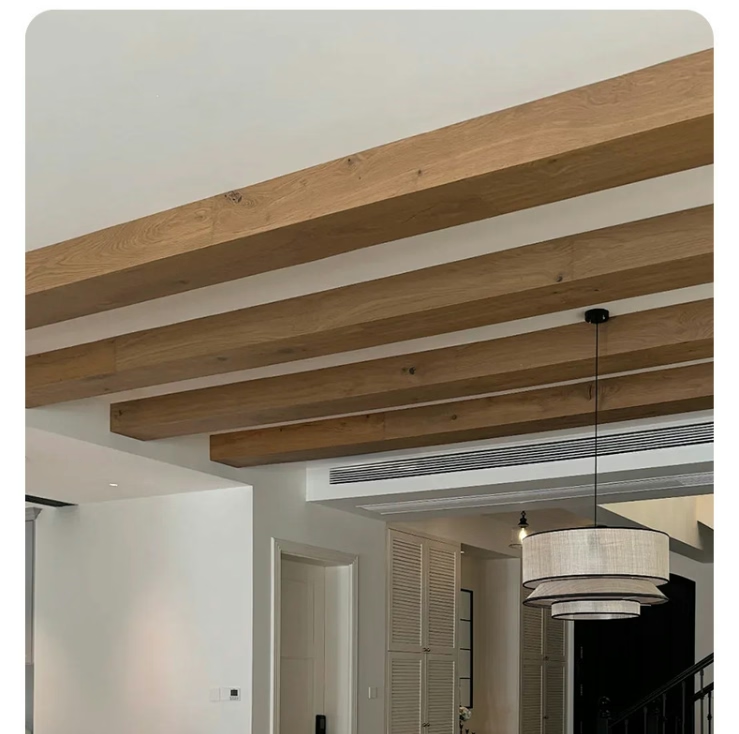
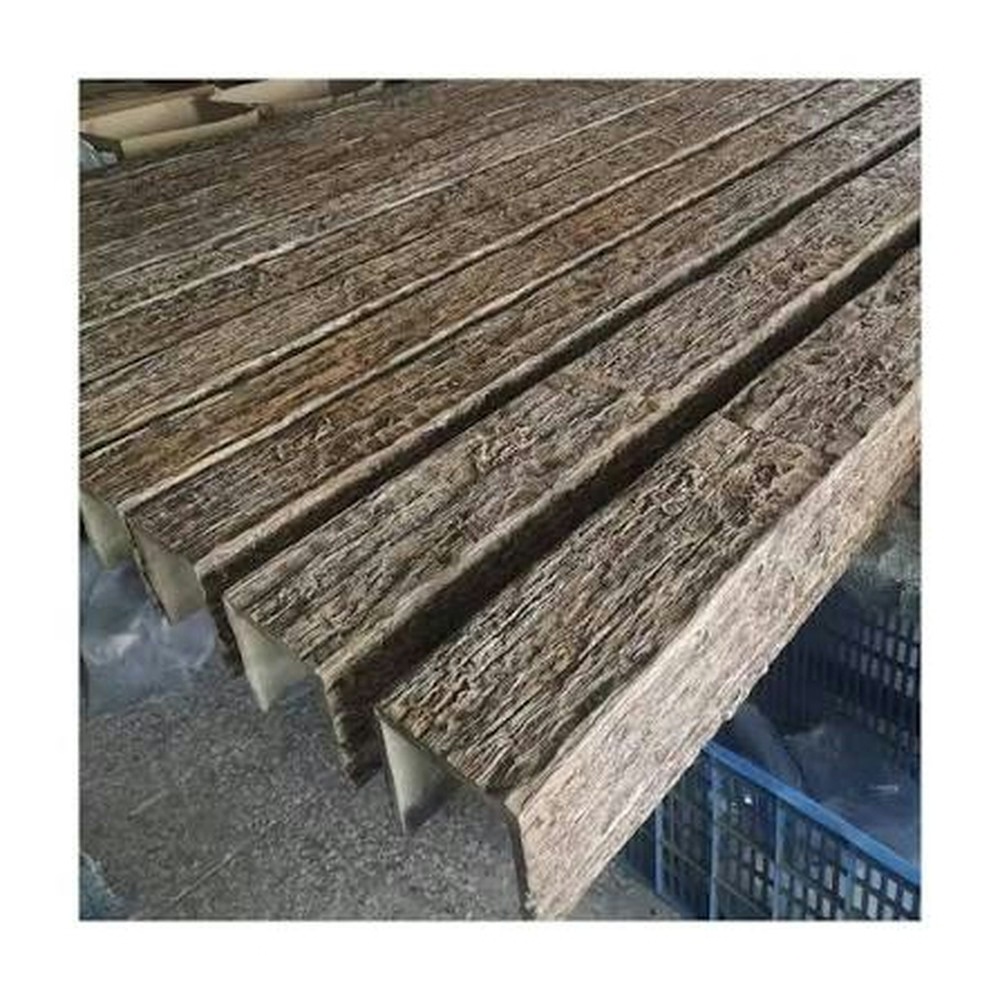
Extended producer responsibility regulations require faux beam manufacturers managing end-of-life products. Strategic EPR program implementation addresses emerging regulatory requirements through collection systems, recycling infrastructure, and financial responsibility supporting circular economy transitions and environmental protection.
Regulatory Landscape Understanding
Monitor developing EPR legislation anticipating compliance requirements and implementation timelines. Proactive awareness enables strategic planning and prevents rushed compliance scrambles.
Collection System Development
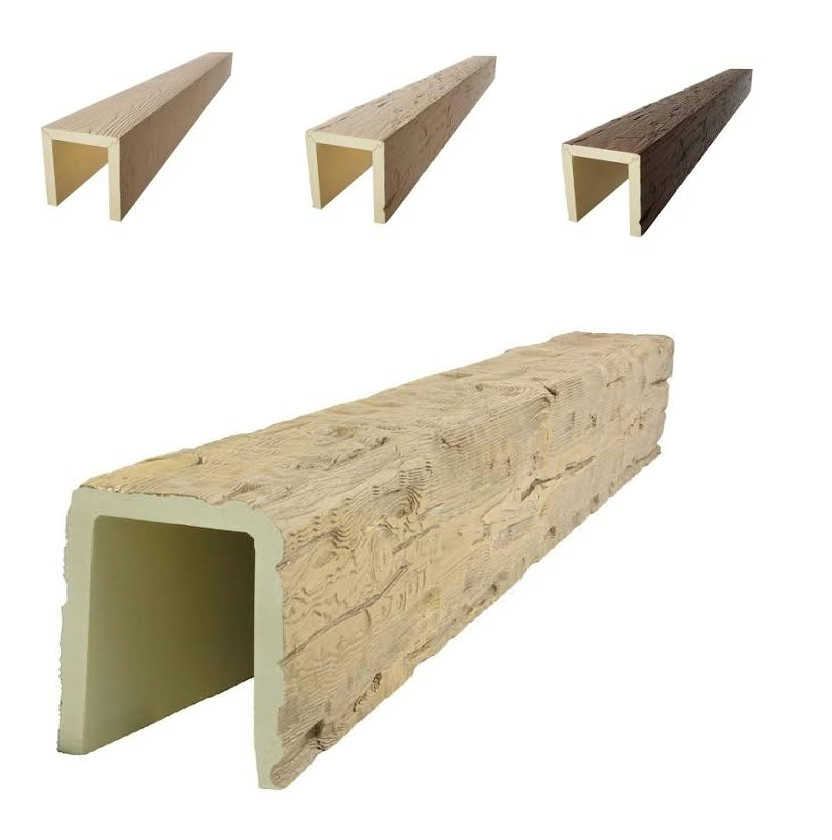
Establish convenient collection points accepting old beams for proper recycling or disposal. Accessible take-back infrastructure enables customer participation and regulatory compliance.
Reverse Logistics Networks
Build transportation systems moving collected products from consumers to processing facilities. Efficient reverse logistics controls costs while ensuring program effectiveness.
Processing Infrastructure Investment
Develop or contract recycling facilities handling collected materials properly. Processing capability ensures genuine recycling rather than landfill diversion claims.
Financial Responsibility Mechanisms
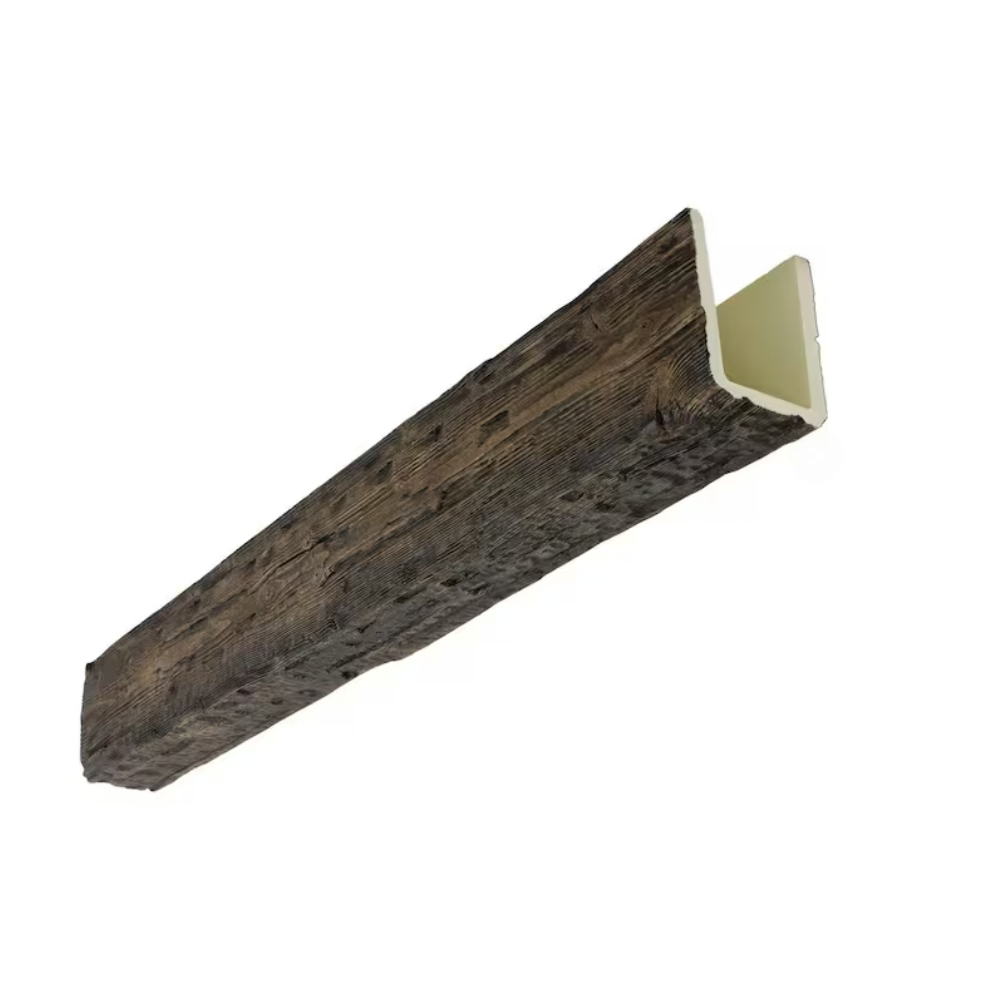
Establish funding systems covering collection, transportation, and processing costs. Sustainable financing ensures long-term program viability and regulatory compliance.
Consumer Education and Outreach
Inform customers about take-back availability and proper product disposal procedures. Education maximizes participation rates and environmental benefits realization.
Performance Reporting Requirements
Track and report collection rates, recycling percentages, and environmental outcomes. Transparent reporting demonstrates compliance and supports program improvement.
Industry Collaboration Opportunities
Participate in collective EPR systems sharing infrastructure and costs with competitors. Collaborative approaches improve efficiency and reduce individual company burdens.
Conclusion
Extended producer responsibility beam programs require regulatory landscape understanding, collection system development, reverse logistics networks, and processing infrastructure investment. Strategic EPR implementation achieves regulatory compliance through financial responsibility mechanisms, consumer education outreach, performance reporting, and industry collaboration supporting circular economy transitions with manufacturer end-of-life obligations.
Technical References
ASTM standards cited in every specification
Test Data
Lab results from internal testing program
Updated 2026
Reviewed against current product specs