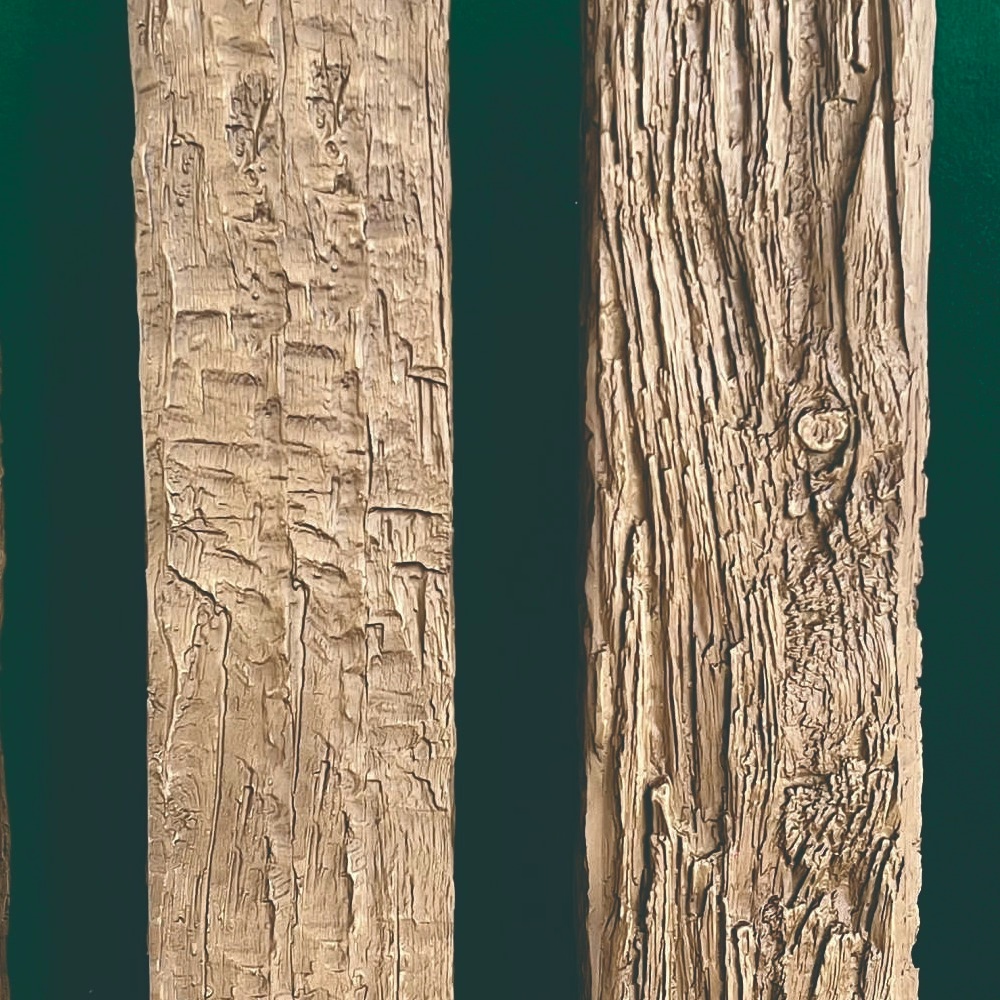
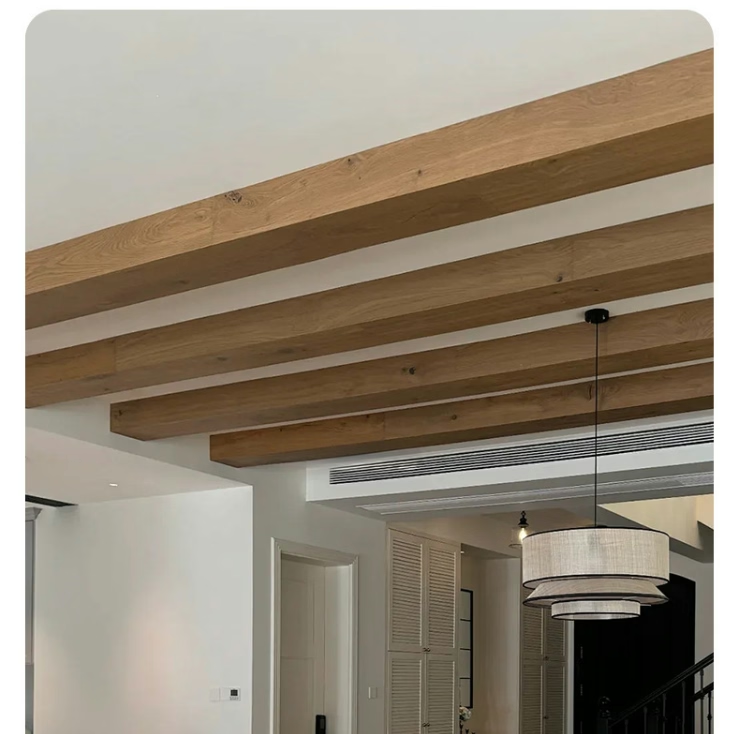
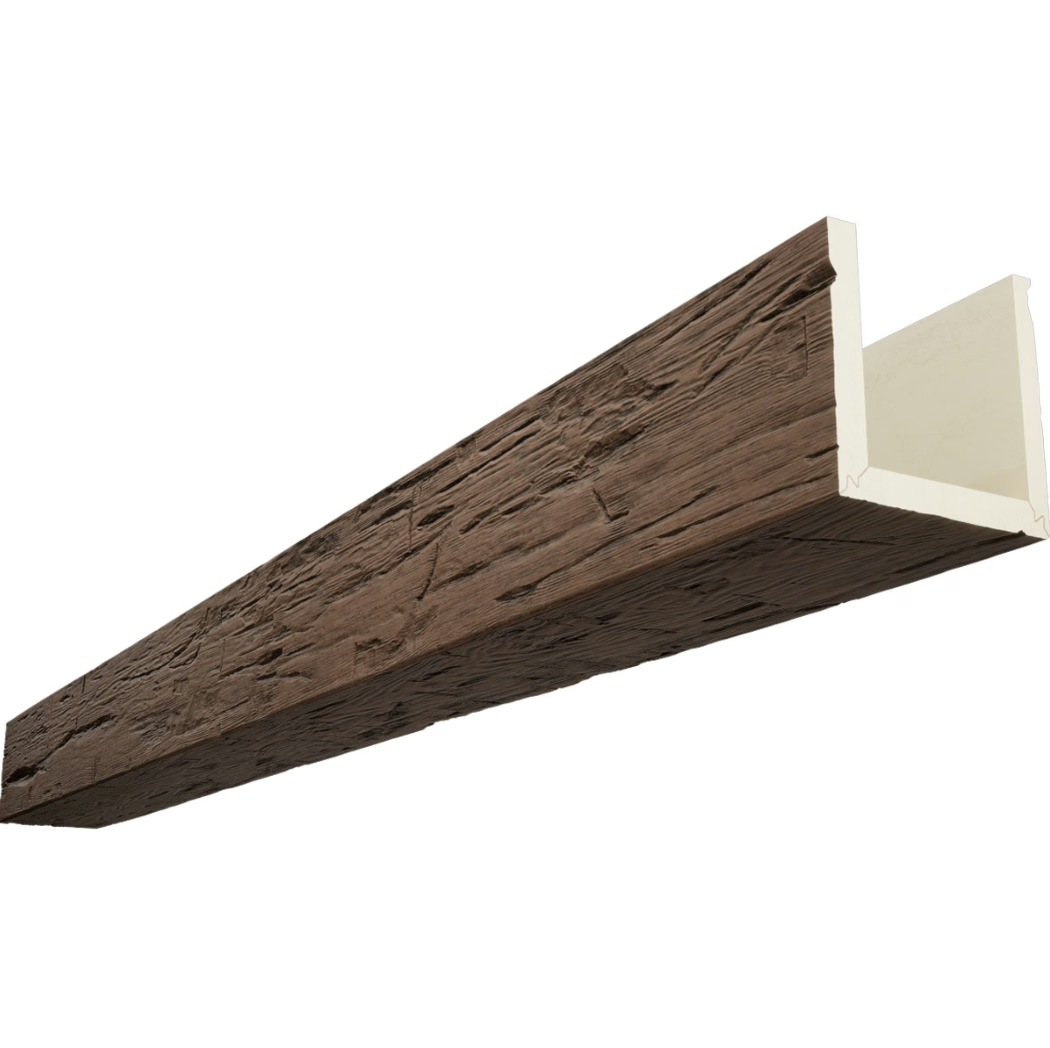
Open ceiling spaces have a habit of making everything else in the room feel smaller. Walls recede, furniture seems further apart, and the ceiling itself becomes a kind of canvas. Extra long span PU faux timber beams were designed to give that canvas a strong horizontal line without the weight, cost, or complexity of solid timber. They let designers and builders put real architectural intent across ceilings that would otherwise feel empty, and they do it at lengths and weights that real wood simply cannot match.
The Appeal and the Challenge of an Open Ceiling
There is something immediately inviting about an open ceiling. Light moves freely through the space, sound has room to breathe, and the architecture itself becomes part of the experience. But the same openness that makes these ceilings beautiful can leave them feeling underdressed. Without a beam overhead, an open ceiling often looks like an unfinished thought.
Why a Beam Anchors the Room
A long beam across an open ceiling does several things at once. It breaks the flat plane of the ceiling into human-scaled sections. It provides a visual reference point for the eye, giving the room a kind of spine. It echoes the horizontal lines of windows, flooring, and furniture. And it introduces texture and warmth in spaces that often lean heavily on glass, plaster, and minimal trim. Designers who skip the beam in an open ceiling almost always end up adding it later.
The Problem with Solid Timber at Scale
Solid timber at the lengths an open ceiling demands presents real obstacles. A six-meter oak beam is heavy, expensive, and prone to checking and movement as it adjusts to indoor humidity. It requires structural support during installation and careful detailing at every connection point. In a commercial setting, where fire codes often restrict exposed solid timber, faux options become the practical answer. In a residential setting, the cost of a single long solid beam can blow through a budget that would otherwise cover multiple shorter runs in a continuous design.
How Polyurethane Changes the Equation
Polyurethane faux timber has been quietly transforming how designers approach long beams for nearly two decades. The material is light enough to handle in long sections, dense enough to hold a detailed texture, and stable enough to ignore the humidity and temperature swings that bother real wood.
Long Single-Piece Production
Manufacturers extrude or pour PU beams in single lengths up to six meters or more, with internal reinforcement cores added during the molding process. The result is a beam that arrives on site as one continuous piece, ready to lift into place without assembly. Where ceiling spans exceed maximum production length, engineered splice plates hidden inside the beam profile let two sections join at mid-span and still read as a single line once installed.
Internal Reinforcement for Long Runs
A long beam has to hold its own weight without sagging. Internal steel channels, aluminum profiles, or rigid composite cores embedded during manufacture give the beam the rigidity it needs to span the full distance between mounting points. The reinforcement is hidden inside the molded profile and connects directly to ceiling blocking or joists through integrated mounting channels. Once installed, the beam behaves like a long, stable line that doesn't move, even in spaces with seasonal temperature swings.
Texture and Finish at Architectural Scale
A beam that runs across an open ceiling gets looked at closely. People sitting beneath it, walking under it, and photographing it see every detail of the texture and finish. Custom PU manufacturers understand this and produce beams that hold up to scrutiny.
Surface Profiles That Earn Their Place
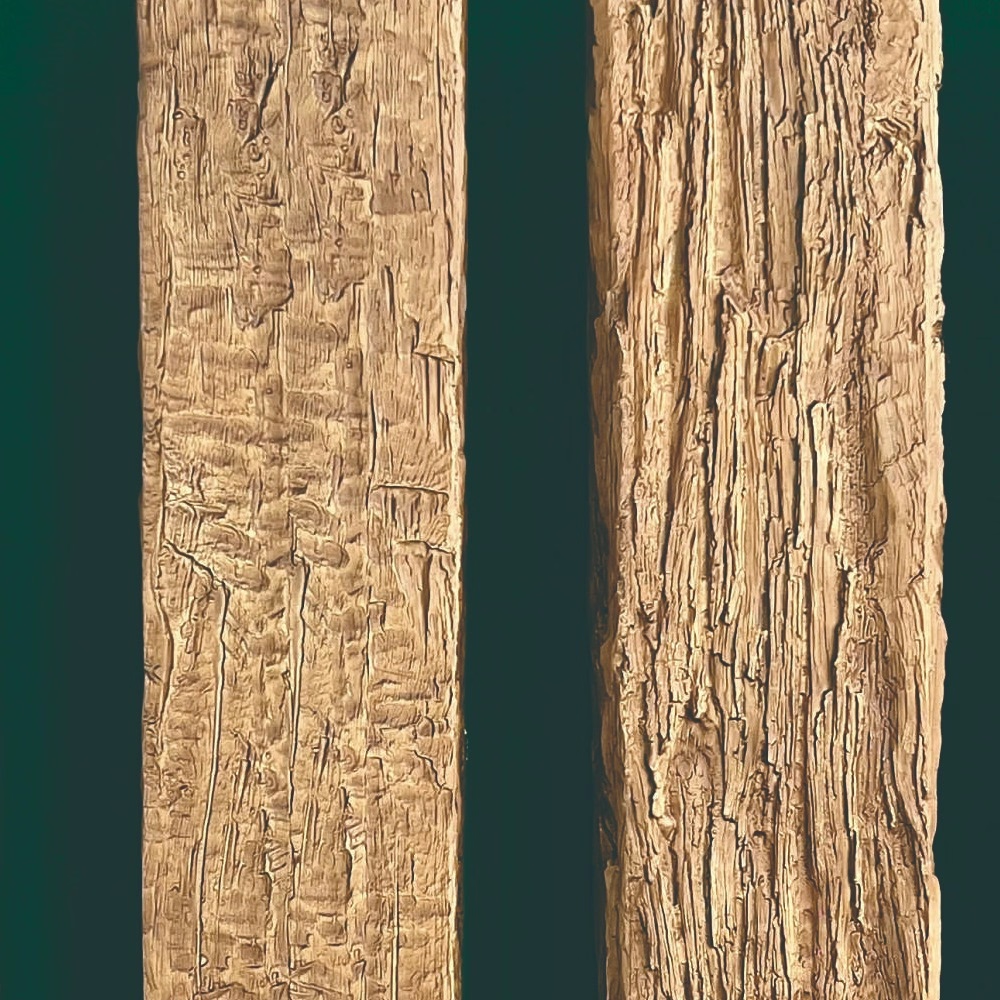
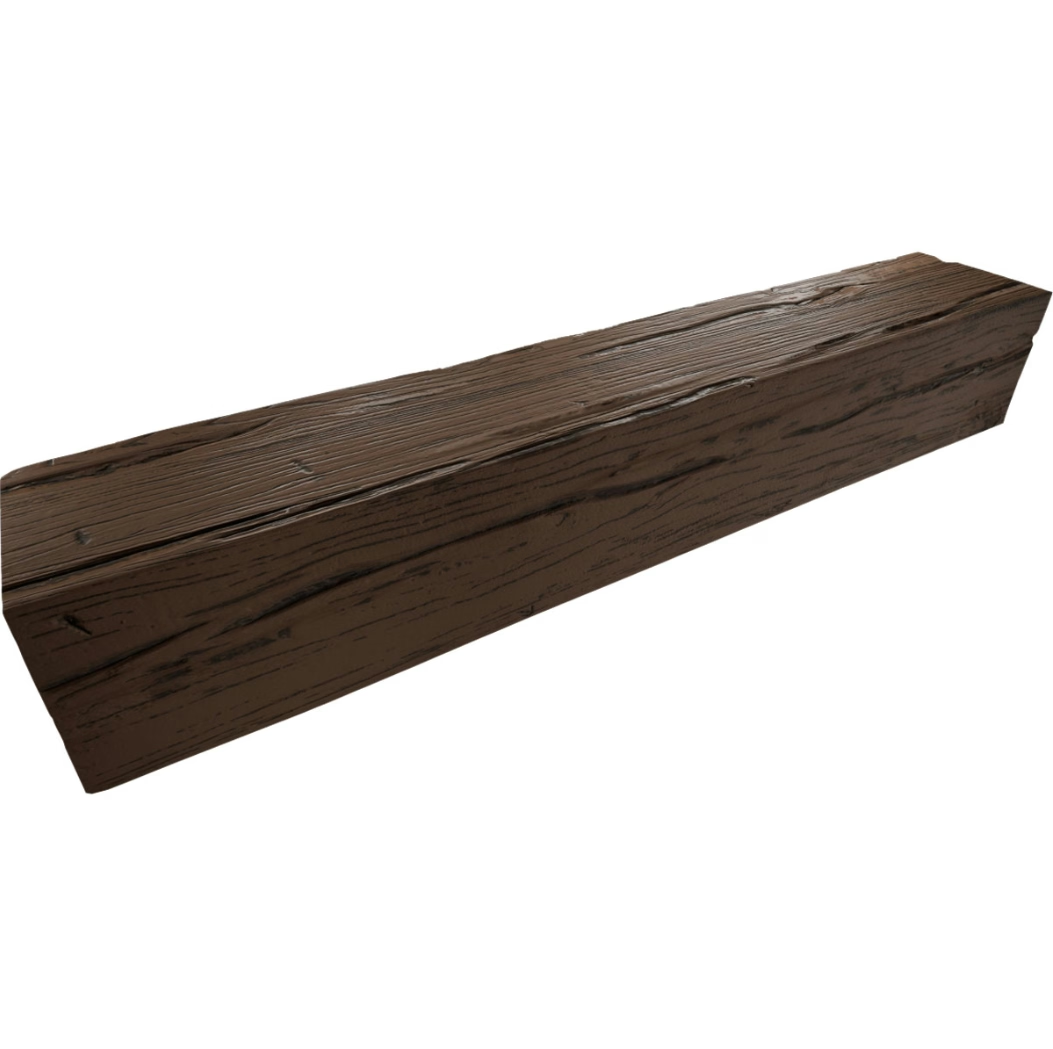
Rough-sawn, hand-hewn, distressed, and wire-brushed profiles give a beam visual weight that matches the scale of a large open ceiling. Smooth and lightly textured profiles work in modern interiors where the ceiling is meant to feel quieter and more refined. Custom profiles developed from a sketch or photo are also possible when no standard option fits the project. Each profile is molded directly into the beam, so the texture is consistent across the entire length rather than applied as a surface treatment that can wear or fade.
Hand-Applied Finishes Across Long Runs
A factory finish on a long beam is one of the most demanding applications in faux wood production. Roller and spray finishes fail on long runs because lap marks and color variation become obvious at distance. Hand-applied finishes using brushes, sponges, glazes, and selective highlighting produce a beam that looks like real timber aged by light and use. Craftspeople lay down base tones, then build up grain patterns, knots, and tonal variation across the entire length before the finish sets. The result is a beam that photographs beautifully and reads as authentic timber from anywhere in the room.
Where Extra Long Span PU Beams Make Sense
The list of applications keeps expanding as more designers discover how practical long faux beams have become. Several categories stand out for their consistent demand.
Residential Great Rooms
Custom homes with double-height great rooms almost always include long beams in the ceiling design. The beam gives the room its proportion, marks the transition between kitchen and living zones, and provides a place to hang lighting, fans, and decorative hardware. Polyurethane versions deliver the look without the structural complications of solid timber at scale.
Restaurant Main Dining Halls
Restaurants, breweries, and tasting rooms have embraced exposed faux timber as a way to make large dining rooms feel intimate. Long beams overhead define zones within an open floor plan, soften the echo of a tall ceiling, and add warmth that encourages guests to linger. Polyurethane stands up to kitchen humidity, constant cleaning, and the temperature swings that come with a busy service environment.
Hotel Lobbies and Atriums
Hotel design teams work hard to make first impressions count, and the lobby ceiling is often where that impression begins. Long faux timber beams give the space an immediate sense of warmth and welcome, frame the front desk area, and provide a mounting point for lighting and signage. The lightweight construction also matters in older buildings where structural loads on existing ceilings have to be carefully managed.
Event Venues and Ballrooms
Wedding venues, conference centers, and event halls need ceiling treatments that photograph beautifully and support a wide range of decor styles. Long faux timber beams deliver a flexible neutral overhead that works equally well for a rustic wedding, a corporate keynote, or a charity gala. The beams can be specified in pale washes for bright airy events or deep tones for more dramatic settings.

Installation Considerations for Long Spans
Long beams have specific installation requirements that differ from shorter runs. Crews need staging space, the right lifting equipment, and a clear plan for how the beam will be supported as it goes into place.
Mounting Hardware for Long Runs
Most extra long beams are mounted using a combination of blocking cleats, hidden brackets, and back-channel receivers. The blocking is installed first, screwed into ceiling joists or structural framing at multiple points along the span. The beam then slides over the blocking and locks into place with integrated channels or brackets. For very long spans, additional mid-span support may be required to prevent deflection under the beam's own weight.
Crew Size and Installation Time
A typical two-person crew can install an extra long PU beam in under an hour once the mounting hardware is in place. The same beam in solid timber might require four to six installers, lifting equipment, and half a day of careful maneuvering. For projects with multiple beams across a single ceiling, that labor difference adds up quickly and changes the economics of the entire installation.
Choosing a Manufacturer and Planning the Order
Extra long span PU faux timber beams are custom products in most cases. Choosing the right manufacturer and planning the order carefully can save weeks of lead time and prevent costly mistakes.
What to Look for in a Supplier
Reputable manufacturers offer in-house mold making, hand-applied finishing, and engineering support for long-span reinforcement. They provide finish samples on stub beams before committing to full production, and they ship with packaging designed to protect long profiles during international transit. Many also offer consolidated container loading for projects with multiple beam orders, which reduces freight costs and simplifies logistics.
Lead Times and Delivery Planning
A typical custom order takes three to five weeks from approved sample to delivery, plus ocean or air transit for international projects. Early engagement with the manufacturer allows time for sample review, profile adjustments, and finish tweaks without pushing the project timeline. For projects with tight schedules, some manufacturers maintain a stock of common profiles and finishes in extra long lengths that can ship within days.
A Confident Ceiling That Lasts
Extra long span PU faux timber beams give open ceilings the kind of confident architectural line that anchors a room without dominating it. They let designers and builders work at scales that solid timber struggles to reach, while keeping installation practical and finishes consistent across every meter. For projects where the ceiling is part of the experience, that combination of length, lightness, and craftsmanship is hard to match with anything else on the market.
Technical References
ASTM standards cited in every specification
Test Data
Lab results from internal testing program
Updated 2026
Reviewed against current product specs