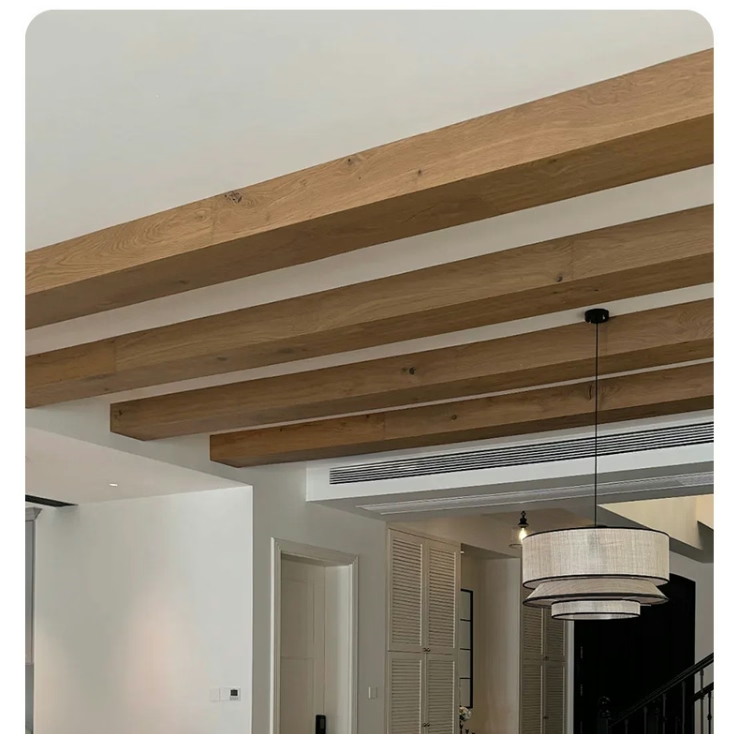
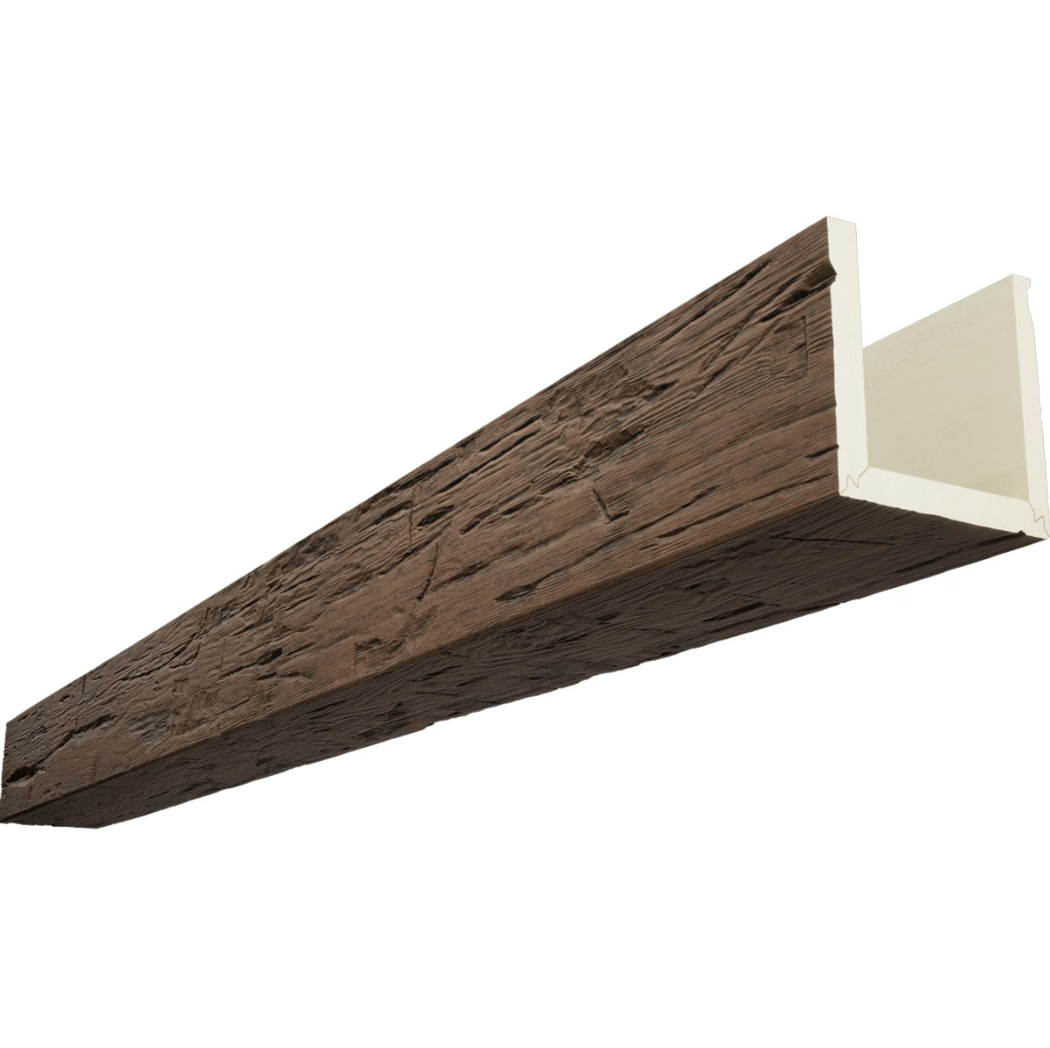
Commercial ceilings have to do more than look good. They have to meet code, accommodate lighting and mechanical systems, hold up to constant use, and stay within a budget that often gets squeezed late in the design process. Extra long span PU faux wood beams answer those demands at a scale that few other products reach. They give large commercial spaces the timber look designers want without the weight, fire risk, or installation headaches of solid wood, and they do it in lengths that hold together across the kind of wide-open floor plates common in retail, hospitality, and entertainment venues.
What Makes a Commercial Ceiling Different
Residential ceilings are forgiving. A small crack, a slightly uneven joint, or a beam that's a touch too heavy in one corner is something a homeowner can live with for years. Commercial ceilings don't get that latitude. They get inspected by fire marshals, photographed by guests and customers, and scrutinized by owners who see every imperfection every day.
Code Compliance and Fire Performance
Solid timber exposed in commercial ceilings is often restricted or prohibited by local building codes, particularly in restaurants, hotels, and public assembly spaces. Polyurethane faux beams are typically manufactured with fire-retardant additives that allow them to meet Class A or Class B fire ratings depending on the formulation. That opens up design possibilities that solid timber cannot offer in commercial work, including deep timber-look ceilings in venues where exposed wood would never pass inspection.
Mechanical Integration
Commercial ceilings hide a lot. Ductwork, conduit, sprinkler lines, audio wiring, and lighting all need to run above the visible ceiling plane or be integrated into it. Long faux wood beams work well in this context because their hollow profile can be designed to accommodate surface-mounted conduit, low-voltage wiring, and even small-format LED tape. The beam becomes part of the mechanical strategy rather than an obstacle to it.
The Practical Benefits of Polyurethane at Commercial Scale
Beyond code and mechanical integration, polyurethane solves a long list of practical problems that show up on every commercial job site.
Lightweight Handling on Tight Schedules
A typical long solid timber beam might weigh 150 kilograms or more per six-meter section. Getting it into position requires rigging, lifting equipment, and a crew trained in heavy timber installation. A comparable polyurethane beam of the same visual size might weigh 25 kilograms per meter. Two installers can carry it, lift it into place with a simple scaffold, and secure it without specialized equipment. For commercial projects running on tight schedules, that difference is measured in days of labor saved across the entire installation.
Resistance to Humidity and Temperature Swings
Commercial environments are tough on ceiling materials. Restaurants generate steam and grease. Hotels push air conditioning through large volumes. Retail spaces swing temperature with outdoor doors opening all day. Solid timber responds to those conditions by expanding, contracting, and occasionally cracking at joints. Polyurethane ignores humidity entirely and tolerates temperature swings without visible movement. The finish stays consistent across years of service, and the beam profile holds its shape without the kind of checking and movement that gives maintenance teams headaches.
Cleanability and Maintenance
In a busy commercial space, ceiling beams get touched, bumped, and occasionally splashed. Polyurethane beams with a sealed factory-applied finish wipe clean with a damp cloth and don't absorb stains the way softwood or unsealed timber does. There's no need for periodic refinishing, no special cleaners, and no concern about insect damage in regions where termites or powder post beetles are active.
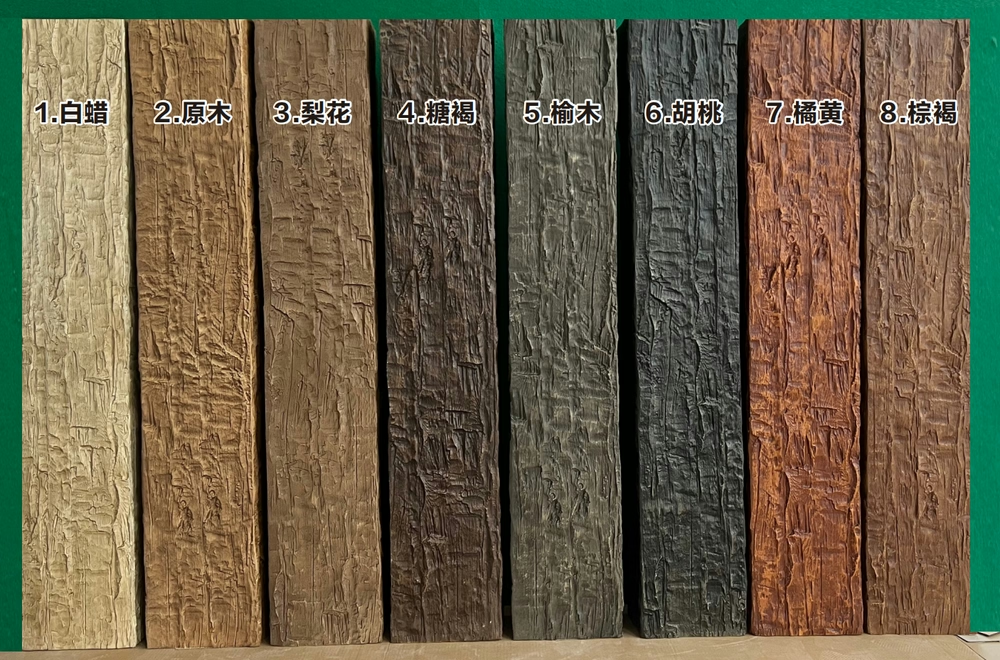
Profiles and Finishes for Commercial Settings
Commercial ceilings often need a specific aesthetic tone, and faux beam manufacturers have built deep catalogs to match them.
Hospitality and Restaurant Profiles
Hotels, restaurants, and breweries tend toward warm wood tones with profiles that feel hand-crafted. Rough-sawn, hand-hewn, and distressed textures pair well with mid-tone walnut, oak, and reclaimed finishes. The beam becomes part of the brand experience, signaling quality and attention to detail from the moment guests walk in.
Retail and Showroom Profiles
Retail spaces need ceiling treatments that support merchandise displays without competing with them. Smoother profiles in pale or neutral tones work well in apparel, beauty, and lifestyle retail. Slightly more textured profiles in deeper tones anchor sporting goods, outdoor, and adventure retail environments. Custom finishes are often requested to match brand color palettes or material stories.
Office and Conference Profiles
Modern office spaces and conference centers favor clean lines and quieter ceiling treatments. Smooth or lightly textured profiles in pale oak, ash, or whitewashed finishes give a room warmth without making the ceiling feel busy. The beam can run continuously across an open floor plate or punctuate specific zones like boardrooms, reception areas, and collaboration spaces.
Typical Applications in Commercial Work
Some commercial building types have adopted extra long faux beams as a near-standard specification. Others specify them selectively where the architecture calls for a strong horizontal line.
Hotel Lobbies and Atrium Spaces
Hotel design is one of the most consistent markets for extra long PU faux beams. The product gives lobby and atrium spaces the kind of generous, warm ceiling treatment guests associate with quality construction, without the maintenance burden that real wood carries in climates with strong humidity swings. The fire-retardant formulation also helps projects pass inspection in jurisdictions that restrict exposed solid timber.
Restaurant Main Dining Rooms
Restaurants need ceiling treatments that work across breakfast, lunch, dinner, and late-night service without constant attention. Long faux beams give dining rooms the warm overhead that makes guests linger, while standing up to steam, grease, and the constant cleaning that comes with a busy kitchen. Many restaurants also use shorter faux beams to define bar areas, host stands, and private dining zones within an open floor plan.
Retail Flagship Stores
Flagship retail stores treat their ceilings as part of the brand environment. Long faux beams help frame the entry sequence, mark circulation paths, and provide mounting points for lighting and signage. The product's lightweight construction also matters in buildings where rooftop mechanical equipment limits how much weight can be added to the existing structure.

Event Venues and Conference Centers
Event venues and conference centers need ceiling treatments that photograph beautifully and support a wide range of decor styles. Long faux timber beams deliver a flexible neutral overhead that works equally well for a corporate keynote, a wedding reception, or a product launch. Beams can be specified in pale washes for bright airy events or deep tones for more dramatic settings.
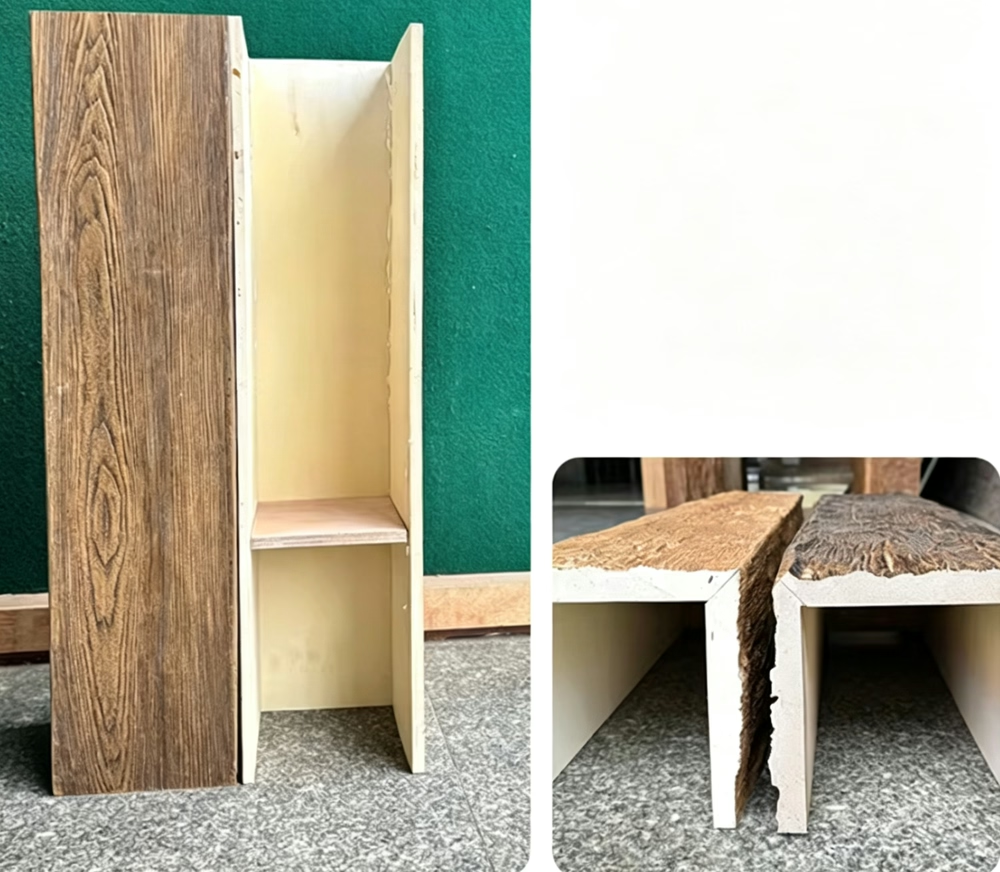
Installation Workflow on Commercial Sites
Commercial installations run on tighter schedules than residential work. Polyurethane beams support that pace with faster mounting and fewer complications.
Coordinating with Other Trades
Long faux beams are typically installed after mechanical, electrical, and sprinkler rough-in are complete but before final paint and finish flooring go in. Crews mount blocking into the structural ceiling at marked attachment points, then lift the beams into place and secure them with integrated brackets or back channels. Once the beams are in, painters can quickly cut in around them and lighting crews can install surface-mounted fixtures in pre-drilled channels or open profiles.
Job Site Safety
Lightweight beams are safer to handle on commercial sites where multiple trades are working in the same area. There's less risk of dropped loads, less need for overhead crane time, and fewer workers tied up in heavy lifting. Insurance carriers often look favorably on polyurethane installations because the reduced manual handling translates into fewer injury claims over the course of a project.
Choosing the Right Manufacturer for Commercial Orders
Commercial orders tend to be larger and more complex than residential work. Choosing a manufacturer with the right capabilities can save weeks of lead time and prevent costly rework.
Capabilities to Look For
Reputable commercial suppliers offer in-house engineering for long-span reinforcement, fire-rated material certifications, hand-applied finishing with consistent color matching across large orders, and packaging designed to protect long profiles during international transit. Many also offer installation support, including shop drawings, site measurements, and field technician visits for the largest projects.
Lead Times and Logistics
A typical custom commercial order takes four to six weeks from approved sample to delivery, plus ocean or air transit for international projects. Larger orders may require phased production and shipping so beams can be installed as they arrive rather than waiting for a single consolidated delivery. Early engagement with the manufacturer and a clear installation schedule make phased delivery practical.
A Beam Built for the Way Commercial Spaces Actually Work
Extra long span PU faux wood beams are a response to the realities of commercial construction: tight schedules, demanding code requirements, mechanical coordination, and the constant pressure to keep finishes looking new across years of public use. They give designers the timber aesthetic they want at the scale commercial architecture demands, while staying within the practical constraints of budget, weight, and fire performance that shape every project. For architects, contractors, and owners who need a ceiling that works as hard as the room underneath it, those advantages carry real weight.
Technical References
ASTM standards cited in every specification
Test Data
Lab results from internal testing program
Updated 2026
Reviewed against current product specs