
A flat ceiling with no architectural detail is a missed opportunity. It gets painted, gets a light fixture, and otherwise does nothing to enhance the room. Eye-catching decorative beams change that calculation entirely. They give the ceiling a clear focal point, transforming the overhead plane from blank surface into intentional architectural feature. In doing so, they reshape how visitors experience the entire room, drawing the eye upward and giving the space a kind of grounded confidence that flat ceilings cannot provide.
Why a Ceiling Focal Point Matters
Most rooms have a single architectural element that the eye is meant to settle on. In a living room it might be the fireplace. In a bedroom it might be the bed. In a dining room it might be the table. The ceiling above that focal point is part of the composition, even when designers don't treat it as such.
The Ceiling as Part of the Composition
When the ceiling above a focal point has no architectural detail, the focal point has to do all the work on its own. The eye registers the fireplace or the table, but the space above feels empty. The room reads as half-finished, like someone forgot to think about the ceiling. A decorative beam above the focal point gives the eye something to follow upward, framing the feature and pulling the entire composition together.
How Beams Change the Sense of Scale
Decorative beams also affect how the room feels in scale. A tall ceiling with no horizontal element overhead can feel cavernous and impersonal. A beam across the ceiling at the right height breaks the vertical volume into human-scaled sections, making the room feel more intimate and intentional. This is particularly important in great rooms, vaulted ceilings, and open-plan layouts where the volume of the space can feel overwhelming without architectural intervention.
Where Decorative Beams Work Best
Some spaces benefit more than others. The trick is matching the beam to the room's existing architecture and the focal point that the room is already organized around.
Living Rooms with Fireplaces or Statement Walls
Living rooms built around a fireplace or a large piece of wall art are natural candidates for decorative beams. The beam runs above the focal point at ceiling or wall-transition height, framing the feature and providing a confident horizontal line. Designers often use the beam as the mounting point for art lighting, picture lights, or sconces that illuminate the focal point below.
Primary Bedrooms with Architectural Headboard Walls
Primary bedrooms with a defined headboard wall benefit from a beam running the full width of the wall above the bed. The beam echoes the headboard's horizontal line and creates a sense of architectural completeness overhead. In rooms without a headboard wall, the beam can serve a similar role, defining where the bed sits in relation to the rest of the room.
Dining Rooms with a Centered Table
Dining rooms built around a centered table feel more intentional when a beam runs above the table at ceiling height. The beam becomes a kind of architectural canopy that signals the table's importance and provides a mounting point for a chandelier or pendant cluster. The relationship between beam and table is one of the oldest architectural gestures in residential design.
Open-Plan Great Rooms
Open-plan great rooms that combine kitchen, dining, and living functions often feel like they need help defining zones. Decorative beams running above specific zones — the island, the dining table, the seating area — give each function its own architectural identity without the need for walls. The ceiling becomes a kind of map that visitors read instinctively.
Entry Foyers and Stair Landings
Entry foyers and stair landings are transitions rather than destinations, and a decorative beam overhead helps mark that transition. The beam signals that visitors are entering or moving through a space that deserves attention, even if they won't linger there. Foyer beams in particular benefit from statement-making profiles that introduce the home's design language from the first moment of entry.

Choosing the Right Profile for the Statement
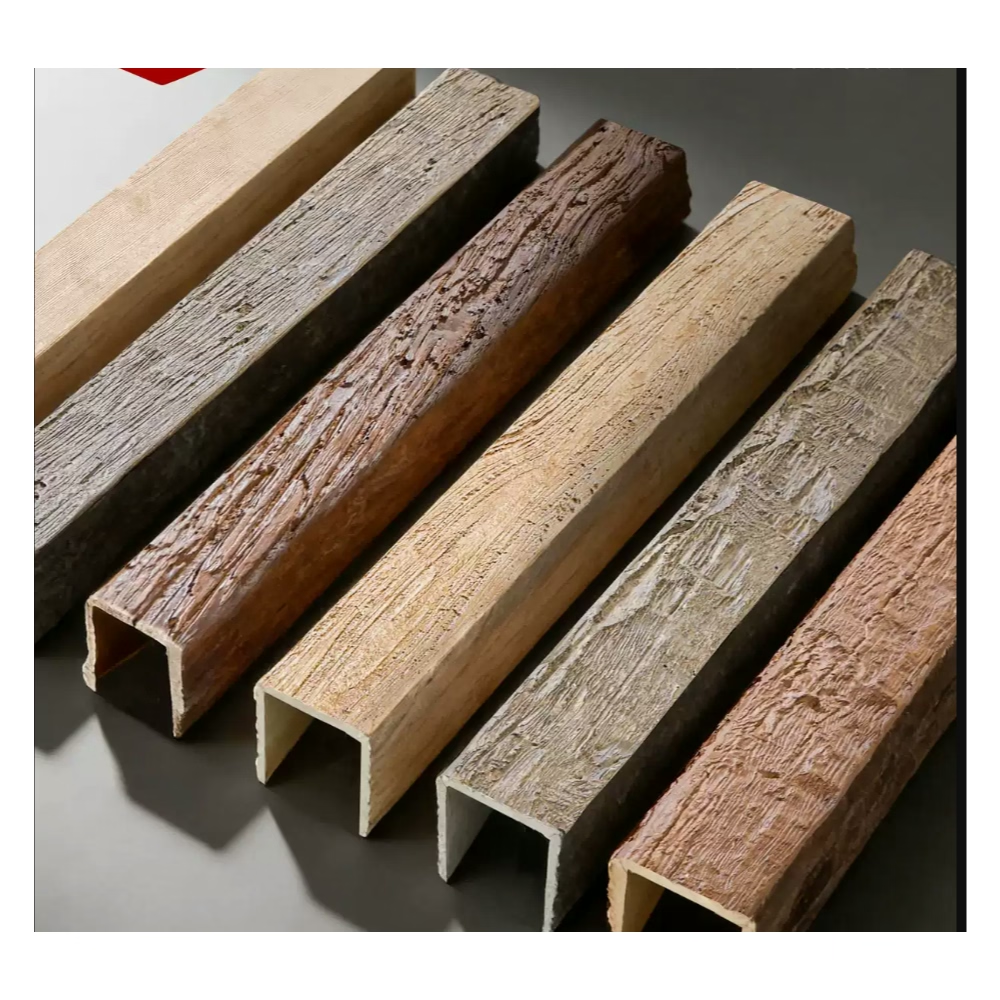
The profile of a decorative beam determines how much attention it draws. Designers typically think about the beam in relation to the surrounding finishes and the statement it is meant to make.
Quiet Profiles for Subtle Frameworks
Smooth-planed profiles with minimal surface detail work well in modern, contemporary, and transitional interiors. The beam reads as a refined architectural line rather than a rustic feature. Painted finishes in soft whites, pale grays, or matte black extend the understated character and integrate the beam with the room's overall color palette.
Textured Profiles for Bold Statements
Hand-hewn, rough-sawn, distressed, and wire-brushed profiles give the beam visible character from across the room. These profiles work in farmhouses, lodges, Tuscan-inspired homes, and any space where the design language leans traditional or rustic. The beam becomes a feature in its own right, contributing texture and visual interest beyond its role as a focal point marker.
Custom Profiles for Truly Unique Work
Some projects call for profiles that no standard catalog offers. Custom mold development allows designers to specify beams with unique edge details, integrated corbels, or unusual proportions. Custom profiles are common in luxury residential work and in commercial projects where brand identity demands something no off-the-shelf product can deliver.
Finish Choices That Lead the Eye
The finish of a decorative beam determines how strongly it pulls attention. Designers think carefully about whether the beam should dominate or support the focal point below.
Deep Finishes for Strong Anchoring
Walnut, mahogany, ebony, and other deep finishes make the beam a strong visual presence. The eye reads the beam as a feature, then follows the line down to the focal point beneath it. Deep finishes work well when the beam is meant to be a primary design element in its own right, or when the surrounding ceiling is pale enough that the contrast does the work.
Mid-Tone Finishes for Balanced Compositions
Mid-tone oak, pecan, and warm brown finishes provide direction without dominance. The beam anchors the ceiling without overwhelming the room, and the focal point below retains its role as the primary feature. Mid-tone finishes are versatile and work across most residential design styles.
Pale Finishes for Subtle Direction
Pale oak, whitewashed, weathered gray, and driftwood finishes introduce the beam as a shadow line rather than a color statement. The beam gives the ceiling architectural detail without changing the room's overall color palette. This approach works particularly well in Scandinavian, coastal, and modern farmhouse interiors.
Coordinating With Lighting for Maximum Effect
A decorative beam is rarely alone. It often carries lighting that reinforces the focal point composition.
Pendants and Chandeliers as Companion Pieces
A pendant or chandelier hanging from the beam turns the ceiling feature into a complete lighting solution. The fixture itself becomes part of the focal point composition, with the beam providing the architectural support and the fixture providing the illumination. Designers typically size the fixture to fit comfortably beneath the beam without crowding it.
Recessed Downlights for Clean Effects
Recessed downlights mounted into the beam itself can illuminate the focal point below without adding visible fixtures. The beam reads as a clean architectural element, and the lighting is integrated into the ceiling feature rather than hanging below it. This approach works well in modern and contemporary interiors where exposed fixtures would feel out of place.
LED Tape for Indirect Effects
LED tape mounted along the edges of the beam can create indirect lighting effects that wash the ceiling above or the wall behind the focal point. The beam becomes a source of ambient light that shapes how the room feels without dominating it visually. Designers often use LED tape in conjunction with other lighting sources for layered, controllable scenes.
Sizing the Beam to the Room
Decorative beams work when their size is appropriate to the space. Too small and the beam disappears into the ceiling. Too large and it dominates the room.
Width and Depth Guidelines
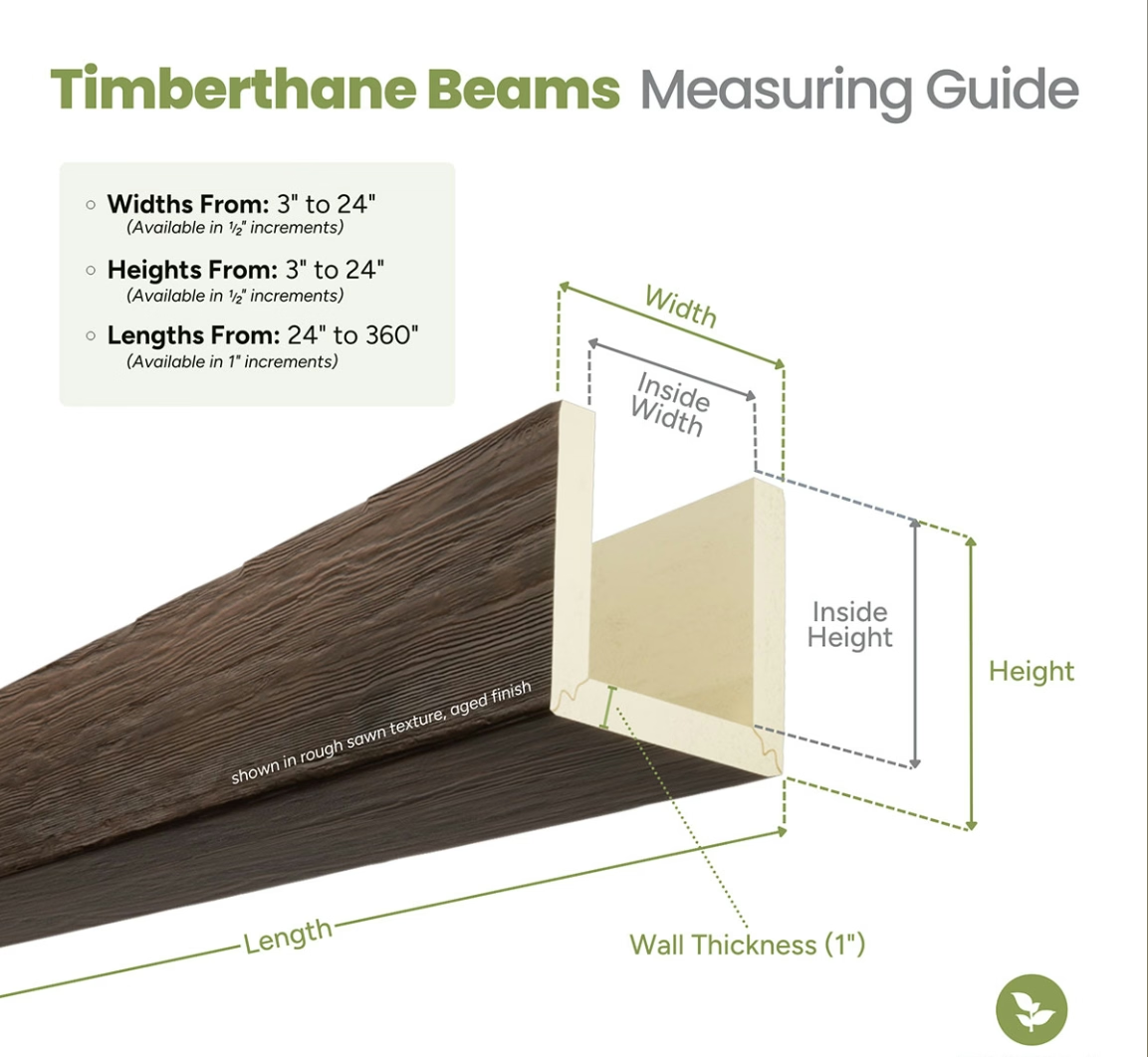
A common starting point is to size the beam width at roughly one-third to one-half of the ceiling height, with depth matching or slightly exceeding width. A room with a 2.7-meter ceiling might use a 200-millimeter wide beam, while a great room with a 4.5-meter ceiling might call for a 300 to 350-millimeter wide beam. These guidelines adjust based on the room's other proportions and the statement the designer wants to make.
Length Considerations
The beam should extend beyond the focal point by enough to feel like a deliberate gesture. For a fireplace, the beam typically extends 30 to 60 centimeters past each side of the mantel. For a dining table, the beam matches or slightly exceeds the table length. For a bed, the beam extends past the headboard by similar amounts. In open-plan layouts, beams often run the full width of the room to define the zone comprehensively.
Installation Notes for Decorative Beams
Decorative beam installation is straightforward but benefits from careful planning, particularly when the beam carries lighting or integrates with other architectural details.
Blocking and Mounting Hardware
Mounting points are identified and blocking is installed before the beam goes up. The beam mounts to the blocking with concealed brackets or clips that are hidden once the beam is in place. For beams that carry lighting, electrical rough-in happens before installation, with wiring pulled to the appropriate mounting locations.
Coordination With Ceiling Finishes
Decorative beams typically install after the ceiling is finished. Painters cut in around the beam edges, and finish work proceeds normally. The beam itself usually arrives pre-finished, with no on-site finishing required beyond touch-up at any field-cut locations.
Sample Approval for Color Matching
Decorative beams should always be approved with a finish sample viewed in the actual room lighting. Colors that look perfect in a catalog or showroom can read quite differently under the specific lighting conditions of the destination room. Sample approval eliminates surprises and ensures the finished beam matches the design intent.
A Ceiling That Earns Its Place
Eye-catching decorative beams turn flat ceilings into intentional architectural features. They anchor focal points, frame compositions, and give rooms the kind of overhead confidence that elevates the entire space. For designers and homeowners tired of treating the ceiling as an afterthought, decorative beams offer a practical, beautiful solution that pays back every time the eye looks up.
Technical References
ASTM standards cited in every specification
Test Data
Lab results from internal testing program
Updated 2026
Reviewed against current product specs


