
Modern interiors often lean heavily on clean lines, neutral palettes, and minimal ornamentation. The result can be beautiful, but it can also feel cold. Eye-catching faux wood accent beams address that problem directly. They introduce the warmth and natural texture that purely contemporary finishes lack, without compromising the clean geometry that defines modern design. The balance they create is one of the most useful tools in a modern interior designer's kit.
The Modern Ceiling's Common Weakness
Modern ceilings tend toward the same general treatment: flat planes, recessed lighting, perhaps a subtle reveal or coffer detail. That approach keeps the ceiling from competing with other architectural elements, but it can leave the overhead plane feeling sterile.
The Case for Warmth in Modern Spaces
Warmth doesn't have to mean rustic. A room with white walls, pale stone floors, and large windows can feel elegant and still benefit from the natural warmth that wood provides. Faux wood accent beams bring that warmth to the ceiling without introducing the heavy visual weight of solid timber construction. The beam adds character, introduces a natural material note, and gives the ceiling a focal point that purely modern finishes often lack.
Why Faux Wood Is the Modern-Friendly Choice
Solid timber beams in modern interiors create a tension that doesn't always resolve. The natural variation, weight, and traditional character of real timber can fight the clean geometry of a contemporary space. Faux wood beams offer the same warmth and texture with much tighter quality control, which allows them to integrate with modern design language without compromise. The result is the warmth of wood with the precision of contemporary manufacturing.
Where Modern Accent Beams Earn Their Place
Modern interiors use accent beams differently than traditional spaces. Rather than calling out a single dominant focal point, modern beams often create rhythm, define zones, or introduce a material contrast that the rest of the room relies on for visual interest.
Across Open-Plan Living Spaces
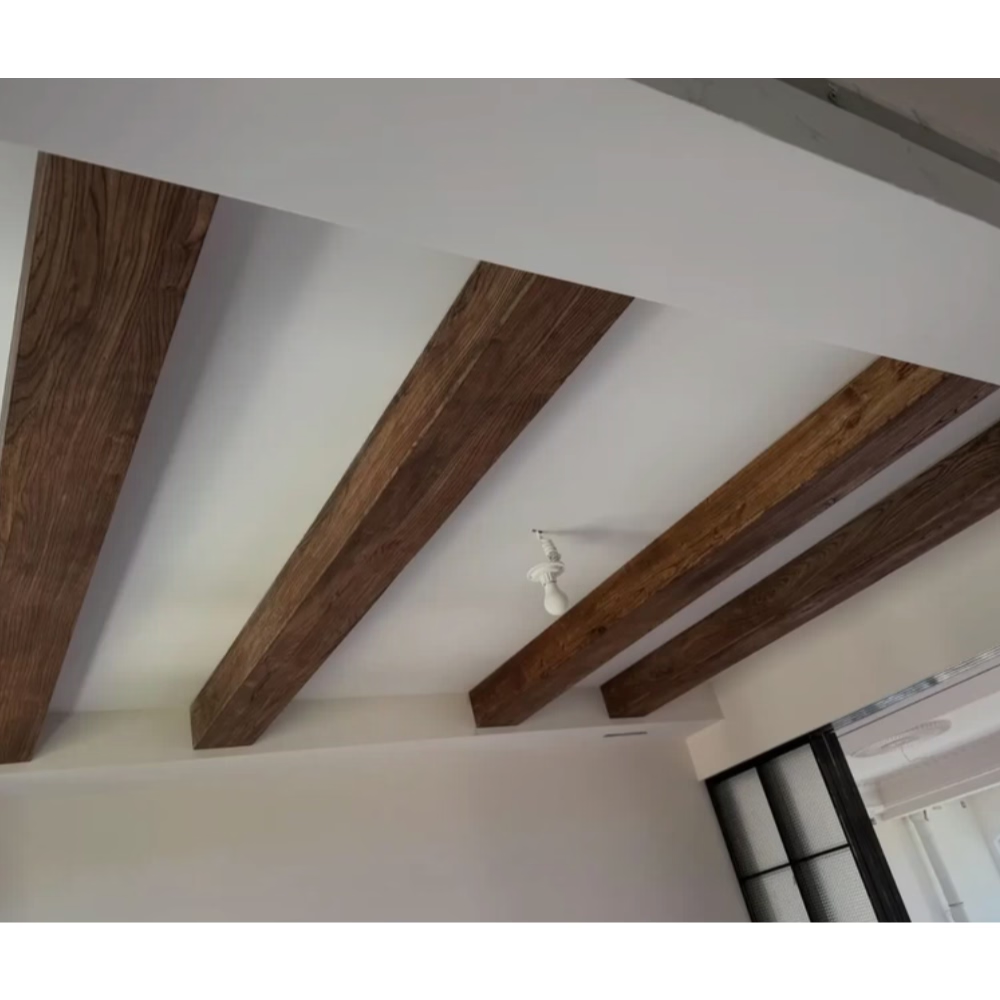
Open-plan living spaces benefit from beams that run parallel to one another at consistent spacing. The beams introduce a rhythm to the ceiling that defines circulation paths and zone boundaries without requiring walls. In modern lofts and apartments with high ceilings, this approach turns a potentially overwhelming volume into something that feels intentional and human-scaled.
Above Kitchen Islands
The kitchen island is the modern home's most consistent focal point, and a beam directly above it signals that importance. In contemporary kitchens with flat-panel cabinetry, integrated appliances, and minimal hardware, the beam overhead adds the one element of natural texture the space would otherwise lack. Designers often match the beam finish to a nearby wood tone in the cabinetry or furniture for a coordinated feel.
Along Hallways and Circulation Spaces
Modern hallways can feel like corridors in an art gallery: clean, neutral, and somewhat impersonal. A beam running perpendicular to the hallway direction introduces rhythm and breaks up what would otherwise be a long, undifferentiated space. In apartments with long entrance corridors, beams at consistent spacing give visitors a sense of arrival as they move toward the main living space.
Above a Feature Wall or Artwork
Modern interiors frequently feature a single wall of curated artwork, a sculptural element, or a special material installation. A beam above that wall reinforces its importance and gives the eye permission to settle there. The beam and the wall beneath it become a paired composition that anchors the entire room.

Profiles That Work in Modern Settings
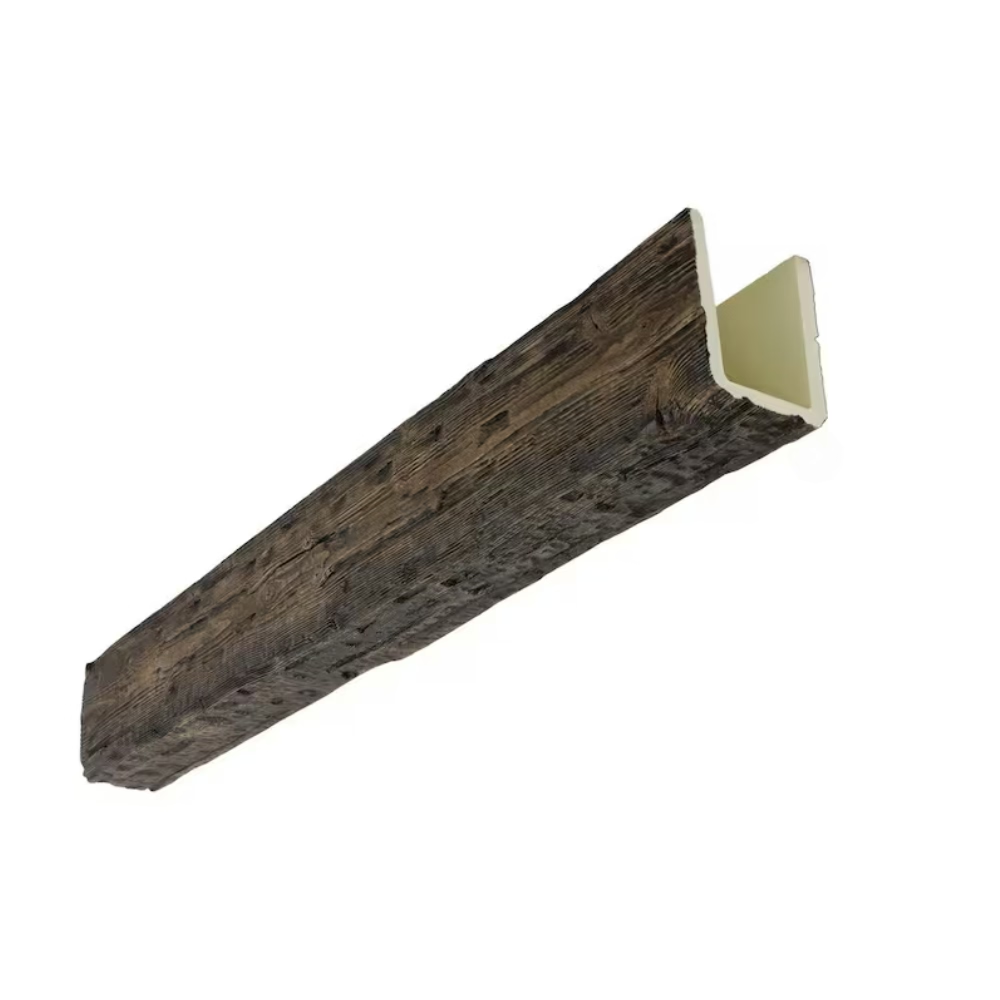
Modern beam profiles tend toward clean lines and minimal surface detail, though there is room for texture when the design calls for it.
Smooth-Planed Profiles for Clean Geometry
Smooth-planed profiles with crisp edges and uniform texture fit modern interiors perfectly. They read as architectural elements rather than decorative features, providing warmth without ornamentation. These profiles work in minimalist, contemporary, and Scandinavian-inspired spaces where the design language depends on clean geometry and restrained material palettes.
Wire-Brushed Profiles for Soft Texture
Wire-brushed profiles retain the clean lines of smooth-planed beams while adding subtle surface texture. The brushing creates fine parallel lines that catch light and add visual interest without breaking the modern aesthetic. Wire-brushed profiles are particularly effective in warm modern and modern farmhouse interiors where the design language bridges contemporary and traditional.
Lightly Distressed Profiles for Character
Lightly distressed profiles introduce subtle irregularities that give the beam character without making it feel rustic. Small knots, gentle weathering effects, and minor surface variations make the beam feel like authentic timber that has been carefully finished. These profiles work in modern interiors with a stronger emphasis on natural materials and organic textures.
Finish Choices for Modern Warmth
The finish of a modern faux wood beam determines whether it integrates with the design or stands apart from it. Both approaches can work, depending on the room's other finishes.
Pale Oak and Natural Ash Finishes
Pale oak, natural ash, and similar light-tone finishes bring warmth to modern interiors without darkening the overall palette. These finishes pair beautifully with white ceilings, pale walls, and light stone or concrete floors. They are particularly effective in Scandinavian, coastal, and contemporary interiors where the design depends on bright natural light and soft tonal variations.
Mid-Tone Walnut and Warm Brown Finishes
Mid-tone walnut and warm brown finishes give modern ceilings a stronger material presence. The beam becomes a focal point in its own right, providing direction and weight to the overhead composition. These finishes work in transitional modern interiors where the design language bridges contemporary and traditional, and they pair well with leather furniture, brass hardware, and natural stone accents.
Whitewashed and Weathered Finishes
Whitewashed and weathered finishes create a soft driftwood effect that suits coastal, modern farmhouse, and Scandinavian interiors. The beam reads as authentic timber that has been naturally aged by sun and salt air, even when installed in a brand-new space. These finishes pair particularly well with white walls, pale furniture, and natural fiber textiles.
Charcoal and Black Stain Finishes
Charcoal and black stain finishes create a graphic, almost editorial effect when used as ceiling beams. The beam becomes a strong line across a pale ceiling, defining the space with architectural precision. Designers often use dark finishes in modern interiors with high ceilings and strong vertical proportions, where the beam's horizontal line is needed to anchor the volume.
Coordinating With Modern Lighting
Modern interiors rely on layered lighting, and accent beams often carry or coordinate with multiple lighting sources.
Integrated LED Tape
LED tape integrated into the beam profile provides indirect lighting that washes the ceiling above or the wall behind the beam. The effect is subtle and modern, with the beam providing both architectural detail and ambient light. Integrated tape works particularly well in modern interiors where visible fixtures would feel out of place.
Linear Pendants and Track Lighting
Linear pendants and track lighting mounted to the beam provide direct illumination while reinforcing the beam's horizontal line. In modern kitchens, this approach delivers task lighting over the island while introducing a graphic element overhead. In living spaces, linear pendants mounted to a beam provide general illumination with a strong contemporary character.
Recessed Downlights Within the Beam
Recessed downlights integrated into the beam profile provide direct illumination of the space below without visible fixtures. This approach works well in modern interiors with minimalist lighting schemes, where the architectural beam provides visual interest and the recessed lights provide functional illumination.
Sizing and Proportion in Modern Settings
Modern beam proportions tend toward slimmer profiles than traditional or rustic applications. The beam provides direction and texture without dominating the room.
Width Relative to Ceiling Height
Modern beams are often slimmer than their traditional counterparts. A 200-millimeter wide beam might work in a room with a 2.7-meter ceiling, while a 300-millimeter wide beam is appropriate for a great room with a 4.5-meter ceiling. The slimmer proportions keep the beam from feeling heavy in spaces that rely on lightness and airiness.
Length and Spacing
In rooms with multiple beams, spacing becomes critical. Beams running parallel to one another should be spaced at consistent intervals that feel deliberate rather than random. Designers often use spacing equal to the ceiling height divided by a whole number, creating a rhythm that the eye reads as intentional.
Installation Notes for Modern Interiors
Modern interiors demand precision in beam installation. Visible misalignment or uneven spacing breaks the clean geometry that the design depends on.
Laser-Level Alignment
Modern beam installations typically use laser levels or chalk lines to mark mounting points across the entire ceiling before any beam goes up. This ensures consistent spacing and alignment across multiple beams, even in rooms with imperfect ceiling geometry.
Concealed Mounting Hardware
Modern design demands concealed mounting hardware. Visible brackets, screws, and clips break the clean lines that the aesthetic depends on. Most faux beam manufacturers offer concealed mounting systems that hide the hardware inside the beam profile, leaving only the beam itself visible.
Coordination With Other Trades
Modern interiors typically involve close coordination between ceiling, lighting, and finish trades. Electricians rough in lighting before the beams go up, painters finish the ceiling around the mounting area, and flooring contractors complete the floor before scaffold is needed. Good project management sequences these trades so the beam installation proceeds smoothly.
The Warmth That Modern Ceilings Need
Eye-catching faux wood accent beams give modern interiors the natural warmth that purely contemporary finishes often lack. They introduce texture, direction, and material character without compromising the clean geometry that defines the style. For modern designers who want their projects to feel both contemporary and inviting, faux wood accent beams are one of the most effective tools available. The warmth is real, the precision is modern, and the combination is hard to achieve any other way.
Technical References
ASTM standards cited in every specification
Test Data
Lab results from internal testing program
Updated 2026
Reviewed against current product specs


