
Retail display designers have a specific challenge. They need to create environments that feel rich, warm, and intentional, but they also need to be able to change those environments frequently as merchandise rotates and campaigns shift. Eye-catching polyurethane faux timber beams solve that challenge elegantly. They bring the warmth and character of solid wood to show windows and visual merchandising installations, while staying light enough to move and durable enough to handle years of repeated installation cycles.
Why Retail Displays Need Authentic Materials
A retail display is the brand's handshake with the customer. It needs to feel substantial, intentional, and aligned with the merchandise it showcases. Flat, sterile displays undercut the value of the products they feature, while warm, textural displays make even modest products feel considered and important.
The Power of Texture in Visual Merchandising
Texture changes how shoppers perceive a space. Smooth, polished surfaces feel modern and refined. Rough, organic surfaces feel warm and authentic. A display with timber overhead communicates craftsmanship, heritage, and attention to detail before the shopper reads a single word. The right texture sells the merchandise without requiring explanation.
How Beams Define the Display Environment
A beam across a retail display does several things at once. It defines the overhead plane of the display, giving the eye a top boundary that frames the merchandise below. It introduces a material element that contrasts with the typically smooth, neutral finishes of the surrounding architecture. And it provides a mounting point for lighting, signage, and decorative elements that the display depends on.
Why Retail Display Beams Need to Be Faux
Solid timber beams in retail displays create practical problems that faux beams solve.
Weight and Handling
A real timber beam that's light enough to install in a display window may not have the visual weight that the design calls for. A real timber beam with the right proportions is heavy enough that installing it requires rigging, lifting equipment, and often multiple crew members. Retail display schedules rarely allow for that level of installation effort, particularly when displays rotate weekly or monthly.
Frequency of Change
Retail displays are designed to change. Seasonal campaigns, product launches, and merchandising refreshes all require the display environment to evolve. Solid timber beams that take hours to install and remove don't fit that workflow. Faux timber beams install in minutes and remove just as quickly, which makes them practical for any retail environment where displays rotate on a regular schedule.
Damage Tolerance
Display beams get bumped, moved, and stacked during installation changes. Solid timber in those conditions dents, scratches, and chips, particularly at the corners and edges that take the most contact. Faux timber beams tolerate that abuse much better, with surfaces that resist damage and finishes that touch up easily if needed.
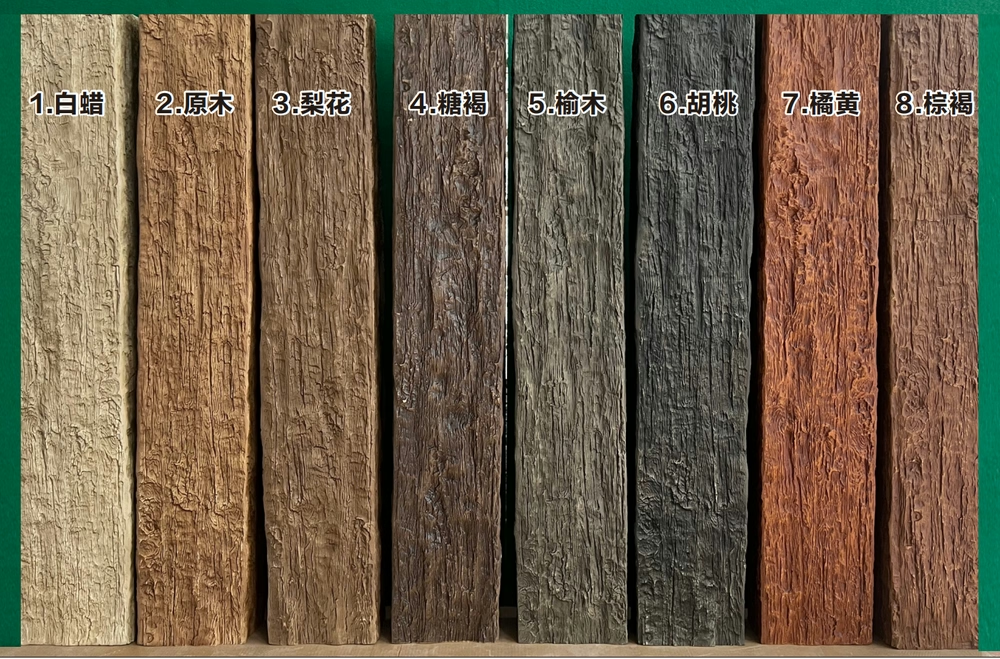
Profile and Finish Choices for Retail Applications
Display beams need to support the merchandise story without competing with it. The profile and finish choices depend on the brand identity and the products being featured.
Profiles for Different Brand Identities
Smooth-planed profiles in pale finishes work in modern, contemporary, and minimalist brand environments. The beam introduces texture and warmth without making a strong traditional statement, which suits brands in technology, beauty, fashion, and lifestyle categories.
Hand-hewn, rough-sawn, and distressed profiles work in heritage, craft, and outdoor brand environments. The beam communicates authenticity and craftsmanship, supporting merchandise stories that emphasize materials, process, and tradition. These profiles pair well with apparel, footwear, home goods, and artisan product lines.
Wire-brushed and lightly textured profiles bridge the two categories, working in brand environments that blend modern and traditional elements. These profiles suit brands that want to feel established but not old, contemporary but not cold.
Finish Tones That Support Merchandise
Pale oak, ash, and whitewashed finishes create a neutral backdrop that lets colorful merchandise pop. These finishes work well for apparel, accessories, and beauty displays where the products themselves are the visual focus.
Mid-tone walnut and warm brown finishes add richness without dominating. They work well for home goods, furniture, and lifestyle displays where the beam and the merchandise share the storytelling role.
Deep mahogany, ebony, and charcoal finishes make a strong statement that elevates luxury merchandise. They work well in jewelry, watch, and high-end apparel displays where the beam overhead signals exclusivity and quality.
Custom finishes matched to a brand's signature palette tie the display directly to the brand identity. Many retailers specify custom-finished beams as part of their permanent visual merchandising toolkit.

Common Display Configurations
Retail display designers use faux timber beams in several recurring configurations, each suited to different types of merchandise and store formats.
Single Beam Overhead
A single beam running horizontally across the display window creates an immediate architectural frame. The beam and the merchandise below it become a paired composition, with the beam providing the overhead anchor and the merchandise providing the focal point. This configuration works well for hero displays that feature a single product category or a seasonal collection.
Multiple Beams in Parallel
Multiple parallel beams across a display create rhythm and a sense of repetition that suits certain merchandise categories. Apparel displays, in particular, benefit from parallel beams that echo the rhythm of clothing racks and provide a consistent overhead element across a long display run.
Beams Arranged as a Grid or Pattern
Some displays use beams arranged in a grid or perpendicular pattern to create a more complex overhead composition. This configuration works in larger display windows and in-store feature areas where the overhead environment needs more architectural detail than a single beam can provide.
Beams Integrated With Props and Set Pieces
Display designers often combine beams with other set pieces like plinths, panels, and decorative screens. The beam overhead ties these elements together into a single composition, providing the architectural element that holds the entire display together. Faux timber works particularly well in these combinations because the beam's finish can be matched to other timber elements in the display.
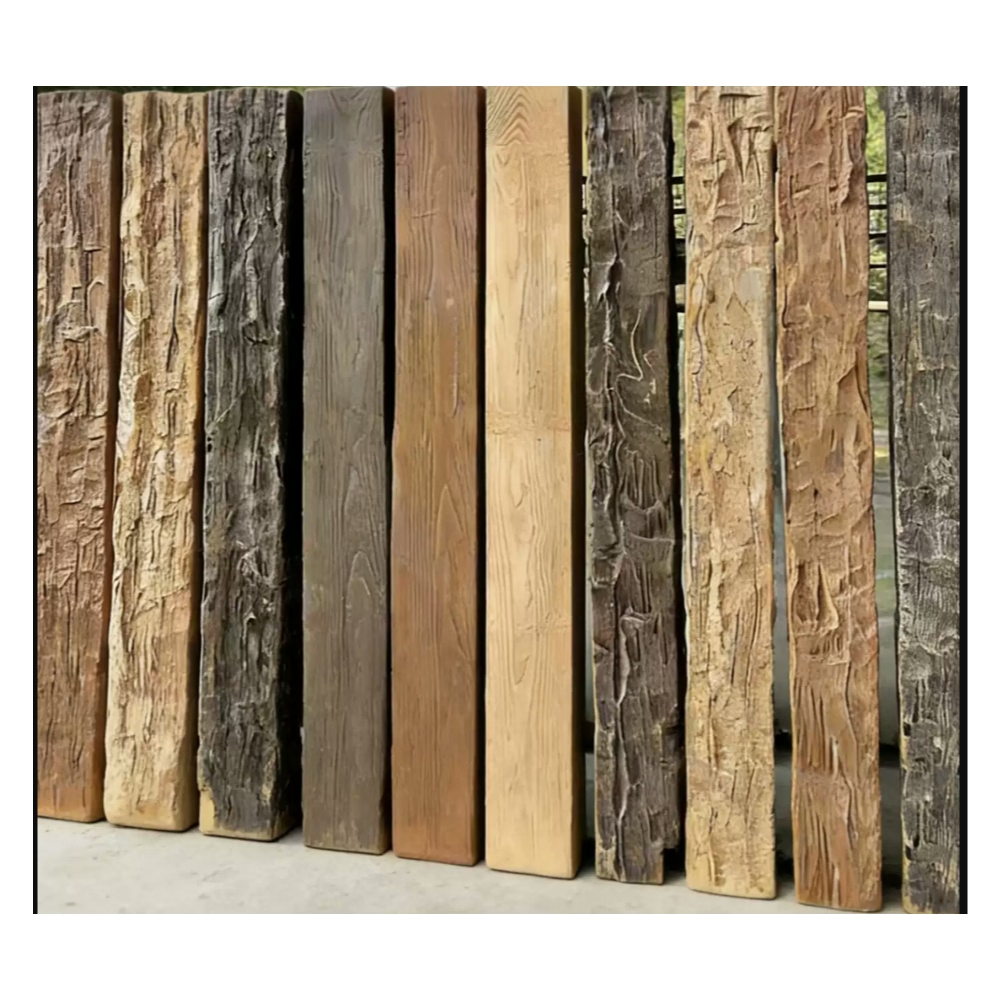
Practical Considerations for Display Beam Installation
Retail display installations run on tight schedules with limited crew time. Faux timber beams support that workflow with quick installation and minimal equipment requirements.
Quick Mounting Systems
Most display faux beams mount with simple brackets, clips, or blocking that install in minutes. The beam then slides into place or secures with a few fasteners. Removal is equally quick, which allows displays to rotate without requiring the display team to disassemble complex mounting hardware each time.
No Surface Damage
Display beams typically mount to removable hardware that doesn't damage the surrounding architecture. This matters in leased retail spaces where the landlord restricts alterations, and it matters in flagship stores where the display area needs to return to its original condition between major installations.
Safe for Customer-Facing Areas
Display beams are often within reach of customers, particularly in display windows that shoppers approach closely. Polyurethane beams in those conditions are safe to touch, won't splinter, and don't have the sharp edges or rough surfaces that some solid timber pieces develop over time.
Coordinating Beams With Lighting and Signage
Retail displays depend on lighting and signage to communicate brand messages. Faux timber beams often carry or coordinate with these elements as part of the display environment.
Integrated Track and Spotlight Mounting
Track lighting and spotlights mounted to display beams provide direct illumination on the merchandise below. The beam becomes the structural support for the lighting, and the lighting reinforces the beam's role as the display's architectural anchor. Designers typically coordinate beam placement with electrical rough-in so the lighting installs cleanly.
Signage and Brand Element Mounting
Brand signage, logos, and promotional messages often mount to display beams. The beam provides a visible, central location that shoppers naturally look at, which makes it an effective position for reinforcing the brand message. Magnetic, clip-on, or hook-and-loop mounting systems allow signage to change without modifying the beam itself.
Color Temperature Coordination
Display lighting color temperature should coordinate with the beam finish. Warm lighting on pale finishes can make the beam look slightly yellow, while cool lighting on deep finishes can wash out the wood tone. Designers typically test combinations in advance to confirm that the lighting and the beam finish work together as intended.
Durability Across Display Cycles
Retail display beams see more handling than any other architectural element in a store. They're installed, removed, stored, reinstalled, and handled repeatedly across years of use. Faux timber beams are designed for that kind of lifecycle.
Surface Durability
Polyurethane beams resist the dents, scratches, and chips that solid timber accumulates in display service. The surface holds up to repeated handling, and minor surface damage can be touched up with minimal effort.
Finish Stability
Display beams are often stored between uses, which exposes them to varying humidity and temperature conditions. Polyurethane finishes tolerate those swings without flaking, peeling, or discoloring. The beam looks the same when it comes out of storage as it did when it went in.
Structural Stability
Repeated installation and removal cycles stress the beam's mounting points and any integrated hardware. Polyurethane beams with concealed reinforcement handle that stress better than solid timber, which can develop cracks at fastener locations after years of repeated use.
A Beam That Works as Hard as the Display
Eye-catching polyurethane faux timber beams give retail display designers the warm, characterful overhead element that brand environments demand, while staying practical for the frequent installation cycles that retail work requires. They look like solid timber, install in minutes, and hold up to years of repeated use. For visual merchandising teams who need display environments that can keep pace with rotating campaigns, faux timber beams are one of the most useful tools in the kit.
Technical References
ASTM standards cited in every specification
Test Data
Lab results from internal testing program
Updated 2026
Reviewed against current product specs


