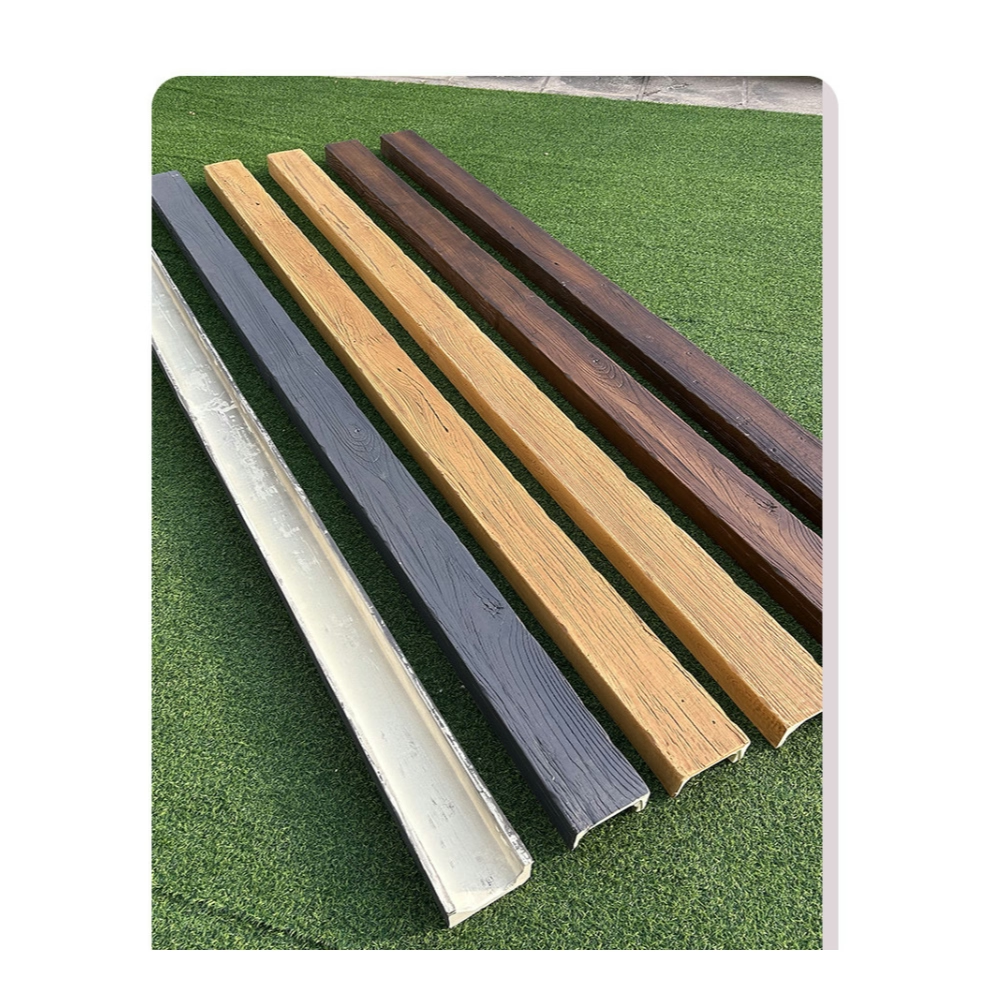
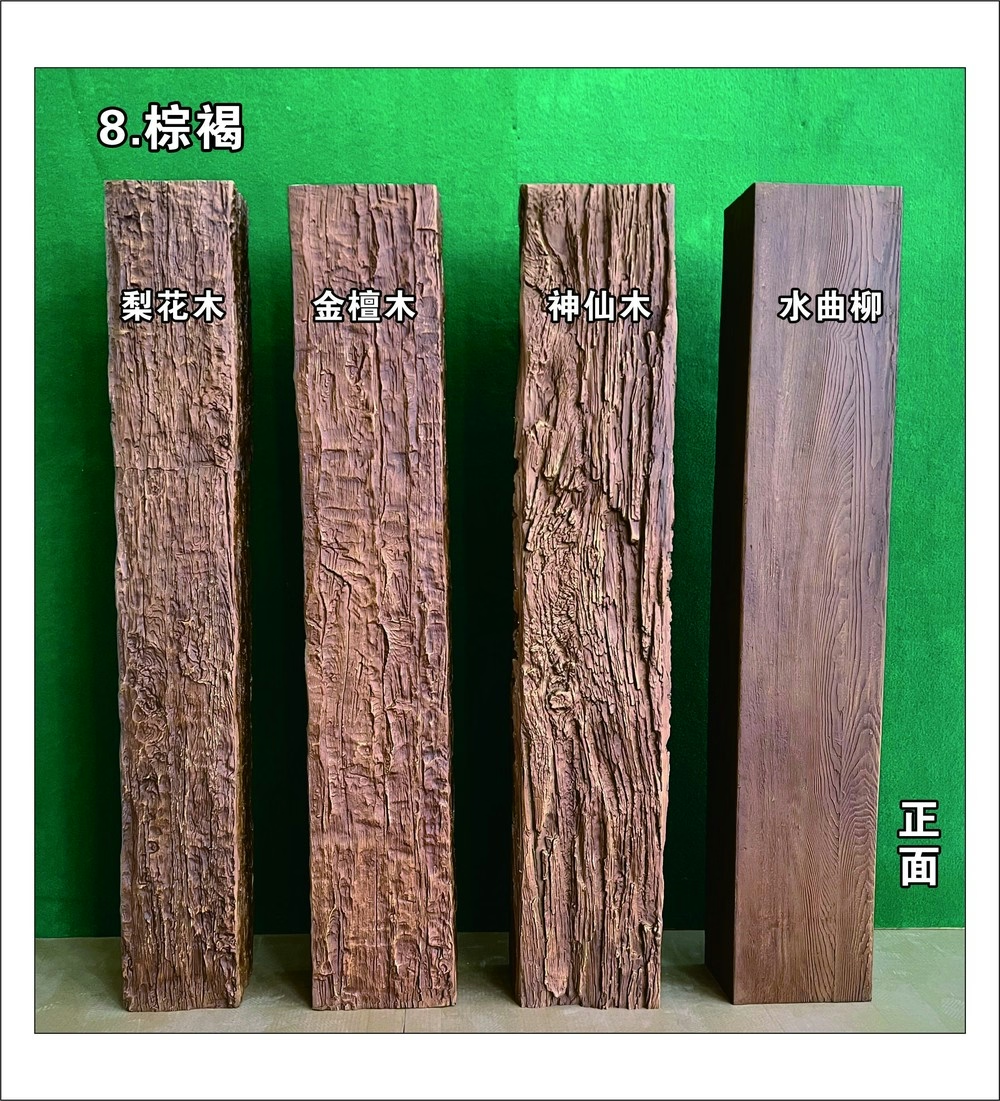
The appeal of a pre-finished polyurethane faux wood beam is not just that it saves time, though that is significant. The appeal is that the beam arrives as a finished product, with the color and protective coating already applied under factory conditions. What the installer mounts is exactly what will be there in ten years, with no surprises about how the finish cures, whether the color matches expectations, or whether the topcoat will hold up.
For projects where the result matters as much as the timeline, pre-finished beams deliver on both fronts. The factory finish is typically more durable and more consistent than what can be achieved on site, and the project timeline is compressed because no finishing labor is needed after installation.
The anatomy of a factory pre-finish
A pre-finished PU faux wood beam has several distinct layers, each contributing to the final appearance and performance. Understanding these layers helps buyers evaluate the quality of different products and make informed comparisons.
The substrate is the polyurethane foam itself. The density and formulation of the foam determine the structural properties of the beam, including its weight, rigidity, and resistance to impact. Higher density foam is more expensive but produces a more durable beam. Lower density foam is cheaper but shows wear faster.
The primer layer is the first coating applied to the foam substrate. The primer seals the foam surface, creates a uniform base for subsequent coatings, and improves adhesion of the color coats. Quality primers include UV inhibitors and mildewcides that extend the life of the finish.
The color coats create the wood appearance. Depending on the finish complexity, this might be a single stain layer or multiple layers including base color, glaze washes, and hand-applied highlights. The color coats are where the beam's character emerges.
The topcoat seals everything beneath it. The topcoat provides UV protection, moisture resistance, and the desired sheen level. Multiple thin topcoats produce better results than a single thick coat. The topcoat is the layer that takes the most abuse over the life of the beam, so quality matters here.
Why factory finishes are more consistent
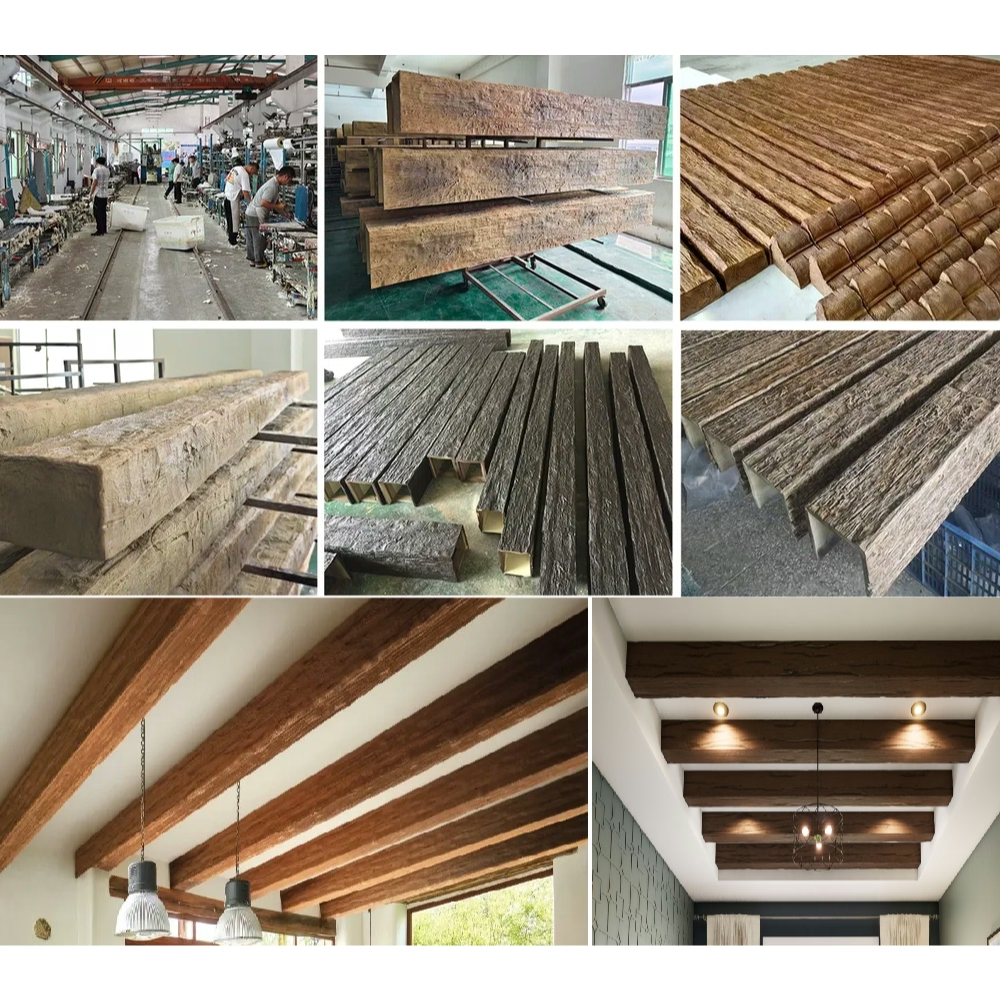
The factory environment provides several advantages that produce more consistent finishes than on-site application can achieve. Temperature is controlled to within a few degrees, allowing the coatings to flow and cure predictably. Humidity is controlled to prevent moisture-related defects in the finish. Ventilation is managed to remove fumes and provide clean air for spray application. Lighting is consistent and bright, allowing workers to see and correct imperfections as they apply the finish.
Spray equipment in a factory is also superior to what is typically available on site. Factory spray booths have calibrated air flow, filtered air supply, and proper extraction. Spray guns are cleaned and calibrated regularly. Operators are trained on the specific equipment and coatings. The result is a finish applied with precision that an on-site finisher cannot match.
Workers in a factory also specialize. A worker who applies stain all day, every day, develops skill and speed that a generalist finisher cannot replicate. This specialization produces better results in less time.
Finish options available from the factory
Standard wood tones form the foundation of most factory finish menus. Walnut, oak, cherry, mahogany, and pine are widely available. These finishes are formulated to match popular wood species and provide a traditional appearance.
Weathered and distressed finishes are increasingly popular. Driftwood gray, barnwood, reclaimed timber, and whitewashed oak are common options in this category. These finishes mimic the appearance of aged wood and work well in farmhouse, coastal, and rustic interiors.
Premium multi-tone finishes include hand-applied highlights and specialty effects. These finishes require skilled workers and longer production times but produce a more refined appearance. Pickled, cerused, and limed oak are examples of premium finishes in this category.
Custom finishes are available from most factories but typically require larger minimum orders. The custom finish process involves color matching, sample production, and approval before the production run. The setup cost is real but the result is a finish unique to the project.
How to select the right finish for the space
The finish selection should align with the room's design intent and the other materials in the space. A warm walnut finish pairs well with traditional furniture and warm color palettes. A cool driftwood gray pairs well with modern furniture and cool color palettes. A dark barnwood pairs well with rustic furniture and earthy color palettes.
The lighting conditions matter too. A finish that looks warm under incandescent lighting can look muddy under LED, and a finish that looks subtle under natural light can look flat under artificial light. Requesting a sample and viewing it under the actual lighting conditions of the installation is the best way to avoid surprises.
The scale of the room relative to the beams matters as well. Dark finishes on large beams in a small room can make the room feel smaller. Light finishes on small beams in a large room can make the beams disappear. Selecting the right combination of profile, color, and finish requires attention to scale as well as color.
The installation process for pre-finished beams
The installation process for pre-finished beams is similar to unfinished beams with one significant difference: there is no finishing step. The installer mounts the beam and is done.
Layout and preparation are the same. The installer marks the ceiling, verifies locations, identifies blocking or structural support needs, and gathers the necessary hardware. For most residential projects, this takes an hour or two per room.
Hardware installation is the same. Brackets or hangers are attached to the ceiling at the marked locations. The hardware must be rated for the beam weight and securely fastened to structural members. Improper hardware is the most common cause of beam failure over time.
Beam mounting is the same but with extra care to protect the finish. The installer should wear clean gloves, use padding on any tools that contact the beam, and avoid dragging the beam across rough surfaces. Most pre-finished beams arrive with protective packaging that should be left in place until the beam is being mounted.
Final inspection is the same but with attention to finish quality. Any minor damage from installation should be touched up using the factory-supplied kit. Major damage should be noted and reported before the project proceeds.
Working around pre-finished beams during other trades
Pre-finished beams eliminate the finishing schedule, which means other trades can work in the space immediately after beam installation. Painters can cut in around the beams without waiting for finish coats to cure. Electricians can connect fixtures without worrying about damaging wet finish. Tile setters, flooring installers, and other trades can proceed on their normal schedules.
This scheduling flexibility is one of the most underappreciated advantages of pre-finished beams. On projects with multiple trades, the beam installation is no longer a bottleneck that holds up subsequent work. The project manager can plan the schedule with confidence, knowing that the beam trade will complete in a predictable timeframe.
For residential projects where the homeowner is living in the space during renovation, this flexibility is even more valuable. The homeowner can remain in the home with minimal disruption, and the room containing the beams can return to normal use within hours of beam installation rather than days.

Quality control at receipt
Inspecting pre-finished beams at receipt is the buyer's opportunity to identify any defects before installation. The cost of identifying and addressing a defect before installation is much lower than the cost of identifying and addressing it after installation.
Color consistency should be checked by laying the beams side by side in good lighting. Variation between beams is normal and expected. Variation that is jarring or obvious indicates a production issue.
Finish quality should be checked by examining each beam under bright light. Look for runs, sags, orange peel, dust inclusions, and holidays. Look for sheen variations between sections of the same beam. Look for any areas where the color appears thin or uneven.
Physical condition should be checked by examining the entire surface of each beam. Look for dents, scratches, cracks, and chips. Pay special attention to corners and edges, which are most vulnerable to shipping damage.
Documentation of any defects should be created immediately, with photographs and written descriptions. The factory should be notified within the timeframe specified in the purchase agreement. Most factories respond quickly to defect reports when documentation is clear.
Touch-up and maintenance considerations
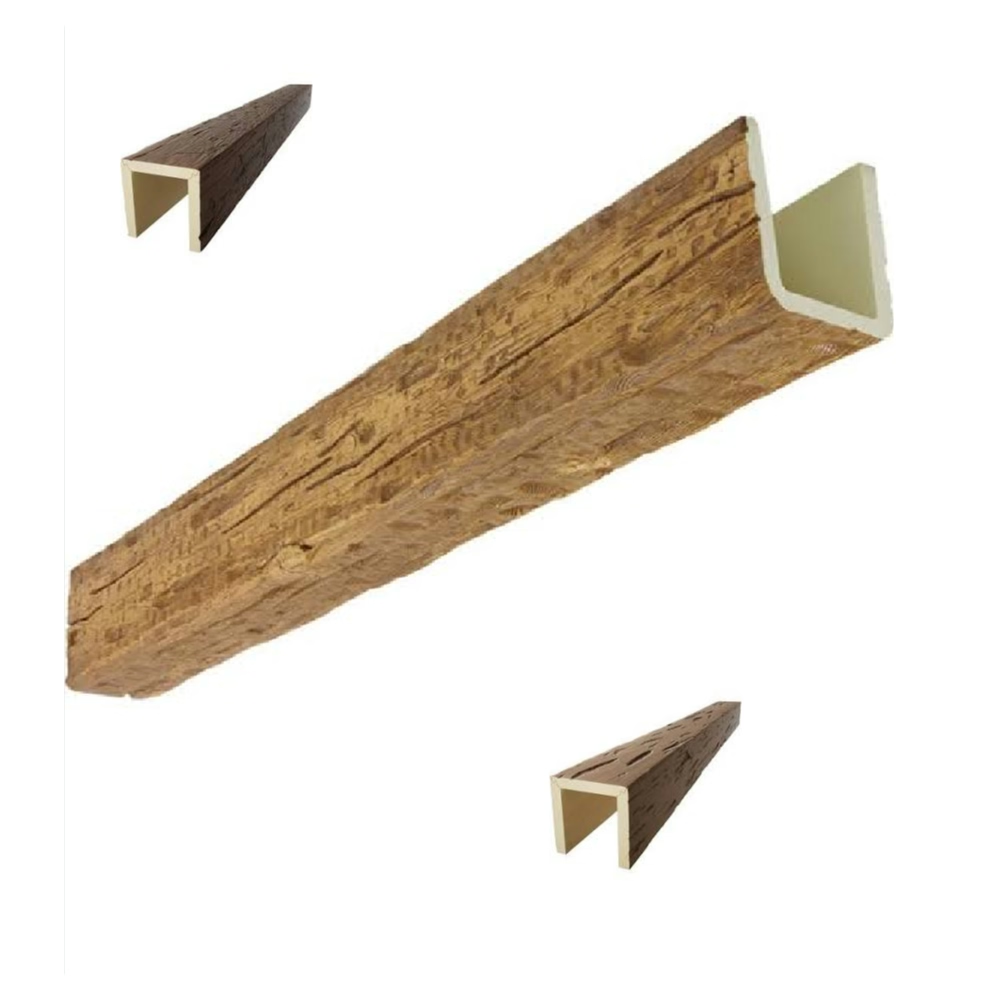
Every pre-finished beam should arrive with a touch-up kit from the factory. The kit typically includes a small bottle of stain, a small bottle of topcoat, and applicators designed for minor repairs. The buyer should store the kit with the project records so it is available if touch-up is needed later.
Touch-up is appropriate for minor damage that occurs during installation or over the life of the beam. The touch-up should be applied sparingly and blended into the surrounding finish. Significant damage should not be touched up because the result will be obvious and unsightly. Significant damage usually requires replacement.
Maintenance of pre-finished beams is minimal. Dusting with a soft cloth is usually sufficient. Spills should be wiped up promptly. Direct sunlight should be minimized where possible to prevent UV degradation over years.
Avoid using harsh chemicals or abrasive cleaners on pre-finished beams. These products can damage the topcoat and expose the underlying color coat. If a cleaning product is necessary, the factory should be consulted about appropriate options.
Long-term value of pre-finished beams
The long-term value of pre-finished beams comes from their durability and consistency. A quality factory finish applied under controlled conditions with commercial-grade coatings will last longer than an on-site finish in most environments. The reduced need for refinishing or replacement over the life of the beam contributes to the total value.
The aesthetic value is also significant. Pre-finished beams look more refined because the finish is more refined. The color is more consistent across beams, the sheen is more uniform, and the surface is smoother. These visual qualities contribute to the perceived quality of the entire space.
The resale value of a home with pre-finished faux beams is influenced by the finish quality. A home with beams that look new and well-maintained years after installation will impress potential buyers more than a home with beams that show wear or finish failure.
For commercial properties, the long-term value is even more pronounced. A restaurant or hotel with beams that look good after years of use reduces the maintenance budget and minimizes disruption to operations. The investment in quality pre-finishing pays back over the life of the business.
When pre-finished is the obvious choice
New construction projects are almost always good candidates for pre-finished beams. The home is unoccupied, the trades are scheduled in sequence, and the project timeline benefits from the elimination of finishing delays. Pre-finished is the default choice for most new construction.
Major renovations are usually good candidates too. Even when the home is occupied, the disruption of pre-finished beam installation is much less than the disruption of on-site finishing. The homeowner can usually remain in the home during pre-finished beam installation.
Commercial buildouts are also good candidates. Restaurants, retail stores, hotels, and offices benefit from the predictable timeline and consistent finish that pre-finished beams provide. The faster opening date enabled by pre-finished installation can have meaningful financial impact.
Custom homes and architect-designed projects benefit from the consistency that pre-finished beams provide. The architect specifies the beam profile and finish, and the factory delivers exactly what was specified. The result matches the design intent more reliably than on-site finishing can achieve.
Pre-finished PU faux wood beams represent the practical, quality-focused choice for modern beam installation. The factory finish quality, project timeline benefits, and long-term performance make them the right answer for most projects. For contractors and homeowners who value both the result and the process, pre-finished beams are the clear winner.
Technical References
ASTM standards cited in every specification
Test Data
Lab results from internal testing program
Updated 2026
Reviewed against current product specs