
Cedar that has weathered for decades takes on a distinctive silver-gray patina that is highly valued in both rustic and contemporary design. The patina develops slowly as UV exposure breaks down the surface lignin and exposes the lighter cellulose beneath. The result is a soft, silvery color with subtle variations that no paint or stain can fully replicate.
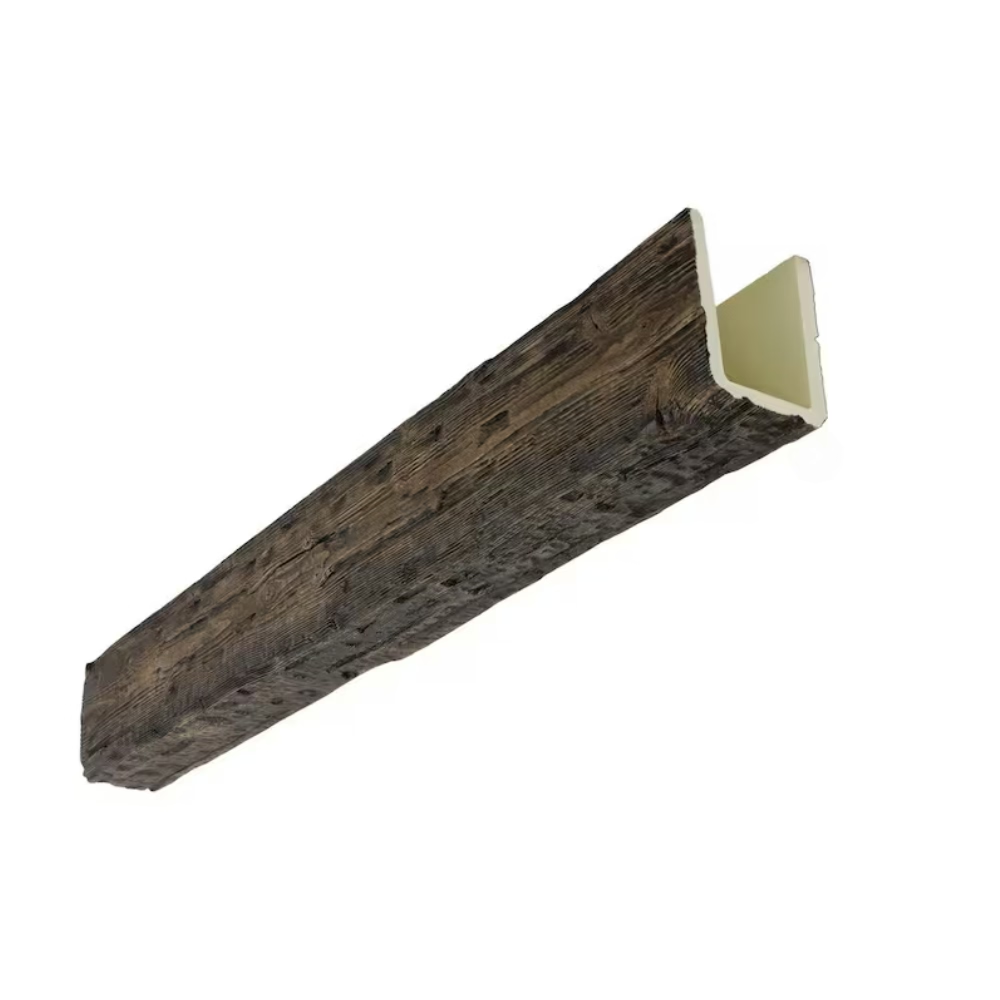
Faded weathered cedar polyurethane faux beams capture this aesthetic without requiring actual decades of weathering. The factory applies a multi-step finish that mimics the silver-gray patina, the subtle color variations, and the surface character of naturally aged cedar. The result is a beam that looks like it has weathered for fifty years, freshly installed in a new construction project.
This finish works equally well in interior and exterior applications, making it a versatile choice for projects that bridge indoor and outdoor spaces. A covered patio with weathered cedar beams that visually connect to an interior great room with matching beams creates a seamless transition between the spaces.
What makes faded cedar look distinctive
The silver-gray color is the most obvious characteristic, but it is not the only one. Real weathered cedar also has subtle warm undertones that peek through the gray in places. The grain pattern remains visible but is softened by the weathering process. The surface texture is slightly rough, with raised grain that catches light differently across the beam.
Color variation is significant in real weathered cedar. Some areas are more silver, others more gray, and some retain hints of the original cedar tone. The variation is not random but follows the grain pattern and the exposure history of the wood. A factory finish that captures this variation looks more authentic than one that applies a uniform gray color.
The patina also has a slight depth that flat colors cannot achieve. The surface has lighter areas where the weathering has been more intense and darker areas where the original wood is still partially visible. This depth is what gives weathered cedar its characteristic visual richness.
How factory finishes replicate weathered cedar
The factory finish for weathered cedar typically involves multiple steps applied in sequence. A base stain establishes the gray tone, with variations created by selective application or by mixing multiple stain colors. A glaze wash settles into the grain recesses, darkening the low points and emphasizing the grain pattern. Hand-applied highlights bring out the warmer undertones in specific areas.
The topcoat protects the finish and affects the final appearance. A matte or satin topcoat looks more natural on weathered cedar than a semi-gloss topcoat. The topcoat might also include UV inhibitors to prevent further color shift over time, especially for exterior applications.
The texture of the beam is important for the weathered cedar look. The grain should be visible and slightly raised, with knots and other natural features that show through the finish. A smooth beam with a weathered cedar finish looks artificial; a textured beam with the same finish looks authentic.
Interior applications for faded weathered cedar beams
Modern farmhouse interiors frequently use weathered cedar as a design element. The soft gray tone pairs well with white shiplap walls, light-colored furniture, and natural fiber textiles. A great room ceiling with weathered cedar beams creates a focal point that feels established and timeless.
Coastal and beach house interiors also work well with weathered cedar. The gray tones evoke driftwood, sea foam, and the bleached effects of sun and salt. A covered porch or sunroom ceiling with weathered cedar beams extends the coastal feeling into the architectural structure.
Contemporary interiors sometimes use weathered cedar as a contrast to clean lines and modern materials. The warmth and texture of the weathered wood softens the sometimes cold feel of contemporary design. A single weathered cedar beam across a minimalist ceiling can be a powerful design statement.
Scandinavian-inspired interiors use weathered cedar to add warmth without adding heavy color. The light gray tone fits the Scandinavian palette while the visible grain adds the organic character that Scandinavian design values. Bedrooms, dining rooms, and home offices all benefit from this aesthetic.
Exterior applications for faded weathered cedar beams
Covered porches and patios are the most common exterior applications. The weathered cedar look fits the relaxed outdoor feeling while providing protection from the elements. The beams can span the porch ceiling, frame a ceiling fan, or define different areas of an outdoor living space.
Pergolas and arbors benefit from the weathered cedar look in a different way. Without a ceiling to define the space, the beams create the structure overhead and establish the architectural character. The weathered appearance suggests that the structure has been in place for years, adding a sense of maturity to the landscape.
Outdoor kitchens and dining areas use weathered cedar beams to define the space and provide architectural interest. The beams might support a pergola, frame a ceiling over a grill island, or simply add visual structure to an otherwise open space. The weathered appearance blends with outdoor environments.
Exterior ceilings over entryways and breezeways benefit from the same design considerations as interior ceilings. The weathered cedar look adds character to the transitional space between indoors and outdoors, creating a sense of arrival and welcome.
Material properties of faded weathered cedar PU beams
The polyurethane foam substrate should be rated for the intended application. Interior applications can use standard foam, while exterior applications require foam with UV inhibitors and moisture resistance. The foam density should be appropriate for the beam size and the installation location.
The finish system should be appropriate for the intended application as well. Interior finishes can use standard coatings, while exterior finishes require UV-resistant and moisture-resistant formulations. The factory should be consulted about the appropriate finish system for the specific application.
The texture of the beam affects both the appearance and the durability of the weathered cedar look. A properly textured beam with the weathered cedar finish looks authentic and ages gracefully. A poorly textured beam with the same finish looks artificial and might not wear well over time.
How faded cedar ages compared to fresh cedar
Real fresh cedar has warm reddish-brown tones that gradually fade to silver-gray over years of UV exposure. The transition happens slowly, with the color shifting gradually across many seasons. Real weathered cedar represents the end state of this transition, not an intermediate stage.
Faux faded cedar PU beams capture the end state from the moment of installation. The color does not shift further because the factory finish is stable. This is actually an advantage for projects where the designer wants a specific look that will not change over time.
For exterior applications, the factory finish will eventually show UV effects, but the change is much slower than it would be on real cedar. The factory finish includes UV inhibitors that extend the time before any color shift becomes noticeable. Periodic recoating can restore the original appearance.
For interior applications, the factory finish is essentially stable. No further color shift occurs under normal interior conditions, and the finish maintains its appearance for many years without maintenance.
Design considerations for using faded weathered cedar
The beam profile should be appropriate for the style of the space. Larger profiles like 8-inch by 10-inch work well in rooms with high ceilings and substantial architectural details. Smaller profiles like 4-inch by 6-inch work better in rooms with lower ceilings or more delicate details.
The beam spacing should create the right rhythm across the ceiling. Tightly spaced beams produce a more enclosed, intimate atmosphere. Widely spaced beams produce a more open, expansive feeling. The spacing should be consistent with the architectural style and the room proportions.
The beam direction should reinforce the room geometry. Beams running parallel to the long axis of a room emphasize the length. Beams running perpendicular emphasize the width. Beams in a grid pattern create a more formal, structured feeling.
The finish should coordinate with other elements in the space. Weathered cedar works well with cool color palettes, natural materials, and understated furnishings. The finish can also work as a contrast element in spaces with warm colors or contemporary materials.
Pairing faded cedar with other design elements
White walls and weathered cedar beams create a classic combination that works in many styles. The white provides a clean backdrop that lets the weathered character of the beams show through. This combination is common in modern farmhouse, coastal, and Scandinavian design.
Stone elements pair naturally with weathered cedar. The organic, earthy quality of stone complements the aged, weathered quality of the cedar. Stone fireplaces, stone accent walls, and stone flooring all work well with weathered cedar beams.
Metal elements provide a different kind of contrast. Black iron hardware, brushed nickel fixtures, and aged bronze finishes all work with weathered cedar. The combination of organic wood and manufactured metal creates visual interest and material variety.
Textile elements in natural fibers add warmth and softness to a space with weathered cedar beams. Linen, cotton, jute, and wool all work with the gray tones. Avoid synthetic fibers with high sheen, which can clash with the natural, understated character of the weathered wood.

Installation considerations for faded weathered cedar beams
The installation process is similar to other faux timber beams, with attention to the finish. Weathered cedar beams should be handled with clean gloves to avoid fingerprints on the finished surface. The factory finish is durable but can be damaged by rough handling during installation.
The mounting hardware should be appropriate for the beam weight and the ceiling structure. Standard L-brackets or beam hangers rated for the beam weight are sufficient for most installations. The hardware should be finished in a color that complements the weathered gray of the beams.
Touch-up kits supplied by the factory should be used for any minor damage during installation. The touch-up materials should match the multi-tone weathered cedar finish, including the gray base, the glaze wash, and any hand-applied highlights. Touch-up of weathered cedar finishes requires more skill than solid-color finishes.
Cost considerations for faded weathered cedar beams
The multi-step finish process for weathered cedar costs more than single-tone finishes. The premium reflects the additional labor, the multiple stain colors, and the hand-applied character marks. Premiums typically range from $15 to $40 per beam over single-tone finish pricing.
The texture level also affects cost. Beams with high-quality texture command a premium over smooth beams, and the combination of texture with multi-tone finish produces the most realistic result at the highest cost.
For projects where the weathered cedar look is a key design element, the premium is justified by the visual result. For projects where the beams are background elements, a simpler finish might provide adequate appearance at lower cost.
Sourcing faded weathered cedar beams from the factory
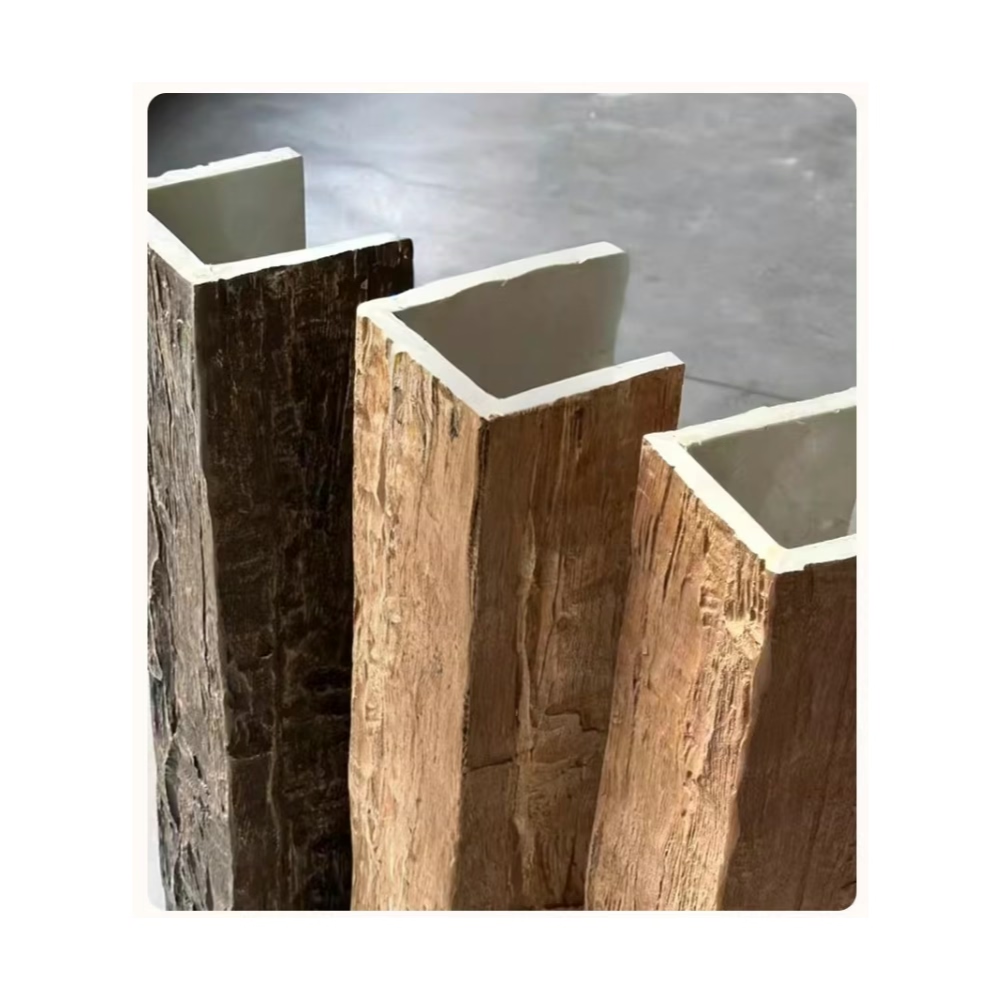
The factory's weathered cedar samples should be evaluated under the lighting conditions of the actual installation. The samples should show the multi-tone color variation, the glaze wash in the grain recesses, and the hand-applied highlights that create the authentic weathered look.
The factory's quality control for the weathered cedar finish should be evaluated through references and sample evaluation. The finish is complex, and consistent application across an entire order requires skill and attention. A factory with strong quality control produces consistent results; a factory with weak quality control produces noticeable variation.
The factory's experience with exterior applications should be considered for outdoor installations. Not all factories produce exterior-rated weathered cedar finishes, and the requirements for exterior use are different from interior use. The factory should be able to document the exterior rating of the finish.
Faded weathered cedar polyurethane faux beams offer a distinctive aesthetic that works in many design styles and applications. The multi-step factory finish captures the authentic look of naturally aged cedar, while the polyurethane substrate offers the practical benefits of light weight, easy installation, and consistent quality. For projects where the weathered cedar look is desired without waiting decades for natural weathering, faux weathered cedar beams are the practical choice.
Technical References
ASTM standards cited in every specification
Test Data
Lab results from internal testing program
Updated 2026
Reviewed against current product specs


