
Autumn shifts how a room feels before anyone changes a single decorative accessory. The light turns amber, evenings arrive earlier, and spaces that felt airy and cool in July suddenly feel like they want to hold warmth. Faux ceiling beams, particularly in medium to dark wood tones, work beautifully as the architectural anchor for this seasonal shift. They provide the visual weight that autumn styling needs, and they stay in place year-round so the room can transition into winter and back to spring without losing its structural personality.
The Role of Architectural Warmth in Autumn
Autumn interior design leans heavily on texture and warmth rather than pattern or novelty. Wool throws, knit pillows, leather accents, dried botanicals, and candlelight all contribute, but without an architectural element to hold them, these layers can feel scattered. Beams provide that element. They give the eye something to rest on, and they make the seasonal additions feel like they belong rather than arriving out of nowhere.
Polyurethane faux beams offer this warmth without the maintenance concerns of real timber. No seasonal checking, no cracking as humidity drops with the heating system, no fading from the low autumn sun that streams across ceilings at this time of year. They hold their tone steadily, which means the seasonal styling can change around them without ever needing to compensate for the beams themselves.
Choosing Beam Tones for Autumn Palettes
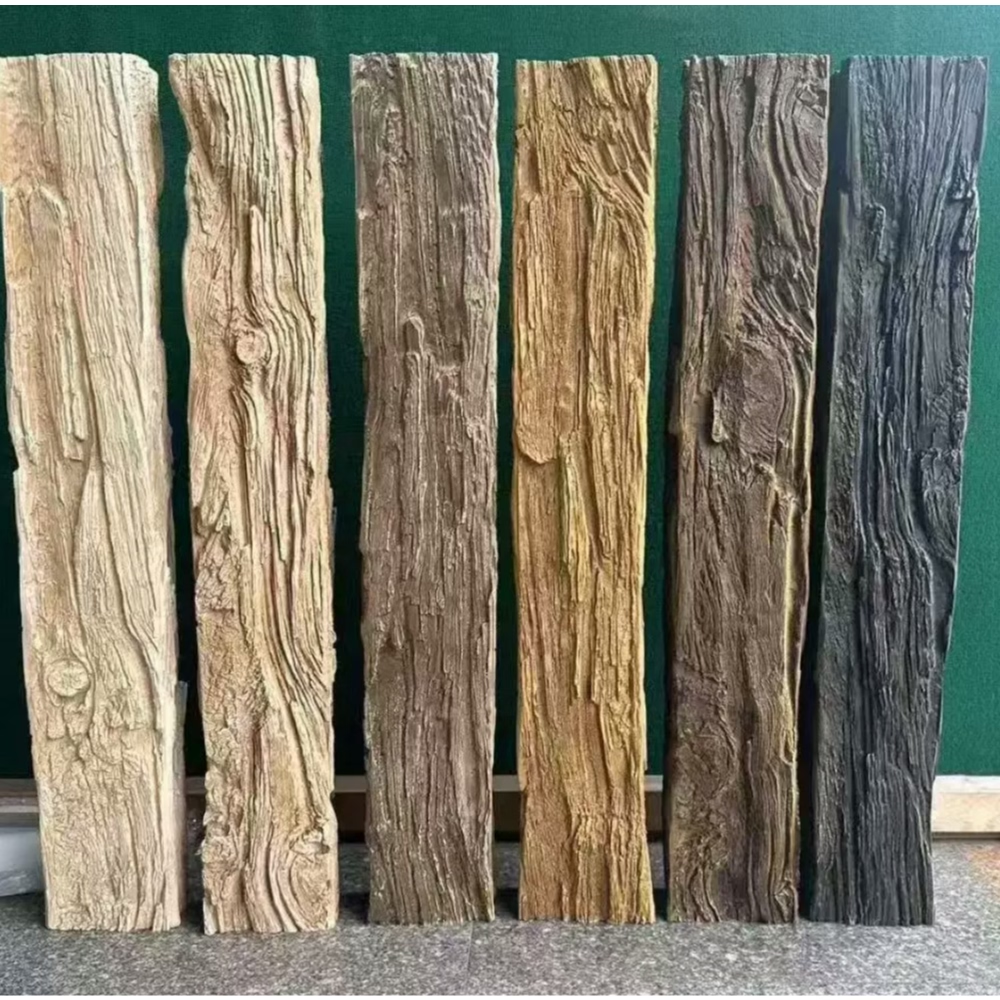
Not every faux beam tone supports autumn styling equally. Honey oak and pale driftwood finishes read as spring or summer colors. They don't disappear in autumn, but they don't contribute to the seasonal mood either. The tones that anchor fall palettes convincingly are warm walnut, aged oak, distressed chestnut, and any finish with notable red, amber, or umber undertones.
If selecting beams with autumn specifically in mind, request manufacturer samples in the warm walnut and chestnut ranges and view them in the actual room at the time of day when you expect to use the space most during fall. Morning light, late afternoon light, and evening lamplight all read these tones differently, and the beam color that flatters the room best is often the one that looks richest under your evening lighting.
Layering Seasonal Textiles Under the Beams
Once the beams are in place, the autumn layers go in beneath them. This is where the styling becomes personal. A neutral room with warm beams can carry almost any autumn palette, from the muted taupes and rusts of a French country approach to the deeper burgundy and forest tones of a traditional American fall. The beams support the choice rather than competing with it.
Throws in chunky knit, velvet pillows in saturated autumn colors, and a wool rug in a warm neutral all work together with the beams to create what designers sometimes call a tonal conversation. The beams provide the deep note, the textiles provide the mid-tones, and the walls and larger furniture provide the lighter supporting harmony. When these layers work together, the room feels intentionally autumnal without feeling like a themed display.
Dried Botanicals and Natural Elements
Autumn styling almost always involves natural materials, and faux beams provide an ideal visual partner for them. Wheat sheaves, eucalyptus bundles, dried hydrangea, pampas grass, and pinecones all read more richly against a warm wood-tone beam than they do against a flat painted ceiling. The beam's wood grain pattern echoes the natural elements without competing with them.
If the design includes a beam-and-floral installation, consider hanging dried botanical clusters directly from the beams at varying heights. This works particularly well in dining areas, entryways, and over kitchen islands. The beams carry the hanging hardware visually, which makes the botanicals feel like part of the architecture rather than temporary decor.
Lighting Strategies for Autumn Evenings
Fall brings shorter days, which means interior lighting carries more of the design load. Faux beams offer a real advantage here because they integrate readily with both surface-mounted and recessed lighting systems. Picture lights aimed up at beam faces, beam-mounted directional fixtures, and pendant lights suspended from beam intersections all create the layered lighting that autumn interiors need.
Warm color temperature lighting, in the 2700K to 3000K range, complements warm-toned beams beautifully. Cooler lighting reads as institutional by contrast. If the room's existing fixtures are cooler in color temperature, swapping bulbs is a simple way to align the lighting with the autumn styling and with the beams themselves.
Candlelight, of course, is the original autumn lighting, and it flatters faux beams more than almost any other architectural element. The flicker of flame or the warm glow of LED candles on a beam, on a mantel beneath a beam, or on a dining table beneath a beamed ceiling creates the kind of layered ambient light that defines the season.
Working With Existing Color Schemes
Homeowners with established color schemes don't need to repaint to bring autumn into a beamed room. The walls, larger furniture pieces, and permanent finishes can stay as they are while textiles, accessories, and lighting do the seasonal work. Faux beams make this easier than painted ceilings because their tonal depth accepts a wider range of accent colors without clashing.
If the existing wall color is cool, lean the autumn textiles toward warm neutrals and rich textures rather than toward saturated colors. Cream and taupe knits, leather in cognac tones, and metallic accents in aged brass all warm up a cool room without requiring any repainting. The beams' warm undertone pulls the cooler wall color into the autumn palette by association.
Transitioning From Fall Into Winter
The advantage of building autumn styling around permanent architectural elements like faux beams is the ease of transition. As fall gives way to winter holidays, the same beams support garlands, evergreen wreaths, and seasonal lighting without requiring any modification. The beams simply continue being what they are while the surrounding decor shifts.
In late winter and early spring, when the seasonal layers come down, the beams remain as the architectural feature that grounded the autumn months. The room returns to a year-round state that is warmer and more grounded than it would be without the beams. This is one of the deeper pleasures of designing with permanent architectural elements rather than purely seasonal decor. The beams give the autumn months a richer stage to play out on, and they continue contributing after the seasonal accessories have been put away.
Practical Considerations for Seasonal Decor
Faux beams accept most seasonal decor without damage. Adhesive clips for hanging garlands and lights, removable hooks for hanging botanical clusters, and seasonal mounting hardware all work on polyurethane surfaces without leaving marks when properly removed. Use adhesive products rated for delicate surfaces and follow removal timing recommendations carefully.
Avoid mounting heavy items to beams without checking their load rating. While faux beams are structurally adequate for their own weight and the small loads of standard decor, hanging heavy items like large chandeliers or substantial planters directly from a faux beam requires proper blocking in the ceiling structure above. Consult with the installer or contractor about load-bearing questions before hanging heavy seasonal items.
For lighting installations that recur seasonally, consider permanent wiring roughed in during the original beam installation. This allows seasonal lighting to be plugged in and unplugged without any annual electrical work, and the wiring disappears into the beam profile where it isn't visible.
Technical References
ASTM standards cited in every specification
Test Data
Lab results from internal testing program
Updated 2026
Reviewed against current product specs


