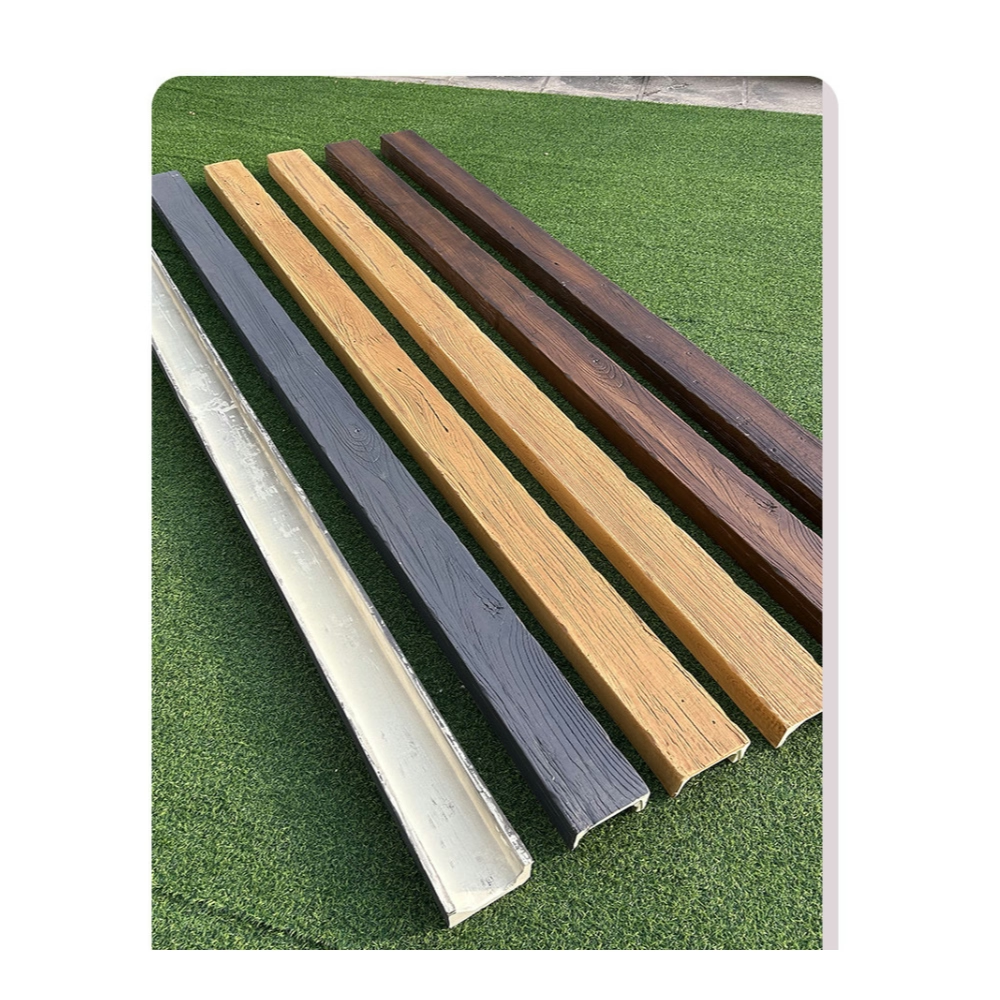
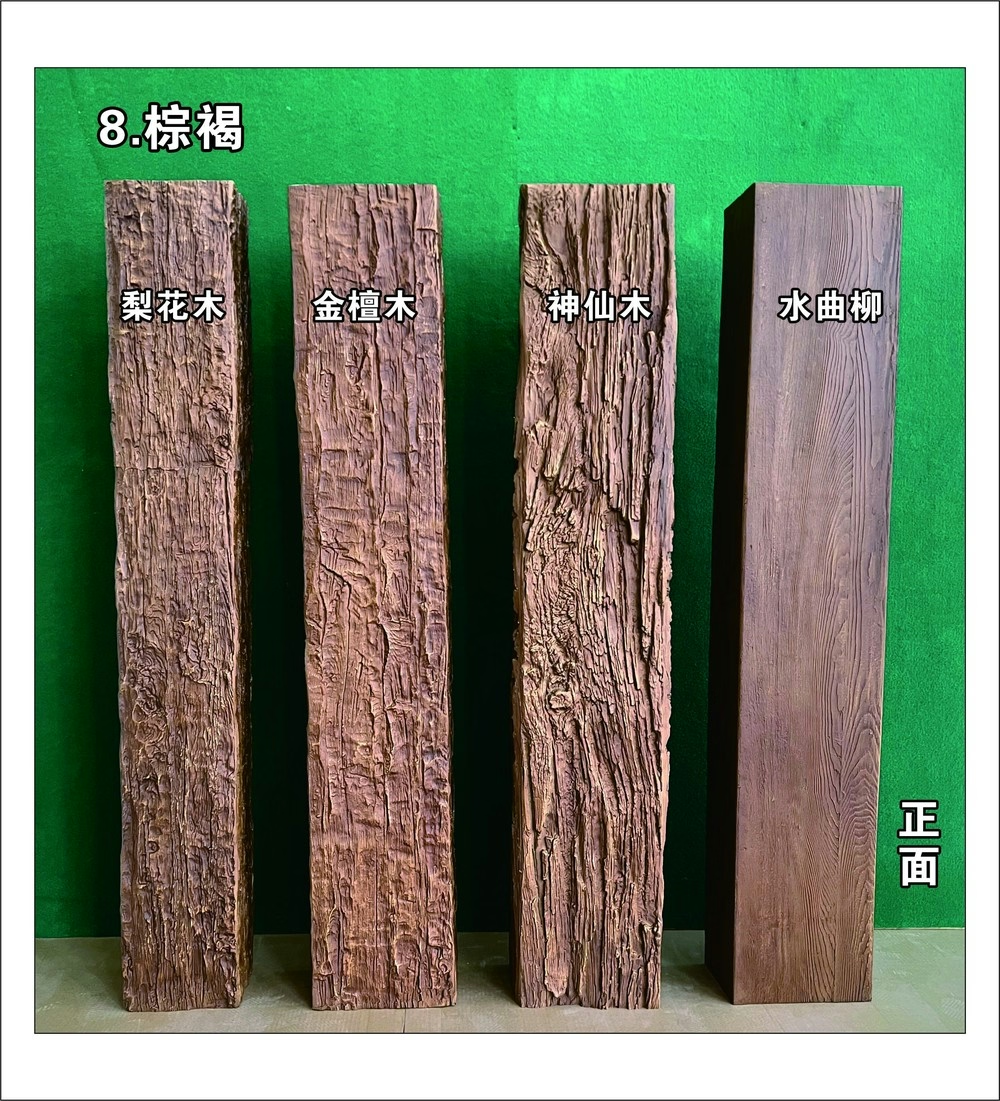
Polyurethane faux wood beams are among the most repaintable architectural elements available. Homeowners and designers routinely refresh their color, change their finish to match a renovation, or customize them with techniques that would be difficult or impossible on real timber. The key to a successful repaint lies in proper surface preparation and product selection rather than in any special limitation of the material itself.
Why Polyurethane Beams Accept Repainting Well
The closed-cell foam structure of polyurethane faux beams provides a stable, dimensionally consistent substrate that doesn't move with humidity the way wood does. Wood expands and contracts with seasonal moisture changes, which causes paint to crack and flake over time. Polyurethane stays put, which means paint applied to it tends to last longer between repaints.
The original factory finish on most polyurethane beams is also designed with repainting in mind. Manufacturers apply a base coat that accepts additional paint layers without adhesion problems. This is different from products designed for single-application finishes, where repainting requires aggressive sanding or chemical etching to get the new paint to bond.
Common Reasons to Repaint
Several scenarios lead homeowners to repaint their faux wood beams. The most common is a room renovation where the existing beam color no longer fits the new design direction. A dining room that was originally styled warm and traditional might be modernized with cooler tones, requiring the beams to shift accordingly. A previously dark beam might be repainted to a lighter tone to brighten a darker room.
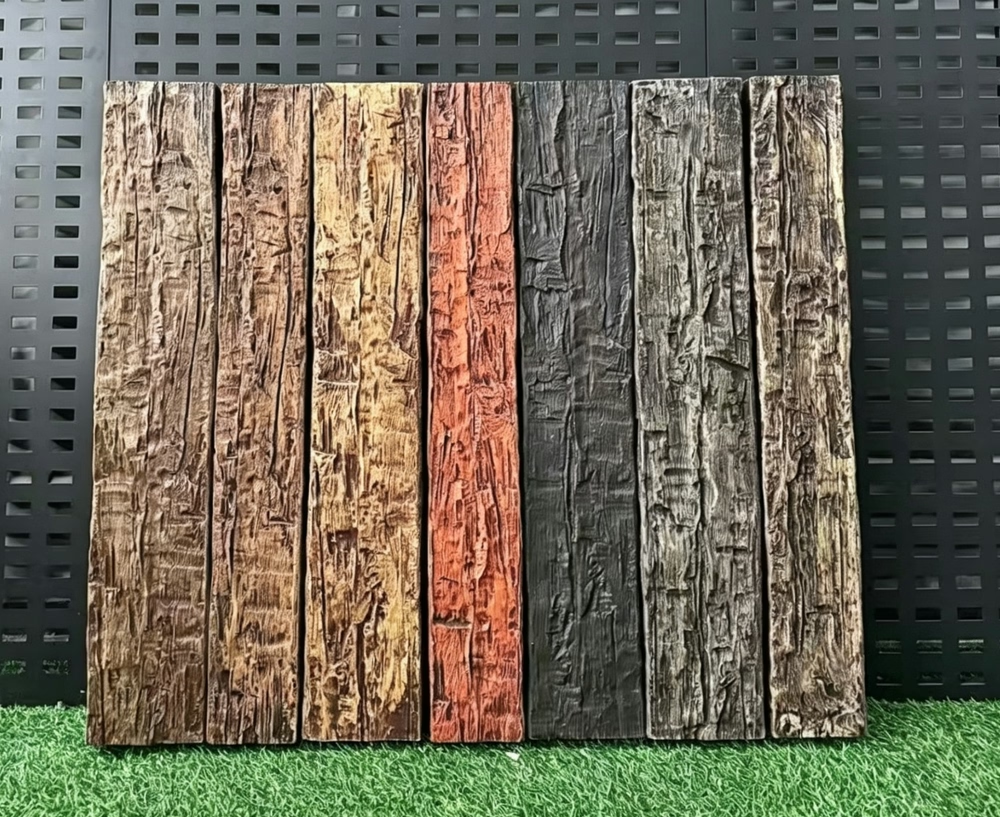
Custom finishing techniques are another common reason. Glazing, dry brushing, color washing, and other decorative painting techniques work beautifully on polyurethane beams because of their consistent surface texture. Designers can create antique effects, weathered patinas, two-tone finishes, or specialty looks that go beyond what the original factory finish offers.
Commercial applications sometimes require repainting to update branding or refresh a venue without replacing all the architectural elements. A hotel that refreshes its color palette every few years can repaint its beams along with the rest of the interior, maintaining consistency at significantly lower cost than replacement.
Surface Preparation for Repainting
Proper preparation is what separates a repaint that lasts from one that fails prematurely. The first step is cleaning. Beams accumulate dust, airborne oils, and sometimes cooking residue over the years, all of which interfere with paint adhesion. A thorough wipe-down with a mild detergent solution removes these contaminants and creates a clean surface for priming.
After cleaning, the surface should be lightly scuffed with fine-grit sandpaper, typically 220 grit or finer. This creates a mechanical profile for the new primer to bond to. It's important not to sand aggressively, which can damage the embossed grain texture or remove too much of the original finish. The goal is just to dull the existing sheen and create tooth for the new paint.
Any existing paint that is peeling, flaking, or bubbling must be removed completely before repainting. These areas indicate adhesion failure, and painting over them just perpetuates the problem. Scrape off the failing paint, sand the edges smooth, and prime the exposed areas separately before applying the full primer coat.
Primer Selection for Repaint Projects
For repainting over an existing factory finish or previous paint job, a high-quality acrylic bonding primer is typically the right choice. These primers are formulated to adhere to a variety of existing finishes, including previously painted polyurethane, without requiring complete removal of the old paint. They provide a uniform base for the new topcoat.
In cases where the existing finish is in poor condition or where a dramatic color change is being made, a stain-blocking primer may be needed to prevent the old color from bleeding through. Stain blockers also seal any tannins or pigments that might otherwise migrate through the new paint layer. For changing from very dark to very light finishes, two coats of stain-blocking primer are often necessary.
Some specialty primers include texture-building properties that can help match the original beam grain pattern. If the existing beams have a deep embossed grain and the primer fills in some of that texture, a texture primer can restore the depth before the topcoat is applied. This is particularly valuable when repainting over multiple old paint layers that may have filled in the original grain detail.
Custom Finishing Techniques
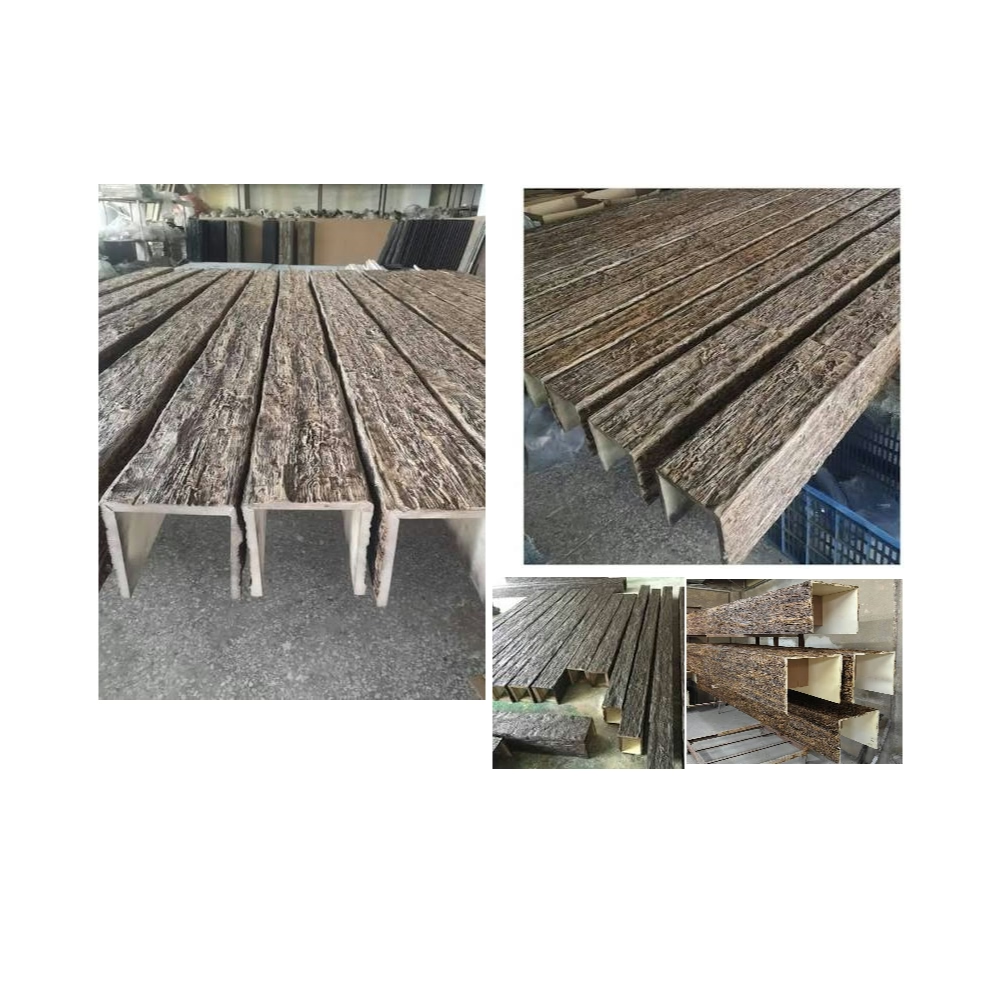
Polyurethane beams are an ideal canvas for decorative finishing techniques because of their consistent surface and stable substrate. Glazing, which involves applying a tinted translucent coat over a base color, creates depth and the appearance of aged or weathered wood. The glaze settles into the grain recesses and wipes off the high points, accentuating the embossed texture.
Dry brushing produces a weathered, limed appearance that works beautifully for coastal and farmhouse interiors. The technique involves loading a brush lightly with paint and removing most of it before dragging the brush across the beam surface. Only the high points of the texture receive paint, producing a subtle highlight effect that looks like natural wear.
Color washing creates a softer, more painterly appearance than solid paint. A base color is applied and allowed to dry, then a second color is applied over it in a thin, uneven coat that allows the base to show through. The result is a layered, organic appearance that hides minor imperfections and creates visual interest without dominating the room.
Choosing Topcoats for Repainted Beams
The topcoat selection depends on the desired final appearance and the environment where the beams are installed. For most interior residential applications, a high-quality acrylic latex in the desired sheen provides excellent results. Matte and eggshell sheens produce a softer architectural appearance, while semi-gloss and gloss sheens are easier to clean and produce more visual emphasis on the beam.
For high-traffic environments or commercial applications, alkyd or oil-based topcoats provide a harder, more durable surface that resists marking. These products require longer drying times and mineral spirits for cleanup, but the resulting finish is significantly more resistant to physical damage. In commercial settings where the beams may be touched frequently, this durability difference matters.
Some designers prefer specialty topcoats with added features like ceramic microspheres for enhanced durability or specific sheen control. These products work well over properly primed polyurethane beams and can provide enhanced performance in challenging environments. The manufacturer of the primer and topcoat should always be consulted for compatibility confirmation.
Working Around Existing Installations
Repainting existing beams requires careful preparation of the surrounding area. Floors, furniture, walls, and any adjacent decorative elements need to be masked or covered to protect from paint splatter and overspray. For spraying applications, the masking area expands considerably because of the fine mist that travels further than brush-applied paint.
If the room cannot be cleared during the repainting, scheduling the work in phases minimizes disruption. One section of beams at a time can be masked, painted, and allowed to dry before moving on. This approach takes longer but allows the space to remain partially usable throughout the project.
Ventilation is important during and after repainting. Most modern paint formulations are low-VOC and safe for occupied spaces with reasonable ventilation, but fresh paint fumes can still be unpleasant. Opening windows and running fans helps dissipate the smell quickly and supports proper drying of the paint film.
Technical References
ASTM standards cited in every specification
Test Data
Lab results from internal testing program
Updated 2026
Reviewed against current product specs