
Rustic farmhouse kitchens occupy a specific place in the spectrum of farmhouse design. They're warmer, more weathered, more textured than modern farmhouse interpretations. The aesthetic suggests a kitchen that's been gathering family for a century or more, with materials that have earned their patina through use rather than decoration. Ceiling beams are central to this look, and they need to carry authentic rustic character rather than the cleaner profiles associated with more refined farmhouse styles.
Defining Characteristics of Rustic Farmhouse Beams
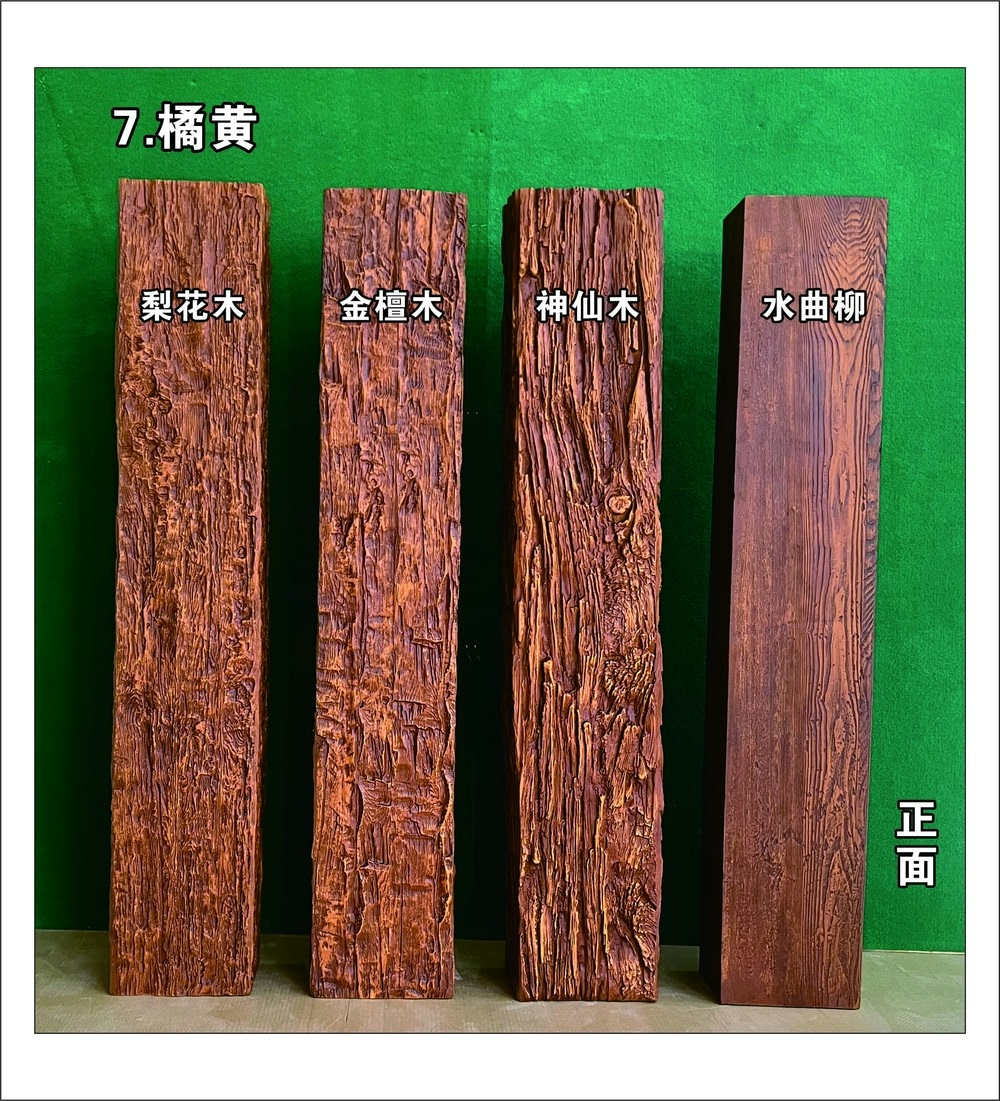
Rustic farmhouse beams typically show more surface irregularity than their modern farmhouse counterparts. Visible saw marks, hand-tool texture, weathering effects, and color variation all contribute to the rustic appearance. The cross-sections may be slightly irregular rather than perfectly square, suggesting timber that was milled or worked by hand rather than precision machined.
The finishes tend toward warm earth tones with significant variation. Deep walnut with darker grain lines, aged oak with golden highlights, reclaimed pine with hints of original paint color, and weathered chestnut with reddish undertones all read as authentic rustic finishes. Pure solid colors without variation look too manufactured for this style.
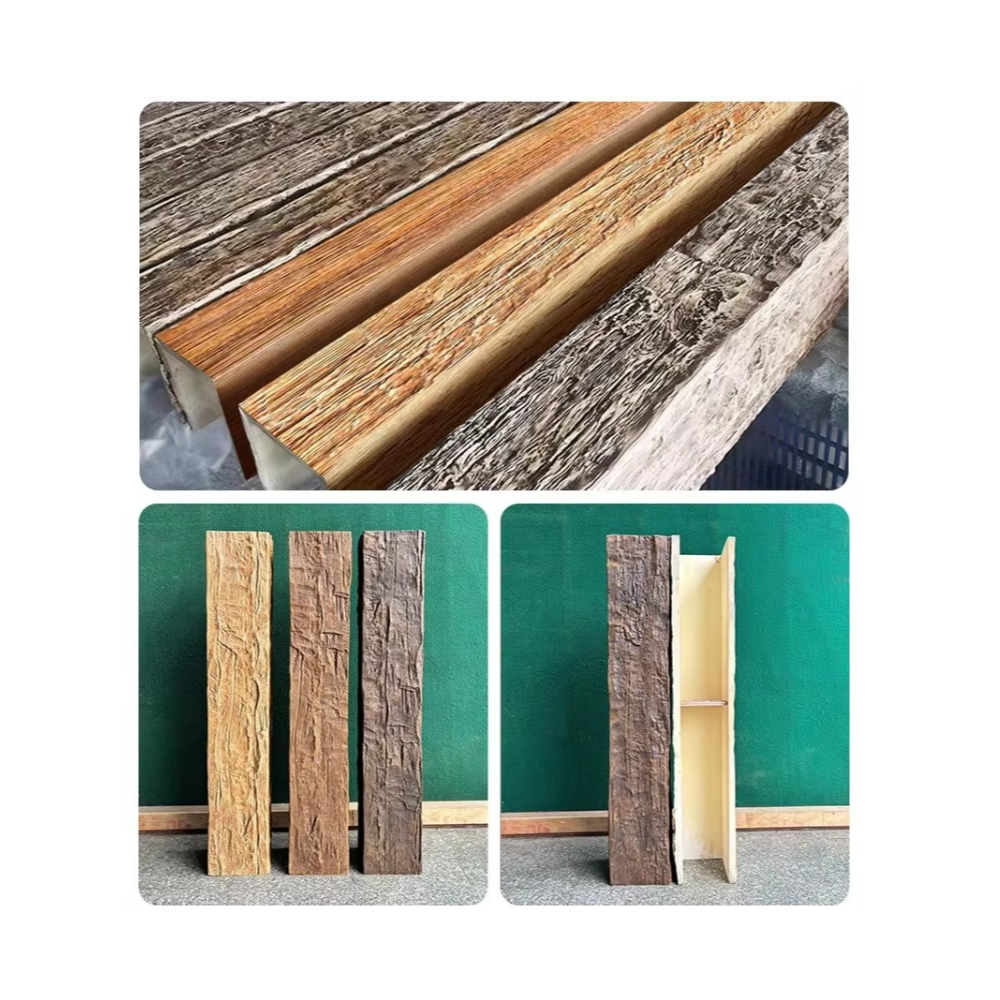
Polyurethane faux beams can be manufactured with all of these characteristics. The key is selecting a product line specifically designed for rustic applications rather than a generic beam that tries to work across multiple styles. Manufacturers with dedicated rustic lines typically have more developed surface textures, more sophisticated multi-tone finishes, and more convincing weathering effects.
Hand-Hewn Profile Details
The most authentic rustic beam profiles mimic the look of timber that was shaped with hand tools rather than milled by machine. Broad axe marks, adze cuts, and the slight irregularity of hand work all contribute to the appearance. Modern faux beam manufacturers replicate these textures through carefully designed molds and additional hand finishing.
The depth of the texture matters. Subtle grain texture reads as refined rustic, suitable for cleaner interpretations of the style. Deeper hand-tool marks produce more dramatic rustic character, appropriate for the most traditional farmhouse designs. The choice depends on the overall design direction of the kitchen and the other materials it's working with.
Surface texture should continue across corners, end caps, and any accessory pieces. A beam with convincing hand-hewn texture on its faces but smooth texture on its end caps looks manufactured. Premium rustic beam lines ensure that all visible surfaces carry the same level of detail, producing an installation where the rustic character is consistent throughout.
Color and Finish Strategies
The most effective rustic beam finishes combine a base color with multiple overlay treatments that produce depth and variation. The base color establishes the overall tone. A glaze or wash applied over the base settles into the texture recesses and darkens them, creating the kind of depth that single-color finishes can't achieve. Highlight tones applied to the high points of the texture create the appearance of natural wear.
For traditional rustic farmhouse kitchens, warm brown tones with red and amber undertones work beautifully. These colors suggest aged hardwood and pair well with the warm neutrals, deep greens, and rich blues common in rustic farmhouse palettes. The beams anchor the warm color family of the room.
For more weathered rustic interpretations, gray-toned finishes with brown undertones produce the appearance of timber aged by decades of exposure. These driftwood tones work in coastal rustic designs and in farmhouse kitchens that incorporate stone, weathered metal, and other materials that suggest natural aging. The gray tones provide contrast against warm wall colors and cabinet finishes.
Layered Aging Effects
The most convincing rustic beams show multiple types of aging working together. Color variation suggests natural weathering across different exposure conditions. Surface texture suggests wear from use and cleaning. Small imperfections like nail holes, checks, and knots suggest the timber was once part of a working structure before being repurposed as a decorative element.
Premium faux beam manufacturers reproduce these layered effects through multi-step finishing processes. Each step adds a specific type of character to the beam, and the combination produces a result that's far more convincing than any single treatment could achieve. Lower-cost beams often skip some of these steps, which is one of the meaningful differences between price tiers.
When evaluating rustic faux beams, look closely at the variation across a single beam. The color should shift subtly along the length and across the faces, with darker areas in some spots and lighter areas in others. The texture should be deepest in some areas and subtler in others, suggesting natural variation in the timber rather than uniform machine processing. This kind of intentional variation is what separates authentic rustic finishes from generic wood-look surfaces.
Pairing With Rustic Kitchen Elements
Rustic farmhouse kitchens combine multiple character-rich materials. Beams need to work with shiplap walls in weathered finishes, with stone or brick backsplashes, with apron-front sinks, with open shelving displaying ironstone and copper, and with hardwood or wide-plank flooring. The beams should feel like part of this material family rather than the only textured element in the room.
The beams typically carry the most prominent horizontal line in the kitchen. This makes them the visual anchor that other horizontal elements relate to. Mantels, floating shelves, window headers, and cabinet tops should all feel like they're participating in the same horizontal rhythm. When these elements align or relate clearly to the beam heights, the kitchen feels composed and intentional.
Color coordination between beams and other wood elements matters in rustic kitchens. The beams, flooring, cabinetry, and any visible shelving don't need to match exactly, but they should share an undertone family. Warm undertones throughout produce a cohesive rustic palette. Mixing warm and cool undertones creates tension that can work in eclectic designs but feels disjointed in traditional rustic styles.
Lighting for Rustic Farmhouse Kitchens
Lighting design in rustic farmhouse kitchens tends toward warm color temperatures and fixtures with character. Iron and aged brass finishes, seeded glass, exposed filament bulbs, and simple shade shapes all work with the rustic beam aesthetic. The fixtures should feel handcrafted or aged rather than sleek and modern.
Recessed lighting between beams provides the functional task lighting that kitchens require. The beams create natural zones for organizing the lighting layout, with each beam bay accommodating one or more fixtures. This produces good work surface illumination without requiring fixtures that compete visually with the rustic beams themselves.
Statement pendant fixtures hung from beams add the kind of visual punctuation that rustic kitchens often feature. A wrought iron pendant over the island, an antique brass schoolhouse fixture over the sink, or a cluster of lanterns over a dining area within the kitchen all create focal points that work with the beams rather than against them.
Material Comparisons for Rustic Applications
The alternative to polyurethane faux beams in rustic farmhouse kitchens is typically reclaimed timber. Reclaimed timber carries genuine character and history, but it also brings practical challenges: weight that requires structural reinforcement, irregular dimensions that complicate installation, potential contaminants from previous uses, and cost that's often several times the faux beam alternative.
Solid new timber offers another alternative, but achieving the rustic look with new timber requires extensive hand finishing or distressing. Even then, new timber lacks the aged character that reclaimed wood carries naturally. The cost of new timber plus the labor to distress it approaches the cost of reclaimed timber without the same authenticity.
Polyurethane faux beams for rustic applications offer the character without the complications. The weight is manageable, the dimensions are consistent, the surfaces are clean, and the cost is accessible. For homeowners who want the rustic farmhouse look without the practical and financial commitments of reclaimed timber, faux beams represent the most practical path to the desired aesthetic.
Technical References
ASTM standards cited in every specification
Test Data
Lab results from internal testing program
Updated 2026
Reviewed against current product specs


