Farmhouse living rooms carry a particular responsibility in the home. They're the gathering space where family and guests settle in for extended conversations, where evenings unfold slowly, and where the architecture should feel welcoming rather than impressive. Ceiling beams are central to achieving this quality. They give the room architectural substance without formality, and they suggest a home that's been loved across generations rather than recently decorated.
Living Room Beam Fundamentals
A farmhouse living room ceiling with beams feels fundamentally different from a flat-ceiling equivalent. The beams provide horizontal lines that organize the space, give the eye somewhere to rest, and create a sense of enclosure that flat ceilings struggle to achieve. Even in rooms with relatively high ceilings, beams make the space feel more intimate and grounded.
The most effective living room beam installations work with the room's other architectural elements rather than standing alone. Fireplace mantels, door and window casings, built-in shelving, and flooring transitions all contribute to the architectural conversation. The beams should feel like the senior member of this conversation, providing the most prominent horizontal element that the others relate to.
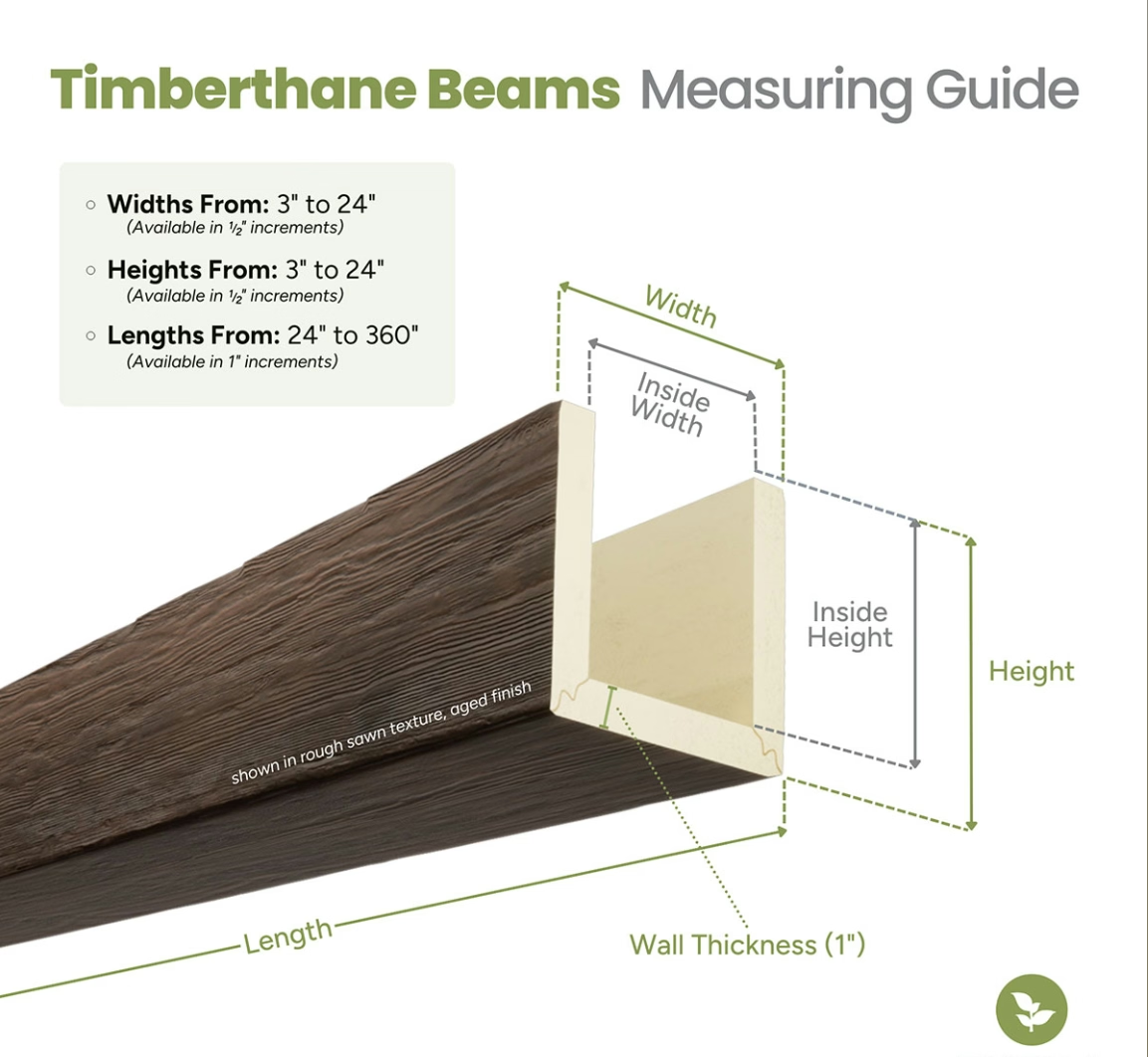
Polyurethane faux wood beams have become the preferred choice for farmhouse living rooms because they deliver the architectural presence without the structural complications. A living room typically can't accommodate the weight of solid timber beams without significant ceiling reinforcement. Faux beams at 1.5 to 4 pounds per linear foot can be mounted to standard residential ceiling construction with standard blocking details.
Beam Patterns That Work in Living Rooms
The simplest and most common pattern is parallel beams running perpendicular to the room's longest dimension. This produces the classic beamed ceiling look that's been associated with farmhouse and country homes for generations. Spacing depends on room size, but 24 to 36 inches between beams typically produces the right rhythm for living room proportions.
For living rooms with significant width, a coffered effect created by crossing beams can add architectural interest. The crossing beams suggest traditional timber-frame construction and create a series of recessed ceiling panels that add depth and shadow to the ceiling. This approach works particularly well in more formal farmhouse living rooms where the ceiling should contribute substantially to the room's character.
In open-plan living areas that flow into kitchens and dining spaces, beams can help define the living room zone without requiring walls. A different beam pattern in the living area, or a beam arrangement that creates a clear rectangular zone over the seating area, helps the space feel organized even when it's open to adjacent rooms.
Sizing Beams for Living Room Proportions
Living room beam proportions matter more than they might in less prominent spaces. Beams that are too small disappear against expansive ceilings and fail to provide the architectural presence the room needs. Beams that are too large overwhelm the space and make the ceiling feel lower than it actually is.
For standard 8 to 9 foot ceilings, beam depths of 5 to 7 inches typically work well. Beams deeper than 7 inches begin to feel oppressive at this ceiling height. For vaulted or higher ceilings, beam depths of 7 to 10 inches allow the beams to read as substantial architectural elements without disappearing in the larger volume.
Beam width typically matches depth or slightly exceeds it. More square cross-sections feel traditional and substantial. Wider, shallower cross-sections feel lighter and more contemporary. The choice depends on the overall design direction of the living room and the other materials it's working with.
Living Room Beam Finish Inspirations
The beam finish should support the living room's overall color palette and material story. Warm walnut tones anchor traditional farmhouse palettes and pair well with leather furniture, wool textiles, and earthy accent colors. Driftwood gray tones work in modern farmhouse and coastal interpretations, pairing with linen, cotton, and cooler accent colors. Honey oak tones feel lighter and more casual, working in bright farmhouse living rooms with white walls and natural fiber rugs.
The finish should also relate to the room's other wood elements. Furniture, flooring, and built-in millwork all carry their own wood tones, and the ceiling beams should feel like they belong to the same family. This doesn't require exact matching, but the undertones should be compatible. A warm walnut beam against a cool gray floor creates tension that can work in eclectic designs but feels unresolved in traditional farmhouse styles.
Layering Living Room Elements Under the Beams
Farmhouse living rooms layer multiple comfort elements under their architectural features. The beams provide the upper anchor for this layering. Below them, the room typically includes substantial seating, soft textiles, a focal point like a fireplace or media area, and personal accessories that accumulate over time.
The beams work best when they don't compete with these layers for attention. A bold beam finish in a room with bold furniture and bold wall treatments creates visual chaos. A more restrained beam finish lets the beams provide architectural structure while allowing the other elements to carry the decorative weight. This is one reason neutral beam tones work in so many farmhouse living rooms: they provide the architecture without dominating the design.
Lighting layered under the beams creates the kind of warm, ambient atmosphere that defines farmhouse living spaces. Table lamps, floor lamps, and fireplace lighting all contribute to this effect. The beams accept wall-mounted fixtures, picture lights, and small directional accents that highlight artwork or architectural features without requiring extensive ceiling work.
Working With Fireplaces and Focal Points
Most farmhouse living rooms have a focal point that anchors the seating arrangement. A fireplace is the most traditional option, and beams work beautifully with fireplace architecture. A beam that aligns with the fireplace mantel creates a continuous horizontal line that ties the two elements together. Beams that cross the room at mantel height feel like part of the fireplace composition even when they're far from it.
For media-focused living rooms where the television is the primary focal point, beams should not compete with the screen. A cleaner beam profile with a more restrained finish works better in these rooms. The beams provide architectural presence without drawing attention away from the viewing area.
Built-in shelving integrated with the room's architecture can work with beams to create comprehensive wall compositions. A beam above a bank of built-ins creates a header effect that frames the shelving and adds visual weight to the wall. This approach works particularly well in farmhouse living rooms with extensive book collections or display areas.
Acoustic Considerations in Living Rooms
Living rooms often need to manage sound for comfortable conversation and media enjoyment. Beams contribute to acoustic comfort through their sound-absorbing qualities. The polyurethane foam material reduces echo and softens the room's overall acoustic character. This benefit is particularly noticeable in living rooms with hard flooring, large windows, and minimal soft furnishings.
For living rooms that double as home theater spaces, the acoustic benefits of beamed ceilings combine well with other acoustic treatments. The beams help reduce the bright reflective quality that hard ceilings produce, creating a more controlled acoustic environment for both conversation and media.
If the living room has particularly challenging acoustics, the beams can be supplemented with acoustic panels, heavy curtains, and area rugs. These additional treatments work with the beams to create an acoustic environment suitable for both conversation-focused and entertainment-focused use of the space.
Furniture Arrangement Under Beams
Living room furniture should relate to the ceiling beams above it. The most successful arrangements position major furniture pieces to align with the beam rhythm rather than fight it. A sofa placed with its back parallel to the beams feels grounded in the architecture. A coffee table aligned with the beam pattern extends the visual conversation between ceiling and floor.
For living rooms with statement furniture pieces that demand attention, simpler beam profiles work better. The architecture should support the furniture rather than compete with it. More elaborate beam profiles work in living rooms with simpler furniture, where the beams need to provide more of the visual interest.
The relationship between ceiling beams and floor rugs also matters. A rug that aligns with the beam pattern extends the horizontal rhythm from ceiling to floor. A rug that ignores the beam pattern creates visual tension that can work in eclectic designs but typically feels unintentional in traditional farmhouse living rooms.
Technical References
ASTM standards cited in every specification
Test Data
Lab results from internal testing program
Updated 2026
Reviewed against current product specs