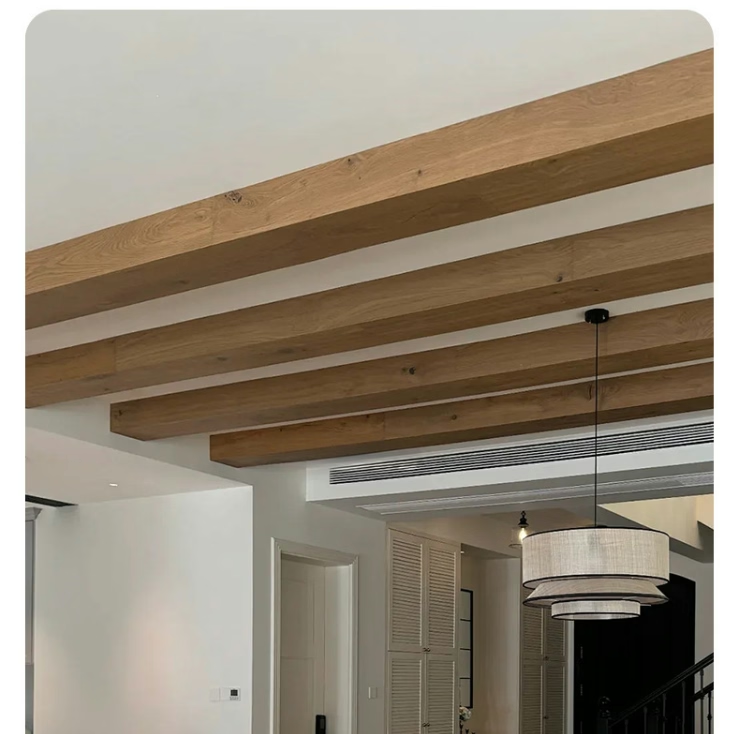
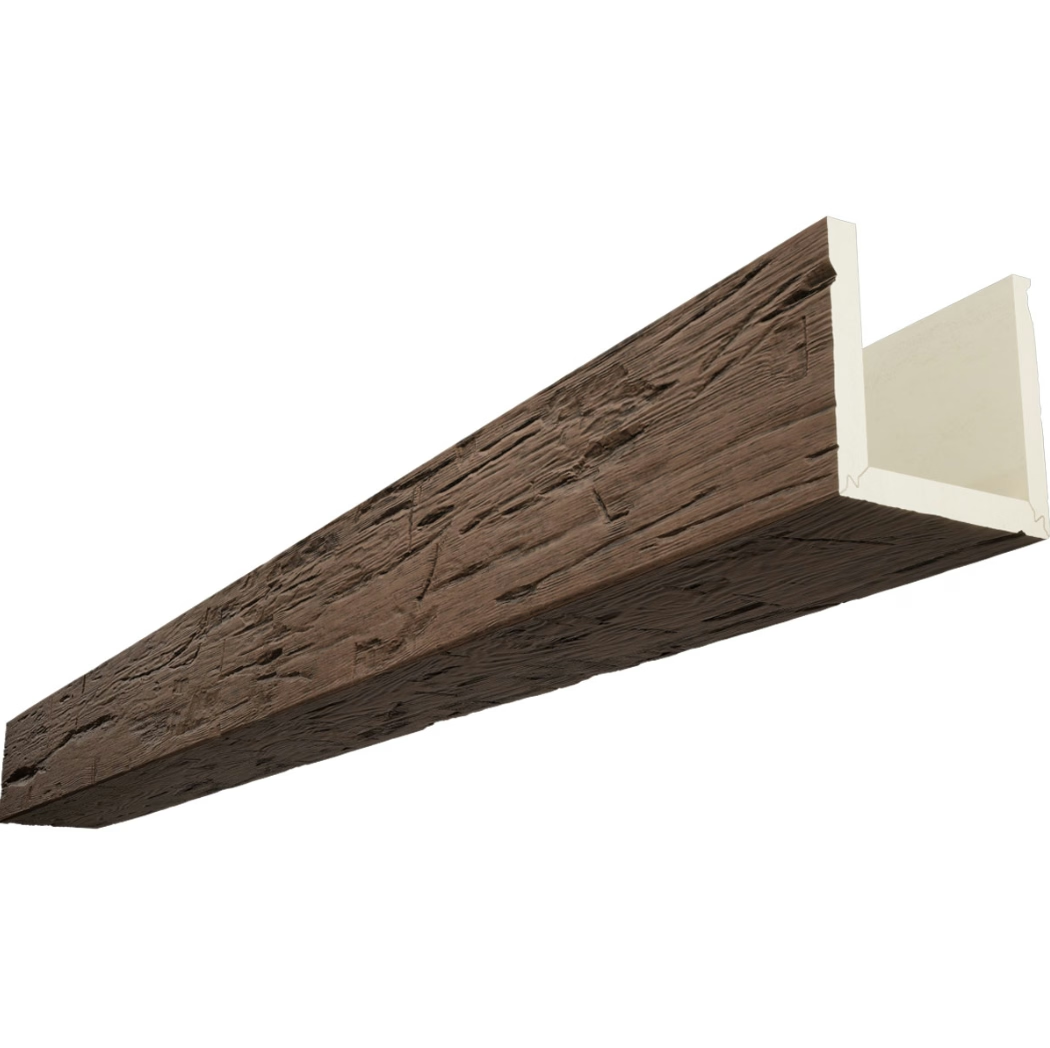
Bulk faux wood ceiling beam orders often involve specifications that go beyond standard catalog items. Custom dimensions, special finishes, project-specific profiles, and unique installation requirements all need to be addressed in the quotation. Getting accurate pricing back quickly requires both clear communication from the buyer and an efficient quotation process from the supplier.
What Makes a Quotation "Fast"
A fast quotation isn't just about responding quickly with any number. It's about providing accurate pricing within a timeline that supports the project's decision-making process. For projects in early planning stages, 24 to 48 hour quotation turnaround is typically fast enough. For projects in active bidding or procurement stages, same-day quotation may be needed.
The speed of a quotation depends on several factors: how clearly the request is documented, how complex the specifications are, how readily the supplier can price the components, and how efficiently the supplier's internal processes work. Buyers who provide clear, complete information receive faster quotations than those who require extensive follow-up to clarify their needs.
Suppliers with established quotation processes, dedicated commercial sales teams, and good internal coordination between sales, engineering, and production typically deliver faster quotations than suppliers who handle quotations as a secondary function of their business. For buyers managing active projects with multiple quotations in progress, supplier responsiveness becomes a meaningful evaluation criterion.
Information Needed for Accurate Quotation
Several pieces of information are typically required for an accurate bulk beam quotation. Beam specifications including cross-section dimensions, length requirements, and any custom profiles are fundamental. Finish specifications including color, texture, and any custom finishing requirements need to be clearly documented.
Quantity requirements affect pricing through volume discounts, production scheduling, and material sourcing. The total number of beams, broken down by size if there are multiple sizes, helps suppliers calculate accurate pricing. Any spare or overage quantities should be specified as well.
Project context helps suppliers provide more useful quotations. The project location affects shipping costs and logistics. The project timeline affects production scheduling. Any special requirements like fire ratings, code compliance documentation, or installation accessories should be mentioned in the initial request.
RFQ Documentation Best Practices
A well-prepared request for quotation includes several standard elements. Project overview describing the application, location, and general scope. Specifications section listing beam quantities, dimensions, finishes, and any special requirements. Timeline section indicating when pricing is needed by and when delivery is required. Commercial terms section indicating preferred payment terms, shipping terms, and any other commercial considerations.
Visual references help suppliers understand the project vision. Photos of the installation space, sketches of the beam layout, or references to similar past projects all help suppliers provide accurate and useful quotations. Even rough sketches convey useful information about beam orientation, spacing, and integration with other architectural elements.
For complex projects, an initial call or meeting to discuss the project before formal quotation may be appropriate. This conversation helps both parties understand the requirements and identify any specification decisions that need to be made before accurate pricing is possible. The time invested in this conversation typically saves time later in the quotation and order process.
Pricing Factors in Custom Beam Orders
Several factors affect the pricing of custom beam orders. Material costs depend on the resin formulation, density, and any specialty additives required for the application. Production costs depend on the complexity of the beam profile, the tooling required, and the production run length.
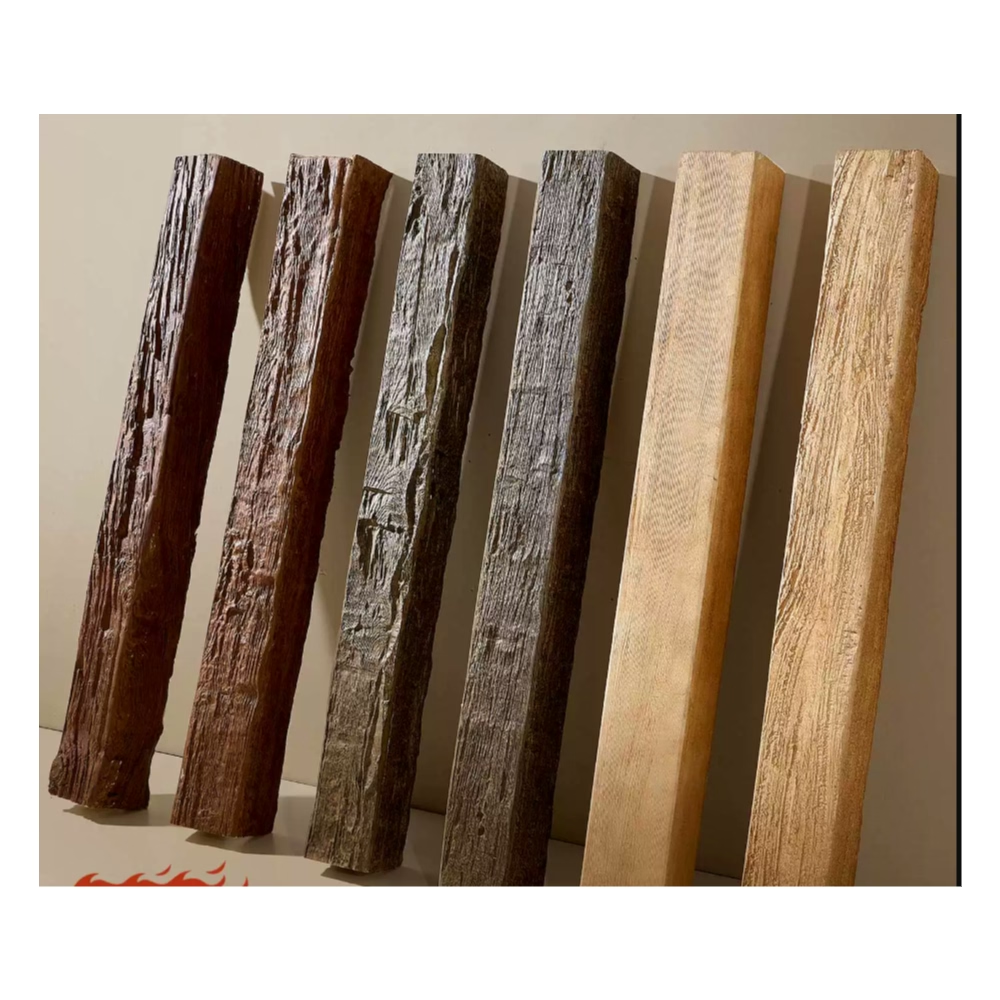
Finishing costs vary significantly based on the finish specification. Standard finishes from existing color libraries are most economical. Custom color matching, multi-tone finishes, and specialty treatments like glazing or weathering add to the finishing cost. The number of finishing steps affects both material costs and labor time.
Tooling costs apply when new molds are required for unique profiles. Some suppliers amortize tooling costs over the production run, while others charge them as separate line items. Understanding how tooling is handled helps buyers evaluate total project costs accurately.
Quotation Format and Detail Levels
Quotations can range from simple unit pricing to detailed breakdowns showing every cost component. For straightforward orders, simple unit pricing with shipping and total may be sufficient. For complex orders, detailed breakdowns help buyers understand what they're paying for and provide transparency for budget management.
Most commercial buyers prefer quotations that show unit costs, quantity discounts, shipping costs, and total project cost separately. This format allows buyers to evaluate the components of the total and identify areas where costs might be optimized. It also facilitates comparison between multiple supplier quotations.
Validity periods on quotations protect both parties from price fluctuations during the decision-making process. Typical validity periods range from 30 to 90 days depending on the supplier and the materials involved. Buyers should confirm the validity period and request extension if the decision-making process requires more time.
Common Quotation Delays and How to Avoid Them
Several common issues cause quotation delays. Incomplete specifications require the supplier to follow up for clarification before pricing can be completed. Buyers can avoid this by providing as much specification detail as possible in the initial request.
Custom features that require engineering evaluation add time to the quotation process. New profiles, unusual dimensions, and specialty finishes may need to be reviewed by engineering or production teams before accurate pricing is possible. Buyers should mention these features prominently so the supplier can route the request appropriately.
Volume pricing decisions sometimes require management approval for large discounts or non-standard pricing terms. For projects with significant volume, the initial quotation may be a preliminary range subject to final approval. Buyers working on large projects should expect this multi-step process and build it into their planning timelines.
Negotiation and Quotation Refinement
Most commercial quotations are starting points for negotiation rather than final prices. Buyers should review quotations carefully, identify areas where they have questions or concerns, and prepare specific negotiation points before responding. Unfocused negotiation attempts typically produce less favorable results than targeted discussions about specific cost components.
Reasonable negotiation focuses on factors that suppliers can actually adjust. Volume, delivery timing, payment terms, and order flexibility all affect supplier costs and pricing. Negotiating on these factors typically produces results. Negotiating on arbitrary discount percentages without underlying justification rarely produces the desired outcome.
For complex projects, a multi-round quotation process is normal. The initial quotation establishes pricing for the base specifications. Subsequent rounds refine pricing as the specifications are finalized. This iterative process typically takes two to four rounds before final pricing is established.
From Quotation to Order
Once a quotation is accepted, the transition to a formal purchase order involves several standard steps. The buyer issues a purchase order referencing the quotation and including any negotiated terms. The supplier acknowledges the purchase order and confirms the specifications, pricing, and delivery terms.
Production scheduling begins after the purchase order is acknowledged. For standard products, production may start within days. For custom products, production scheduling depends on the production queue and the complexity of the order. Lead times for custom orders are typically longer than for standard catalog items.
Deposit payments are usually required before production begins, particularly for custom orders. The deposit amount and timing should be clearly documented in the purchase order. Balance payments are typically due before shipment or against shipping documents, depending on the agreed payment terms.

Technical References
ASTM standards cited in every specification
Test Data
Lab results from internal testing program
Updated 2026
Reviewed against current product specs