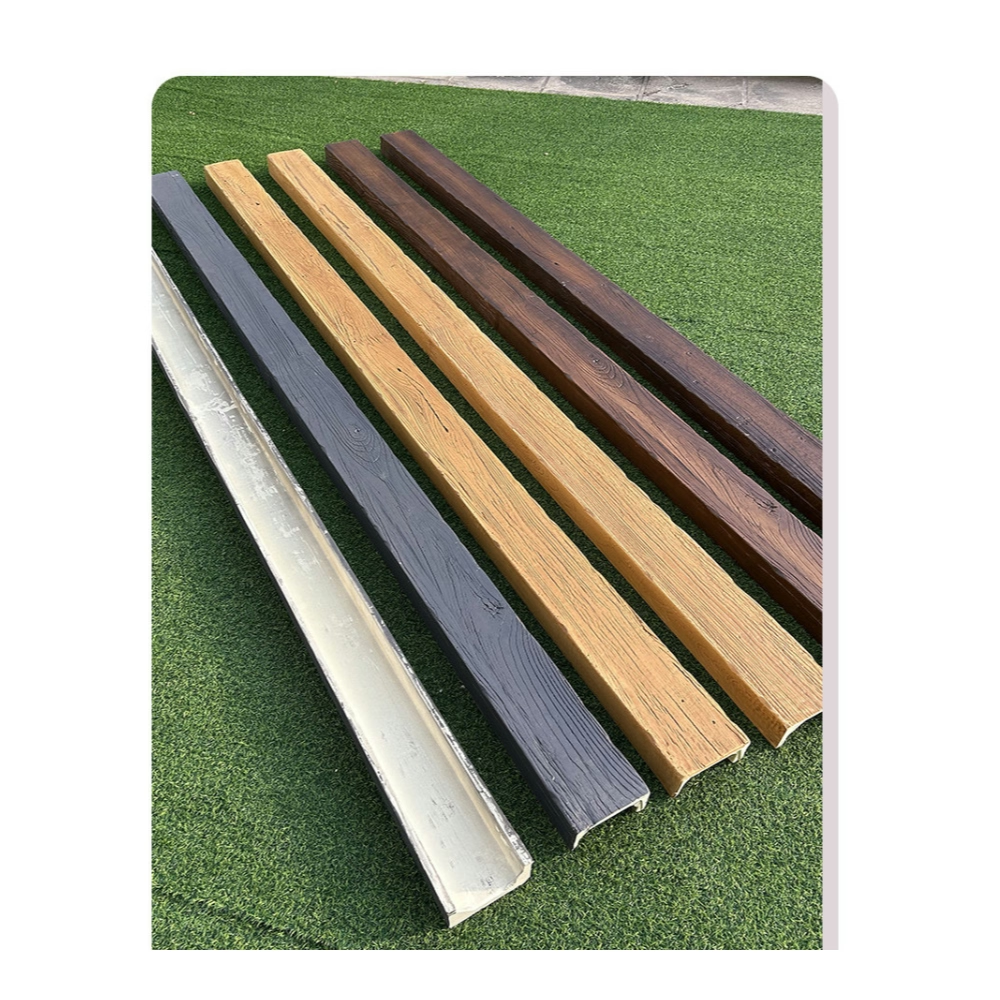
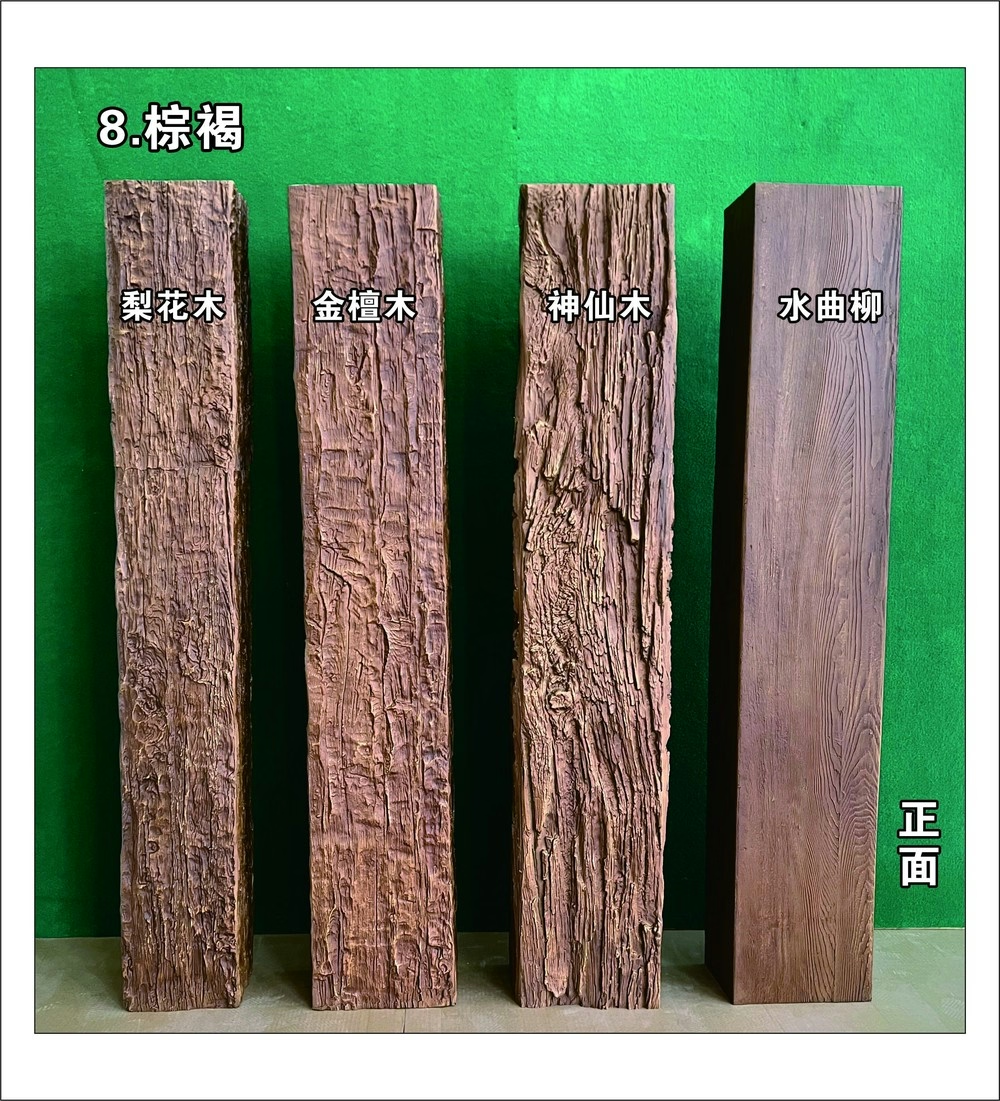
A finished PUR polyurethane beam rolls out of the crate already stained, sealed, and color-matched. For a homeowner staring at a weekend renovation window, that detail alone changes the project from a four-day affair into a one-day install. The factory-applied finish is the single biggest reason these beams have carved out a meaningful share of the decorative ceiling market, especially among contractors trying to hit tight handover dates.
The material itself is high-density polyurethane foam cast in molds pulled from real timber. Once cured, each beam is sanded, base-coated, layered with a stain or paint that mimics the parent wood, and topped with a UV-resistant topcoat. What lands at the job site is a closed-cell, lightweight shell that looks like reclaimed oak, walnut, or weathered pine at a glance and even under close inspection by most visitors.
What "finished" actually means at the factory level
A factory finish on a PUR beam is not the same as a single spray coat of color. The standard process involves a primer that bonds to the polyurethane substrate, one or two layers of stain or toner that deliver the grain depth, and a final clear coat that locks in color and adds scratch resistance during shipping and handling. Some premium lines include hand-applied glaze highlights that replicate the dark recesses of real wood grain.
The topcoat is usually a water-based acrylic or polyurethane blend. It is flexible enough to move with the foam during seasonal expansion, which matters because PU expands and contracts more than solid wood. A rigid topcoat would crack within months in a climate that swings between humid summers and dry winters. The flexible topcoat flexes with the substrate and keeps the sealed surface intact.
Why the finish matters more than people think
Unfinished faux beams require the installer to stain and seal on site. That means setting up a ventilated work area, masking off floors and furniture, applying multiple coats with drying time between each, and dealing with color variation between beams. On a residential ceiling with 12-foot heights, working overhead adds physical difficulty and slows everything down. The factory finish eliminates nearly all of that.
A factory finish is also consistent in a way that field finishing rarely is. The stain booth controls temperature, humidity, and spray pressure, so beam number 14 looks like beam number 3. Field finishing depends on the installer's hand, the weather, and how much coffee they've had. Color drift across a ceiling of 20 beams is a real and common problem with on-site finishing.
Where finished PUR beams fit best
Pre-finished PUR beams work especially well in residential remodels where the homeowner wants the look of exposed timber without the weeks of disruption. A vaulted great room, a kitchen ceiling that needs visual weight, or a primary bedroom with a tray ceiling can all be transformed in a single day by a two-person crew. The beams arrive, get cut to length if needed, and screwed into blocking mounted between the ceiling joists.
Commercial fit-outs are another natural fit. Restaurants, hotel lobbies, and retail floors often need warm overhead detail that photographs well and matches a brand palette. The factory finish can be color-matched to specific brand guidelines, which is hard to achieve with raw beams and almost impossible with solid wood on a tight schedule.
Vacation rental property owners are also buying finished beams in volume. A rental unit that needs to look impressive in listing photos benefits enormously from a ceiling treatment that reads as high-end. The light weight of PUR also means a single property manager can swap a damaged beam between guest stays without hiring a structural carpenter.
When unfinished beams still make sense
There are still cases where ordering unfinished makes more sense. A historic restoration where the faux beams need to match a specific reclaimed wood sample might call for field finishing by a specialist. Large custom projects where the architect specifies a non-standard stain sometimes go unfinished because the factory cannot justify a custom color run for a small order.
Some installers also prefer to do their own finish because they have strong opinions about topcoat brands, sheen levels, or wax treatments. That preference is fine, but it is worth knowing that the factory finish can typically be lightly sanded and recoated if the installer wants to add their own wax or matte topcoat for a specific look.
How the finish holds up over time
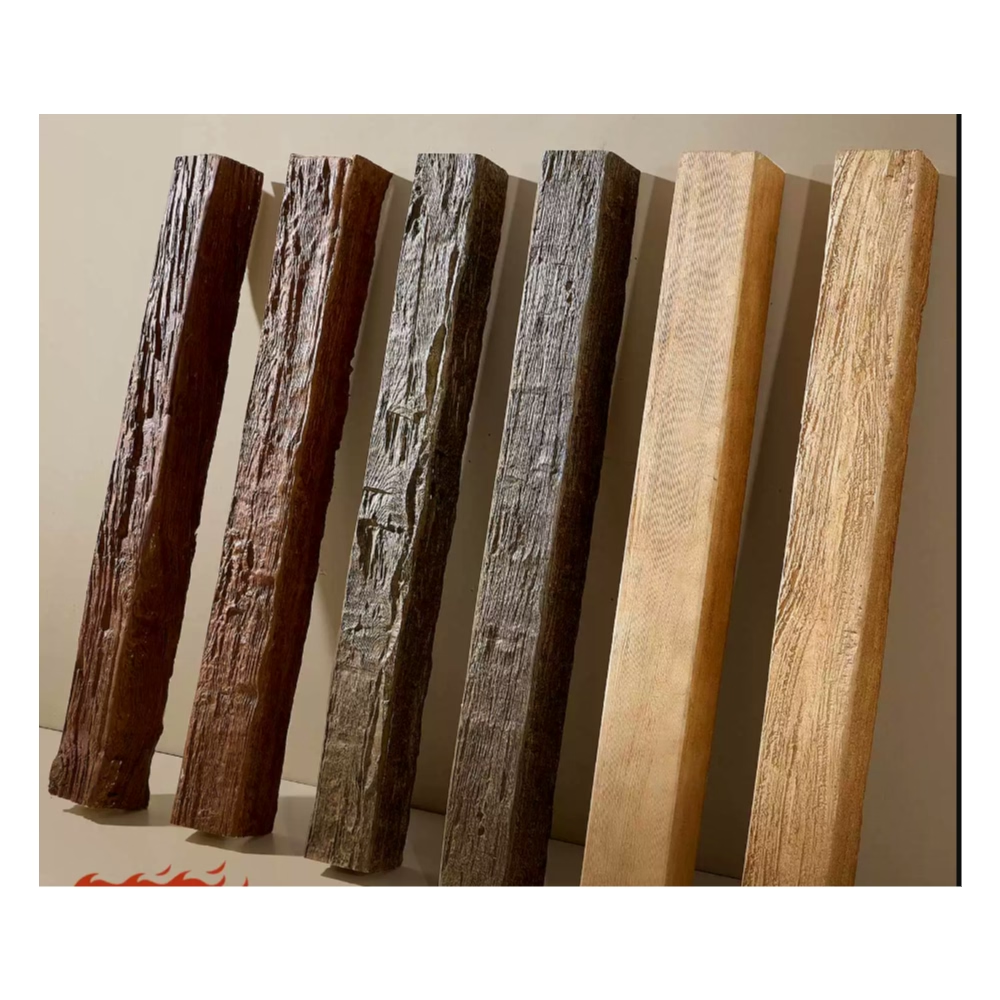
A common question from first-time buyers is how the factory finish weathers over years of UV exposure, household cleaning, and the occasional bump from a ladder or furniture piece. The honest answer is that the finish holds up very well under normal interior conditions, with some caveats around direct sunlight.
In a north-facing room with diffuse light, the color stays true for 10 or more years without visible fading. In a sun-drenched room with skylights or large south-facing windows, the color can shift subtly over 5 to 7 years. UV inhibitors in the topcoat slow this process significantly compared to a beam finished on site with a generic sealer, but they do not stop it entirely. For rooms with very high UV exposure, ordering a slightly darker shade than the target color gives a buffer against the gradual lightening.
Cleaning is straightforward. A soft cloth with mild soap and water handles dust and fingerprints. Abrasive cleaners will dull the topcoat and should be avoided. The closed-cell foam underneath does not absorb moisture, so a quick wipe is all that is needed for any spills.
Touch-up considerations
Minor scuffs during installation are inevitable. A ladder bump or a slipped screw can leave a mark on the topcoat. Most manufacturers ship a small touch-up kit with each beam order, including a small bottle of matched stain and a foam applicator. For larger areas of damage, color-matched filler sticks work well on the foam substrate before the stain is reapplied.
The factory finish is repairable in a way that many painted finishes are not. Because the stain is layered over a primer rather than absorbed into the substrate, a localized touch-up blends more naturally with the surrounding finish. A patient installer can make most installation dings disappear within a few minutes.

Practical notes for ordering
When ordering finished PUR beams, request a current color sample from the factory before placing a production order. Factory finishes shift slightly when the production line switches stain batches, and a sample taken six months ago may not exactly match what's running today. A new sample mailed to your office or job site takes a week and prevents surprises when the container arrives.
Also worth noting: factory finishes add roughly 10 to 20 percent to the unit cost compared to unfinished beams, but they save a much larger percentage in labor and time on the project. For residential and light commercial work, the math usually favors the finished option. For very large projects where the finish cost multiplies across hundreds of beams, the calculation can flip, and a factory finish line set up on site for the duration of the project starts to make economic sense.
The other practical item is packaging. Finished beams need to be packed with protective face film or foam between layers so the topcoat does not get scuffed against the next beam during shipping. Reputable factories handle this with edge protectors and interlayer foam. Worth asking about when comparing suppliers, because cosmetic damage on arrival is the most common complaint with finished faux beams.

Technical References
ASTM standards cited in every specification
Test Data
Lab results from internal testing program
Updated 2026
Reviewed against current product specs