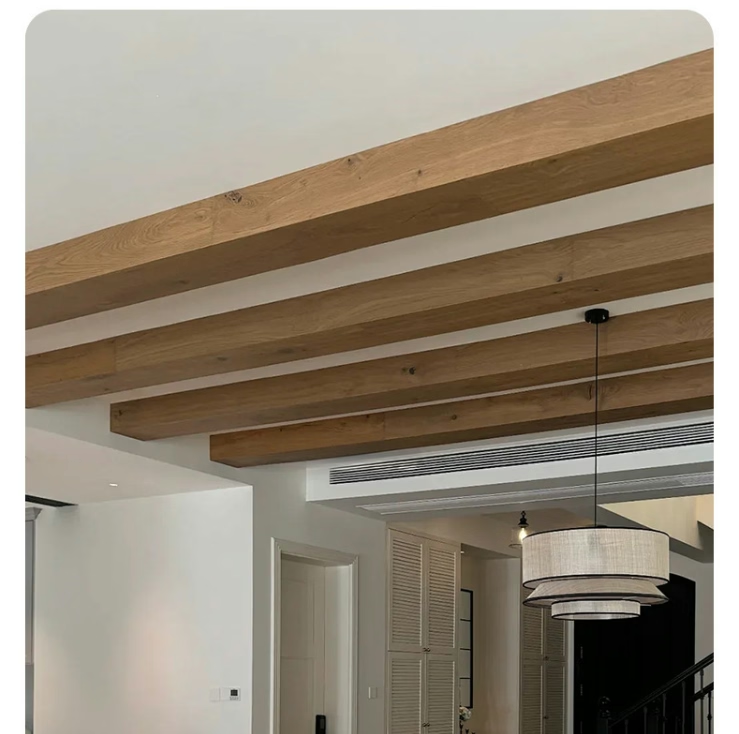
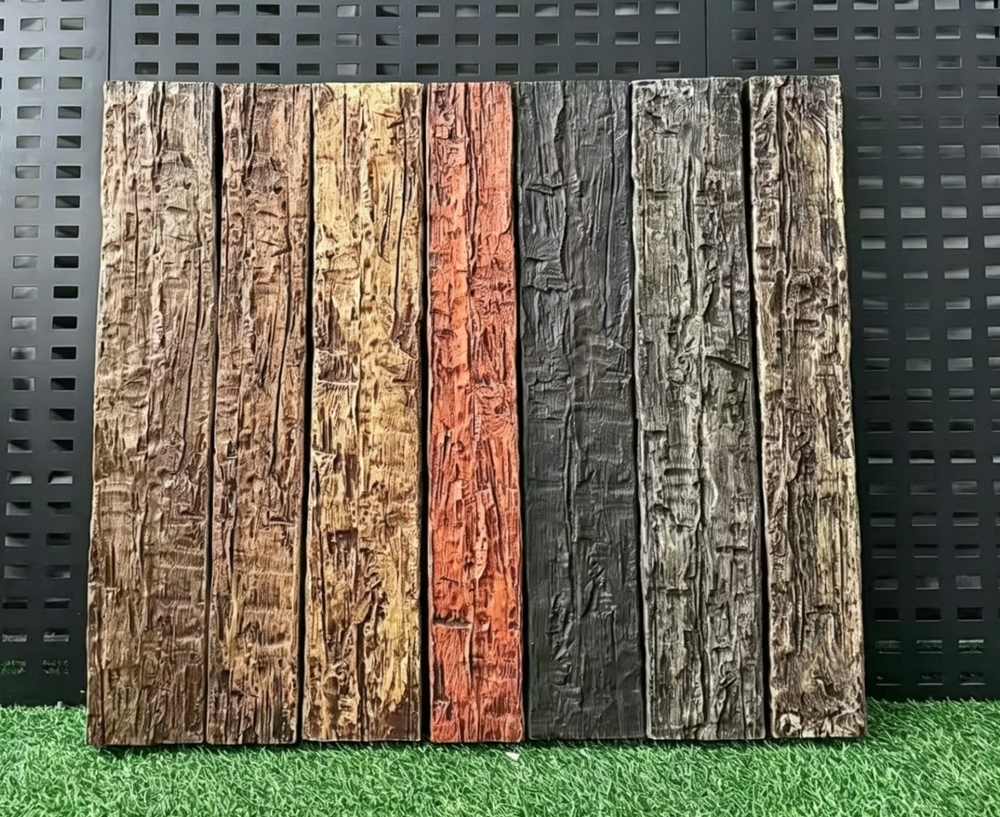
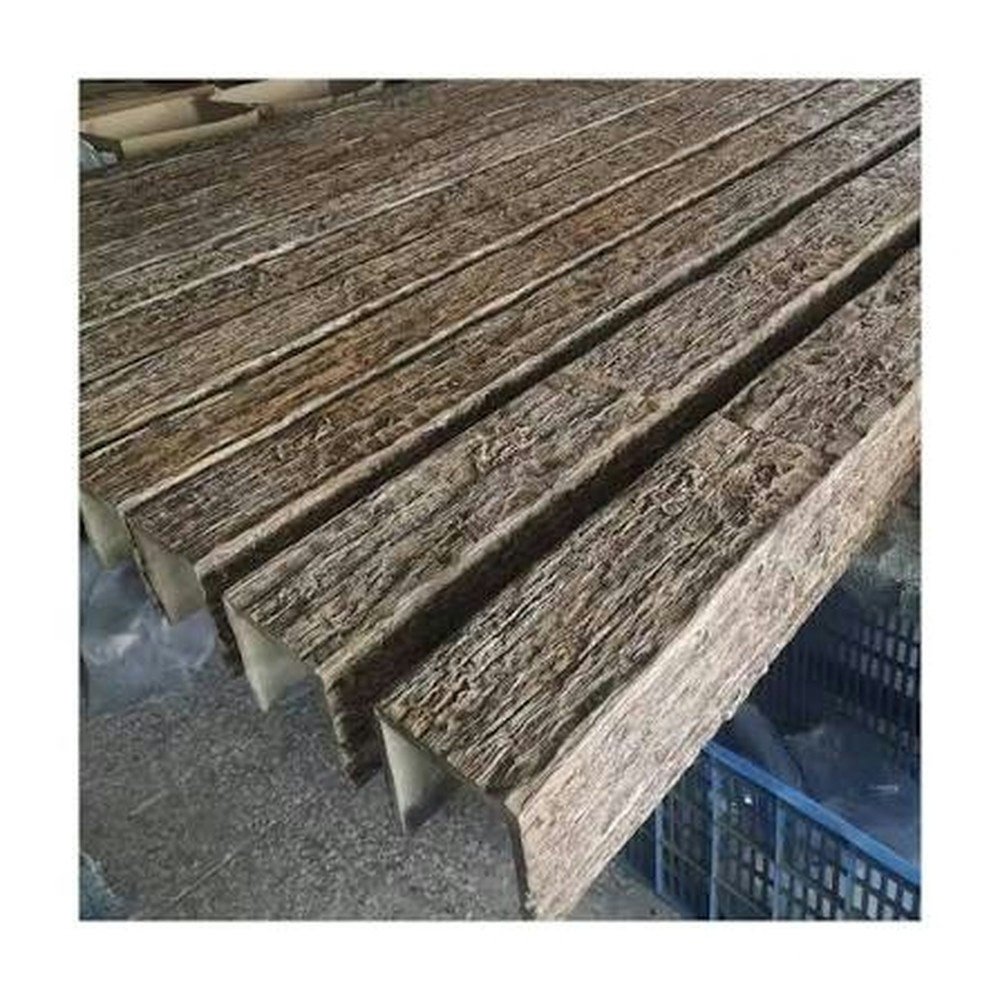
Flood Risk Area Moisture Management: Water-Resistant Materials and Drainage
Properties in flood-prone areas require faux beams engineered for water exposure and moisture resistance. Strategic beam applications in flood zones demand materials tolerating submersion, rapid drying capabilities, and resistance to mold supporting recovery from flood events.
Submersion-Tolerant Materials
Select synthetic materials engineered to withstand temporary water submersion without permanent damage. Water tolerance supports recovery after flood events without requiring complete replacement.
Rapid Drying Characteristics
Specify non-porous materials allowing quick drying preventing trapped moisture and hidden mold growth. Fast-drying properties support efficient flood recovery and restoration processes.
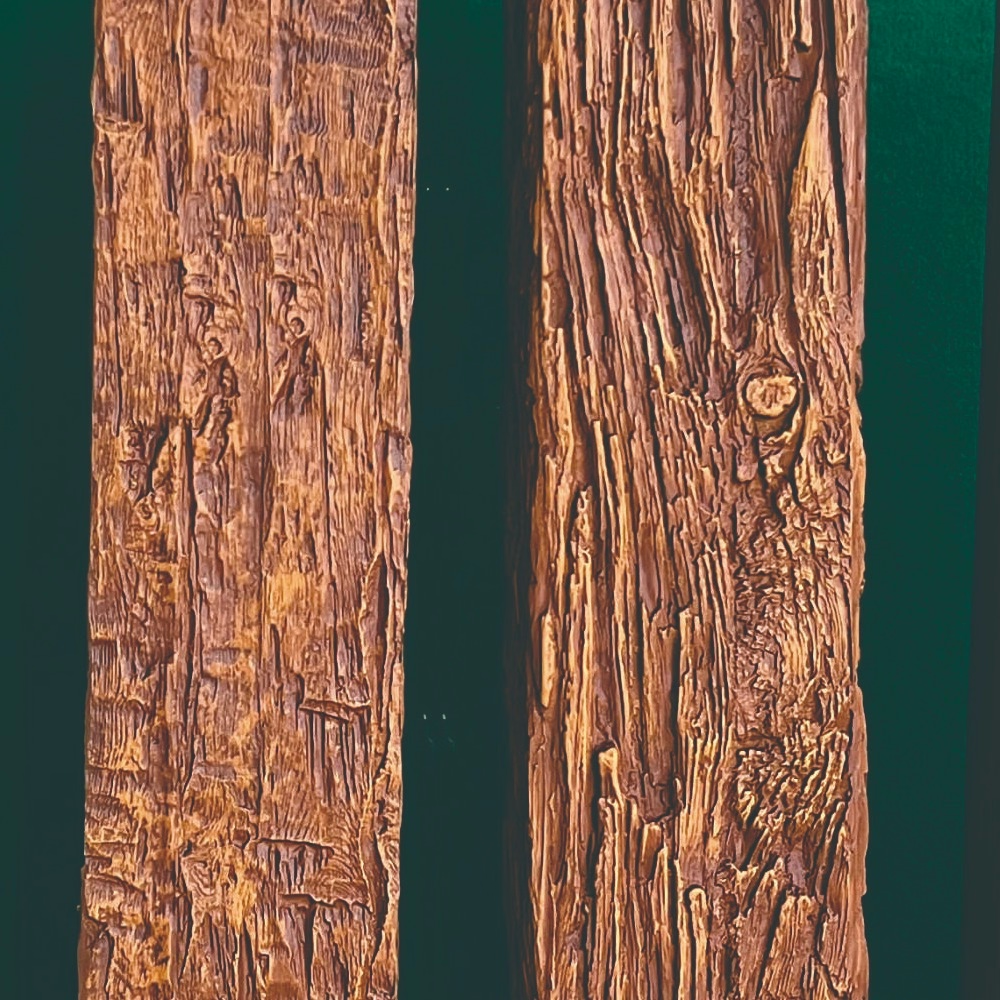
Mold and Mildew Resistance
Choose materials with antimicrobial properties preventing mold establishment after water exposure. Mold resistance protects indoor air quality and prevents health hazards during flood recovery.
Corrosion-Resistant Fasteners
Install stainless steel or coated fasteners resisting corrosion from flood water exposure. Hardware durability maintains structural integrity after submersion and moisture contact.
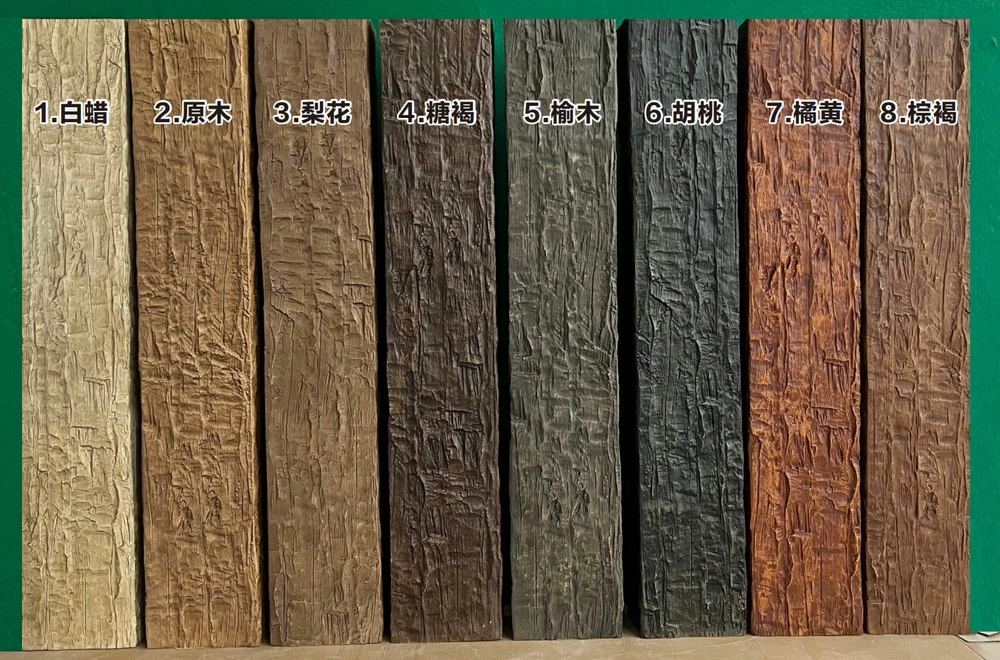
Removable Installation Options
Consider removable beam installations allowing protection before predicted flood events. Temporary removal capability protects investments and simplifies flood preparation procedures.
Flood Insurance Documentation
Maintain material specifications and installation records supporting flood insurance claims. Proper documentation facilitates damage assessment and insurance reimbursement processes.
Lower Level Installation Caution
Exercise special caution with first-floor and basement installations in high-risk flood zones. Risk-appropriate decisions balance design desires with practical flood vulnerability.
Post-Flood Inspection Requirements
Establish inspection protocols checking structural security and material condition after flood exposure. Thorough assessment ensures safety before reoccupying flood-affected spaces.
Conclusion
Flood risk area beam applications require submersion-tolerant materials, rapid drying characteristics, mold resistance, and corrosion-resistant fasteners. Strategic water-resistant installations support flood zone properties with materials tolerating water exposure, enabling efficient recovery, and maintaining safety after flood events with appropriate moisture management strategies.
Technical References
ASTM standards cited in every specification
Test Data
Lab results from internal testing program
Updated 2026
Reviewed against current product specs