Alder is one of the underrated species in interior timber. It does not have the dramatic figuring of oak or the dark richness of walnut. What it does have is a quiet uniformity, a fine even grain, and a warm honey tone that fits effortlessly into modern interiors without demanding attention.
Polyurethane faux beams in a fresh alder finish have become a popular choice for designers who want the warmth of natural timber without the visual heaviness of more rustic species. This article looks at how to use them well.

What makes alder distinctive
Alder is a hardwood, but it is on the softer end of the hardness scale. It machines well, takes a finish cleanly, and has very little odor. The grain is fine and straight in most cuts, with occasional small pin knots that add character without disrupting the surface.
The natural color of fresh alder ranges from pale yellow-tan to a slightly pinkish honey. The color deepens and warms with exposure to light, eventually reaching a tone similar to light cherry. Designers who want to preserve the fresh-pale character often specify a UV-inhibited finish that slows the color shift.
In faux beam form, alder is particularly forgiving. The fine grain pattern does not require heavy texture to read correctly, and the even color tone works without much artificial variation along the length.
Why alder works in modern interiors
Modern interior design tends to favor materials that provide warmth without visual noise. Alder fits this brief better than most species. The grain is present but not loud. The color is warm but not heavy. The slight pink undertone pairs well with the grays, whites, and pale taupes that dominate contemporary palettes.
Alder also works in Scandinavian-inspired interiors, where the goal is a clean look with natural materials. The pale alder tone harmonizes with white walls, light timber floors, and the soft textile layering typical of the style.
In a transitional interior that mixes modern and traditional elements, alder provides a bridge. It is not so rustic that it feels out of place with contemporary furniture, and not so modern that it clashes with traditional architectural details.
Profile and proportion guidance
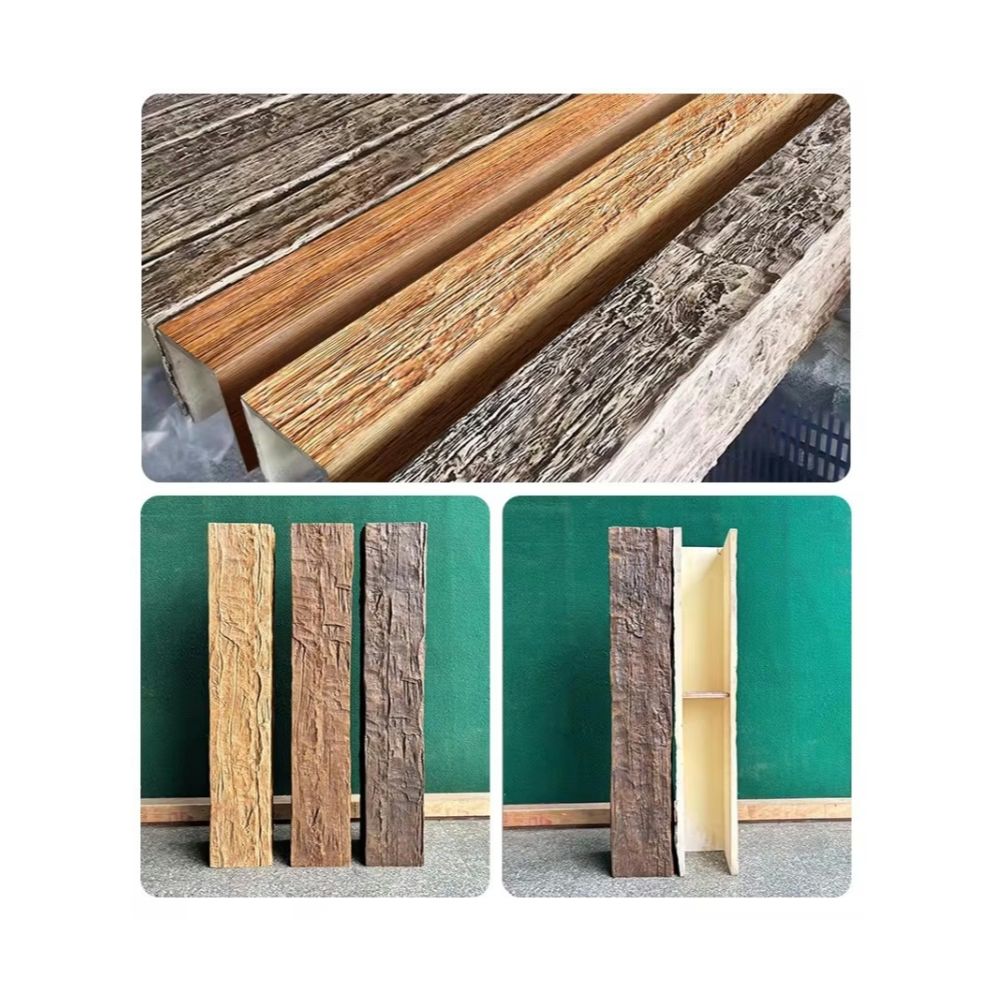
Alder is often specified in slightly slimmer profiles than more rustic species. The fine grain does not need heavy mass to read as timber. Common profile choices for modern alder applications include:
- 150×200 mm for residential rooms with standard 2.7 to 3 meter ceilings. This size works in a grid across the ceiling without overwhelming the space.
- 200×250 mm for larger rooms with ceilings over 3 meters. The slightly heavier profile creates a more substantial architectural statement.
- 100×150 mm for accent applications in smaller rooms or for grid ceilings where multiple beams are needed.
The edge profile is usually clean or only slightly rounded. Alder does not need the hand-hewn edge that rustic species like to carry. A simple eased edge or a very subtle chamfer reads correctly.
For ceiling grids, beam spacing should be wider than in a rustic installation. Three to four meters between beams allows the modern aesthetic to breathe. Closer spacing tends to look fussy.
Finish options
The fresh alder look relies on a clean finish that does not yellow or darken aggressively. The most successful finishes for this look are:
- A clear matte or satin sealer that lets the natural color come through. The sealer protects against dust and minor staining without adding a heavy film.
- A very light honey toner that warms the natural alder color without obscuring the grain. The toner should be barely perceptible on its own but should make the beam read as warmer in the room.
- A whitewash or pale limewash effect for a Scandinavian interpretation. The wood grain shows through the whitewash, but the overall color shifts toward off-white.
Avoid dark stains on alder beams. The grain is too fine to support a dark color convincingly, and the result reads as cheap rather than elegant.
Pairing with walls and floors
Alder beams work best against soft, light wall colors. Pale gray, cream, soft white, and pale taupe are all good partners. The wall color should be slightly cooler than the beam color so the beam reads as the warmer element in the room.
Floor choices that pair well with alder include white oak in a light or natural finish, pale limestone, light-toned porcelain tile in a wood-look, and pale engineered timber in a wide-plank format. The floor should be a half-step lighter or a half-step cooler than the beam to maintain visual hierarchy.
Avoid pairing alder beams with very dark wood floors. The contrast is too strong, and the room ends up feeling split rather than unified.
Specific room applications
Living rooms are the most common application. A simple grid of alder beams across the ceiling, spaced 3 to 4 meters apart, creates a quiet architectural framework that supports contemporary furniture without competing with it. The beam finish should be matte or only slightly satin.
Kitchens work well with alder beams in an open-plan layout. The beam color should harmonize with the cabinetry. If the cabinetry is a painted finish in white, sage, or pale blue, the alder beam provides the warm wood counterpoint. If the cabinetry is a contrasting wood, the beam should match or be slightly lighter.
Primary bedrooms benefit from the soft warmth of alder beams without the heaviness of darker species. A pair of beams running the length of the room above the bed, or a single beam above the headboard, adds character without dominating the space.
Home offices and studies work well with alder because the grain is calm and does not distract. The beam becomes a quiet background element that supports concentration rather than pulling focus.
Lighting integration
Alder beams pair particularly well with integrated lighting because the wood tone absorbs some light and reduces glare. Common integrations include:
Recessed downlights between beams, aimed at artwork or feature walls. Linear LED strips along the inside edge of a beam against the ceiling, creating an indirect wash that highlights the beam profile. Pendant lights hung from beams, with the beam providing a visual anchor for the pendant drop.
The alder tone works with both warm-white and neutral-white lighting. Cool-white lighting (4000K and above) tends to wash out the warm honey color, so warmer lighting (2700K to 3000K) is usually the better choice.
Installation notes
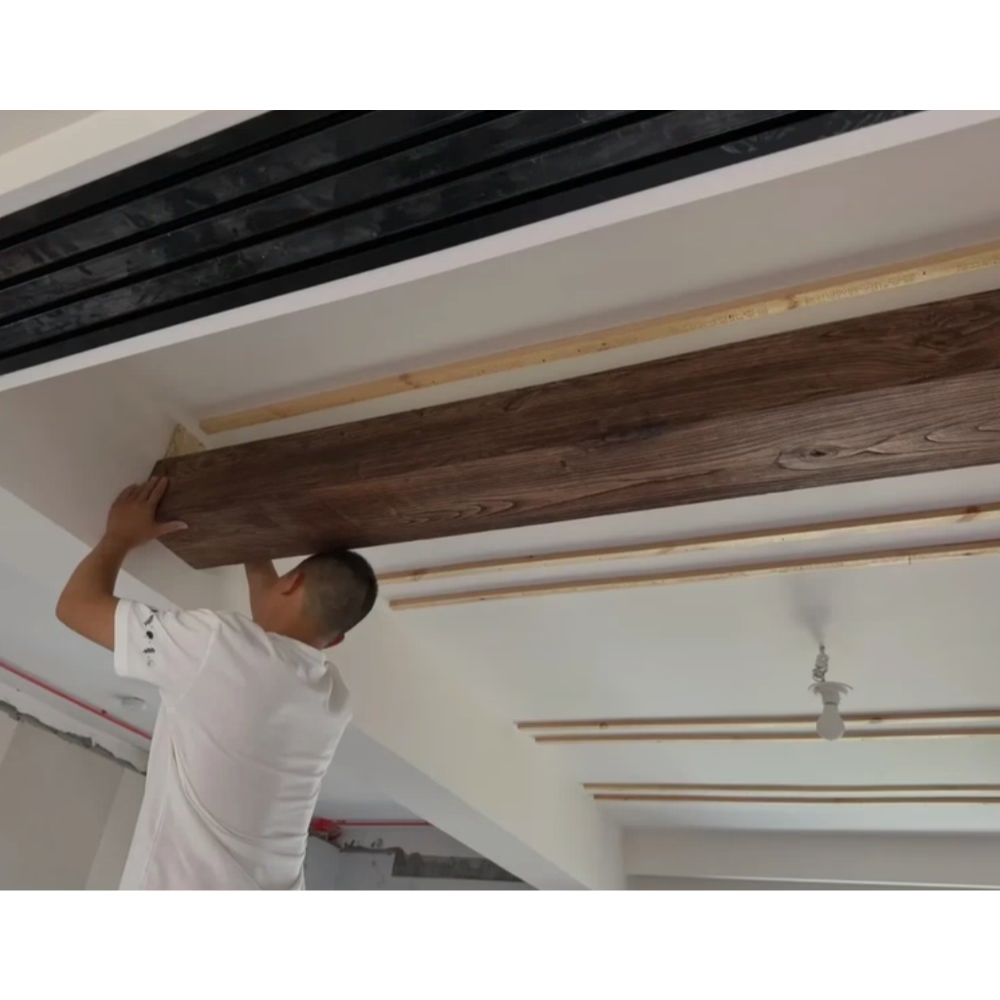
Alder-finish faux beams are among the easier products to install because the consistent color hides minor variations in the joint. The finish does not need to be carefully color-matched at seams the way a rustic or distressed finish does.
Standard installation with light-gauge blocking, screws, and color-matched filler works for most residential applications. The beam weight is similar to other PU faux beams of the same size, typically 5 to 9 kg per meter for residential profiles.
For retrofit applications, the slim profiles work particularly well because they can be installed in rooms with limited ceiling clearance without making the space feel cramped.
Why faux alder works as a product category
Alder is a relatively soft hardwood that does not always hold up well as a structural beam. It can dent, scratch, and check in service. PU faux alder captures the visual character of the species without any of the performance concerns.
For designers specifying alder for its visual quality rather than its structural performance, PU faux beams are the practical choice. The beam looks like alder, lasts longer than alder would in the same application, and costs less than solid alder timber.
For a modern elegant interior where the goal is warm minimalism, fresh alder PU faux beams are one of the most reliable ways to add natural character to the ceiling plane.

Technical References
ASTM standards cited in every specification
Test Data
Lab results from internal testing program
Updated 2026
Reviewed against current product specs


