Maple has long been associated with quality furniture and fine cabinetry. Its pale, slightly creamy color and fine even grain give it a refined character that translates well into modern home styling. Polyurethane faux wood beams in a fresh maple finish capture this aesthetic for ceiling applications where solid maple would be expensive, heavy, and prone to checking.
This article looks at how to use fresh maple faux beams well in contemporary interiors.

What makes maple distinctive
Maple is a dense hardwood with a fine, even texture and very little visible grain pattern. The natural color ranges from nearly white to a pale cream or light tan, occasionally with subtle pink or gray undertones. Unlike oak, maple does not have prominent grain lines or large pores, which gives it a cleaner visual character.
The smooth, uniform appearance is what designers like. Maple reads as a refined material. It does not compete with other elements in the room. It provides warmth and material presence without becoming a focal point on its own.
In faux beam form, maple's even character makes the manufacturing process slightly easier. The skin does not need to carry heavy grain texture or strong color variation. The result is a beam that looks clean and consistent along its full length.
Where maple faux beams work best
Maple beams suit contemporary interiors that prioritize clean lines and soft material palettes. Scandinavian-inspired rooms, Japandi-style spaces, modern minimalist homes, and coastal contemporary interiors all benefit from maple's quiet character.
In Scandinavian interiors, the maple beam works with white walls, pale timber floors, and the soft textile layering typical of the style. The beam provides warmth without disrupting the clean aesthetic.
In Japandi interiors, the maple beam fits naturally. The Japanese influence values refined natural materials, and maple's clean grain suits that sensibility. The Scandinavian influence values pale color, which maple also delivers.
In coastal contemporary interiors, the maple beam harmonizes with the soft grays, whites, and pale taupes typical of the palette. The beam's warm tone prevents the room from feeling cold or washed out.
Profile and scale guidance
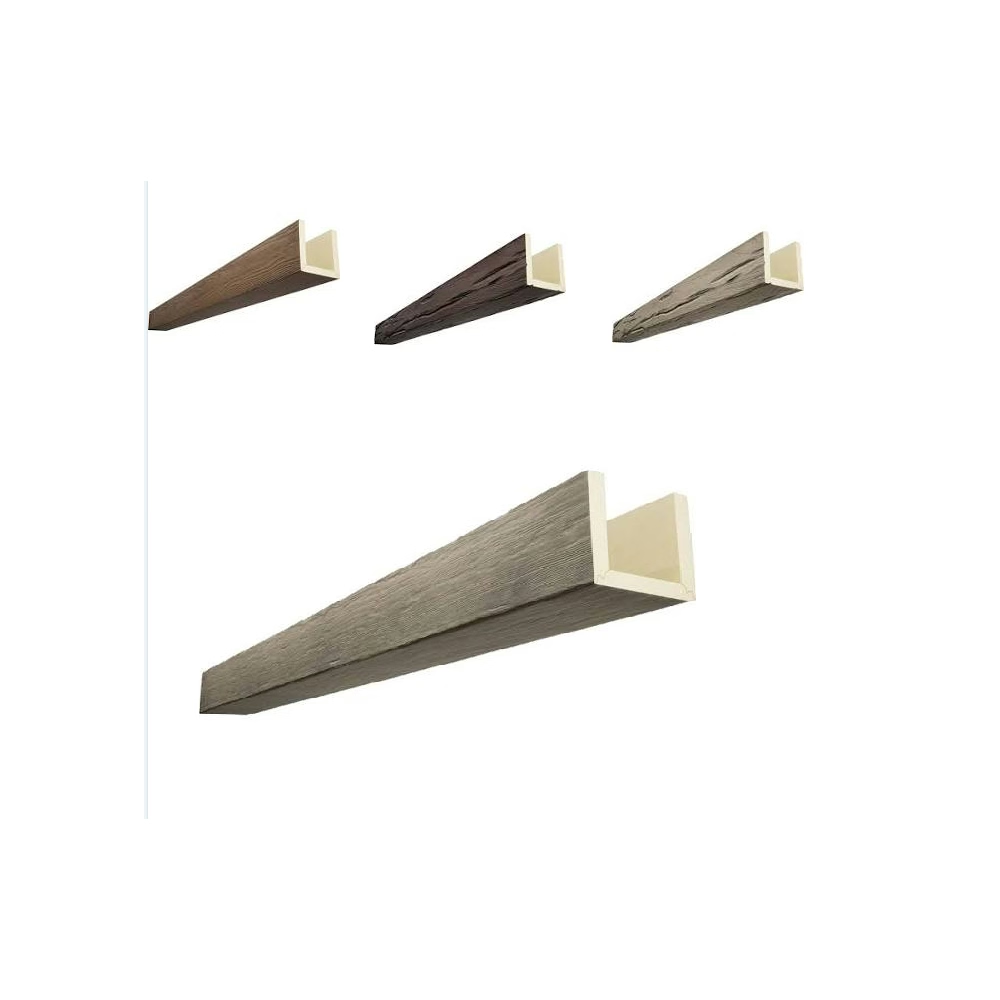
Maple is usually specified in slimmer, cleaner profiles than more rustic species. The visual character of maple is refined rather than heavy, and the beam should reflect that. Common profile choices include:
- 150×200 mm or 200×200 mm for residential ceilings. These sizes read as substantial without being heavy.
- 100×150 mm for accent installations or for grid ceilings with multiple beams.
- 250×250 mm or larger for feature installations in larger rooms with high ceilings.
The edge profile is usually clean and minimal. A simple eased edge or a very subtle chamfer suits the modern aesthetic. Heavier hand-hewn or distressed edges conflict with maple's refined character.
For ceiling grids, beam spacing should be wider than for rustic applications. Three to four meters between beams allows the modern aesthetic to breathe. Closer spacing tends to look fussy and overworked.
Finish options for the maple look
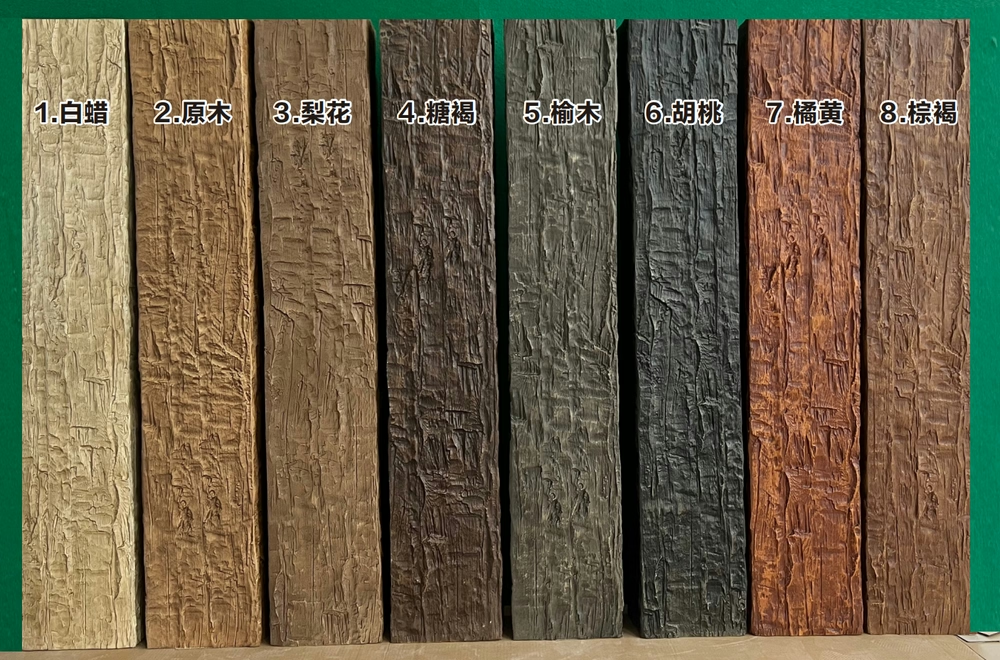
The fresh maple look relies on a clean finish that preserves the pale, slightly creamy character of the wood. The most successful finishes include:
A clear matte sealer that lets the natural pale color come through. The sealer should not add any yellow or amber tone, which would shift the appearance toward honey oak.
A very light cool-toned toner that enhances the slight gray or pale cast of fresh maple. The toner should be subtle enough to read as natural variation rather than as a stain.
A whitewash or pale lime treatment for a more Scandinavian interpretation. The wood grain shows through the whitewash, but the overall color shifts toward off-white.
Avoid dark stains on maple beams. The fine grain does not support a dark color convincingly, and the result looks artificial rather than elegant.
Avoid heavy amber or yellow undertones in the finish. Fresh maple is meant to read as pale and clean. A warm-toned finish shifts the look toward oak or alder and loses the maple character.
Pairing with walls, floors, and furnishings
Maple beams work best with soft, pale wall colors. White, soft cream, pale gray, and pale greige are all good partners. The wall color should harmonize with the beam color rather than contrast strongly with it.
Floor choices that pair well with maple include white oak in a natural or whitewashed finish, pale engineered timber, pale porcelain tile in a stone or wood look, and pale limestone. The floor should be a half-step lighter or cooler than the beam to maintain visual hierarchy.
Furniture should follow the same logic. Pale timber, painted finishes in soft tones, and upholstered pieces in linen or cotton all work with maple. Dark timber furniture can work as a deliberate contrast, but the contrast should be intentional and limited to one or two pieces.
Avoid mixing maple with too many other wood species. The maple should be either the dominant wood tone in the room or a clear supporting element. Three or four competing wood tones creates visual noise that contradicts the maple aesthetic.
Specific room applications
Living rooms benefit from a simple grid of maple beams or a pair of parallel beams running the length of the room. The finish should be matte or only slightly satin. The beam provides warmth and architectural character without overwhelming the modern furnishings.
Kitchens work well with maple beams in open-plan layouts. The beam color should harmonize with the cabinetry. White or pale gray cabinetry with maple beams creates a clean contemporary kitchen. The beam also works with darker cabinetry as a deliberate contrast element.
Primary bedrooms benefit from the calm character of maple. A pair of beams above the bed or a single beam across the ceiling provides subtle architecture without disturbing the restful quality of the room.
Home offices and libraries work particularly well with maple because the refined character of the wood supports concentration and quiet work. The beam becomes a quiet background element rather than a focal point.
Lighting and accessory integration
Maple beams pair well with most lighting types. Recessed downlights between beams provide general illumination. Linear LED strips along the inside edge of a beam create a soft indirect wash. Pendant lights hung from beams add focal points over tables or seating.
The pale maple color works with both warm-white (2700K to 3000K) and neutral-white (3000K to 3500K) lighting. Warmer lighting enhances the slight cream character of fresh maple. Cooler lighting emphasizes the pale clean quality. Avoid cool-white lighting above 4000K, which tends to wash out the maple tone.
Accessories should follow the same restrained palette as the rest of the room. Ceramic, glass, pale stone, brushed or polished metal in soft tones, and natural textiles all work with maple. Avoid overly rustic accessories that conflict with the modern aesthetic.
Installation considerations
Fresh maple faux beams install similarly to other PU faux beams of the same size. Standard mounting with light-gauge blocking and screws works for most residential applications. The seams between beam sections are easy to hide because the consistent color and grain pattern of the maple finish does not require precise color matching.
For retrofit applications, maple faux beams work particularly well because the clean aesthetic suits contemporary renovation projects. The beam installs against the existing ceiling without major demolition.
For projects where maple is the dominant wood, consider ordering a small extra quantity for any future repairs or additions. The maple finish is usually consistent across production runs from the same manufacturer, but having extra material on hand avoids the small color variation risk if a replacement beam needs to be added later.
A note on long-term appearance
Fresh maple, like most pale timbers, will gradually warm and darken with exposure to light. The faux beam will not actually change color, but the surrounding wood elements in the room may shift slightly. This is a natural process that designers either plan for or counteract with UV-protective finishes on the natural wood elements.
For a consistent appearance over years, choose a faux beam finish that already represents the slightly aged maple character. Manufacturers offer "aged maple" or "natural maple" options that look like fresh maple has settled into its long-term tone. This avoids any sense that the faux beam looks newer than the surrounding natural wood.
For elegant modern home styling, fresh maple PU faux beams deliver the clean, refined character of the species with the practical benefits of polyurethane. The result is a contemporary interior that feels warm and considered without feeling busy or overdesigned.

Technical References
ASTM standards cited in every specification
Test Data
Lab results from internal testing program
Updated 2026
Reviewed against current product specs


