
Texture is the detail that makes people reach out and touch a beam to confirm it is actually polyurethane. Smooth surfaces with printed patterns look fake at any distance. Deeply embossed grain with natural variation, tool marks, and surface irregularities reads as authentic even under close inspection. Custom texture work takes this authenticity further by replicating specific wood conditions that standard catalog textures cannot match.
The texture possibilities for custom polyurethane beams are nearly unlimited because the material accepts almost any surface treatment. Molds can be created from real timber samples, capturing every grain ridge, knot, and tool mark. Hand finishing can add distressing, aging, or surface treatments that manufactured textures cannot replicate. Layered finishing can produce colors and effects that single-step finishing cannot achieve.
Personalization through texture is the ultimate expression of individual taste. A homeowner can have beams that look like timber from a specific tree on a specific property. A designer can specify beams with textures created exclusively for one project. A historic restoration can match existing original timber exactly. These are not catalog options. They are custom textures created for one specific purpose.
How custom texture is created
Mold creation from real timber captures authentic texture in production molds. A section of actual timber, often called a master, is used to create a mold that reproduces every surface detail. The mold is then used to cast polyurethane beams that carry the exact texture of the original timber. This approach works well for replicating specific wood species or existing timber elements.
Hand carved or modified molds allow texture customization that natural timber cannot provide. Manufacturers can carve additional details into a mold, remove details that are not wanted, or combine elements from multiple sources. This approach creates textures that do not exist in nature but are designed for specific aesthetic effects.
Digital texture design combined with CNC mold machining enables precision texture creation. A texture is designed digitally, refined through visualization, and then machined into a mold. This approach allows designers to specify exact texture parameters and manufacturers to execute them precisely.
Layered finishing applies multiple texture treatments to a single beam. A base texture from the mold can be supplemented with hand-applied distressing, glazing, or surface treatments. The combination produces textures that are richer than any single treatment could create.
Aging and weathering treatments simulate the effects of time on timber. Faux checking, raised grain, worm holes, mineral staining, and other aged characteristics can be added to new beams to create instant aged appearance. These treatments are particularly popular for rustic, farmhouse, and reclaimed wood aesthetics.
Popular custom texture directions
Reclaimed barn wood texture replicates timber that has been weathered by decades of exposure. Deep checking, raised grain, nail holes, and color variation characterize this texture. The aged appearance suggests history and authenticity that new timber cannot provide. Custom molds can capture texture from actual reclaimed barn wood.
Hand hewn texture simulates timber that was shaped with axes or adzes rather than sawn. The irregular surface shows the marks of the original shaping tools. This texture is associated with early American construction and timber framing traditions. Custom molds can replicate the specific tool marks and surface irregularities.
Wire brushed texture removes the softer grain from the surface, leaving the harder grain standing in relief. This texture accentuates the grain pattern and creates a tactile surface that catches light and shadow. Wire brushed textures can be applied to many wood species with varying intensity.
Distressed texture adds intentional damage and wear to beams. Dents, scratches, gouges, and other marks simulate the wear that occurs through years of use. Distressed textures work well for vintage, industrial, and farmhouse aesthetics. The specific distressing can be tailored to match the project's overall design.
Smooth modern texture provides a refined alternative to heavy grain patterns. Some contemporary designs call for beams with minimal visible texture, emphasizing clean lines and modern proportions. Custom smooth textures can be specified to match the project's modern aesthetic.
Color and finish customization
Base color matching to specific wood species or project color palettes. Custom color matching can replicate any wood species regardless of regional availability. The manufacturer can develop colors that match physical samples provided by the customer, ensuring exact coordination with other materials in the project.
Multi-tone finishes create depth and visual interest through layered color application. Base colors, glaze colors, and highlight colors combine to produce rich finishes that single-color applications cannot achieve. Multi-tone finishes are particularly effective for replicating aged or weathered timber.
Sheen variation across the beam surface mimics the natural variation of real timber. Real timber has variations in how it reflects light due to differences in grain density, age, and wear. Custom finishes can replicate these variations to make faux beams look more authentic.
Weathering effects simulate the color changes that occur as timber ages. Silver-gray patina, dark staining from moisture, fading from UV exposure, and other aging effects can be applied to new beams. These effects are popular for exterior beams and for interiors seeking an aged appearance.
Custom stain colors beyond standard offerings extend the design possibilities. Designers can specify any stain color from any manufacturer, and the beam manufacturer can match it. Custom stain colors coordinate with specific floor finishes, cabinetry, or furniture that the project requires.
Texture specification process
Sample submission from the buyer helps the manufacturer understand the desired texture. Physical samples of the wood or surface to be replicated provide the clearest reference. High-resolution photographs of the reference material supplement but rarely substitute for physical samples.
Reference products or photos help communicate texture intentions. When physical samples are not available, photos of similar textures provide a starting point. The manufacturer may be able to source materials similar to the photos or create new textures inspired by them.
Texture development produces samples that the buyer reviews. First texture samples may not match the reference exactly, but they provide a starting point for refinement. Multiple sample iterations refine the texture until it matches the buyer's vision.
Sample approval formalizes the texture specification for production. Approval should be documented in writing. Any changes after sample approval should be documented as change orders with adjusted pricing and timeline.
Production quality control ensures that production beams match the approved sample. Random inspection of production units catches texture drift that can occur during long production runs. Quality control preserves the custom texture investment.

Texture and installation coordination
Texture direction matters for installation orientation. Beams with grain patterns that suggest growth direction should be installed consistently. Mixed orientation creates visual inconsistency that detracts from the natural appearance.
Seam placement affects how texture reads across beam joints. Texture should flow across joints rather than creating visible interruptions. Skilled installers can match texture across joints so that the seams become nearly invisible.
Lighting interaction with texture affects the final appearance. Deep textures cast shadows that change throughout the day as lighting conditions shift. Smooth textures have less dramatic light interaction. Designers should consider lighting effects when specifying texture depth.
Viewing distance considerations affect how texture should be specified. Beams viewed primarily from across a room can have less detailed texture than beams viewed up close. Custom texture specification can target the texture depth appropriate for the viewing distances in the project.
Maintenance requirements vary with texture depth. Deep textures collect dust more readily than smooth surfaces. Beams in dusty environments or with significant texture depth may need more frequent cleaning. Designers and homeowners should consider maintenance when specifying texture.

Cost and timeline for custom textures
Mold creation cost depends on texture complexity and beam size. Simple textures based on standard profiles cost less to create than complex custom textures. Larger beams require larger molds, which cost more to produce. Buyers should expect mold costs to vary significantly based on specifications.
Sample cost covers texture development, sample production, and review. Multiple sample iterations add to the cost. Buyers who can make decisions quickly based on samples minimize the number of iterations and control sample costs.
Production timeline for custom textured beams is longer than for standard beams. Mold creation or modification, texture development, and quality verification add weeks to the timeline. Buyers should plan custom texture projects well in advance of needed delivery dates.
Premium pricing for custom textures reflects the additional work involved. The premium varies but typically ranges from modest increases for minor texture modifications to significant increases for completely custom textures. Buyers should compare premiums across multiple manufacturers to ensure competitive pricing.
Long-term value of custom textures often justifies the additional cost. Custom textured beams create unique installations that add character and value to properties. The personalization that custom textures provide cannot be achieved with catalog products, making the investment worthwhile for projects where character matters.
Applications for custom textured beams
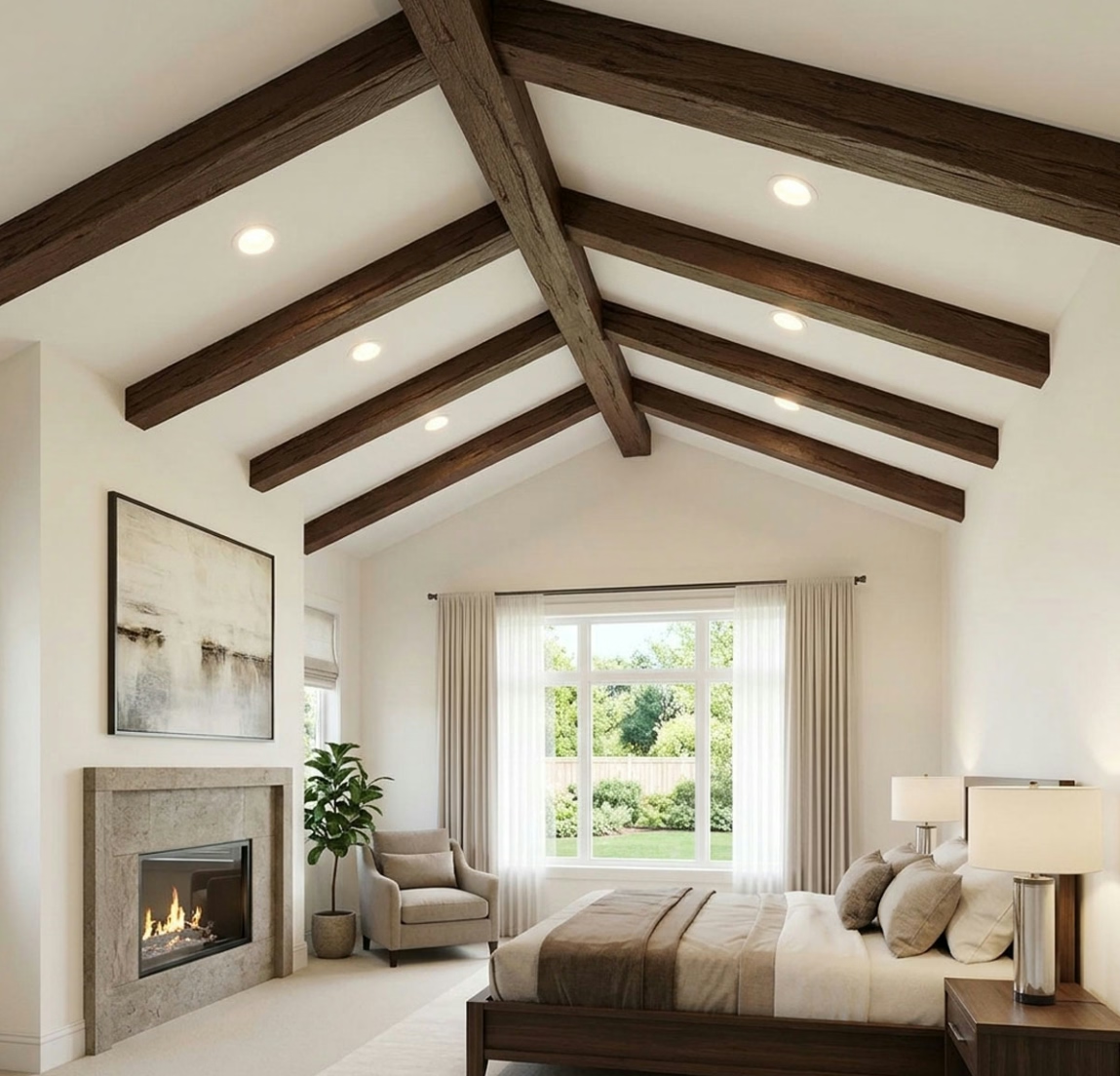
Statement ceiling features in living rooms, great rooms, and entryways benefit from custom textures that match the home's overall aesthetic. The beams become architectural focal points rather than generic decorative elements. Custom textures reinforce the design direction throughout the visible space.
Historic restoration projects use custom textures to match existing original timber. The replication allows new beams to integrate with historic elements without standing out as replacements. Matching texture is essential for restoration work that aims for historical accuracy.
Hospitality venue design uses custom textures to create distinctive brand experiences. The textures become part of the brand identity, supporting the marketing and customer experience goals of the venue. Custom textures differentiate the venue from competitors using standard products.
Residential customization for distinctive homes uses custom textures to express individual taste. Homeowners who want their interiors to reflect their personal style rather than catalog trends commission custom textures that exist nowhere else.
Commercial feature installations in retail, office, or hospitality settings use custom textures to create memorable spaces. The textures contribute to the customer or employee experience, supporting business objectives beyond pure decoration.
Technical References
ASTM standards cited in every specification
Test Data
Lab results from internal testing program
Updated 2026
Reviewed against current product specs

