Natural rustic decor has a specific quality that distinguishes it from other rustic looks. It does not try to look refined, decorated, or finished. It presents materials in their working state, with the signs of how they were made visible. Beams in a natural rustic interior are not painted, gilded, or carved. They are shown as they came from the log — shaped, visible, and honest.
Hand-hewn texture is the natural choice for this aesthetic because it represents the original working of timber with hand tools. The chop marks and adze strokes are evidence of human labor applied to the material. The grain pattern between the marks is evidence of the wood itself. Together, they communicate the natural rustic story that the room is telling.

Polyurethane versions of hand-hewn beams deliver this story without the practical limitations of solid timber. They allow a ceiling to look hand-worked and time-honored while staying within the structural and budget realities of modern construction.
What natural rustic decor means
Natural rustic decor draws on a specific set of aesthetic principles that distinguish it from country, primitive, or themed looks.
Materials are shown in their natural state. Wood is not painted or heavily finished. Stone is left rough or only minimally dressed. Metal shows its natural patina or its working marks. Fabric is undyed or naturally colored. The visible surfaces retain the character of the source material rather than being processed into a finished form.
Texture is celebrated rather than smoothed. Smooth, polished surfaces are out of place in natural rustic decor. Surfaces that show their working, their grain, their irregularities are appropriate. Hand-hewn beams are exactly the right texture because they show the original working.
Proportions are human-scaled rather than grand. Natural rustic decor avoids the monumental scale of formal architecture. Rooms are sized for living rather than impressing. Beams are sized for structural reality rather than exaggeration. A modest room with modest beams in the right proportion feels more authentic than a small room with over-sized beams.
Color palettes are drawn from nature. Browns, greens, warm grays, and earth tones dominate. Whites are rare and warm rather than cool. The palette feels rooted in the landscape rather than in fashion.
Hand-hewn polyurethane beams fit this aesthetic precisely because they carry all the right texture and color cues. They are typically finished in natural wood tones with light distressing to suggest age. They feel like materials rather than like decoration.

How beams set the tone for natural rustic rooms
The ceiling of a natural rustic room is one of the largest visual surfaces in the space. The treatment of that surface determines much of the room's character.
Uncovered structure is part of the natural rustic vocabulary. Exposed roof framing, rafters, and structural beams are part of the look. Adding hand-hewn beams to a ceiling that already has visible structure creates a layered effect that emphasizes the building's construction logic.
Color choice for the beams should match the room's natural palette. Warm browns, soft ambers, and aged golds work well. Cool grays and whitewashed tones work in coastal interpretations of natural rustic. The finish should not be glossy — matte or satin finishes preserve the natural character.
Beam placement should follow the room's underlying structure or suggest structure where none exists. In rooms with exposed rafters, beams can be added perpendicular to the rafters for a coffered effect. In rooms with hidden structure, beams can be applied to suggest a hidden structural grid.
Beam scale should match the ceiling height. Eight-foot ceilings call for beams at modest proportions — typically 6 to 8 inches deep. Ten-foot ceilings can support 8 to 10 inch beams. Twelve-foot or higher ceilings can take 10 to 14 inch beams. The appropriate scale prevents the beams from overwhelming or disappearing in the room.
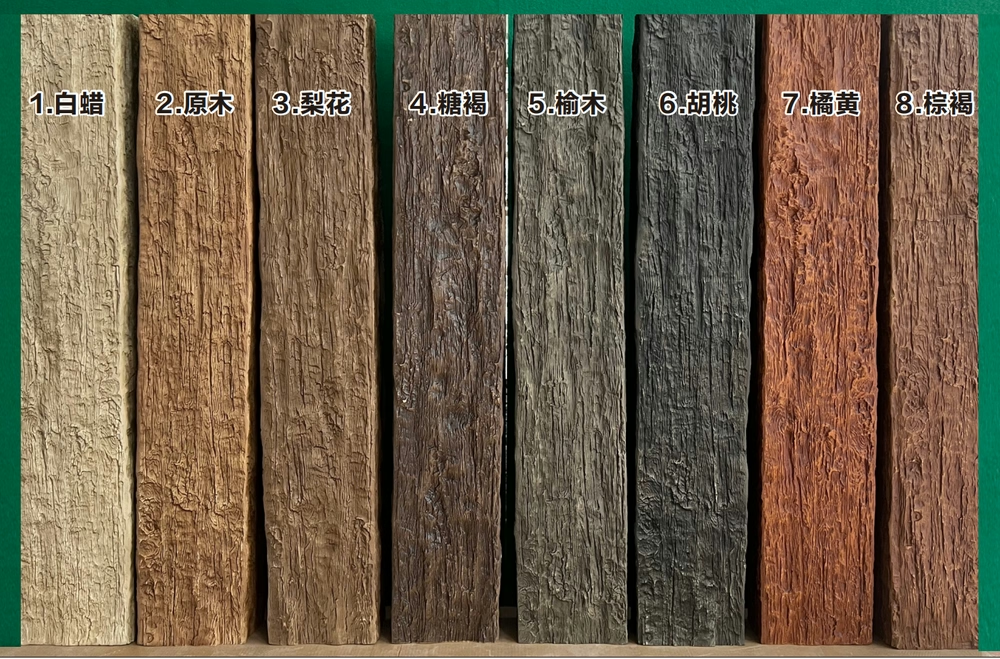
Patterns and layouts for natural rustic
Several beam patterns work in natural rustic rooms.
Single-beam accent — One or two beams run across the ceiling to provide visual interest without covering the entire ceiling. This works in small rooms, in primary bedrooms, or in rooms where the ceiling already has other interest from paint, paneling, or other features.
Parallel grid — Multiple beams run parallel to each other across the ceiling at consistent spacing. This is a classic exposed-structure pattern that creates rhythm and proportion. The spacing should be consistent and should divide the ceiling into equal sections.
Perpendicular grid — Beams cross each other at right angles to create a coffered or waffle pattern. This is a more elaborate treatment that requires careful planning of the layout and the lighting integration.
Vault integration — Beams follow the slope of a vaulted or cathedral ceiling, often paired with exposed rafters. The beams can be horizontal cross-ties between rafters or can follow the rafter angle. Either way, they emphasize the geometry of the vaulted space.
The choice of pattern depends on the room's dimensions, the ceiling structure, and the overall design intent. Natural rustic rooms often use a simple parallel grid because it follows the underlying structure logic. More elaborate grids are reserved for rooms where the ceiling is the dominant feature.
Texture details that read as natural rustic
The texture of the beam matters as much as the pattern. Natural rustic rooms read beams at face value — the texture should look like working timber, not like decoration applied to a smooth surface.
Chop mark depth should be substantial. Light chop marks suggest a quick, decorative texturing. Heavy chop marks suggest real working of the timber. The depth should be visible from a few feet away and should cast clear shadows under raking light.
Grain pattern should be visible between the chop marks. The grain provides the timber identification that the chop marks alone cannot. A beam with both elements looks like actual worked timber. A beam with only chop marks looks like a decorative faux surface.
Surface irregularities should be consistent with real hand working. Slight asymmetries in the texture, minor variations across the beam length, and a consistent pattern that allows for natural variation are all positive features. A texture that is too perfect or too consistent reads as artificial.
Finish should match the timber character. A clear or lightly stained finish that allows the wood tone to come through is more natural-looking than a heavy pigmented finish. Glaze coats that pool in the recesses of the texture add depth without covering the underlying character.
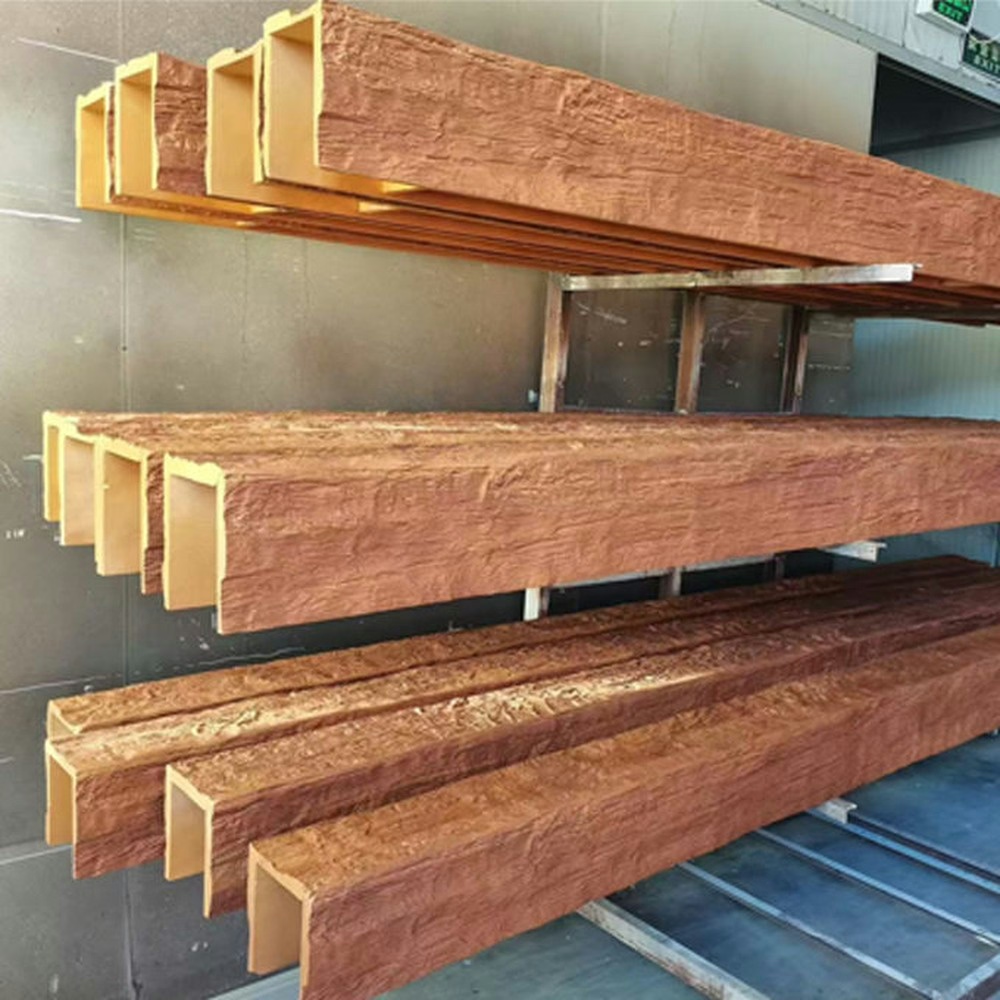
Coordinating beams with surrounding elements
Natural rustic decor is unified, with each element relating to the others. Beams need to coordinate with several other features in the room.
Stone walls or fireplaces pair naturally with hand-hewn beams because both come from the building tradition. The combination of stone and timber is one of the most stable and recognizable natural rustic looks. Color coordination is the main consideration — the beam and stone colors should complement each other rather than compete.
Wide-plank floors in natural wood tones relate directly to the beams overhead. The same grain character and color family ties the floor and ceiling together. Mismatched species — for example, a pine floor with oak beams — creates a subtle tension that works in some designs and not in others.
Open shelving in wood or wrought iron keeps the natural material palette consistent. Closed cabinetry in painted finishes is appropriate in some natural rustic rooms, particularly in kitchens, but the cabinet finish should harmonize with the timber tones rather than contrast with them.
Wool rugs, leather furniture, and natural fiber textiles continue the material palette to the floor. The fabric elements should be in earth tones or naturally dyed colors. Bright or synthetic-looking textiles disrupt the natural rustic feel.
Metal accents in aged bronze, wrought iron, or weathered steel provide the metallic contrast that natural rustic rooms often include. Polished chrome, brass, or gold-plated finishes look out of place in this aesthetic.
Common mistakes in natural rustic beam design
Several errors reduce the quality of natural rustic interiors.
Over-finishing the beams removes the natural character. A heavily pigmented stain or a thick topcoat obscures the timber grain and the chop marks. The finish should be minimal — just enough to protect the surface and bring out the natural color.
Beams that are too clean or too new look like furniture rather than like structural elements. The beam finish should suggest some age or exposure, even on new beams. Light distressing or a slightly aged patina helps the beams feel rooted.
Beams that are too uniform across the room look like a coordinated decor package rather than like building components. The eye expects some variation in beams — different stains, slightly different ages, slight differences in finish depth. A perfectly matched set of beams can feel artificial.
Beams that are too large for the room dominate the space and make the room feel small. The appropriate beam scale for the room dimensions creates proportion rather than dominance. Sizing should follow the room dimensions rather than visual impression alone.
Beams that are too small for the room disappear and lose their meaning. Undersized beams look like decorative accents rather than like structural references. The minimum sensible scale is 6 to 8 inches in width and depth for most rooms.
Beams that conflict with modern fixtures create a dated feel. Modern kitchens, modern HVAC grilles, or modern light fixtures do not belong above a natural rustic beam. The transition between rustic and modern should be deliberate rather than accidental.
Installation in natural rustic rooms
The installation of hand-hewn polyurethane beams in natural rustic rooms follows standard procedures with attention to specific coordination points.
Existing structural elements like exposed rafters or existing beams should be evaluated as part of the beam layout. New hand-hewn beams should align with or relate to the existing structure rather than covering it. Where existing structure is hidden behind drywall, the new layout can introduce a different pattern but should still feel grounded in the building.
Lighting integration is essential. Natural rustic rooms often use pendant lights, recessed lights, or wall sconces that need to coordinate with the beam pattern. The beam layout should leave room for the lighting fixtures without blocking their light output.
Plaster or drywall finishing around the beams should be minimal. Beams installed against a flat ceiling need the transition point to be clean. The intersection should be caulked and finished to look like a deliberate architectural detail rather than an accidental gap.
Penetrations for wiring or ducts should be planned in advance. The beam layout can be adjusted to avoid existing penetrations or to accommodate new ones. Random penetrations through beams after installation create unsightly holes that are difficult to patch convincingly.
The hand-hewn texture should be protected during installation. Foam padding, careful handling, and thoughtful positioning prevent the inevitable construction damage that can occur during mounting. Touch-up kits should be available on site for any small repairs that do occur.
Longevity and aging
Natural rustic rooms age well because the aesthetic already incorporates signs of wear and use. The beams in particular look more authentic as they develop subtle signs of age over years of service.
Dust accumulates in the recesses of the chop marks over time, deepening the shadow lines. This natural patina enhances rather than detracts from the beam character.
Light exposure slightly fades the high points of the beam texture while the recesses retain their deeper color. The contrast between the high and low parts of the texture becomes more dramatic with age.
Furniture rearrangement and ceiling fans or fixtures may require small touch-ups around the beam surface. The hand-hewn texture makes these touch-ups easier to blend with the surrounding area than they would be on a smooth beam.
The polyurethane construction is dimensionally stable through decades of service. The texture does not compress, the color does not shift dramatically, and the structural integrity is maintained. The beams look the same in year ten as they did in year one, modified only by the natural patina of the surrounding environment.
The result is a ceiling that looks intentional, hand-worked, and substantial. The natural rustic room depends on these qualities from its ceiling beams, and polyurethane hand-hewn beams deliver them in a form that is practical for modern construction.
Technical References
ASTM standards cited in every specification
Test Data
Lab results from internal testing program
Updated 2026
Reviewed against current product specs


