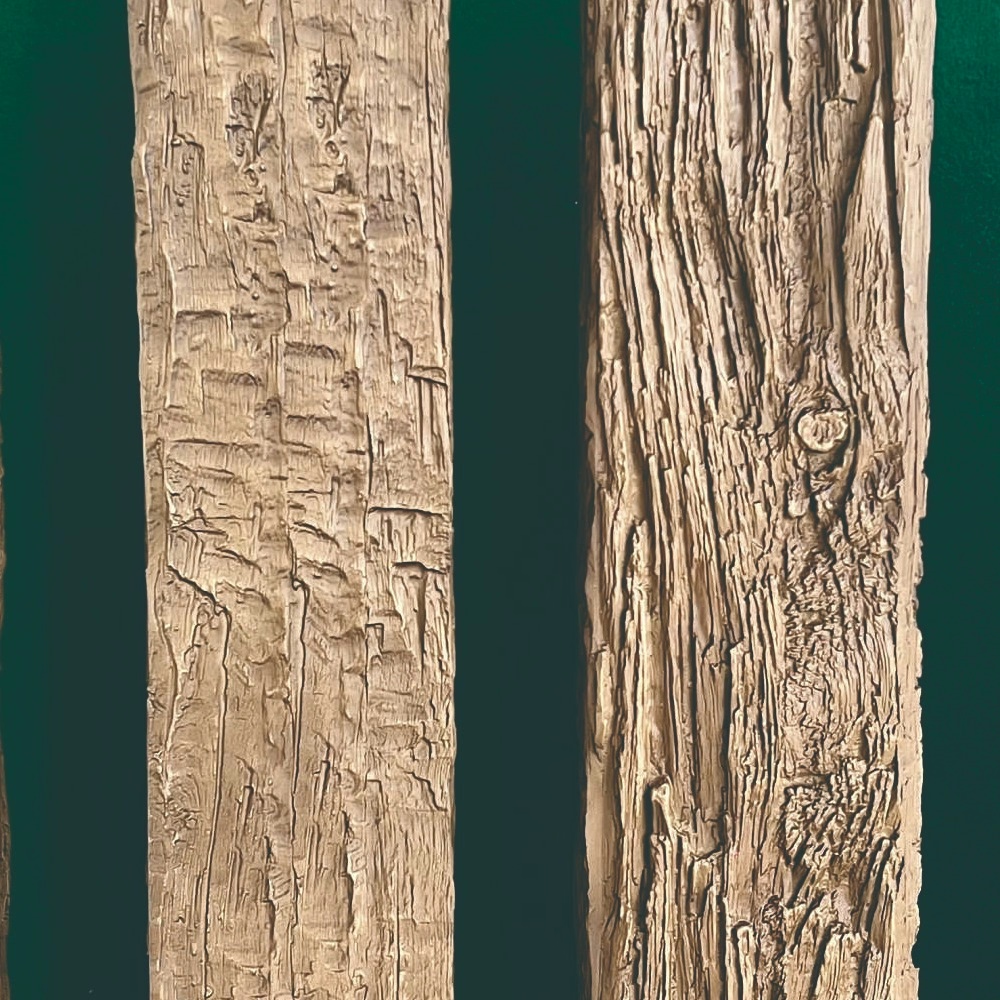
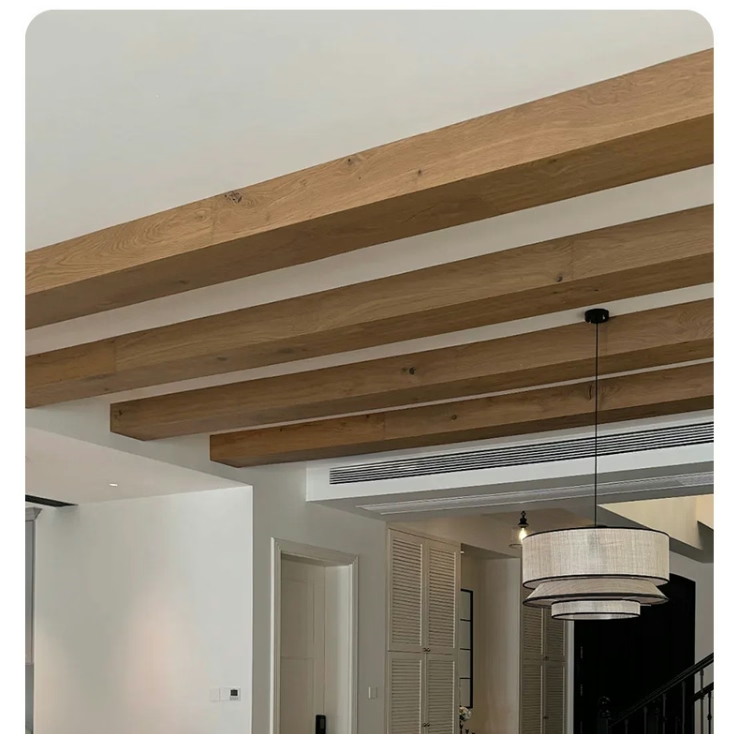
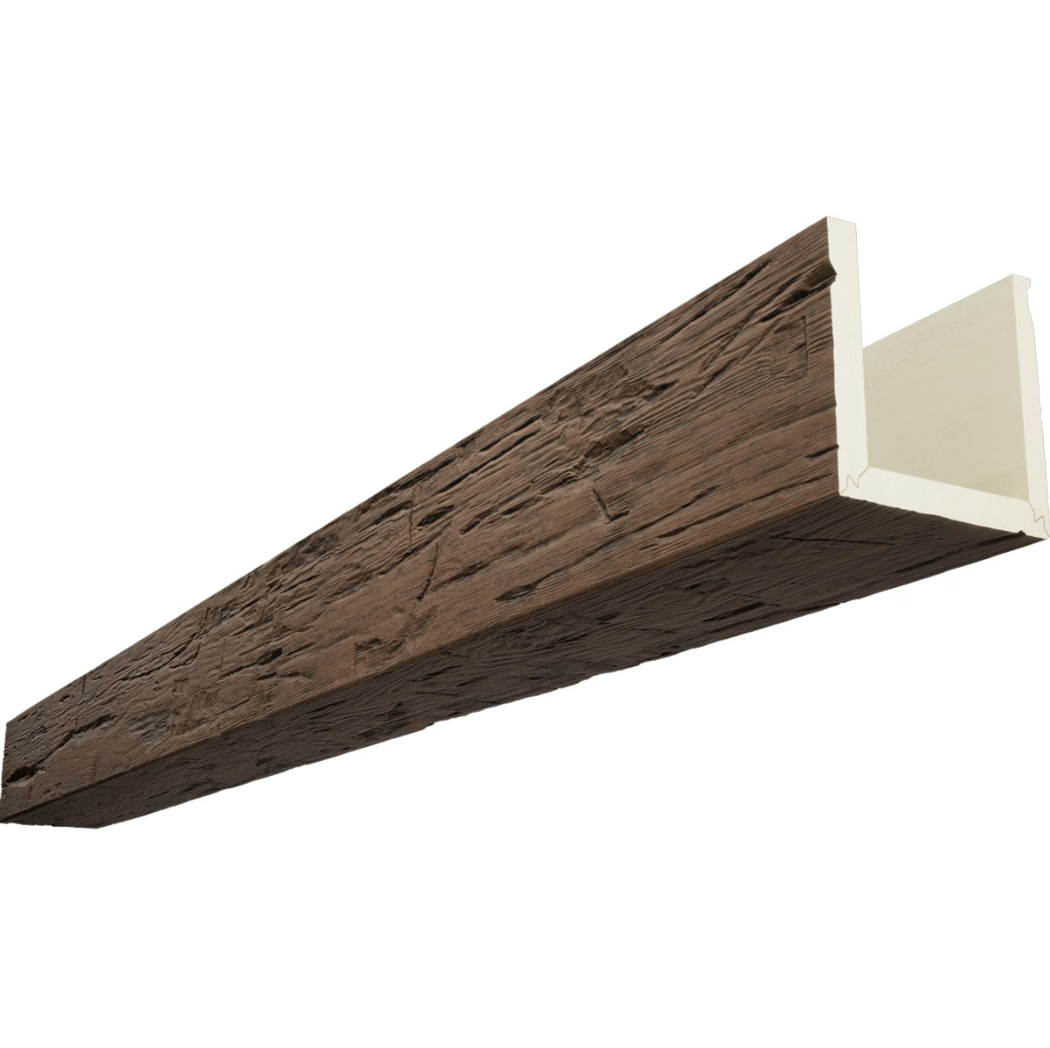
The beam over the hotel lobby registration desk is touched 200 times a day. The beam over the restaurant host stand gets bumped by guests carrying luggage. The beam in the retail fitting room is grabbed by customers reaching for items on high shelves. The beam in the conference center is bumped by AV equipment being rolled in and out.
A standard residential faux beam in these environments would show wear within months — the finish would be rubbed away at the touch points, the foam would be dented by impacts, the texture would be obscured by cleaning chemicals. Within two years, the beam would look shabby and need replacement.
Heavy-duty faux timber beams are designed for exactly these conditions. The foam density, the topcoat system, and the construction details all address the specific wear patterns of high-usage commercial interiors.
What makes a beam "high-usage" rated
Several design choices separate a high-usage rated beam from a standard commercial beam.
Foam density. High-usage beams use 320 to 400 kg/m³ closed-cell polyurethane foam, compared to 280 to 320 kg/m³ for standard commercial grade. The higher density resists denting from impacts and compression from contact.
Topcoat chemistry. High-usage beams use a two-part aliphatic polyurethane topcoat, often with ceramic particle reinforcement. The ceramic particles increase surface hardness and abrasion resistance. The aliphatic chemistry resists yellowing and chemical attack.
Topcoat thickness. High-usage beams have 8 to 12 mils dry film thickness of topcoat, compared to 4 to 8 mils for standard commercial. The thicker topcoat provides more material to wear through before the underlying foam is exposed.
Surface treatment. Some high-usage beams have an additional clear coat layer over the stained finish. This sacrificial layer can be renewed periodically without refinishing the entire beam.
Reinforced corners and edges. The corners and edges of high-usage beams are often reinforced with additional foam density or a thicker topcoat buildup. These are the areas most likely to be impacted.
UV protection. For beams near windows or skylights, the topcoat includes enhanced UV absorbers. The protection prevents the color shift and finish degradation that would otherwise occur.
The combination of these features creates a beam that can handle the abuse of a busy commercial environment for 15 to 25 years before major maintenance is needed.

High-usage environment categories
Several commercial environments present particular challenges.
Hotel lobbies. Constant guest traffic, luggage impact, and frequent cleaning. The lobby beams are visible from every angle and are touched frequently by guests leaning against them or brushing past.
Restaurant dining rooms. Waitstaff carrying trays, guests standing up from tables, cleaning between seatings. The beams over the dining area are subject to constant contact and aggressive cleaning.
Retail floors. Customers browsing, staff restocking, shopping bags swinging. Beams in retail environments are at hand height in many cases and are frequently touched or bumped.
Conference and meeting spaces. Rolling AV equipment, furniture rearrangement, frequent cleaning between events. Beams in conference spaces are subject to periodic heavy impact.
Healthcare facilities. Wheelchairs, gurneys, medical equipment, and aggressive cleaning with hospital-grade disinfectants. Beams in healthcare must handle both physical wear and chemical exposure.
Educational facilities. Students, teachers, equipment, and frequent cleaning. Beams in schools and universities face similar challenges to healthcare but typically with less aggressive cleaning chemicals.
Transportation hubs. Airports, train stations, bus terminals — high-traffic public spaces with constant movement, luggage, and security considerations. The beams in these spaces must meet strict code requirements as well.
Each environment has specific wear patterns. The high-usage beam specification addresses the worst-case combination.
Finish durability requirements
The finish is the first line of defense against wear. High-usage environments demand specific finish properties.
Abrasion resistance. The finish must resist abrasion from repeated contact. ASTM D4060 Taber abrasion test with CS-17 wheel — less than 50 mg loss at 1000 cycles is the high-usage benchmark. Standard commercial finishes typically show 80 to 120 mg loss.
Chemical resistance. The finish must resist the cleaning chemicals used in the facility. Common commercial cleaning chemicals include quaternary ammonium compounds, hydrogen peroxide, sodium hypochlorite (bleach), and citric acid-based cleaners. The finish must show no visible degradation after 24-hour exposure to these chemicals at use concentration.
Stain resistance. The finish must resist staining from food, beverages, body oils, and other substances common in commercial environments. Coffee, wine, mustard, lipstick, and similar substances should wipe off without leaving permanent stains.
Impact resistance. The finish must resist chipping and cracking from impact. ASTM D2794 falling weight impact test — no chipping or cracking at 80 inch-pounds is a high-usage benchmark.
Adhesion. The finish must remain adhered to the foam substrate under repeated stress. ASTM D3359 crosshatch adhesion — rating 5B (no removal) is the high-usage benchmark.
These requirements are documented in manufacturer specifications and verified through independent testing. Buyers should request the test reports as part of the submittal package.
Maintenance and refurbishment
Even high-usage beams require periodic maintenance. The maintenance schedule extends the service life and maintains the appearance.
Daily cleaning. Standard commercial cleaning — dusting, wiping with a damp cloth, spot cleaning of marks. Standard cleaning chemicals are appropriate.
Weekly deep cleaning. More thorough cleaning with commercial cleaning products. The finish should withstand the cleaning without degradation.
Annual inspection. Visual inspection of the beam surfaces, looking for wear patterns, finish damage, or substrate issues. The inspection identifies areas that need attention before they become major problems.
Touch-up repair. Localized damage (chips, scratches, stains that won't come out) can be repaired with manufacturer-supplied touch-up kits. The kits include stain, topcoat, and application instructions.
Periodic recoating. Every 8 to 15 years, depending on the environment and the usage level, the beams may benefit from a fresh topcoat application. The recoating restores the surface protection without requiring replacement of the beam.
Replacement planning. Eventually, after 20 to 30 years of service, the beams may need replacement. The replacement should be planned as part of a broader interior refresh rather than an emergency repair.
A maintenance plan developed at the time of installation helps the facility manager budget for and schedule the required work. The plan extends the service life and protects the investment.
Code compliance for high-usage spaces
High-usage commercial spaces face strict code requirements.
Fire rating. Most high-usage public spaces require Class A fire rating per ASTM E84. High-usage beams should have the test report available and should specify the tested configuration.
VOC emissions. Many high-usage spaces (schools, healthcare, government buildings) require low-VOC materials. CDPH Standard Method or GREENGUARD Gold certification is often required.
ADA compliance. Beams must not interfere with accessible routes or protrude into circulation space. The mounting height and projection must comply with ADA requirements.
Seismic. In seismic zones, high-usage beams must be braced to resist earthquake loads. The bracing design depends on the beam weight and the seismic design category.
Local amendments. Many jurisdictions have local amendments to model codes. The contractor should verify the local requirements before installation.
Insurance. High-usage commercial spaces typically have strict insurance requirements for materials and installation methods. The beam specification should comply with the insurance carrier's standards.
Code compliance is verified through submittal documentation and field inspection. The supplier should provide the necessary documentation; the contractor should maintain records of the installation.
Working with interior designers
High-usage commercial spaces are typically designed by interior design firms with specific expertise in the sector. The designer brings specific requirements.
Brand standards. Hotel chains, restaurant groups, and retail brands often have specific standards for materials, finishes, and installation methods. The beam specification must comply with the brand standards.
Sample approval. The designer will want to review physical samples of the beam before specifying. The samples should represent the actual product, not idealized versions.
Custom finishes. Brand-specific colors or textures may require custom finishing. The lead time for custom finishes should be considered in the project schedule.
Coordination with other materials. The beam finish must coordinate with other materials in the space — flooring, wall finishes, furniture, lighting. The designer coordinates the palette.
Lifecycle considerations. The designer considers the lifecycle of the materials — how they will age, how they will be maintained, when they will need replacement. The beam specification should support the lifecycle plan.
The designer is the supplier's partner in delivering a successful project. The relationship should be built on communication, sample availability, and responsiveness to the designer's questions and concerns.
Total cost of ownership
The cost of high-usage beams is higher than standard commercial grade, but the lifecycle cost is often lower.
Initial cost. High-usage beams run 30 to 60 percent more than standard commercial grade. For a typical hotel lobby installation with 200 linear feet of beam, the upgrade adds $3,000 to $6,000 to the initial cost.
Maintenance cost. High-usage beams require less frequent maintenance and touch-up. Over a 20-year service life, the maintenance cost savings can exceed the initial upgrade cost.
Replacement cost. High-usage beams last longer before needing replacement. Extending the replacement cycle from 15 years to 25 years saves the cost of one full replacement cycle.
Reputation cost. A beam that looks shabby in a high-usage space damages the brand reputation. The cost of brand damage is hard to quantify but real.
Total cost of ownership. Over a 20 to 25 year service life, high-usage beams typically have a lower total cost of ownership than standard commercial grade beams. The initial cost premium is recovered through reduced maintenance, longer service life, and better brand experience.
For high-usage commercial spaces, the heavy-duty specification is the right choice from a total cost perspective, not just a quality perspective.
Technical References
ASTM standards cited in every specification
Test Data
Lab results from internal testing program
Updated 2026
Reviewed against current product specs