
The interior design magazine cover featured a space that seemed to bridge centuries—contemporary furniture positioned beneath ceiling beams that combined rustic authenticity with geometric precision impossible to achieve in timber. The architect who designed the room explained that the beams were polyurethane, and the magazine published a follow-up piece exploring how synthetic materials had transformed what designers could achieve. Within months, similar installations appeared in projects worldwide, driven by designers seeking the capabilities that polyurethane provides.
The evolution from commodity material to designer's choice reflects advances in formulation, manufacturing precision, and finish quality that have addressed early limitations. What was once a budget compromise acceptable only when appearance mattered less than cost has become a design-forward choice that sophisticated clients select deliberately. This transformation continues as technology advances create new possibilities.
Understanding the current state of polyurethane-based decorative beams helps designers and homeowners specify products that meet contemporary expectations. The gap between expectation and reality has narrowed substantially, though variation among products remains significant.
Design Versatility and Applications
Contemporary interiors benefit from polyurethane beam installations that provide warmth without the rustic connotations that wood beams sometimes carry. Clean profiles, precise joints, and uniform finishes suit minimalist design approaches where organic irregularity would conflict with intended aesthetics. The ability to specify exact dimensions enables treatments that wood availability might preclude.

Traditional interiors gain authentic character through wood-grain beams that replicate antique timber appearance. The selection of appropriate grain patterns, weathering, and coloration creates period-appropriate installations that serve restoration objectives without the sourcing challenges that genuine antique timber presents. Museums, historic hotels, and residential restorations benefit from these capabilities.
Transitional spaces where multiple design influences must coexist find polyurethane beams adaptable to varied requirements. The same beam profile can be finished to suit rustic or refined aesthetics, bridging style divisions that might otherwise prove insurmountable. This flexibility proves valuable in spaces serving diverse functions or users with differing preferences.
Commercial environments leverage the durability advantages that polyurethane provides while achieving aesthetic objectives that practical considerations might otherwise preclude. Hospitality spaces, retail environments, and office lobbies all accommodate beam installations that enhance brand identity without the maintenance obligations that natural materials would impose.
Finish Options and Customization
Solid color finishes in any paint specification enable coordination with surrounding décor regardless of existing color schemes. Factory-applied finishes achieve uniform coverage without the variation that site painting introduces. This option suits contemporary interiors where wood grain might seem out of place.
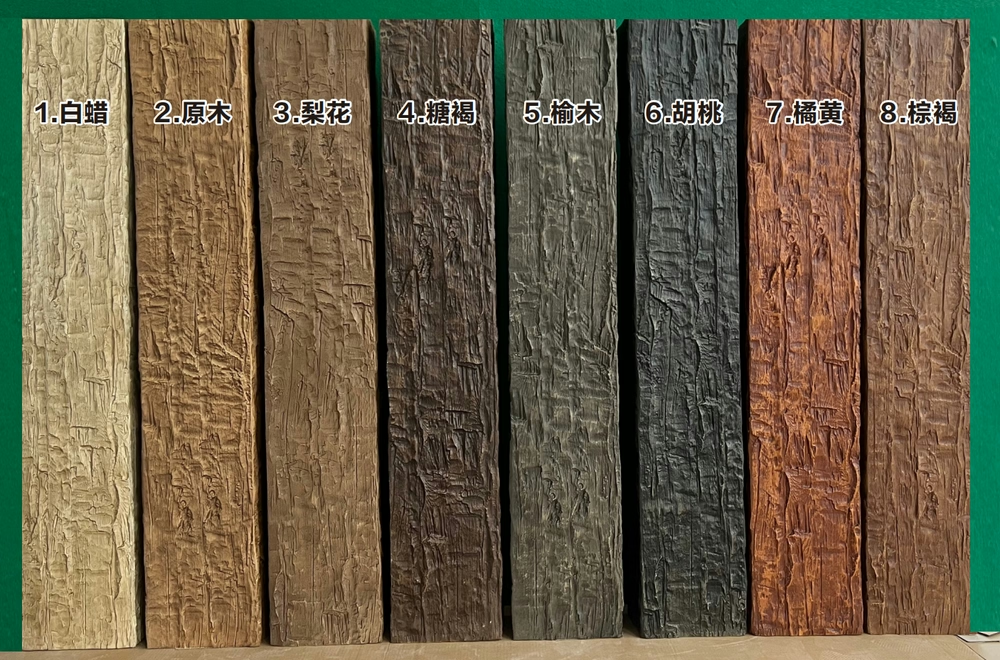
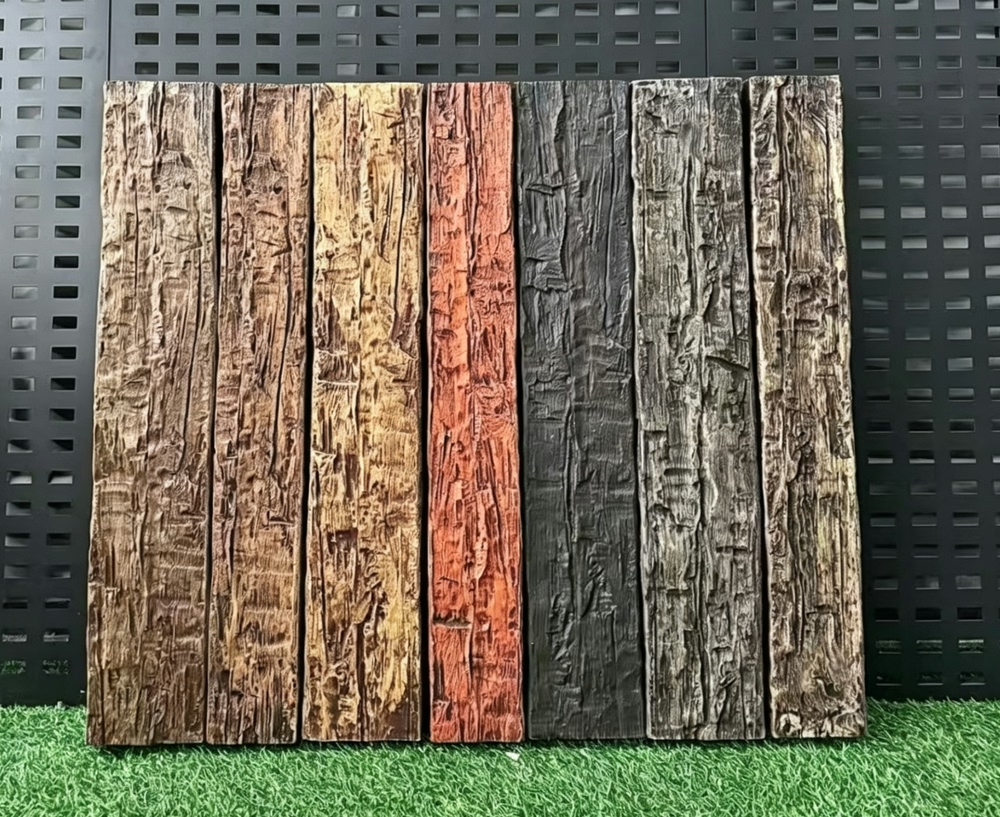
Stain finishes replicate specific wood species with remarkable accuracy, from pale ash to deep walnut and everything between. The ability to match existing woodwork ensures that new installations integrate with established finishes. Custom stain matching services can replicate unique colors from client samples.
Multi-tone finishing techniques create visual depth that single-color application cannot achieve. Weathered effects, highlight accents, and layered coloration produce appearances that appear genuinely aged and authentic. These techniques draw from painting and finishing expertise that distinguishes premium finishing from basic application.
Textured surfaces beyond simple wood grain expand design possibilities into realms that wood cannot economically access. Custom textures developed for specific applications create unique appearances that differentiate installations from competitors using standard options. This customization capability enables brand-specific design languages.
Performance Advantages Over Alternatives
Weight advantages over natural wood simplify handling and reduce structural requirements. The dramatic weight reduction—typically seventy to eighty percent lighter than equivalent timber—enables installations that structural engineering would not permit for genuine timber. This advantage expands the range of applications where beam aesthetics can be considered.
Moisture resistance eliminates the primary degradation mechanism that limits natural wood performance in challenging environments. Bathrooms, pool areas, and exterior applications that would accelerate timber deterioration perform admirably with polyurethane. This resistance enables installations in spaces previously unsuitable for wood beams.
Pest immunity removes concerns about termite damage, wood-boring beetles, and other biological threats that affect natural wood. In regions where pest pressure creates ongoing treatment requirements, polyurethane eliminates these concerns entirely. The environmental benefit of avoiding chemical pest treatments appeals to environmentally conscious clients.
Dimensional stability throughout environmental cycling prevents the movement that creates gaps, joint failures, and compromised attachments in natural wood. The consistent dimensions that polyurethane maintains ensure that finished appearances remain intact indefinitely. This stability simplifies maintenance while protecting aesthetic investments.
Specification Considerations for Success
Fire rating requirements for commercial applications may dictate specific formulations that satisfy code mandates. Products rated to ASTM E84 or equivalent standards provide documentation that building officials require. Specifying non-rated products in applications requiring fire resistance creates compliance problems that professional specification should prevent.
Structural considerations differ between decorative and functional applications. Beams that merely appear to support loads without actually doing so may be appropriate for many applications, but installations supporting fixtures, fans, or other items require engineering evaluation. Understanding the difference prevents specification errors that could create safety hazards.
Finish selection should account for maintenance requirements that different finishes impose. High-gloss finishes show every imperfection while matte finishes hide minor flaws more effectively. Understanding how selected finishes will age and wear guides specification toward options that remain attractive with realistic maintenance.
Attachment system selection must consider both immediate installation requirements and long-term performance expectations. Mechanical fastening provides security that adhesive bonding alone cannot match, though adhesive contributes to overall strength when properly applied. System specifications should address both initial attachment and continued performance over service life.
Future Developments and Trends
Formulation advances continue improving polyurethane performance across multiple dimensions. Enhanced UV resistance, improved fire performance, and better environmental profiles all represent active development areas. Products available today represent current technology, but tomorrow's products may offer capabilities that current offerings cannot provide.
Sustainability focus is driving development toward bio-based precursors, improved recycling capabilities, and reduced environmental impact. These advances address concerns about petrochemical dependence and end-of-life management that have limited acceptance in environmentally conscious markets. Emerging products may overcome objections that current offerings cannot address.
Manufacturing technology evolution enables capabilities that current production methods cannot achieve. Additive manufacturing techniques may enable profiles and details that conventional molding cannot produce. These advances could dramatically expand design possibilities while potentially reducing production costs.
Market acceptance continues growing as experience with polyurethane beams demonstrates their performance advantages. Early skepticism has given way to informed appreciation as projects completed years ago continue performing without problems. This accumulated positive experience supports continued market growth and specification acceptance.
Technical References
ASTM standards cited in every specification
Test Data
Lab results from internal testing program
Updated 2026
Reviewed against current product specs


